Compare commits
2
Commits
| Author | SHA1 | Date | |
|---|---|---|---|
 Tiago Vasconcelos Tiago Vasconcelos
|
f53fee6896 | ||
|
Tiago Vasconcelos
|
f14dfd2522 |
@@ -3,14 +3,12 @@ data
|
||||
docker
|
||||
docs
|
||||
tests
|
||||
node_modules
|
||||
|
||||
lnbits/static/css/*
|
||||
lnbits/static/bundle.js
|
||||
lnbits/static/bundle.css
|
||||
|
||||
*.md
|
||||
!README.md
|
||||
*.log
|
||||
|
||||
.env
|
||||
@@ -23,10 +21,3 @@ mypy.ini
|
||||
package-lock.json
|
||||
package.json
|
||||
pytest.ini
|
||||
|
||||
.mypy_cache
|
||||
.github
|
||||
.pytest_cache
|
||||
.vscode
|
||||
bin
|
||||
dist
|
||||
|
||||
+61
-159
@@ -1,121 +1,39 @@
|
||||
#For more information on .env files, their content and format: https://pypi.org/project/python-dotenv/
|
||||
|
||||
######################################
|
||||
###### .env ONLY SETTINGS ############
|
||||
########### Admin Settings ###########
|
||||
######################################
|
||||
# The following settings are ONLY set in your .env file.
|
||||
# They are NOT managed by the Admin UI and are not stored in the database.
|
||||
|
||||
# === Logging and Development ===
|
||||
|
||||
DEBUG=False
|
||||
DEBUG_DATABASE=False
|
||||
BUNDLE_ASSETS=True
|
||||
|
||||
# logging into LNBITS_DATA_FOLDER/logs/
|
||||
ENABLE_LOG_TO_FILE=true
|
||||
|
||||
# https://loguru.readthedocs.io/en/stable/api/logger.html#file
|
||||
LOG_ROTATION="100 MB"
|
||||
LOG_RETENTION="3 months"
|
||||
# for database cleanup commands
|
||||
# CLEANUP_WALLETS_DAYS=90
|
||||
|
||||
# === Admin Settings ===
|
||||
|
||||
# Enable Admin GUI, available for the first user in LNBITS_ADMIN_USERS if available.
|
||||
# Warning: Enabling this will make LNbits ignore most configurations in file. Only the
|
||||
# configurations defined in `ReadOnlySettings` will still be read from the environment variables.
|
||||
# The rest of the settings will be stored in your database and you will be able to change them
|
||||
# only through the Admin UI.
|
||||
# Disable this and clear `settings` table from database to make LNbits use this config file again.
|
||||
LNBITS_ADMIN_UI=true
|
||||
|
||||
HOST=127.0.0.1
|
||||
PORT=5000
|
||||
# VERSION=
|
||||
# USER_AGENT=
|
||||
|
||||
# === LNbits ===
|
||||
|
||||
# Database: to use SQLite, specify LNBITS_DATA_FOLDER
|
||||
# to use PostgreSQL, specify LNBITS_DATABASE_URL=postgres://...
|
||||
# to use CockroachDB, specify LNBITS_DATABASE_URL=cockroachdb://...
|
||||
# for both PostgreSQL and CockroachDB, you'll need to install
|
||||
# psycopg2 as an additional dependency
|
||||
LNBITS_DATA_FOLDER="./data"
|
||||
# LNBITS_DATABASE_URL="postgres://user:password@host:port/databasename"
|
||||
|
||||
# Extensions to be installed by default. If an extension from this list is uninstalled then it will be re-installed on the next restart.
|
||||
# The extension must be removed from this list in order to not be re-installed.
|
||||
LNBITS_EXTENSIONS_DEFAULT_INSTALL="tpos"
|
||||
|
||||
# LNBITS_EXTENSIONS_MANIFESTS="https://raw.githubusercontent.com/lnbits/lnbits-extensions/main/extensions.json,https://raw.githubusercontent.com/lnbits/lnbits-extensions/main/extensions-trial.json"
|
||||
# GitHub has rate-limits for its APIs. The limit can be increased specifying a GITHUB_TOKEN
|
||||
# LNBITS_EXT_GITHUB_TOKEN=github_pat_xxxxxxxxxxxxxxxxxx
|
||||
|
||||
# which fundingsources are allowed in the admin ui
|
||||
# LNBITS_ALLOWED_FUNDING_SOURCES="VoidWallet, FakeWallet, CoreLightningWallet, CoreLightningRestWallet, LndRestWallet, EclairWallet, LndWallet, LnTipsWallet, LNPayWallet, LNbitsWallet, BlinkWallet, AlbyWallet, ZBDWallet, PhoenixdWallet, OpenNodeWallet, NWCWallet, BreezSdkWallet, BoltzWallet, StrikeWallet, CLNRestWallet"
|
||||
|
||||
# uvicorn variable, allow https behind a proxy
|
||||
# IMPORTANT: this also needs the webserver to be configured to forward the headers
|
||||
# http://docs.lnbits.org/guide/installation.html#running-behind-an-apache2-reverse-proxy-over-https
|
||||
FORWARDED_ALLOW_IPS="*"
|
||||
|
||||
# Path where extensions will be installed (defaults to `./lnbits/`).
|
||||
# Inside this directory the `extensions` and `upgrades` sub-directories will be created.
|
||||
# LNBITS_EXTENSIONS_PATH="/path/to/some/dir"
|
||||
|
||||
# ID of the super user. The user ID must exist.
|
||||
# SUPER_USER=""
|
||||
|
||||
# LNBITS_TITLE="LNbits API"
|
||||
# LNBITS_PATH="folder/path"
|
||||
|
||||
# === Auth Configurations ===
|
||||
|
||||
# Secret Key: will default to the hash of the super user.
|
||||
# !!!!! It is strongly recommended that you set your own strong random value !!!!
|
||||
AUTH_SECRET_KEY=""
|
||||
|
||||
# === Funding Source ===# How many times to retry connectiong to the Funding Source before defaulting to the VoidWallet
|
||||
# FUNDING_SOURCE_MAX_RETRIES=4
|
||||
|
||||
######################################
|
||||
###### END .env ONLY SETTINGS ########
|
||||
######################################
|
||||
|
||||
######################################
|
||||
####### Auth Configurations ##########
|
||||
######################################
|
||||
|
||||
AUTH_TOKEN_EXPIRE_MINUTES=525600
|
||||
# Possible authorization methods: user-id-only, username-password, nostr-auth-nip98, google-auth, github-auth, keycloak-auth
|
||||
AUTH_ALLOWED_METHODS="user-id-only, username-password"
|
||||
# Set this flag if HTTP is used for OAuth
|
||||
# OAUTHLIB_INSECURE_TRANSPORT="1"
|
||||
|
||||
######################################
|
||||
########### Admin Settings ###########
|
||||
######################################
|
||||
# Disable this to make LNbits use this config file again.
|
||||
LNBITS_ADMIN_UI=false
|
||||
|
||||
# Change theme
|
||||
LNBITS_SITE_TITLE="LNbits"
|
||||
LNBITS_SITE_TAGLINE="Open Source Lightning Payments Platform"
|
||||
LNBITS_SITE_DESCRIPTION="The world's most powerful suite of bitcoin tools. Run for yourself, for others, or as part of a stack."
|
||||
LNBITS_SITE_TAGLINE="free and open-source lightning wallet"
|
||||
LNBITS_SITE_DESCRIPTION="Some description about your service, will display if title is not 'LNbits'"
|
||||
# Choose from bitcoin, mint, flamingo, freedom, salvador, autumn, monochrome, classic, cyber
|
||||
LNBITS_THEME_OPTIONS="classic, bitcoin, flamingo, freedom, mint, autumn, monochrome, salvador, cyber"
|
||||
# LNBITS_CUSTOM_LOGO="https://lnbits.com/assets/images/logo/logo.svg"
|
||||
|
||||
HOST=127.0.0.1
|
||||
PORT=5000
|
||||
|
||||
######################################
|
||||
########## Funding Source ############
|
||||
######################################
|
||||
|
||||
# which fundingsources are allowed in the admin ui
|
||||
LNBITS_ALLOWED_FUNDING_SOURCES="VoidWallet, FakeWallet, CoreLightningWallet, CoreLightningRestWallet, LndRestWallet, EclairWallet, LndWallet, LnTipsWallet, LNPayWallet, LNbitsWallet, AlbyWallet, OpenNodeWallet"
|
||||
|
||||
LNBITS_BACKEND_WALLET_CLASS=VoidWallet
|
||||
# VoidWallet is just a fallback that works without any actual Lightning capabilities,
|
||||
# just so you can see the UI before dealing with this file.
|
||||
|
||||
|
||||
# Invoice expiry for LND, CLN, Eclair, LNbits funding sources
|
||||
LIGHTNING_INVOICE_EXPIRY=3600
|
||||
|
||||
@@ -128,20 +46,6 @@ CLICHE_ENDPOINT=ws://127.0.0.1:12000
|
||||
SPARK_URL=http://localhost:9737/rpc
|
||||
SPARK_TOKEN=myaccesstoken
|
||||
|
||||
#CLNRest (using runes)
|
||||
CLNREST_URL=https://127.0.0.1:3010
|
||||
CLNREST_CA=/home/lightningd/.lightning/bitcoin/ca.pem
|
||||
CLNREST_CERT=/home/lightningd/.lightning/bitcoin/server.pem
|
||||
# CLNREST_CA = cat ca.pem | awk '{printf "%s\\n", $0} END {printf "\n"}'
|
||||
# CLNREST_CERT = cat server.pem | awk '{printf "%s\\n", $0} END {printf "\n"}'
|
||||
|
||||
CLNREST_READONLY_RUNE=lightning-cli createrune restrictions='[["method=listfunds", "method=listpays", "method=listinvoices", "method=getinfo", "method=summary", "method=waitanyinvoice"]]' | jq -r .rune
|
||||
CLNREST_INVOICE_RUNE=lightning-cli createrune restrictions='[["method=invoice"], ["pnameamount_msat<1000001"], ["pnamelabel^LNbits"], ["rate=60"]]' | jq -r .rune
|
||||
CLNREST_PAY_RUNE=lightning-cli createrune restrictions='[["method=pay"], ["pinvbolt11_amount<1001"], ["pnamelabel^LNbits"], ["rate=1"]]' | jq -r .rune
|
||||
#CLNREST_RENEPAY_RUNE=lightning-cli createrune restrictions='[["method=renepay"], ["pinvinvstring_amount<1001"], ["pnamelabel^LNbits"], ["rate=1"]]' | jq -r .rune
|
||||
#CLNREST_LAST_PAY_INDEX='lightning-cli listinvoices | jq -r '.invoices | map(.created_index) | max'
|
||||
#CLNREST_NODEID=lightning-cli getinfo | jq -r .id # only required for v23.08
|
||||
|
||||
# CoreLightningWallet
|
||||
CORELIGHTNING_RPC="/home/bob/.lightning/bitcoin/lightning-rpc"
|
||||
|
||||
@@ -151,7 +55,7 @@ CORELIGHTNING_REST_MACAROON="/path/to/clnrest/access.macaroon" # or BASE64/HEXS
|
||||
CORELIGHTNING_REST_CERT="/path/to/clnrest/tls.cert"
|
||||
|
||||
# LnbitsWallet
|
||||
LNBITS_ENDPOINT=https://demo.lnbits.com
|
||||
LNBITS_ENDPOINT=https://legend.lnbits.com
|
||||
LNBITS_KEY=LNBITS_ADMIN_KEY
|
||||
|
||||
# LndWallet
|
||||
@@ -180,30 +84,6 @@ LNPAY_WALLET_KEY=LNPAY_ADMIN_KEY
|
||||
ALBY_API_ENDPOINT=https://api.getalby.com/
|
||||
ALBY_ACCESS_TOKEN=ALBY_ACCESS_TOKEN
|
||||
|
||||
# BoltzWallet
|
||||
BOLTZ_CLIENT_ENDPOINT=127.0.0.1:9002
|
||||
# HEXSTRING instead of path also possible
|
||||
BOLTZ_CLIENT_MACAROON="/home/bob/.boltz/macaroons/admin.macaroon"
|
||||
# HEXSTRING instead of path also possible
|
||||
BOLTZ_CLIENT_CERT="/home/bob/.boltz/tls.cert"
|
||||
|
||||
# StrikeWallet
|
||||
STRIKE_API_ENDPOINT=https://api.strike.me/v1
|
||||
STRIKE_API_KEY=YOUR_STRIKE_API_KEY
|
||||
|
||||
# ZBDWallet
|
||||
ZBD_API_ENDPOINT=https://api.zebedee.io/v0/
|
||||
ZBD_API_KEY=ZBD_ACCESS_TOKEN
|
||||
|
||||
# BlinkWallet
|
||||
BLINK_API_ENDPOINT=https://api.blink.sv/graphql
|
||||
BLINK_WS_ENDPOINT=wss://ws.blink.sv/graphql
|
||||
BLINK_TOKEN=BLINK_TOKEN
|
||||
|
||||
# PhoenixdWallet
|
||||
PHOENIXD_API_ENDPOINT=http://localhost:9740/
|
||||
PHOENIXD_API_PASSWORD=PHOENIXD_KEY
|
||||
|
||||
# OpenNodeWallet
|
||||
OPENNODE_API_ENDPOINT=https://api.opennode.com/
|
||||
OPENNODE_KEY=OPENNODE_ADMIN_KEY
|
||||
@@ -216,29 +96,21 @@ LNBITS_DENOMINATION=sats
|
||||
ECLAIR_URL=http://127.0.0.1:8283
|
||||
ECLAIR_PASS=eclairpw
|
||||
|
||||
# NWCWalllet
|
||||
NWC_PAIRING_URL="nostr+walletconnect://000...000?relay=example.com&secret=123"
|
||||
|
||||
# LnTipsWallet
|
||||
# Enter /api in LightningTipBot to get your key
|
||||
LNTIPS_API_KEY=LNTIPS_ADMIN_KEY
|
||||
LNTIPS_API_ENDPOINT=https://ln.tips
|
||||
|
||||
# BreezSdkWallet
|
||||
BREEZ_API_KEY=KEY
|
||||
BREEZ_GREENLIGHT_SEED=SEED
|
||||
# A Greenlight invite code or Greenlight partner certificate/key can be used
|
||||
BREEZ_GREENLIGHT_INVITE_CODE=CODE
|
||||
BREEZ_GREENLIGHT_DEVICE_KEY="/path/to/breezsdk/device.pem" # or BASE64/HEXSTRING
|
||||
BREEZ_GREENLIGHT_DEVICE_CERT="/path/to/breezsdk/device.crt" # or BASE64/HEXSTRING
|
||||
# BREEZ_USE_TRAMPOLINE=true
|
||||
|
||||
# BreezLiquidSdkWallet
|
||||
# get your own api key here https://breez.technology/request-api-key/#contact-us-form-sdk
|
||||
# or keep the api key empty to use the LNbits key for referrals (API key is not a secret)
|
||||
# BREEZ_LIQUID_API_KEY=""
|
||||
BREEZ_LIQUID_SEED="MNEMONIC SEED PHRASE"
|
||||
# BREEZ_LIQUID_FEE_OFFSET_SAT=50
|
||||
######################################
|
||||
####### Auth Configurations ##########
|
||||
######################################
|
||||
# Secret Key: will default to the hash of the super user. It is strongly recommended that you set your own value.
|
||||
AUTH_SECRET_KEY=""
|
||||
AUTH_TOKEN_EXPIRE_MINUTES=525600
|
||||
# Possible authorization methods: user-id-only, username-password, google-auth, github-auth, keycloak-auth
|
||||
AUTH_ALLOWED_METHODS="user-id-only, username-password"
|
||||
# Set this flag if HTTP is used for OAuth
|
||||
# OAUTHLIB_INSECURE_TRANSPORT="1"
|
||||
|
||||
# Google OAuth Config
|
||||
# Make sure that the authorized redirect URIs contain https://{domain}/api/v1/auth/google/token
|
||||
@@ -255,12 +127,13 @@ GITHUB_CLIENT_SECRET=""
|
||||
KEYCLOAK_CLIENT_ID=""
|
||||
KEYCLOAK_CLIENT_SECRET=""
|
||||
KEYCLOAK_DISCOVERY_URL=""
|
||||
KEYCLOAK_CLIENT_CUSTOM_ORG=""
|
||||
KEYCLOAK_CLIENT_CUSTOM_ICON=""
|
||||
|
||||
|
||||
######################################
|
||||
|
||||
# uvicorn variable, uncomment to allow https behind a proxy
|
||||
# FORWARDED_ALLOW_IPS="*"
|
||||
|
||||
# Server security, rate limiting ips, blocked ips, allowed ips
|
||||
LNBITS_RATE_LIMIT_NO="200"
|
||||
LNBITS_RATE_LIMIT_UNIT="minute"
|
||||
@@ -271,12 +144,11 @@ LNBITS_BLOCKED_IPS=""
|
||||
# if set new users will not be able to create accounts
|
||||
LNBITS_ALLOWED_USERS=""
|
||||
LNBITS_ADMIN_USERS=""
|
||||
|
||||
# ID of the super user. The user ID must exist.
|
||||
# SUPER_USER=""
|
||||
|
||||
# Extensions only admin can access
|
||||
LNBITS_ADMIN_EXTENSIONS="ngrok, nostrclient"
|
||||
# Extensions enabled by default when a user is created
|
||||
LNBITS_USER_DEFAULT_EXTENSIONS="lnurlp"
|
||||
LNBITS_ADMIN_EXTENSIONS="ngrok, admin"
|
||||
|
||||
# Start LNbits core only. The extensions are not loaded.
|
||||
# LNBITS_EXTENSIONS_DEACTIVATE_ALL=true
|
||||
@@ -297,13 +169,30 @@ LNBITS_DEFAULT_WALLET_NAME="LNbits wallet"
|
||||
# LNBITS_AD_SPACE_TITLE="Supported by"
|
||||
# csv ad space, format "<url>;<img-light>;<img-dark>, <url>;<img-light>;<img-dark>", extensions can choose to honor
|
||||
# LNBITS_AD_SPACE="https://shop.lnbits.com/;https://raw.githubusercontent.com/lnbits/lnbits/main/lnbits/static/images/lnbits-shop-light.png;https://raw.githubusercontent.com/lnbits/lnbits/main/lnbits/static/images/lnbits-shop-dark.png"
|
||||
# LNBITS_SHOW_HOME_PAGE_ELEMENTS=true # if set to true, the ad space will be displayed on the home page
|
||||
# LNBITS_CUSTOM_BADGE="USE WITH CAUTION - LNbits wallet is still in BETA"
|
||||
# LNBITS_CUSTOM_BADGE_COLOR="warning"
|
||||
|
||||
# Hides wallet api, extensions can choose to honor
|
||||
LNBITS_HIDE_API=false
|
||||
|
||||
# LNBITS_EXTENSIONS_MANIFESTS="https://raw.githubusercontent.com/lnbits/lnbits-extensions/main/extensions.json,https://raw.githubusercontent.com/lnbits/lnbits-extensions/main/extensions-trial.json"
|
||||
# GitHub has rate-limits for its APIs. The limit can be increased specifying a GITHUB_TOKEN
|
||||
# LNBITS_EXT_GITHUB_TOKEN=github_pat_xxxxxxxxxxxxxxxxxx
|
||||
|
||||
# Path where extensions will be installed (defaults to `./lnbits/`).
|
||||
# Inside this directory the `extensions` and `upgrades` sub-directories will be created.
|
||||
# LNBITS_EXTENSIONS_PATH="/path/to/some/dir"
|
||||
|
||||
# Extensions to be installed by default. If an extension from this list is uninstalled then it will be re-installed on the next restart.
|
||||
# The extension must be removed from this list in order to not be re-installed.
|
||||
LNBITS_EXTENSIONS_DEFAULT_INSTALL="tpos"
|
||||
|
||||
# Database: to use SQLite, specify LNBITS_DATA_FOLDER
|
||||
# to use PostgreSQL, specify LNBITS_DATABASE_URL=postgres://...
|
||||
# to use CockroachDB, specify LNBITS_DATABASE_URL=cockroachdb://...
|
||||
# for both PostgreSQL and CockroachDB, you'll need to install
|
||||
# psycopg2 as an additional dependency
|
||||
LNBITS_DATA_FOLDER="./data"
|
||||
# LNBITS_DATABASE_URL="postgres://user:password@host:port/databasename"
|
||||
|
||||
# the service fee (in percent)
|
||||
LNBITS_SERVICE_FEE=0.0
|
||||
# the wallet where fees go to
|
||||
@@ -331,3 +220,16 @@ LNBITS_RESERVE_FEE_PERCENT=1.0
|
||||
######################################
|
||||
###### Logging and Development #######
|
||||
######################################
|
||||
|
||||
DEBUG=false
|
||||
BUNDLE_ASSETS=true
|
||||
|
||||
# logging into LNBITS_DATA_FOLDER/logs/
|
||||
ENABLE_LOG_TO_FILE=true
|
||||
|
||||
# https://loguru.readthedocs.io/en/stable/api/logger.html#file
|
||||
LOG_ROTATION="100 MB"
|
||||
LOG_RETENTION="3 months"
|
||||
|
||||
# for database cleanup commands
|
||||
# CLEANUP_WALLETS_DAYS=90
|
||||
|
||||
+1
-1
@@ -1 +1 @@
|
||||
custom: https://demo.lnbits.com/tipjar/DwaUiE4kBX6mUW6pj3X5Kg
|
||||
custom: https://legend.lnbits.com/paywall/GAqKguK5S8f6w5VNjS9DfK
|
||||
|
||||
@@ -4,10 +4,13 @@ inputs:
|
||||
python-version:
|
||||
description: "Python Version"
|
||||
required: true
|
||||
default: "3.10"
|
||||
default: "3.9"
|
||||
poetry-version:
|
||||
description: "Poetry Version"
|
||||
default: "1.7.0"
|
||||
node-version:
|
||||
description: "Node Version"
|
||||
default: "20.x"
|
||||
default: "18.x"
|
||||
npm:
|
||||
description: "use npm"
|
||||
default: false
|
||||
@@ -18,27 +21,40 @@ runs:
|
||||
using: "composite"
|
||||
steps:
|
||||
- name: Set up Python ${{ inputs.python-version }}
|
||||
uses: actions/setup-python@v5
|
||||
uses: actions/setup-python@v4
|
||||
with:
|
||||
python-version: ${{ inputs.python-version }}
|
||||
# cache poetry install via pip
|
||||
cache: "pip"
|
||||
|
||||
- name: Install uv
|
||||
uses: astral-sh/setup-uv@v6
|
||||
- name: Set up Poetry ${{ inputs.poetry-version }}
|
||||
uses: abatilo/actions-poetry@v2
|
||||
with:
|
||||
enable-cache: true
|
||||
python-version: ${{ inputs.python-version }}
|
||||
poetry-version: ${{ inputs.poetry-version }}
|
||||
|
||||
- name: Setup a local virtual environment (if no poetry.toml file)
|
||||
shell: bash
|
||||
run: |
|
||||
poetry config virtualenvs.create true --local
|
||||
poetry config virtualenvs.in-project true --local
|
||||
|
||||
- uses: actions/cache@v3
|
||||
name: Define a cache for the virtual environment based on the dependencies lock file
|
||||
with:
|
||||
path: ./.venv
|
||||
key: venv-${{ hashFiles('poetry.lock') }}
|
||||
|
||||
- name: Install the project dependencies
|
||||
shell: bash
|
||||
run: uv sync --locked --all-extras --dev
|
||||
run: poetry install
|
||||
|
||||
- name: Use Node.js ${{ inputs.node-version }}
|
||||
if: ${{ (inputs.npm == 'true') }}
|
||||
uses: actions/setup-node@v4
|
||||
uses: actions/setup-node@v3
|
||||
with:
|
||||
node-version: ${{ inputs.node-version }}
|
||||
|
||||
- uses: actions/cache@v4
|
||||
- uses: actions/cache@v3
|
||||
if: ${{ (inputs.npm == 'true') }}
|
||||
name: Define a cache for the npm based on the dependencies lock file
|
||||
with:
|
||||
|
||||
@@ -1,80 +0,0 @@
|
||||
#!/bin/sh
|
||||
LAUNCH_DIR="$PWD"
|
||||
|
||||
# Define persistent storage for extracted LNbits
|
||||
PERSISTENT_DIR="$HOME/.local/share/lnbits"
|
||||
|
||||
# Remove existing LNbits directory before extraction
|
||||
if [ -d "$PERSISTENT_DIR" ]; then
|
||||
echo "Removing existing LNbits directory..."
|
||||
rm -rf "$PERSISTENT_DIR"
|
||||
fi
|
||||
|
||||
# Ensure the persistent directory exists
|
||||
mkdir -p "$PERSISTENT_DIR"
|
||||
|
||||
# Extract LNbits from the AppImage if not already extracted
|
||||
echo "Extracting LNbits to disk for better performance..."
|
||||
cp -r "$APPDIR/usr/lnbits"/* "$PERSISTENT_DIR/"
|
||||
chmod +x "$PERSISTENT_DIR/dist/lnbits"
|
||||
|
||||
# Check if the directory exists, and create it if it doesn't
|
||||
if [ ! -d "$LAUNCH_DIR/lnbits/database" ]; then
|
||||
mkdir -p "$LAUNCH_DIR/lnbits/database"
|
||||
echo "Created database directory at $LAUNCH_DIR/lnbits/database"
|
||||
fi
|
||||
|
||||
if [ ! -d "$LAUNCH_DIR/lnbits/extensions" ]; then
|
||||
mkdir -p "$LAUNCH_DIR/lnbits/extensions"
|
||||
echo "Created extensions directory at $LAUNCH_DIR/lnbits/extensions"
|
||||
fi
|
||||
|
||||
cd "$PERSISTENT_DIR"
|
||||
|
||||
# Export the directory as an environment variable for the app
|
||||
LNBITS_DATA_FOLDER="${LNBITS_DATA_FOLDER:-$LAUNCH_DIR/lnbits/database}"
|
||||
LNBITS_EXTENSIONS_PATH="${LNBITS_EXTENSIONS_PATH:-$LAUNCH_DIR/lnbits/extensions}"
|
||||
export LNBITS_DATA_FOLDER
|
||||
export LNBITS_EXTENSIONS_PATH
|
||||
|
||||
# Define the LNbits URL
|
||||
URL="http://0.0.0.0:5000"
|
||||
|
||||
"./dist/lnbits" "$@" &
|
||||
LNBITS_PID=$!
|
||||
|
||||
# Wait for LNbits to be ready before showing the popup
|
||||
sleep 3
|
||||
CLOSED=false
|
||||
|
||||
# Function to stop LNbits gracefully
|
||||
kill_lnbits() {
|
||||
LN_PIDS=$(lsof -t -i:5000 2>/dev/null) # Capture all PIDs
|
||||
if [ -n "$LN_PIDS" ]; then
|
||||
echo "Stopping LNbits (PIDs: $LN_PIDS)..."
|
||||
kill -2 $LN_PIDS # Send SIGINT to all processes on port 5000
|
||||
CLOSED=true
|
||||
fi
|
||||
}
|
||||
|
||||
# Show a GUI with a clickable link to open the browser
|
||||
if command -v zenity >/dev/null 2>&1; then
|
||||
while [ "$CLOSED" = false ]; do
|
||||
zenity --info --title="LNbits" --width=400 --text="<b>LNbits is running.</b>\n\n<a href='$URL'>$URL</a>\n\nClick 'Close Server' to stop LNbits." --ok-label="Close Server"
|
||||
kill_lnbits
|
||||
sleep 1
|
||||
done
|
||||
elif command -v yad >/dev/null 2>&1; then
|
||||
while [ "$CLOSED" = false ]; do
|
||||
yad --title="LNbits" --width=400 --text="<b>LNbits is running.</b>\n\n<a href='$URL'>$URL</a>\n\nClick 'Close Server' to stop LNbits." --button="Close Server":0
|
||||
kill_lnbits
|
||||
sleep 1
|
||||
done
|
||||
else
|
||||
echo "No GUI tool found. LNbits is running at $URL"
|
||||
fi
|
||||
|
||||
# Ensure the script doesn't hang after closing
|
||||
if ps -p $LNBITS_PID >/dev/null 2>&1; then
|
||||
wait $LNBITS_PID 2>/dev/null || true
|
||||
fi
|
||||
@@ -1,6 +0,0 @@
|
||||
[Desktop Entry]
|
||||
Name=LNbits
|
||||
Exec=lnbits
|
||||
Icon=lnbits
|
||||
Type=Application
|
||||
Categories=X-Bitcoin;X-LightningNetwork;X-Finance;Network;
|
||||

Binary file not shown.
|
Before Width: | Height: | Size: 13 KiB |

Binary file not shown.
|
Before Width: | Height: | Size: 8.1 KiB |

Binary file not shown.
|
Before Width: | Height: | Size: 13 KiB |

Binary file not shown.
|
Before Width: | Height: | Size: 22 KiB |
@@ -1,120 +0,0 @@
|
||||
name: Build LNbits AppImage
|
||||
|
||||
on:
|
||||
workflow_call:
|
||||
inputs:
|
||||
tag_name:
|
||||
description: 'The tag name for the release'
|
||||
required: true
|
||||
type: string
|
||||
upload_url:
|
||||
description: 'The upload URL for the release'
|
||||
required: true
|
||||
type: string
|
||||
|
||||
workflow_dispatch:
|
||||
inputs:
|
||||
tag_name:
|
||||
description: 'The tag name for the release'
|
||||
required: true
|
||||
type: string
|
||||
upload_url:
|
||||
description: 'The upload URL for the release'
|
||||
required: true
|
||||
type: string
|
||||
|
||||
jobs:
|
||||
build-linux-package:
|
||||
runs-on: ubuntu-22.04
|
||||
steps:
|
||||
- name: Checkout code
|
||||
uses: actions/checkout@v4
|
||||
with:
|
||||
fetch-depth: 0
|
||||
|
||||
- name: Set up Python
|
||||
uses: actions/setup-python@v5
|
||||
with:
|
||||
python-version: "3.12"
|
||||
|
||||
- name: Install system deps and uv
|
||||
run: |
|
||||
sudo apt-get update
|
||||
sudo apt-get install -y libfuse2
|
||||
curl -LsSf https://astral.sh/uv/install.sh | sh
|
||||
echo "$HOME/.local/bin" >> $GITHUB_PATH
|
||||
shell: bash
|
||||
|
||||
- name: Cache uv and venv
|
||||
uses: actions/cache@v4
|
||||
with:
|
||||
path: |
|
||||
~/.cache/uv
|
||||
.venv
|
||||
key: ${{ runner.os }}-uv-${{ hashFiles('uv.lock', 'pyproject.toml') }}
|
||||
|
||||
- name: Prepare packaging & clone LNbits
|
||||
run: |
|
||||
mv .github/packaging packaging
|
||||
mkdir -p packaging/linux/AppDir/usr
|
||||
git clone https://github.com/lnbits/lnbits.git packaging/linux/AppDir/usr/lnbits
|
||||
shell: bash
|
||||
|
||||
- name: Build LNbits binary (uv + PyInstaller)
|
||||
run: |
|
||||
cd packaging/linux/AppDir/usr/lnbits
|
||||
uv sync --all-extras --no-dev
|
||||
uv pip install pyinstaller
|
||||
uv run pyinstaller \
|
||||
--onefile \
|
||||
--name lnbits \
|
||||
--hidden-import=embit \
|
||||
--collect-all embit \
|
||||
--collect-all lnbits \
|
||||
--collect-all sqlalchemy \
|
||||
--collect-all breez_sdk \
|
||||
--collect-binaries breez_sdk \
|
||||
--collect-all breez_sdk_liquid \
|
||||
--collect-binaries breez_sdk_liquid \
|
||||
--collect-all aiosqlite \
|
||||
--hidden-import=passlib.handlers.bcrypt \
|
||||
"$(uv run which lnbits)"
|
||||
|
||||
cd ../../../../..
|
||||
chmod +x packaging/linux/AppDir/AppRun
|
||||
chmod +x packaging/linux/AppDir/lnbits.desktop
|
||||
chmod +x packaging/linux/AppDir/usr/lnbits/dist/lnbits
|
||||
|
||||
# keep AppDir slim
|
||||
find packaging/linux/AppDir/usr/lnbits -mindepth 1 -maxdepth 1 \
|
||||
! -name 'dist' \
|
||||
! -name 'lnbits' \
|
||||
-exec rm -rf {} +
|
||||
|
||||
# Build AppImage
|
||||
wget https://github.com/AppImage/AppImageKit/releases/download/continuous/appimagetool-x86_64.AppImage
|
||||
chmod +x appimagetool-x86_64.AppImage
|
||||
TAG_NAME=${{ inputs.tag_name }}
|
||||
APPIMAGE_NAME="LNbits-${TAG_NAME}.AppImage"
|
||||
./appimagetool-x86_64.AppImage \
|
||||
--updateinformation "gh-releases-zsync|lnbits|lnbits|latest|*.AppImage.zsync" \
|
||||
packaging/linux/AppDir "$APPIMAGE_NAME"
|
||||
chmod +x "$APPIMAGE_NAME"
|
||||
echo "APPIMAGE_NAME=$APPIMAGE_NAME" >> $GITHUB_ENV
|
||||
|
||||
# 🔎 quick audit: show glibc versions referenced by the binary
|
||||
echo "Runner glibc:"
|
||||
ldd --version | head -n1 || true
|
||||
echo "Symbols needed by lnbits:"
|
||||
strings "$APPIMAGE_NAME" | grep -o 'GLIBC_[0-9.]*' | sort -u || true
|
||||
shell: bash
|
||||
|
||||
- name: Upload Linux Release Asset
|
||||
uses: actions/upload-release-asset@v1
|
||||
with:
|
||||
upload_url: ${{ inputs.upload_url }}
|
||||
asset_path: ${{ env.APPIMAGE_NAME }}
|
||||
asset_name: ${{ env.APPIMAGE_NAME }}
|
||||
asset_content_type: application/octet-stream
|
||||
env:
|
||||
GITHUB_TOKEN: ${{ secrets.GITHUB_TOKEN }}
|
||||
@@ -12,56 +12,25 @@ jobs:
|
||||
lint:
|
||||
uses: ./.github/workflows/lint.yml
|
||||
|
||||
test-api:
|
||||
tests:
|
||||
needs: [ lint ]
|
||||
strategy:
|
||||
matrix:
|
||||
python-version: ["3.10", "3.11", "3.12"]
|
||||
python-version: ["3.9", "3.10"]
|
||||
db-url: ["", "postgres://lnbits:lnbits@0.0.0.0:5432/lnbits"]
|
||||
uses: ./.github/workflows/tests.yml
|
||||
with:
|
||||
custom-pytest: "uv run pytest tests/api"
|
||||
python-version: ${{ matrix.python-version }}
|
||||
db-url: ${{ matrix.db-url }}
|
||||
secrets:
|
||||
CODECOV_TOKEN: ${{ secrets.CODECOV_TOKEN }}
|
||||
|
||||
test-wallets:
|
||||
migrations:
|
||||
needs: [ lint ]
|
||||
strategy:
|
||||
matrix:
|
||||
python-version: ["3.10", "3.11", "3.12"]
|
||||
db-url: ["", "postgres://lnbits:lnbits@0.0.0.0:5432/lnbits"]
|
||||
python-version: ["3.9"]
|
||||
uses: ./.github/workflows/tests.yml
|
||||
with:
|
||||
custom-pytest: "uv run pytest tests/wallets"
|
||||
python-version: ${{ matrix.python-version }}
|
||||
db-url: ${{ matrix.db-url }}
|
||||
secrets:
|
||||
CODECOV_TOKEN: ${{ secrets.CODECOV_TOKEN }}
|
||||
|
||||
test-unit:
|
||||
needs: [ lint ]
|
||||
strategy:
|
||||
matrix:
|
||||
python-version: ["3.10", "3.11", "3.12"]
|
||||
db-url: ["", "postgres://lnbits:lnbits@0.0.0.0:5432/lnbits"]
|
||||
uses: ./.github/workflows/tests.yml
|
||||
with:
|
||||
custom-pytest: "uv run pytest tests/unit"
|
||||
python-version: ${{ matrix.python-version }}
|
||||
db-url: ${{ matrix.db-url }}
|
||||
secrets:
|
||||
CODECOV_TOKEN: ${{ secrets.CODECOV_TOKEN }}
|
||||
|
||||
migration:
|
||||
needs: [ lint ]
|
||||
strategy:
|
||||
matrix:
|
||||
python-version: ["3.10", "3.11", "3.12"]
|
||||
uses: ./.github/workflows/migration.yml
|
||||
with:
|
||||
python-version: ${{ matrix.python-version }}
|
||||
make: test-migration
|
||||
db-name: migration
|
||||
|
||||
openapi:
|
||||
needs: [ lint ]
|
||||
@@ -74,27 +43,8 @@ jobs:
|
||||
uses: ./.github/workflows/regtest.yml
|
||||
strategy:
|
||||
matrix:
|
||||
python-version: ["3.10"]
|
||||
backend-wallet-class:
|
||||
- BoltzWallet
|
||||
- LndRestWallet
|
||||
- LndWallet
|
||||
- CoreLightningWallet
|
||||
- CoreLightningRestWallet
|
||||
- LNbitsWallet
|
||||
- EclairWallet
|
||||
python-version: ["3.9"]
|
||||
backend-wallet-class: ["LndRestWallet", "LndWallet", "CoreLightningWallet", "CoreLightningRestWallet", "LNbitsWallet", "EclairWallet"]
|
||||
with:
|
||||
custom-pytest: "uv run pytest tests/regtest"
|
||||
python-version: ${{ matrix.python-version }}
|
||||
backend-wallet-class: ${{ matrix.backend-wallet-class }}
|
||||
secrets:
|
||||
CODECOV_TOKEN: ${{ secrets.CODECOV_TOKEN }}
|
||||
|
||||
jmeter:
|
||||
needs: [ lint ]
|
||||
strategy:
|
||||
matrix:
|
||||
python-version: ["3.10"]
|
||||
uses: ./.github/workflows/jmeter.yml
|
||||
with:
|
||||
python-version: ${{ matrix.python-version }}
|
||||
|
||||
@@ -10,10 +10,10 @@ on:
|
||||
|
||||
jobs:
|
||||
analyze:
|
||||
runs-on: ubuntu-24.04
|
||||
runs-on: ubuntu-latest
|
||||
steps:
|
||||
- name: Checkout repository
|
||||
uses: actions/checkout@v4
|
||||
uses: actions/checkout@v3
|
||||
with:
|
||||
fetch-depth: 2
|
||||
- run: git checkout HEAD^2
|
||||
|
||||
@@ -11,15 +11,10 @@ on:
|
||||
tag:
|
||||
default: latest
|
||||
type: string
|
||||
secrets:
|
||||
DOCKER_USERNAME:
|
||||
required: true
|
||||
DOCKER_PASSWORD:
|
||||
required: true
|
||||
|
||||
jobs:
|
||||
push_to_dockerhub:
|
||||
runs-on: ubuntu-24.04
|
||||
runs-on: ubuntu-latest
|
||||
steps:
|
||||
- name: Checkout
|
||||
uses: actions/checkout@v4
|
||||
@@ -52,14 +47,12 @@ jobs:
|
||||
cache-from: type=local,src=/tmp/.buildx-cache
|
||||
cache-to: type=local,dest=/tmp/.buildx-cache
|
||||
|
||||
- name: Build and push boltz
|
||||
- name: Build and push latest tag
|
||||
uses: docker/build-push-action@v5
|
||||
with:
|
||||
context: .
|
||||
file: Dockerfile.boltz
|
||||
push: true
|
||||
tags: ${{ secrets.DOCKER_USERNAME }}/lnbits-boltz:${{ inputs.tag }}
|
||||
tags: ${{ secrets.DOCKER_USERNAME }}/lnbits:latest
|
||||
platforms: linux/amd64,linux/arm64
|
||||
cache-from: type=local,src=/tmp/.buildx-cache
|
||||
cache-to: type=local,dest=/tmp/.buildx-cache
|
||||
build-args: LNBITS_TAG=${{ inputs.tag }}
|
||||
|
||||
@@ -1,64 +0,0 @@
|
||||
name: JMeter Extension Tests
|
||||
|
||||
on:
|
||||
workflow_call:
|
||||
inputs:
|
||||
python-version:
|
||||
description: "Python Version"
|
||||
required: true
|
||||
default: "3.10"
|
||||
type: string
|
||||
|
||||
jobs:
|
||||
jmeter:
|
||||
runs-on: ubuntu-24.04
|
||||
steps:
|
||||
- uses: actions/checkout@v4
|
||||
|
||||
- uses: ./.github/actions/prepare
|
||||
with:
|
||||
python-version: ${{ inputs.python-version }}
|
||||
|
||||
- name: run LNbits
|
||||
env:
|
||||
LNBITS_ADMIN_UI: true
|
||||
LNBITS_EXTENSIONS_DEFAULT_INSTALL: "watchonly, satspay, tipjar, tpos, lnurlp, withdraw"
|
||||
LNBITS_BACKEND_WALLET_CLASS: FakeWallet
|
||||
run: |
|
||||
uv run lnbits &
|
||||
sleep 10
|
||||
|
||||
- name: setup java version
|
||||
run: |
|
||||
update-java-alternatives --list
|
||||
sudo update-java-alternatives --set /usr/lib/jvm/temurin-8-jdk-amd64
|
||||
java -version
|
||||
|
||||
- name: clone lnbits-extensions, install jmeter and run tests
|
||||
env:
|
||||
JAVA_HOME: /usr/lib/jvm/temurin-8-jdk-amd64
|
||||
EXTENSIONS_MANIFEST_PATH: "/lnbits/lnbits-extensions/refs/heads/main/extensions.json"
|
||||
run: |
|
||||
git clone https://github.com/lnbits/lnbits-extensions
|
||||
cd lnbits-extensions
|
||||
mkdir logs
|
||||
mkdir reports
|
||||
make install-jmeter
|
||||
make start-mirror-server
|
||||
make test
|
||||
|
||||
- name: print lnbits log
|
||||
if: ${{ always() }}
|
||||
run: |
|
||||
# catch up time for lnbits
|
||||
sleep 1
|
||||
cat data/logs/debug.log
|
||||
|
||||
- name: upload jmeter test results
|
||||
uses: actions/upload-artifact@v4
|
||||
if: ${{ always() }}
|
||||
with:
|
||||
name: jmeter-extension-test-results
|
||||
path: |
|
||||
lnbits-extensions/reports/
|
||||
lnbits-extensions/logs/
|
||||
@@ -8,7 +8,7 @@ jobs:
|
||||
uses: ./.github/workflows/make.yml
|
||||
strategy:
|
||||
matrix:
|
||||
python-version: ["3.10", "3.11", "3.12"]
|
||||
python-version: ["3.9", "3.10"]
|
||||
with:
|
||||
make: checkblack
|
||||
python-version: ${{ matrix.python-version }}
|
||||
@@ -17,7 +17,7 @@ jobs:
|
||||
uses: ./.github/workflows/make.yml
|
||||
strategy:
|
||||
matrix:
|
||||
python-version: ["3.10", "3.11", "3.12"]
|
||||
python-version: ["3.9", "3.10"]
|
||||
with:
|
||||
make: checkruff
|
||||
python-version: ${{ matrix.python-version }}
|
||||
@@ -26,7 +26,7 @@ jobs:
|
||||
uses: ./.github/workflows/make.yml
|
||||
strategy:
|
||||
matrix:
|
||||
python-version: ["3.10", "3.11", "3.12"]
|
||||
python-version: ["3.9", "3.10"]
|
||||
with:
|
||||
make: mypy
|
||||
python-version: ${{ matrix.python-version }}
|
||||
@@ -35,7 +35,7 @@ jobs:
|
||||
uses: ./.github/workflows/make.yml
|
||||
strategy:
|
||||
matrix:
|
||||
python-version: ["3.10", "3.11", "3.12"]
|
||||
python-version: ["3.9", "3.10"]
|
||||
with:
|
||||
make: pyright
|
||||
python-version: ${{ matrix.python-version }}
|
||||
@@ -53,6 +53,3 @@ jobs:
|
||||
with:
|
||||
make: checkbundle
|
||||
npm: true
|
||||
|
||||
poetry:
|
||||
uses: ./.github/workflows/poetry.yml
|
||||
|
||||
@@ -21,12 +21,12 @@ jobs:
|
||||
name: ${{ inputs.make }} (${{ inputs.python-version }})
|
||||
strategy:
|
||||
matrix:
|
||||
os-version: ["ubuntu-24.04"]
|
||||
os-version: ["ubuntu-latest"]
|
||||
node-version: ["18.x"]
|
||||
runs-on: ${{ matrix.os-version }}
|
||||
steps:
|
||||
- uses: actions/checkout@v4
|
||||
- uses: lnbits/lnbits/.github/actions/prepare@dev
|
||||
- uses: actions/checkout@v3
|
||||
- uses: ./.github/actions/prepare
|
||||
with:
|
||||
python-version: ${{ inputs.python-version }}
|
||||
node-version: ${{ matrix.node-version }}
|
||||
|
||||
@@ -1,37 +0,0 @@
|
||||
name: migration
|
||||
|
||||
on:
|
||||
workflow_call:
|
||||
inputs:
|
||||
python-version:
|
||||
description: "python version"
|
||||
type: string
|
||||
default: "3.10"
|
||||
|
||||
jobs:
|
||||
make:
|
||||
name: migration (${{ inputs.python-version }})
|
||||
strategy:
|
||||
matrix:
|
||||
os-version: ["ubuntu-24.04"]
|
||||
runs-on: ${{ matrix.os-version }}
|
||||
services:
|
||||
postgres:
|
||||
image: postgres:latest
|
||||
env:
|
||||
POSTGRES_USER: lnbits
|
||||
POSTGRES_PASSWORD: lnbits
|
||||
POSTGRES_DB: migration
|
||||
ports:
|
||||
- 5432:5432
|
||||
options: >-
|
||||
--health-cmd pg_isready
|
||||
--health-interval 10s
|
||||
--health-timeout 5s
|
||||
--health-retries 5
|
||||
steps:
|
||||
- uses: actions/checkout@v4
|
||||
- uses: ./.github/actions/prepare
|
||||
with:
|
||||
python-version: ${{ inputs.python-version }}
|
||||
- run: make test-migration
|
||||
@@ -14,24 +14,25 @@ on:
|
||||
- 'flake.nix'
|
||||
- 'flake.lock'
|
||||
- 'pyproject.toml'
|
||||
- 'uv.lock'
|
||||
- 'poetry.lock'
|
||||
- '.github/workflows/nix.yml'
|
||||
pull_request:
|
||||
paths:
|
||||
- 'flake.nix'
|
||||
- 'flake.lock'
|
||||
- 'pyproject.toml'
|
||||
- 'uv.lock'
|
||||
- 'poetry.lock'
|
||||
|
||||
jobs:
|
||||
nix:
|
||||
runs-on: ubuntu-24.04
|
||||
runs-on: ubuntu-latest
|
||||
steps:
|
||||
- uses: actions/checkout@v4
|
||||
- uses: cachix/install-nix-action@v27
|
||||
- uses: cachix/install-nix-action@v24
|
||||
with:
|
||||
nix_path: nixpkgs=channel:nixos-24.05
|
||||
- uses: cachix/cachix-action@v15
|
||||
nix_path: nixpkgs=channel:nixos-23.11
|
||||
- uses: cachix/cachix-action@v13
|
||||
if: github.ref == 'refs/heads/main' || github.ref == 'refs/heads/dev' || github.ref == 'refs/heads/cachix'
|
||||
with:
|
||||
name: lnbits
|
||||
authToken: "${{ secrets.CACHIX_AUTH_TOKEN }}"
|
||||
|
||||
@@ -1,24 +0,0 @@
|
||||
name: poetry
|
||||
|
||||
on:
|
||||
workflow_call:
|
||||
inputs:
|
||||
python-version:
|
||||
description: "python version"
|
||||
type: string
|
||||
default: "3.10"
|
||||
|
||||
jobs:
|
||||
poetry:
|
||||
name: run poetry install to check lock file
|
||||
runs-on: "ubuntu-24.04"
|
||||
steps:
|
||||
- uses: actions/checkout@v4
|
||||
- name: set up python ${{ inputs.python-version }}
|
||||
uses: actions/setup-python@v4
|
||||
with:
|
||||
python-version: ${{ inputs.python-version }}
|
||||
- name: install poetry
|
||||
run: |
|
||||
curl -sSL https://install.python-poetry.org | python3 -
|
||||
poetry install
|
||||
@@ -3,49 +3,57 @@ name: regtest
|
||||
on:
|
||||
workflow_call:
|
||||
inputs:
|
||||
custom-pytest:
|
||||
description: "Custom pytest arguments"
|
||||
required: true
|
||||
make:
|
||||
default: test
|
||||
type: string
|
||||
python-version:
|
||||
default: "3.10"
|
||||
default: "3.9"
|
||||
type: string
|
||||
os-version:
|
||||
default: "ubuntu-24.04"
|
||||
default: "ubuntu-latest"
|
||||
type: string
|
||||
backend-wallet-class:
|
||||
required: true
|
||||
type: string
|
||||
secrets:
|
||||
CODECOV_TOKEN:
|
||||
required: true
|
||||
|
||||
jobs:
|
||||
regtest:
|
||||
runs-on: ${{ inputs.os-version }}
|
||||
timeout-minutes: 10
|
||||
steps:
|
||||
- uses: actions/checkout@v4
|
||||
- uses: actions/checkout@v3
|
||||
|
||||
- name: docker build
|
||||
- name: Set up Docker Buildx
|
||||
if: ${{ inputs.backend-wallet-class == 'LNbitsWallet' }}
|
||||
run: |
|
||||
docker build -t lnbits/lnbits .
|
||||
uses: docker/setup-buildx-action@v2
|
||||
|
||||
- uses: ./.github/actions/prepare
|
||||
- name: Build and push
|
||||
if: ${{ inputs.backend-wallet-class == 'LNbitsWallet' }}
|
||||
uses: docker/build-push-action@v4
|
||||
with:
|
||||
python-version: ${{ inputs.python-version }}
|
||||
context: .
|
||||
push: false
|
||||
tags: lnbits/lnbits:latest
|
||||
cache-from: type=registry,ref=lnbits/lnbits:latest
|
||||
cache-to: type=inline
|
||||
|
||||
- name: Setup Regtest
|
||||
run: |
|
||||
git clone https://github.com/lnbits/legend-regtest-enviroment.git docker
|
||||
cd docker
|
||||
chmod +x ./start-regtest
|
||||
./start-regtest
|
||||
chmod +x ./tests
|
||||
./tests
|
||||
sudo chmod -R a+rwx .
|
||||
|
||||
- name: Run pytest
|
||||
uses: pavelzw/pytest-action@v2
|
||||
- uses: ./.github/actions/prepare
|
||||
with:
|
||||
python-version: ${{ inputs.python-version }}
|
||||
|
||||
- name: Create fake admin
|
||||
if: ${{ inputs.backend-wallet-class == 'LNbitsWallet' }}
|
||||
run: docker exec lnbits-lnbits-1 poetry run python tools/create_fake_admin.py
|
||||
|
||||
- name: Run Tests
|
||||
env:
|
||||
LNBITS_DATABASE_URL: ${{ inputs.db-url }}
|
||||
LNBITS_BACKEND_WALLET_CLASS: ${{ inputs.backend-wallet-class }}
|
||||
@@ -63,29 +71,11 @@ jobs:
|
||||
LNBITS_ENDPOINT: http://localhost:5001
|
||||
LNBITS_KEY: "d08a3313322a4514af75d488bcc27eee"
|
||||
ECLAIR_URL: http://127.0.0.1:8082
|
||||
BOLTZ_CLIENT_ENDPOINT: 127.0.0.1:9002
|
||||
BOLTZ_MNEMONIC: abandon abandon abandon abandon abandon abandon abandon abandon abandon abandon abandon about
|
||||
LNBITS_MAX_OUTGOING_PAYMENT_AMOUNT_SATS: 1000000000
|
||||
LNBITS_MAX_INCOMING_PAYMENT_AMOUNT_SATS: 1000000000
|
||||
ECLAIR_PASS: lnbits
|
||||
PYTHONUNBUFFERED: 1
|
||||
DEBUG: true
|
||||
with:
|
||||
verbose: true
|
||||
job-summary: true
|
||||
emoji: false
|
||||
click-to-expand: true
|
||||
custom-pytest: ${{ inputs.custom-pytest }}
|
||||
report-title: "regtest (${{ inputs.python-version }}, ${{ inputs.backend-wallet-class }}"
|
||||
run: make test-real-wallet
|
||||
|
||||
- name: Upload coverage to Codecov
|
||||
uses: codecov/codecov-action@v4
|
||||
uses: codecov/codecov-action@v3
|
||||
with:
|
||||
file: ./coverage.xml
|
||||
token: ${{ secrets.CODECOV_TOKEN }}
|
||||
verbose: true
|
||||
|
||||
- name: docker lnbits logs
|
||||
if: ${{ inputs.backend-wallet-class == 'LNbitsWallet' }}
|
||||
run: |
|
||||
docker logs lnbits-lnbits-1
|
||||
file: ./coverage.xml
|
||||
|
||||
@@ -1,66 +0,0 @@
|
||||
name: release-rc
|
||||
|
||||
on:
|
||||
push:
|
||||
tags:
|
||||
- "*-rc[0-9]+"
|
||||
|
||||
permissions:
|
||||
contents: write
|
||||
|
||||
jobs:
|
||||
|
||||
release:
|
||||
runs-on: ubuntu-24.04
|
||||
outputs:
|
||||
upload_url: ${{ steps.get_upload_url.outputs.upload_url }}
|
||||
steps:
|
||||
- uses: actions/checkout@v4
|
||||
- name: Create github pre-release
|
||||
env:
|
||||
GITHUB_TOKEN: ${{ secrets.GITHUB_TOKEN }}
|
||||
tag: ${{ github.ref_name }}
|
||||
run: |
|
||||
gh release create "$tag" --prerelease --generate-notes --draft
|
||||
- id: get_upload_url
|
||||
name: Get upload url of Github release
|
||||
env:
|
||||
GITHUB_TOKEN: ${{ secrets.GITHUB_TOKEN }}
|
||||
tag: ${{ github.ref_name }}
|
||||
run: |
|
||||
upload_url=$(gh release view "$tag" --json uploadUrl -q ".uploadUrl")
|
||||
echo "upload_url=$upload_url" >> "$GITHUB_OUTPUT"
|
||||
|
||||
docker:
|
||||
if: github.repository == 'lnbits/lnbits'
|
||||
uses: ./.github/workflows/docker.yml
|
||||
with:
|
||||
tag: ${{ github.ref_name }}
|
||||
secrets:
|
||||
DOCKER_USERNAME: ${{ secrets.DOCKER_USERNAME }}
|
||||
DOCKER_PASSWORD: ${{ secrets.DOCKER_PASSWORD }}
|
||||
|
||||
pypi:
|
||||
if: github.repository == 'lnbits/lnbits'
|
||||
runs-on: ubuntu-24.04
|
||||
steps:
|
||||
- uses: actions/checkout@v4
|
||||
- name: Set up Python 3.10
|
||||
uses: actions/setup-python@v5
|
||||
with:
|
||||
python-version: "3.10"
|
||||
- name: Install uv
|
||||
uses: astral-sh/setup-uv@v6
|
||||
- name: Build the project
|
||||
run: uv build
|
||||
- name: Publish to pypi
|
||||
env:
|
||||
UV_PUBLISH_TOKEN: ${{ secrets.PYPI_API_KEY }}
|
||||
run: uv publish
|
||||
|
||||
appimage:
|
||||
needs: [ release ]
|
||||
uses: ./.github/workflows/appimage.yml
|
||||
with:
|
||||
tag_name: ${{ github.ref_name }}
|
||||
upload_url: ${{ needs.release.outputs.upload_url }}
|
||||
@@ -10,69 +10,19 @@ permissions:
|
||||
contents: write
|
||||
|
||||
jobs:
|
||||
|
||||
release:
|
||||
runs-on: ubuntu-24.04
|
||||
outputs:
|
||||
upload_url: ${{ steps.get_upload_url.outputs.upload_url }}
|
||||
runs-on: ubuntu-latest
|
||||
steps:
|
||||
- uses: actions/checkout@v4
|
||||
- uses: actions/checkout@v3
|
||||
- name: Create github release
|
||||
env:
|
||||
GITHUB_TOKEN: ${{ secrets.GITHUB_TOKEN }}
|
||||
tag: ${{ github.ref_name }}
|
||||
run: |
|
||||
gh release create "$tag" --generate-notes --draft
|
||||
- id: get_upload_url
|
||||
name: Get upload url of Github release
|
||||
env:
|
||||
GITHUB_TOKEN: ${{ secrets.GITHUB_TOKEN }}
|
||||
tag: ${{ github.ref_name }}
|
||||
run: |
|
||||
upload_url=$(gh release view "$tag" --json uploadUrl -q ".uploadUrl")
|
||||
echo "upload_url=$upload_url" >> "$GITHUB_OUTPUT"
|
||||
|
||||
docker:
|
||||
if: github.repository == 'lnbits/lnbits'
|
||||
needs: [ release ]
|
||||
uses: ./.github/workflows/docker.yml
|
||||
with:
|
||||
tag: ${{ github.ref_name }}
|
||||
secrets:
|
||||
DOCKER_USERNAME: ${{ secrets.DOCKER_USERNAME }}
|
||||
DOCKER_PASSWORD: ${{ secrets.DOCKER_PASSWORD }}
|
||||
|
||||
docker-latest:
|
||||
if: github.repository == 'lnbits/lnbits'
|
||||
needs: [ release ]
|
||||
uses: ./.github/workflows/docker.yml
|
||||
with:
|
||||
tag: latest
|
||||
secrets:
|
||||
DOCKER_USERNAME: ${{ secrets.DOCKER_USERNAME }}
|
||||
DOCKER_PASSWORD: ${{ secrets.DOCKER_PASSWORD }}
|
||||
|
||||
pypi:
|
||||
if: github.repository == 'lnbits/lnbits'
|
||||
runs-on: ubuntu-24.04
|
||||
steps:
|
||||
- uses: actions/checkout@v4
|
||||
- name: Set up Python 3.10
|
||||
uses: actions/setup-python@v5
|
||||
with:
|
||||
python-version: "3.10"
|
||||
- name: Install uv
|
||||
uses: astral-sh/setup-uv@v6
|
||||
- name: Build the project
|
||||
run: uv build
|
||||
- name: Publish to pypi
|
||||
env:
|
||||
UV_PUBLISH_TOKEN: ${{ secrets.PYPI_API_KEY }}
|
||||
run: uv publish
|
||||
|
||||
appimage:
|
||||
needs: [ release ]
|
||||
uses: ./.github/workflows/appimage.yml
|
||||
with:
|
||||
tag_name: ${{ github.ref_name }}
|
||||
upload_url: ${{ needs.release.outputs.upload_url }}
|
||||
|
||||
@@ -3,15 +3,14 @@ name: tests
|
||||
on:
|
||||
workflow_call:
|
||||
inputs:
|
||||
custom-pytest:
|
||||
description: "Custom pytest arguments"
|
||||
required: true
|
||||
make:
|
||||
default: test
|
||||
type: string
|
||||
python-version:
|
||||
default: "3.10"
|
||||
default: "3.9"
|
||||
type: string
|
||||
os-version:
|
||||
default: "ubuntu-24.04"
|
||||
default: "ubuntu-latest"
|
||||
type: string
|
||||
db-url:
|
||||
default: ""
|
||||
@@ -19,9 +18,6 @@ on:
|
||||
db-name:
|
||||
default: "lnbits"
|
||||
type: string
|
||||
secrets:
|
||||
CODECOV_TOKEN:
|
||||
required: true
|
||||
|
||||
jobs:
|
||||
tests:
|
||||
@@ -43,30 +39,20 @@ jobs:
|
||||
--health-retries 5
|
||||
|
||||
steps:
|
||||
- uses: actions/checkout@v4
|
||||
- uses: actions/checkout@v3
|
||||
|
||||
- uses: ./.github/actions/prepare
|
||||
with:
|
||||
python-version: ${{ inputs.python-version }}
|
||||
|
||||
- name: Run pytest
|
||||
uses: pavelzw/pytest-action@v2
|
||||
- name: Run Tests
|
||||
env:
|
||||
LNBITS_DATABASE_URL: ${{ inputs.db-url }}
|
||||
LNBITS_BACKEND_WALLET_CLASS: FakeWallet
|
||||
PYTHONUNBUFFERED: 1
|
||||
DEBUG: true
|
||||
with:
|
||||
verbose: true
|
||||
job-summary: true
|
||||
emoji: false
|
||||
click-to-expand: true
|
||||
custom-pytest: ${{ inputs.custom-pytest }}
|
||||
report-title: "test (${{ inputs.python-version }}, ${{ inputs.db-url }})"
|
||||
run: make ${{ inputs.make }}
|
||||
|
||||
- name: Upload coverage to Codecov
|
||||
uses: codecov/codecov-action@v4
|
||||
uses: codecov/codecov-action@v3
|
||||
with:
|
||||
file: ./coverage.xml
|
||||
token: ${{ secrets.CODECOV_TOKEN }}
|
||||
verbose: false
|
||||
file: ./coverage.xml
|
||||
|
||||
+2
-14
@@ -7,12 +7,10 @@ __pycache__
|
||||
.mypy_cache
|
||||
.vscode
|
||||
*-lock.json
|
||||
.python-version
|
||||
|
||||
*.egg
|
||||
*.egg-info
|
||||
.coverage
|
||||
.coverage.*
|
||||
.pytest_cache
|
||||
.webassets-cache
|
||||
htmlcov
|
||||
@@ -36,12 +34,9 @@ __bundle__
|
||||
coverage.xml
|
||||
node_modules
|
||||
lnbits/static/bundle.js
|
||||
lnbits/static/bundle-components.js
|
||||
lnbits/static/bundle.css
|
||||
lnbits/static/bundle.min.js.old
|
||||
lnbits/static/bundle.min.css.old
|
||||
lnbits/static/bundle-components.min.js.old
|
||||
lnbits/upgrades
|
||||
docker
|
||||
|
||||
# Nix
|
||||
@@ -53,12 +48,5 @@ fly.toml
|
||||
lnbits-backup.zip
|
||||
|
||||
# Ignore extensions (post installable extension PR)
|
||||
/lnbits/extensions
|
||||
/lnbits/upgrades/
|
||||
|
||||
# builded python package
|
||||
dist
|
||||
|
||||
# jetbrains
|
||||
.idea
|
||||
.venv
|
||||
extensions
|
||||
upgrades/
|
||||
|
||||
@@ -2,7 +2,7 @@ exclude: '^lnbits/static/bundle.*|^docs/.*|^lnbits/static/vendor/.*|^lnbits/exte
|
||||
|
||||
repos:
|
||||
- repo: https://github.com/pre-commit/pre-commit-hooks
|
||||
rev: v6.0.0
|
||||
rev: v4.3.0
|
||||
hooks:
|
||||
- id: trailing-whitespace
|
||||
- id: end-of-file-fixer
|
||||
@@ -14,16 +14,16 @@ repos:
|
||||
- id: mixed-line-ending
|
||||
- id: check-case-conflict
|
||||
- repo: https://github.com/psf/black
|
||||
rev: 25.1.0
|
||||
rev: 23.7.0
|
||||
hooks:
|
||||
- id: black
|
||||
- repo: https://github.com/astral-sh/ruff-pre-commit
|
||||
rev: v0.12.10
|
||||
rev: v0.0.283
|
||||
hooks:
|
||||
- id: ruff
|
||||
args: [ --fix, --exit-non-zero-on-fix ]
|
||||
- repo: https://github.com/rbubley/mirrors-prettier
|
||||
rev: v3.7.4
|
||||
- repo: https://github.com/pre-commit/mirrors-prettier
|
||||
rev: '50c5478ed9e10bf360335449280cf2a67f4edb7a'
|
||||
hooks:
|
||||
- id: prettier
|
||||
types_or: [css, javascript, html, json]
|
||||
|
||||
@@ -10,9 +10,4 @@
|
||||
|
||||
**/lnbits/static/vendor
|
||||
**/lnbits/static/bundle.*
|
||||
**/lnbits/static/bundle-components.*
|
||||
**/lnbits/static/css/*
|
||||
|
||||
flake.lock
|
||||
|
||||
.venv
|
||||
|
||||
+12
-28
@@ -1,46 +1,30 @@
|
||||
FROM python:3.12-slim-bookworm AS builder
|
||||
FROM python:3.10-slim-bullseye
|
||||
|
||||
RUN apt-get clean
|
||||
RUN apt-get update
|
||||
RUN apt-get install -y curl pkg-config build-essential libnss-myhostname automake
|
||||
RUN apt-get install -y curl pkg-config build-essential
|
||||
|
||||
RUN curl -LsSf https://astral.sh/uv/install.sh | sh
|
||||
RUN curl -sSL https://install.python-poetry.org | python3 -
|
||||
ENV PATH="/root/.local/bin:$PATH"
|
||||
|
||||
WORKDIR /app
|
||||
|
||||
# Only copy the files required to install the dependencies
|
||||
COPY pyproject.toml uv.lock ./
|
||||
RUN touch README.md
|
||||
|
||||
RUN mkdir data
|
||||
|
||||
RUN uv sync --all-extras
|
||||
|
||||
FROM python:3.12-slim-bookworm
|
||||
|
||||
# needed for backups postgresql-client version 14 (pg_dump)
|
||||
RUN apt-get update && apt-get -y upgrade && \
|
||||
apt-get -y install gnupg2 curl lsb-release && \
|
||||
sh -c 'echo "deb http://apt.postgresql.org/pub/repos/apt $(lsb_release -cs)-pgdg main" > /etc/apt/sources.list.d/pgdg.list' && \
|
||||
curl -s https://www.postgresql.org/media/keys/ACCC4CF8.asc | apt-key add - && \
|
||||
apt-get update && \
|
||||
apt-get -y install postgresql-client-14 postgresql-client-common && \
|
||||
apt-get clean all && rm -rf /var/lib/apt/lists/*
|
||||
|
||||
RUN curl -LsSf https://astral.sh/uv/install.sh | sh
|
||||
ENV PATH="/root/.local/bin:$PATH"
|
||||
RUN apt-get install -y apt-utils wget
|
||||
RUN echo "deb http://apt.postgresql.org/pub/repos/apt bullseye-pgdg main" > /etc/apt/sources.list.d/pgdg.list
|
||||
RUN wget --quiet -O - https://www.postgresql.org/media/keys/ACCC4CF8.asc | apt-key add -
|
||||
RUN apt-get update
|
||||
RUN apt-get install -y postgresql-client-14
|
||||
|
||||
WORKDIR /app
|
||||
|
||||
COPY . .
|
||||
COPY --from=builder /app/.venv .venv
|
||||
|
||||
RUN uv sync --all-extras
|
||||
RUN mkdir data
|
||||
|
||||
RUN poetry install --only main
|
||||
|
||||
ENV LNBITS_PORT="5000"
|
||||
ENV LNBITS_HOST="0.0.0.0"
|
||||
|
||||
EXPOSE 5000
|
||||
|
||||
CMD ["sh", "-c", "uv run lnbits --port $LNBITS_PORT --host $LNBITS_HOST --forwarded-allow-ips='*'"]
|
||||
CMD ["sh", "-c", "poetry run lnbits --port $LNBITS_PORT --host $LNBITS_HOST"]
|
||||
|
||||
@@ -1,33 +0,0 @@
|
||||
ARG LNBITS_TAG=latest
|
||||
|
||||
FROM boltz/boltz-client:latest AS boltz
|
||||
FROM lnbits/lnbits:${LNBITS_TAG}
|
||||
|
||||
COPY --from=boltz /bin/boltzd /bin/boltzcli /usr/local/bin/
|
||||
RUN ls -l /usr/local/bin/boltzd
|
||||
RUN apt-get update && apt-get -y upgrade && \
|
||||
apt-get install -y netcat-openbsd
|
||||
|
||||
RUN curl -LsSf https://astral.sh/uv/install.sh | sh
|
||||
ENV PATH="/root/.local/bin:$PATH"
|
||||
|
||||
# Reinstall dependencies just in case (needed for CMD usage)
|
||||
RUN uv sync --all-extras
|
||||
|
||||
# LNbits + boltzd configuration
|
||||
ENV LNBITS_PORT="5000"
|
||||
ENV LNBITS_HOST="0.0.0.0"
|
||||
ENV LNBITS_BACKEND_WALLET_CLASS="BoltzWallet"
|
||||
ENV FUNDING_SOURCE_MAX_RETRIES=10
|
||||
ENV BOLTZ_CLIENT_ENDPOINT="127.0.0.1:9002"
|
||||
ENV BOLTZ_CLIENT_MACAROON="/root/.boltz/macaroons/admin.macaroon"
|
||||
ENV BOLTZ_CLIENT_CERT="/root/.boltz/tls.cert"
|
||||
ENV BOLTZ_CLIENT_WALLET="lnbits"
|
||||
|
||||
EXPOSE 5000
|
||||
|
||||
# Entrypoint to start boltzd and LNbits
|
||||
COPY dockerboltz.sh /dockerboltz.sh
|
||||
RUN chmod +x /dockerboltz.sh
|
||||
|
||||
CMD ["/dockerboltz.sh"]
|
||||
@@ -6,97 +6,77 @@ format: prettier black ruff
|
||||
|
||||
check: mypy pyright checkblack checkruff checkprettier checkbundle
|
||||
|
||||
test: test-unit test-wallets test-api test-regtest
|
||||
|
||||
prettier:
|
||||
uv run ./node_modules/.bin/prettier --write .
|
||||
poetry run ./node_modules/.bin/prettier --write lnbits
|
||||
|
||||
pyright:
|
||||
uv run ./node_modules/.bin/pyright
|
||||
poetry run ./node_modules/.bin/pyright
|
||||
|
||||
mypy:
|
||||
uv run mypy
|
||||
poetry run mypy
|
||||
|
||||
black:
|
||||
uv run black .
|
||||
poetry run black .
|
||||
|
||||
ruff:
|
||||
uv run ruff check . --fix
|
||||
poetry run ruff check . --fix
|
||||
|
||||
checkruff:
|
||||
uv run ruff check .
|
||||
poetry run ruff check .
|
||||
|
||||
checkprettier:
|
||||
uv run ./node_modules/.bin/prettier --check .
|
||||
poetry run ./node_modules/.bin/prettier --check lnbits
|
||||
|
||||
checkblack:
|
||||
uv run black --check .
|
||||
poetry run black --check .
|
||||
|
||||
checkeditorconfig:
|
||||
editorconfig-checker
|
||||
|
||||
dev:
|
||||
uv run lnbits --reload
|
||||
poetry run lnbits --reload
|
||||
|
||||
docker:
|
||||
docker build -t lnbits/lnbits .
|
||||
|
||||
test-wallets:
|
||||
LNBITS_DATA_FOLDER="./tests/data" \
|
||||
test:
|
||||
LNBITS_BACKEND_WALLET_CLASS="FakeWallet" \
|
||||
PYTHONUNBUFFERED=1 \
|
||||
DEBUG=true \
|
||||
uv run pytest tests/wallets
|
||||
|
||||
test-unit:
|
||||
LNBITS_DATA_FOLDER="./tests/data" \
|
||||
LNBITS_BACKEND_WALLET_CLASS="FakeWallet" \
|
||||
PYTHONUNBUFFERED=1 \
|
||||
DEBUG=true \
|
||||
uv run pytest tests/unit
|
||||
|
||||
test-api:
|
||||
LNBITS_DATA_FOLDER="./tests/data" \
|
||||
LNBITS_BACKEND_WALLET_CLASS="FakeWallet" \
|
||||
PYTHONUNBUFFERED=1 \
|
||||
DEBUG=true \
|
||||
uv run pytest tests/api
|
||||
|
||||
test-regtest:
|
||||
FAKE_WALLET_SECRET="ToTheMoon1" \
|
||||
LNBITS_DATA_FOLDER="./tests/data" \
|
||||
PYTHONUNBUFFERED=1 \
|
||||
DEBUG=true \
|
||||
uv run pytest tests/regtest
|
||||
poetry run pytest
|
||||
|
||||
test-real-wallet:
|
||||
LNBITS_DATA_FOLDER="./tests/data" \
|
||||
PYTHONUNBUFFERED=1 \
|
||||
DEBUG=true \
|
||||
poetry run pytest
|
||||
|
||||
test-migration:
|
||||
LNBITS_ADMIN_UI=True \
|
||||
make test-api
|
||||
make test
|
||||
HOST=0.0.0.0 \
|
||||
PORT=5002 \
|
||||
LNBITS_DATA_FOLDER="./tests/data" \
|
||||
timeout 5s uv run lnbits --host 0.0.0.0 --port 5002 || code=$?; if [[ $code -ne 124 && $code -ne 0 ]]; then exit $code; fi
|
||||
timeout 5s poetry run lnbits --host 0.0.0.0 --port 5002 || code=$?; if [[ $code -ne 124 && $code -ne 0 ]]; then exit $code; fi
|
||||
HOST=0.0.0.0 \
|
||||
PORT=5002 \
|
||||
LNBITS_DATABASE_URL="postgres://lnbits:lnbits@localhost:5432/migration" \
|
||||
LNBITS_ADMIN_UI=False \
|
||||
timeout 5s uv run lnbits --host 0.0.0.0 --port 5002 || code=$?; if [[ $code -ne 124 && $code -ne 0 ]]; then exit $code; fi
|
||||
timeout 5s poetry run lnbits --host 0.0.0.0 --port 5002 || code=$?; if [[ $code -ne 124 && $code -ne 0 ]]; then exit $code; fi
|
||||
LNBITS_DATA_FOLDER="./tests/data" \
|
||||
LNBITS_DATABASE_URL="postgres://lnbits:lnbits@localhost:5432/migration" \
|
||||
uv run python tools/conv.py
|
||||
poetry run python tools/conv.py
|
||||
|
||||
migration:
|
||||
uv run python tools/conv.py
|
||||
poetry run python tools/conv.py
|
||||
|
||||
openapi:
|
||||
LNBITS_ADMIN_UI=False \
|
||||
LNBITS_BACKEND_WALLET_CLASS="FakeWallet" \
|
||||
LNBITS_DATA_FOLDER="./tests/data" \
|
||||
PYTHONUNBUFFERED=1 \
|
||||
HOST=0.0.0.0 \
|
||||
PORT=5003 \
|
||||
uv run lnbits &
|
||||
poetry run lnbits &
|
||||
sleep 15
|
||||
curl -s http://0.0.0.0:5003/openapi.json | uv run openapi-spec-validator --errors=all -
|
||||
curl -s http://0.0.0.0:5003/openapi.json | poetry run openapi-spec-validator --errors=all -
|
||||
# kill -9 %1
|
||||
|
||||
bak:
|
||||
@@ -106,28 +86,37 @@ bak:
|
||||
sass:
|
||||
npm run sass
|
||||
|
||||
bundle:
|
||||
bundle_no_bump:
|
||||
npm install
|
||||
npm run bundle
|
||||
uv run ./node_modules/.bin/prettier -w ./lnbits/static/vendor.json
|
||||
npm run sass
|
||||
npm run vendor_copy
|
||||
npm run vendor_json
|
||||
poetry run ./node_modules/.bin/prettier -w ./lnbits/static/vendor.json
|
||||
npm run vendor_bundle_css
|
||||
npm run vendor_minify_css
|
||||
npm run vendor_bundle_js
|
||||
npm run vendor_minify_js
|
||||
|
||||
bundle:
|
||||
make bundle_no_bump
|
||||
# increment serviceworker version
|
||||
awk '/CACHE_VERSION =/ {sub(/[0-9]+$$/, $$NF+1)} 1' lnbits/static/js/service-worker.js > lnbits/static/js/service-worker.js.new
|
||||
mv lnbits/static/js/service-worker.js.new lnbits/static/js/service-worker.js
|
||||
|
||||
checkbundle:
|
||||
cp lnbits/static/bundle.min.js lnbits/static/bundle.min.js.old
|
||||
cp lnbits/static/bundle.min.css lnbits/static/bundle.min.css.old
|
||||
cp lnbits/static/bundle-components.min.js lnbits/static/bundle-components.min.js.old
|
||||
make bundle
|
||||
make bundle_no_bump
|
||||
diff -q lnbits/static/bundle.min.js lnbits/static/bundle.min.js.old || exit 1
|
||||
diff -q lnbits/static/bundle.min.css lnbits/static/bundle.min.css.old || exit 1
|
||||
diff -q lnbits/static/bundle-components.min.js lnbits/static/bundle-components.min.js.old || exit 1
|
||||
@echo "Bundle is OK"
|
||||
rm lnbits/static/bundle.min.js.old
|
||||
rm lnbits/static/bundle.min.css.old
|
||||
rm lnbits/static/bundle-components.min.js.old
|
||||
|
||||
install-pre-commit-hook:
|
||||
@echo "Installing pre-commit hook to git"
|
||||
@echo "Uninstall the hook with uv run pre-commit uninstall"
|
||||
uv run pre-commit install
|
||||
@echo "Uninstall the hook with poetry run pre-commit uninstall"
|
||||
poetry run pre-commit install
|
||||
|
||||
pre-commit:
|
||||
uv run pre-commit run --all-files
|
||||
poetry run pre-commit run --all-files
|
||||
|
||||
@@ -1,88 +1,78 @@
|
||||
<a href="https://lnbits.com" target="_blank" rel="noopener noreferrer">
|
||||
<picture>
|
||||
<source media="(prefers-color-scheme: dark)" srcset="https://i.imgur.com/QE6SIrs.png">
|
||||
<img src="https://i.imgur.com/fyKPgVT.png" alt="LNbits" style="width:300px">
|
||||
</picture>
|
||||
</a>
|
||||
# LNbits BETA
|
||||
|
||||
 [![license-badge]](LICENSE) [![docs-badge]][docs]  [](https://extensions.lnbits.com/) [](https://shop.lnbits.com/) [<img src="https://img.shields.io/badge/community_chat-Telegram-24A1DE">](https://t.me/lnbits) [<img src="https://img.shields.io/badge/supported_by-%3E__OpenSats-f97316">](https://opensats.org)
|
||||
<img width="2000" height="203" alt="lnbits_head" src="https://github.com/user-attachments/assets/77669718-ac10-43c7-ae95-6ce236c77401" />
|
||||
[](https://demo.lnbits.com/tipjar/DwaUiE4kBX6mUW6pj3X5Kg)
|
||||
[![license-badge]](LICENSE)
|
||||
[![docs-badge]][docs]
|
||||
|
||||
# LNbits — The most powerful Bitcoin & Lightning toolkit
|
||||

|
||||
|
||||
> Run it for yourself, for your community, or as part of a larger stack.
|
||||
# Free and Open-Source Lightning Wallet Accounts System
|
||||
|
||||
## What is LNbits?
|
||||
(Join us on [https://t.me/lnbits](https://t.me/lnbits))
|
||||
|
||||
LNbits is a lightweight Python server that sits on top of your Lightning funding source. It gives you safe, isolated wallets, a clean API, and an extension system for rapidly adding features - without locking you into a single node implementation. The Inspiration for LNBits came from ideas pioneered by **OpenNode** and **LNPay** — both today work as funding sources for LNbits.
|
||||
LNbits is beta, for responsible disclosure of any concerns please contact lnbits@pm.me
|
||||
|
||||
## What you can do with LNbits
|
||||
Use [legend.lnbits.com](https://legend.lnbits.com), or run your own LNbits server!
|
||||
|
||||
- **Harden app security:** Create per-wallet API keys so individual apps never touch your full balance.
|
||||
- **Extend functionality fast:** Install extensions to explore and ship Lightning features with minimal code.
|
||||
- **Build into your stack:** Use the LNbits HTTP API to integrate payments, wallets, and accounting.
|
||||
- **Cover LNURL flows:** Use LNbits as a reliable fallback wallet for LNURL.
|
||||
- **Demo in minutes:** Spin up instant wallets for workshops, proofs-of-concept, and user testing.
|
||||
LNbits is a Python server that sits on top of any funding source. It can be used as:
|
||||
|
||||
## Funding sources
|
||||
- Accounts system to mitigate the risk of exposing applications to your full balance via unique API keys for each wallet
|
||||
- Extendable platform for exploring Lightning network functionality via the LNbits extension framework
|
||||
- Part of a development stack via LNbits API
|
||||
- Fallback wallet for the LNURL scheme
|
||||
- Instant wallet for LN demonstrations
|
||||
|
||||
LNbits runs on top of most Lightning backends. Choose the one you already operate - or swap later without changing your app architecture.
|
||||
LNbits can run on top of any Lightning funding source. It currently supports the following, but more and more are added regularly:
|
||||
- LND (REST and gRPC)
|
||||
- Core Lightning aka CLN (gRPC, REST and Spark)
|
||||
- Eclair
|
||||
- LNPay
|
||||
- LNbits
|
||||
- OpenNode
|
||||
- Alby
|
||||
- LightningTipBot
|
||||
|
||||
- Read the [funding source guide](https://docs.lnbits.org/guide/wallets.html)
|
||||
See [LNbits manual](https://docs.lnbits.org/guide/wallets.html) for more detailed documentation about each funding source.
|
||||
|
||||
## Learn more
|
||||
Checkout the LNbits [YouTube](https://www.youtube.com/playlist?list=PLPj3KCksGbSYG0ciIQUWJru1dWstPHshe) video series.
|
||||
|
||||
- Video series on [Youtube](https://www.youtube.com/@lnbits)
|
||||
- Introduction Video [LNBits V1](https://www.youtube.com/watch?v=PFAHKxvgI9Y&t=19s)
|
||||
LNbits is inspired by all the great work of [opennode.com](https://www.opennode.com/), and in particular [lnpay.co](https://lnpay.co/). Both work as funding sources for LNbits.
|
||||
|
||||
## Running LNbits
|
||||
|
||||
See the [install guide](https://github.com/lnbits/lnbits/blob/main/docs/guide/installation.md) for details on installation and setup.
|
||||
|
||||
Get yourself familiar and test on our demo server [demo.lnbits.com](https://demo.lnbits.com), or on [lnbits.com](https://lnbits.com) software as a service, where you can spin up an LNbits instance for 21sats per hr.
|
||||
## LNbits as an account system
|
||||
|
||||
## LNbits account system
|
||||
LNbits is packaged with tools to help manage funds, such as a table of transactions, line chart of spending, export to csv + more to come..
|
||||
|
||||
LNbits is packaged with tools to help manage funds, such as a table of transactions, line chart of spending, export to csv. Each wallet also comes with its own API keys, to help partition the exposure of your funding source.
|
||||

|
||||
|
||||
<img src="https://i.imgur.com/w8jdGpF.png" style="width:800px">
|
||||
Each wallet also comes with its own API keys, to help partition the exposure of your funding source.
|
||||
|
||||
## LNbits extension universe
|
||||
(LNbits M5StackSats available here https://github.com/arcbtc/M5StackSats)
|
||||
|
||||
Extend YOUR LNbits to meet YOUR needs.
|
||||

|
||||
|
||||
All non-core features are installed as extensions, reducing your code base and making your LNbits unique to you. Extend your LNbits install in any direction, and even create and share your own extensions.
|
||||
## LNbits as an LNURL-withdraw fallback
|
||||
|
||||
<img src="https://i.imgur.com/aEBpwJF.png" style="width:800px">
|
||||
LNURL has a fallback scheme, so if scanned by a regular QR code reader it can default to a URL. LNbits exploits this to generate an instant wallet using the [LNURL-withdraw](https://github.com/btcontract/lnurl-rfc/blob/master/lnurl-withdraw.md).
|
||||
|
||||
## LNbits API
|
||||

|
||||
|
||||
LNbits has a powerful API, many projects use LNbits to do the heavy lifting for their bitcoin/lightning services.
|
||||
Using **lnbits.com/?lightning="LNURL-withdraw"** will trigger a withdraw that builds an LNbits wallet.
|
||||
Example use would be an ATM, which utilizes LNURL, if the user scans the QR with a regular QR code scanner app, they will still be able to access the funds.
|
||||
|
||||
<img src="https://i.imgur.com/V742sb9.png" style="width:800px">
|
||||

|
||||
|
||||
## LNbits node manager
|
||||
## LNbits as an instant wallet
|
||||
|
||||
LNbits comes packaged with a light node management UI, to make running your node that much easier.
|
||||
Wallets can be easily generated and given out to people at events. "Go to this website", has a lot less friction than "Download this app".
|
||||
|
||||
<img src="https://i.imgur.com/TYqIK60.png" style="width:800px">
|
||||

|
||||
|
||||
## LNbits across all your devices
|
||||
## Tip us
|
||||
|
||||
As well as working great in a browser, LNbits has native IoS and Android apps as well as a chrome extension. So you can enjoy the same UI across ALL your devices.
|
||||
|
||||
<img src="https://i.imgur.com/J96EbRf.png" style="width:800px">
|
||||
|
||||
## Powered by LNbits
|
||||
|
||||
LNbits empowers everyone with modular, open-source tools for building Bitcoin-based systems — fast, free, and extendable.
|
||||
|
||||
[](https://shop.lnbits.com/)
|
||||
[](https://shop.lnbits.com/)
|
||||
[](https://my.lnbits.com/login)
|
||||
[](https://news.lnbits.com/)
|
||||
[](https://extensions.lnbits.com/) [](https://demo.lnbits.com/tipjar/DwaUiE4kBX6mUW6pj3X5Kg)
|
||||
If you like this project [send some tip love](https://legend.lnbits.com/paywall/GAqKguK5S8f6w5VNjS9DfK)!
|
||||
|
||||
[docs]: https://github.com/lnbits/lnbits/wiki
|
||||
[docs-badge]: https://img.shields.io/badge/docs-lnbits.org-673ab7.svg
|
||||
|
||||
@@ -1,26 +0,0 @@
|
||||
#!/bin/bash
|
||||
set -e
|
||||
|
||||
boltzd --standalone --referralId lnbits &
|
||||
|
||||
# Capture boltzd PID to monitor if needed
|
||||
BOLTZ_PID=$!
|
||||
|
||||
# Wait for boltzd to start
|
||||
for i in {1..10}; do
|
||||
if nc -z localhost 9002; then
|
||||
echo "boltzd is up!"
|
||||
break
|
||||
fi
|
||||
echo "Waiting for boltzd to start..."
|
||||
sleep 1
|
||||
done
|
||||
|
||||
# Optional: check if still not up
|
||||
if ! nc -z localhost 9002; then
|
||||
echo "boltzd did not start successfully."
|
||||
exit 1
|
||||
fi
|
||||
|
||||
echo "Starting LNbits on $LNBITS_HOST:$LNBITS_PORT..."
|
||||
exec uv run lnbits --port "$LNBITS_PORT" --host "$LNBITS_HOST" --forwarded-allow-ips='*'
|
||||
@@ -4,7 +4,6 @@ color_scheme: dark
|
||||
logo: "/logos/lnbits-full-inverse.png"
|
||||
search_enabled: true
|
||||
url: https://docs.lnbits.org
|
||||
markdown: gfm
|
||||
aux_links:
|
||||
"LNbits on GitHub":
|
||||
- "//github.com/lnbits/lnbits"
|
||||
|
||||
+4
-2
@@ -5,6 +5,8 @@ title: API reference
|
||||
nav_order: 3
|
||||
---
|
||||
|
||||
# API reference
|
||||
|
||||
[Swagger Docs](https://demo.lnbits.com/docs)
|
||||
API reference
|
||||
=============
|
||||
|
||||
[Swagger Docs](https://legend.lnbits.com/docs)
|
||||
|
||||
+15
-28
@@ -5,39 +5,30 @@ nav_order: 4
|
||||
has_children: true
|
||||
---
|
||||
|
||||
# For developers
|
||||
|
||||
For developers
|
||||
==============
|
||||
|
||||
Thanks for contributing :)
|
||||
|
||||
# Run
|
||||
|
||||
Follow the [Option 2 (recommended): UV](https://docs.lnbits.org/guide/installation.html)
|
||||
guide to install uv and other dependencies.
|
||||
|
||||
Then you can start LNbits uvicorn server with:
|
||||
Run
|
||||
=====
|
||||
|
||||
This starts the lnbits uvicorn server
|
||||
```bash
|
||||
uv run lnbits
|
||||
poetry run lnbits
|
||||
```
|
||||
|
||||
Or you can use the following to start uvicorn with hot reloading enabled:
|
||||
|
||||
This starts the lnbits uvicorn with hot reloading.
|
||||
```bash
|
||||
make dev
|
||||
# or
|
||||
uv run lnbits --reload
|
||||
poetry run lnbits --reload
|
||||
```
|
||||
|
||||
You might need the following extra dependencies on clean installation of Debian:
|
||||
|
||||
```
|
||||
sudo apt install nodejs
|
||||
sudo apt install npm
|
||||
npm install
|
||||
sudo apt-get install autoconf libtool libpg-dev
|
||||
```
|
||||
|
||||
# Precommit hooks
|
||||
Precommit hooks
|
||||
=====
|
||||
|
||||
This ensures that all commits adhere to the formatting and linting rules.
|
||||
|
||||
@@ -45,35 +36,31 @@ This ensures that all commits adhere to the formatting and linting rules.
|
||||
make install-pre-commit-hook
|
||||
```
|
||||
|
||||
# Tests
|
||||
Tests
|
||||
=====
|
||||
|
||||
This project has unit tests that help prevent regressions. Before you can run the tests, you must install a few dependencies:
|
||||
|
||||
```bash
|
||||
uv sync --all-extras --dev
|
||||
poetry install
|
||||
npm i
|
||||
```
|
||||
|
||||
Then to run the tests:
|
||||
|
||||
```bash
|
||||
make test
|
||||
```
|
||||
|
||||
Run formatting:
|
||||
|
||||
```bash
|
||||
make format
|
||||
```
|
||||
|
||||
Run mypy checks:
|
||||
|
||||
```bash
|
||||
make mypy
|
||||
poetry run mypy
|
||||
```
|
||||
|
||||
Run everything:
|
||||
|
||||
```bash
|
||||
make all
|
||||
```
|
||||
|
||||
+21
-22
@@ -5,10 +5,11 @@ title: Making extensions
|
||||
nav_order: 2
|
||||
---
|
||||
|
||||
# Extension set up
|
||||
|
||||
Extension set up
|
||||
=================
|
||||
|
||||
Start off by creating a fork of the [example extension](https://github.com/lnbits/example) into own GitHub repository and rename the repository to `mysuperplugin`:
|
||||
|
||||
```sh
|
||||
cd [my-working-folder]
|
||||
git clone https://github.com/[my-user-name]/mysuperplugin.git --depth=1 # Let's not use dashes or anything; it doesn't like those.
|
||||
@@ -17,7 +18,6 @@ rm -rf .git/
|
||||
find . -type f -print0 | xargs -0 sed -i 's/example/mysuperplugin/g' # Change all occurrences of 'example' to your plugin name 'mysuperplugin'.
|
||||
mv templates/example templates/mysuperplugin # Rename templates folder.
|
||||
```
|
||||
|
||||
- if you are on macOS and having difficulty with 'sed', consider `brew install gnu-sed` and use 'gsed', without -0 option after xargs.
|
||||
|
||||
1. Edit `manifest.json` and change the organisation name to your GitHub username.
|
||||
@@ -30,24 +30,32 @@ mv templates/example templates/mysuperplugin # Rename templates folder.
|
||||
1. ...
|
||||
1. Profit!!!
|
||||
|
||||
## Extension structure explained
|
||||
|
||||
- views_api.py: This is where your public API would go. It will be exposed at "$DOMAIN/$PLUGIN/$ROUTE". For example: https://lnbits.com/mysuperplugin/api/v1/tools.
|
||||
- views.py: The `/` path will show up as your plugin's home page in lnbits' UI. Other pages you can define yourself. The `templates` folder should explain itself in relation to this.
|
||||
- migrations.py: Create database tables for your plugin. They'll be created automatically when you start lnbits.
|
||||
Extension structure explained
|
||||
-----------------------------
|
||||
* views_api.py: This is where your public API would go. It will be exposed at "$DOMAIN/$PLUGIN/$ROUTE". For example: https://lnbits.com/mysuperplugin/api/v1/tools.
|
||||
* views.py: The `/` path will show up as your plugin's home page in lnbits' UI. Other pages you can define yourself. The `templates` folder should explain itself in relation to this.
|
||||
* migrations.py: Create database tables for your plugin. They'll be created automatically when you start lnbits.
|
||||
|
||||
... This document is a work-in-progress. Send pull requests if you get stuck, so others don't.
|
||||
|
||||
## Adding new dependencies
|
||||
|
||||
DO NOT ADD NEW DEPENDENCIES. Try to use the dependencies that are available in `pyproject.toml`. Getting the LNbits project to accept a new dependency is time consuming and uncertain, and may result in your extension NOT being made available to others.
|
||||
Adding new dependencies
|
||||
-----------------------
|
||||
|
||||
If for some reason your extensions must have a new python package to work, and its nees are not met in `pyproject.toml`, you can add a new package using `poerty` or `uv`:
|
||||
DO NOT ADD NEW DEPENDENCIES. Try to use the dependencies that are availabe in `pyproject.toml`. Getting the LNbits project to accept a new dependency is time consuming and uncertain, and may result in your extension NOT being made available to others.
|
||||
|
||||
If for some reason your extensions must have a new python package to work, and its nees are not met in `pyproject.toml`, you can add a new package using `poerty`:
|
||||
|
||||
```sh
|
||||
$ poetry add <package>
|
||||
```
|
||||
|
||||
**But we need an extra step to make sure LNbits doesn't break in production.**
|
||||
Dependencies need to be added to `pyproject.toml`, then tested by running on `uv` and `poetry` compatibility can be tested with `nix build .#checks.x86_64-linux.vmTest`.
|
||||
Dependencies need to be added to `pyproject.toml`, then tested by running on `poetry` compatability can be tested with `nix build .#checks.x86_64-linux.vmTest`.
|
||||
|
||||
## SQLite to PostgreSQL migration
|
||||
|
||||
SQLite to PostgreSQL migration
|
||||
-----------------------
|
||||
|
||||
LNbits currently supports SQLite and PostgreSQL databases. There is a migration script `tools/conv.py` that helps users migrate from SQLite to PostgreSQL. This script also copies all extension databases to the new backend.
|
||||
|
||||
@@ -56,31 +64,22 @@ LNbits currently supports SQLite and PostgreSQL databases. There is a migration
|
||||
`mock_data.zip` contains a few lines of sample SQLite data and is used in automated GitHub test to see whether your migration in `conv.py` works. Run your extension and save a few lines of data into a SQLite `your_extension.sqlite3` file. Unzip `tests/data/mock_data.zip`, add `your_extension.sqlite3`, updated `database.sqlite3` and zip it again. Add the updated `mock_data.zip` to your PR.
|
||||
|
||||
### running migration locally
|
||||
|
||||
you will need a running postgres database
|
||||
|
||||
#### create lnbits user for migration database
|
||||
|
||||
```console
|
||||
sudo su - postgres -c "psql -c 'CREATE ROLE lnbits LOGIN PASSWORD 'lnbits';'"
|
||||
```
|
||||
|
||||
#### create migration database
|
||||
|
||||
```console
|
||||
sudo su - postgres -c "psql -c 'CREATE DATABASE migration;'"
|
||||
```
|
||||
|
||||
#### run the migration
|
||||
|
||||
```console
|
||||
make test-migration
|
||||
```
|
||||
|
||||
sudo su - postgres -c "psql -c 'CREATE ROLE lnbits LOGIN PASSWORD 'lnbits';'"
|
||||
|
||||
#### clean migration database afterwards, fails if you try again
|
||||
|
||||
```console
|
||||
sudo su - postgres -c "psql -c 'DROP DATABASE IF EXISTS migration;'"
|
||||
```
|
||||
|
||||
+27
-30
@@ -1,32 +1,29 @@
|
||||
<html>
|
||||
<head>
|
||||
<!-- Load the latest Swagger UI code and style from npm using unpkg.com -->
|
||||
<script src="https://unpkg.com/swagger-ui-dist@3/swagger-ui-bundle.js"></script>
|
||||
<link
|
||||
rel="stylesheet"
|
||||
type="text/css"
|
||||
href="https://unpkg.com/swagger-ui-dist@3/swagger-ui.css"
|
||||
/>
|
||||
<title>My New API</title>
|
||||
</head>
|
||||
<body>
|
||||
<div id="swagger-ui"></div>
|
||||
<!-- Div to hold the UI component -->
|
||||
<script>
|
||||
window.onload = function () {
|
||||
// Begin Swagger UI call region
|
||||
const ui = SwaggerUIBundle({
|
||||
url: 'https://demo.lnbits.com/openapi.json', //Location of Open API spec in the repo
|
||||
dom_id: '#swagger-ui',
|
||||
deepLinking: true,
|
||||
presets: [
|
||||
SwaggerUIBundle.presets.apis,
|
||||
SwaggerUIBundle.SwaggerUIStandalonePreset
|
||||
],
|
||||
plugins: [SwaggerUIBundle.plugins.DownloadUrl]
|
||||
})
|
||||
window.ui = ui
|
||||
}
|
||||
</script>
|
||||
</body>
|
||||
<head>
|
||||
<!-- Load the latest Swagger UI code and style from npm using unpkg.com -->
|
||||
<script src="https://unpkg.com/swagger-ui-dist@3/swagger-ui-bundle.js"></script>
|
||||
<link rel="stylesheet" type="text/css" href="https://unpkg.com/swagger-ui-dist@3/swagger-ui.css"/>
|
||||
<title>My New API</title>
|
||||
</head>
|
||||
<body>
|
||||
<div id="swagger-ui"></div> <!-- Div to hold the UI component -->
|
||||
<script>
|
||||
window.onload = function () {
|
||||
// Begin Swagger UI call region
|
||||
const ui = SwaggerUIBundle({
|
||||
url: "https://legend.lnbits.com/openapi.json", //Location of Open API spec in the repo
|
||||
dom_id: '#swagger-ui',
|
||||
deepLinking: true,
|
||||
presets: [
|
||||
SwaggerUIBundle.presets.apis,
|
||||
SwaggerUIBundle.SwaggerUIStandalonePreset
|
||||
],
|
||||
plugins: [
|
||||
SwaggerUIBundle.plugins.DownloadUrl
|
||||
],
|
||||
})
|
||||
window.ui = ui
|
||||
}
|
||||
</script>
|
||||
</body>
|
||||
</html>
|
||||
|
||||
@@ -5,11 +5,14 @@ title: Websockets
|
||||
nav_order: 2
|
||||
---
|
||||
|
||||
# Websockets
|
||||
|
||||
Websockets
|
||||
=================
|
||||
|
||||
`websockets` are a great way to add a two way instant data channel between server and client.
|
||||
|
||||
LNbits has a useful in built websocket tool. With a websocket client connect to (obv change `somespecificid`) `wss://demo.lnbits.com/api/v1/ws/somespecificid` (you can use an online websocket tester). Now make a get to `https://demo.lnbits.com/api/v1/ws/somespecificid/somedata`. You can send data to that websocket by using `from lnbits.core.services import websocketUpdater` and the function `websocketUpdater("somespecificid", "somdata")`.
|
||||
LNbits has a useful in built websocket tool. With a websocket client connect to (obv change `somespecificid`) `wss://legend.lnbits.com/api/v1/ws/somespecificid` (you can use an online websocket tester). Now make a get to `https://legend.lnbits.com/api/v1/ws/somespecificid/somedata`. You can send data to that websocket by using `from lnbits.core.services import websocketUpdater` and the function `websocketUpdater("somespecificid", "somdata")`.
|
||||
|
||||
|
||||
Example vue-js function for listening to the websocket:
|
||||
|
||||
|
||||
+50
-108
@@ -1,134 +1,76 @@
|
||||
---
|
||||
layout: default
|
||||
title: Admin UI
|
||||
nav_order: 1
|
||||
nav_order: 4
|
||||
---
|
||||
|
||||
<a href="https://lnbits.com" target="_blank" rel="noopener noreferrer">
|
||||
<picture>
|
||||
<source media="(prefers-color-scheme: dark)" srcset="https://i.imgur.com/QE6SIrs.png">
|
||||
<img src="https://i.imgur.com/fyKPgVT.png" alt="LNbits" style="width:300px">
|
||||
</picture>
|
||||
</a>
|
||||
|
||||

|
||||

|
||||
[<img src="https://img.shields.io/badge/community_chat-Telegram-24A1DE">](https://t.me/lnbits)
|
||||
[<img src="https://img.shields.io/badge/supported_by-%3E__OpenSats-f97316">](https://opensats.org)
|
||||
Admin UI
|
||||
========
|
||||
The LNbits Admin UI lets you change LNbits settings via the LNbits frontend.
|
||||
It is disabled by default and the first time you set the environment variable `LNBITS_ADMIN_UI=true`
|
||||
the settings are initialized and saved to the database and will be used from there as long the UI is enabled.
|
||||
From there on the settings from the database are used.
|
||||
|
||||
# LNBits Admin UI
|
||||
|
||||
[What you can do](#what-you-can-do-with-the-admin-ui) · [First Run](#first-run-and-super-user-id) · [Enable/Disable](#enabling-or-disabling-the-admin-ui) · [Reset](#reset-to-defaults) · [Allowed Users](#allowed-users) · [Guides](#additional-guides)
|
||||
Super User
|
||||
==========
|
||||
With the Admin UI we introduced the super user, it is created with the initialisation of the Admin UI and will be shown with a success message in the server logs.
|
||||
The super user has access to the server and can change settings that may crash the server and make it unresponsive via the frontend and api, like changing funding sources.
|
||||
|
||||
**We introduced the Admin UI as the new default to make setup simpler and more straightforward**. Instead of hand editing the `.env` file, you configure key server settings directly in the frontend with clear labels and guardrails.
|
||||
Also only the super user can brrrr satoshis to different wallets.
|
||||
|
||||
<ins>On a fresh install the Admin UI is enabled by default</ins>, and at first launch you are prompted to create **Super User** credentials so that sensitive operations, such as switching funding sources, remain in trusted hands. When the Admin UI is enabled, configuration is written to and read from the database; for all settings managed by the UI, the parameters in `.env` are largely no longer used. If you disable the Admin UI, the `.env` file becomes the single source of truth again.
|
||||
The super user is only stored inside the settings table of the database and after the settings are "reset to defaults" and a restart happened,
|
||||
a new super user is created.
|
||||
|
||||
For privileged actions and role details see **[Super User](./super_user.md)** & [User Roles](./user_roles.md)
|
||||
For a complete reference of legacy variables consult **[.env.example](../../.env.example)**.
|
||||
The super user is never sent over the api and the frontend only receives a bool if you are super user or not.
|
||||
|
||||
<img width="900" height="640" alt="grafik" src="https://github.com/user-attachments/assets/d8852b4b-21be-446f-a1e7-d3eb794d3505" />
|
||||
We also added a decorator for the API routes to check for super user.
|
||||
|
||||
> [!WARNING]
|
||||
> Some settings remain `.env` only. Use **[.env.example](../../.env.example#L3-L87)** as the authoritative reference for those variables.
|
||||
There is also the possibility of posting the super user via webhook to another service when it is created. you can look it up here https://github.com/lnbits/lnbits/blob/main/lnbits/settings.py `class SaaSSettings`
|
||||
|
||||
## What you can do with the Admin UI
|
||||
|
||||
- Switch funding sources and other server level settings
|
||||
- Manage who can access LNbits (**[Allowed Users](#allowed-users)**)
|
||||
- Promote or demote Admin Users
|
||||
- Gate extensions to Admins only or disable them globally
|
||||
- Adjust balances with credit or debit
|
||||
- Adjust site customization
|
||||
Admin Users
|
||||
===========
|
||||
environment variable: `LNBITS_ADMIN_USERS`, comma-separated list of user ids
|
||||
Admin Users can change settings in the admin ui as well, with the exception of funding source settings, because they require e server restart and could potentially make the server inaccessable. Also they have access to all the extension defined in `LNBITS_ADMIN_EXTENSIONS`.
|
||||
|
||||
> [!NOTE]
|
||||
> See **[Super User](./super_user.md)** for the role and permission differences compared to Admin Users.
|
||||
|
||||
## First run and Super User ID
|
||||
Allowed Users
|
||||
=============
|
||||
environment variable: `LNBITS_ALLOWED_USERS`, comma-separated list of user ids
|
||||
By defining this users, LNbits will no longer be usable by the public, only defined users and admins can then access the LNbits frontend.
|
||||
|
||||
On first start with the Admin UI enabled you will be prompted to generate a Super User.
|
||||
Setting this environment variable also disables account creation.
|
||||
Account creation can be also disabled by setting `LNBITS_ALLOW_NEW_ACCOUNTS=false`
|
||||
|
||||
<img width="1573" height="976" alt="Admin_UI_first_install" src="https://github.com/user-attachments/assets/05aa634f-06ec-4a4d-a5c6-d90927c90991" />
|
||||
|
||||
If you need to read it from disk later:
|
||||
How to activate
|
||||
=============
|
||||
```
|
||||
$ sudo systemctl stop lnbits.service
|
||||
$ cd ~/lnbits-legend
|
||||
$ sudo nano .env
|
||||
```
|
||||
-> set: `LNBITS_ADMIN_UI=true`
|
||||
|
||||
```bash
|
||||
cat /lnbits/data/.super_user
|
||||
# example
|
||||
Now start LNbits once in the terminal window
|
||||
```
|
||||
$ poetry run lnbits
|
||||
```
|
||||
You can now `cat` the Super User ID:
|
||||
```
|
||||
$ cat data/.super_user
|
||||
123de4bfdddddbbeb48c8bc8382fe123
|
||||
```
|
||||
You can access your super user account at `/wallet?usr=super_user_id`. You just have to append it to your normal LNbits web domain.
|
||||
|
||||
> [!WARNING]
|
||||
> For security reasons, Super Users and Admin users must authenticate with credentials (username and password).
|
||||
After that you will find the __`Admin` / `Manage Server`__ between `Wallets` and `Extensions`
|
||||
|
||||
After login you will see **Settings** and **Users** in the sidebar between **Wallets** and **Extensions**, plus a role badge in the top left.
|
||||
Here you can design the interface, it has TOPUP to fill wallets and you can restrict access rights to extensions only for admins or generally deactivated for everyone. You can make users admins or set up Allowed Users if you want to restrict access. And of course the classic settings of the .env file, e.g. to change the funding source wallet or set a charge fee.
|
||||
|
||||
<img width="1353" height="914" alt="grafik" src="https://github.com/user-attachments/assets/06bb4f36-a23a-4058-87ec-60440d322c25" />
|
||||
|
||||
## Enabling or disabling the Admin UI
|
||||
|
||||
The Admin UI is enabled by default on new installs. To change the state:
|
||||
|
||||
1. Stop LNbits
|
||||
|
||||
```bash
|
||||
sudo systemctl stop lnbits.service
|
||||
```
|
||||
|
||||
2. Edit your `.env`
|
||||
|
||||
```
|
||||
cd ~/lnbits
|
||||
sudo nano .env
|
||||
```
|
||||
|
||||
3. Set one of
|
||||
|
||||
```
|
||||
# Enable Admin UI
|
||||
LNBITS_ADMIN_UI=true
|
||||
|
||||
# Disable Admin UI
|
||||
LNBITS_ADMIN_UI=false
|
||||
```
|
||||
|
||||
4. Start LNbits
|
||||
|
||||
```
|
||||
sudo systemctl start lnbits.service
|
||||
```
|
||||
|
||||
> [!NOTE]
|
||||
> With the Admin UI enabled, config is DB-backed and UI-managed settings ignore .env. Disable it to revert to [.env](../../.env.example) as the single source of truth.
|
||||
|
||||
## Reset to defaults
|
||||
|
||||
Using `Reset to defaults` in the Admin UI wipes stored settings. After a restart, a new `Super User` is created and the old one is no longer valid.
|
||||
|
||||
## Allowed Users
|
||||
|
||||
When set **at least one**, LNbits becomes private: only the listed users and Admins can access the frontend. Account creation is disabled automatically. You can also disable account creation explicitly.
|
||||
|
||||
<img width="1889" height="870" alt="grafik" src="https://github.com/user-attachments/assets/89011b75-a267-44ea-971a-1517968b7af5" />
|
||||
|
||||
> [!WARNING]
|
||||
> Assign your own account first when enabling **Allowed Users** to avoid locking yourself out. If you do get locked out, use your Super User to recover access.
|
||||
|
||||
## Additional Guides
|
||||
|
||||
- **[Backend Wallets](./wallets.md)** — Explore options to fund your LNbits instance.
|
||||
- **[User Roles](./user_roles.md)** — Overview of existing roles in LNbits.
|
||||
- **[Funding sources](./funding-sources-table.md)** — What is available and how to configure each.
|
||||
- **[Install LNBits](./installation.md)** — Choose your prefared way to install LNBits.
|
||||
|
||||
## Powered by LNbits
|
||||
|
||||
LNbits empowers everyone with modular, open source tools for building Bitcoin based systems — fast, free, and extendable.
|
||||
|
||||
If you like this project, [send some tip love](https://demo.lnbits.com/tipjar/DwaUiE4kBX6mUW6pj3X5Kg) or visit our [Shop](https://shop.lnbits.de)
|
||||
|
||||
[](https://shop.lnbits.com/)
|
||||
[](https://shop.lnbits.com/)
|
||||
[](https://my.lnbits.com/login)
|
||||
[](https://news.lnbits.com/)
|
||||
[](https://extensions.lnbits.com/)
|
||||
Do not forget
|
||||
```
|
||||
sudo systemctl start lnbits.service
|
||||
```
|
||||
A little hint, if you set `RESET TO DEFAULTS`, then a new Super User Account will also be created. The old one is then no longer valid.
|
||||
|
||||
@@ -1,9 +1,3 @@
|
||||
---
|
||||
layout: default
|
||||
title: Extension Install
|
||||
nav_order: 1
|
||||
---
|
||||
|
||||
# Extension Install
|
||||
|
||||
Anyone can create an extension by following the [example extension](https://github.com/lnbits/example) and [making extensions](https://github.com/lnbits/lnbits/blob/main/docs/devs/extensions.md) dev guide.
|
||||
@@ -16,16 +10,16 @@ Go to `Manage Server` > `Server` > `Extensions Manifests`
|
||||
|
||||

|
||||
|
||||
|
||||
An `Extension Manifest` is a link to a `JSON` file which contains information about various extensions that can be installed (repository of extensions).
|
||||
Multiple repositories can be configured. For more information check the [Manifest File](https://github.com/lnbits/lnbits/blob/main/docs/guide/extension-install.md#manifest-file) section.
|
||||
|
||||
**LNbits** administrators should configure their instances to use repositories that they trust (like the [lnbits-extensions](https://github.com/lnbits/lnbits-extensions/) one).
|
||||
|
||||
**LNbits** administrators should configure their instances to use repositories that they trust (like the [lnbits-extensions](https://github.com/lnbits/lnbits-extensions/) one).
|
||||
> **Warning**
|
||||
> Extensions can have bugs or malicious code, be careful what you install!!
|
||||
|
||||
## Install New Extension
|
||||
|
||||
Only administrator users can install or upgrade extensions.
|
||||
|
||||
Go to `Manage Extensions` > `Add Remove Extensions`
|
||||
@@ -51,12 +45,13 @@ Select the version to be installed (usually the last one) and click `Install`. O
|
||||
>
|
||||
> For Explicit Release: the order of the releases is the one in the "extensions" object
|
||||
|
||||
|
||||
The extension has been installed but it cannot be accessed yet. In order to activate the extension toggle it in the `Activated` state.
|
||||
|
||||
Go to `Manage Extensions` (as admin user or regular user). Search for the extension and enable it.
|
||||
|
||||
## Uninstall Extension
|
||||
|
||||
## Uninstall Extension
|
||||
On the `Install` page click `Manage` for the extension you want to uninstall:
|
||||

|
||||
|
||||
@@ -70,7 +65,6 @@ Users will no longer be able to access the extension.
|
||||
> The database for the extension is not removed. If the extension is re-installed later, the data will be accessible.
|
||||
|
||||
## Manifest File
|
||||
|
||||
The manifest file is just a `JSON` file that lists a collection of extensions that can be installed. This file is of the form:
|
||||
|
||||
```json
|
||||
@@ -83,32 +77,30 @@ The manifest file is just a `JSON` file that lists a collection of extensions th
|
||||
There are two ways to specify installable extensions:
|
||||
|
||||
### Explicit Release
|
||||
|
||||
It goes under the `extensions` object and it is of the form:
|
||||
|
||||
```json
|
||||
{
|
||||
"id": "lnurlp",
|
||||
"name": "LNURL Pay Links",
|
||||
"version": 1,
|
||||
"shortDescription": "Upgrade to version 111111111",
|
||||
"icon": "receipt",
|
||||
"details": "All charge names should be <code>111111111</code>. API panel must show: <br>",
|
||||
"archive": "https://github.com/lnbits/lnbits-extensions/raw/main/new/lnurlp/1/lnurlp.zip",
|
||||
"hash": "a22d02de6bf306a7a504cd344e032cc6d48837a1d4aeb569a55a57507bf9a43a",
|
||||
"htmlUrl": "https://github.com/lnbits/lnbits-extensions/tree/main/new/lnurlp/1",
|
||||
"infoNotification": "This is a very old version",
|
||||
"dependencies": ["other-ext-id"]
|
||||
}
|
||||
{
|
||||
"id": "lnurlp",
|
||||
"name": "LNURL Pay Links",
|
||||
"version": 1,
|
||||
"shortDescription": "Upgrade to version 111111111",
|
||||
"icon": "receipt",
|
||||
"details": "All charge names should be <code>111111111</code>. API panel must show: <br>",
|
||||
"archive": "https://github.com/lnbits/lnbits-extensions/raw/main/new/lnurlp/1/lnurlp.zip",
|
||||
"hash": "a22d02de6bf306a7a504cd344e032cc6d48837a1d4aeb569a55a57507bf9a43a",
|
||||
"htmlUrl": "https://github.com/lnbits/lnbits-extensions/tree/main/new/lnurlp/1",
|
||||
"infoNotification": "This is a very old version",
|
||||
"dependencies": ["other-ext-id"]
|
||||
}
|
||||
```
|
||||
|
||||
<details><summary>Fields Detailed Description</summary>
|
||||
|
||||
| Field | Type | | Description |
|
||||
| -------------------- | ------------- | --------- | -------------------------------------------------------------------------------------------------------------------------------------------------------------------- |
|
||||
| id | string | mandatory | The ID of the extension. Must be unique for each extension. It is also used as the path in the URL. |
|
||||
|----------------------|---------------|-----------|----------------------------------------------------------------------------------------------------------------------------------------------------------------------|
|
||||
| id | string | mandatory | The ID of the extension. Must be unique for each extension. It is also used as the path in the URL. |
|
||||
| name | string | mandatory | User friendly name for the extension. It will be displayed on the installation page. |
|
||||
| version | string | mandatory | Version of this release. [Semantic versioning](https://semver.org/) is recommended. |
|
||||
| version | string | mandatory | Version of this release. [Semantic versioning](https://semver.org/) is recommended. |
|
||||
| shortDescription | string | optional | A few words about the extension. It will be displayed on the installation page. |
|
||||
| icon | string | optional | quasar valid icon name |
|
||||
| details | string (html) | optional | Details about this particular release |
|
||||
@@ -117,30 +109,31 @@ It goes under the `extensions` object and it is of the form:
|
||||
| htmlUrl | string | optional | Link to the extension home page. |
|
||||
| infoNotification | string | optional | Users that have this release installed will see a info message for their extension. For example if the extension support will be terminated soon. |
|
||||
| criticalNotification | string | optional | Reserved for urgent notifications. The admin user will receive a message each time it visits the `Install` page. One example is if the extension has a critical bug. |
|
||||
| dependencies | list | optional | A list of extension IDs. It signals that those extensions must be installed BEFORE the this one can be installed. |
|
||||
| dependencies | list | optional | A list of extension IDs. It signals that those extensions must be installed BEFORE the this one can be installed.
|
||||
|
||||
</details>
|
||||
|
||||
This mode has the advantage of strictly specifying what releases of an extension can be installed.
|
||||
|
||||
### GitHub Repository
|
||||
|
||||
It goes under the `repos` object and it is of the form:
|
||||
|
||||
```json
|
||||
{
|
||||
"id": "withdraw",
|
||||
"organisation": "lnbits",
|
||||
"repository": "withdraw-extension"
|
||||
"id": "withdraw",
|
||||
"organisation": "lnbits",
|
||||
"repository": "withdraw-extension"
|
||||
}
|
||||
```
|
||||
|
||||
| Field | Type | Description |
|
||||
| ------------ | ------ | --------------------------------------------------------------------------------------------------- |
|
||||
| id | string | The ID of the extension. Must be unique for each extension. It is also used as the path in the URL. |
|
||||
| organisation | string | The GitHub organisation (eg: `lnbits`) |
|
||||
| repository | string | The GitHub repository name (eg: `withdraw-extension`) |
|
||||
| Field | Type | Description |
|
||||
|--------------|--------|-------------------------------------------------------|
|
||||
| id | string | The ID of the extension. Must be unique for each extension. It is also used as the path in the URL. |
|
||||
| organisation | string | The GitHub organisation (eg: `lnbits`) |
|
||||
| repository | string | The GitHub repository name (eg: `withdraw-extension`) |
|
||||
|
||||
The admin user will see all releases from the Github repository:
|
||||
|
||||

|
||||
|
||||
|
||||
|
||||
+5
-8
@@ -4,10 +4,10 @@ title: FAQ
|
||||
nav_order: 5
|
||||
---
|
||||
|
||||
|
||||
# FAQ - Frequently Asked Questions
|
||||
|
||||
## Install options
|
||||
|
||||
<ul><p>LNbits is not a node management software but a ⚡️LN only accounting system on top of a funding source.</p>
|
||||
|
||||
<details><summary>Funding my LNbits wallet from my node it doesn't work.</summary>
|
||||
@@ -54,7 +54,6 @@ allow-self-payment=1
|
||||
</ul>
|
||||
|
||||
## Troubleshooting
|
||||
|
||||
<ul><details><summary>Message "https error" or network error" when scanning a LNbits QR</summary>
|
||||
<p>Bad news, this is a routing error that might have quite a lot of reasons. Let´s try a few of the most possible problems and their solutions. First choose your setup</p>
|
||||
<ul>
|
||||
@@ -84,7 +83,7 @@ allow-self-payment=1
|
||||
<details><summary>Wallet-URL deleted, are my funds safu ?</summary>
|
||||
<ul>
|
||||
<li>
|
||||
<details><summary>Wallet on demo server demo.lnbits.com</summary>
|
||||
<details><summary>Wallet on demo server legend.lnbits</summary>
|
||||
<p>Always save a copy of your wallet-URL, Export2phone-QR or LNDhub for your own wallets in a safe place. LNbits CANNOT help you to recover them when lost.</p>
|
||||
</details>
|
||||
</li>
|
||||
@@ -101,7 +100,7 @@ allow-self-payment=1
|
||||
|
||||
<details><summary>Configure a comment that people see when paying to my LNURLp QR</summary>
|
||||
<p>When you create a LNURL-p, by default the comment box is not filled. That means comments are not allowed to be attached to payments.<p>
|
||||
<p>In order to allow comments, add the characters length of the box, from 1 to 250. Once you put a number there,
|
||||
<p>In order to allow comments, add the characters lenght of the box, from 1 to 250. Once you put a number there,
|
||||
the comment box will be displayed in the payment process. You can also edit a LNURL-p already created and add that number.</p>
|
||||
|
||||
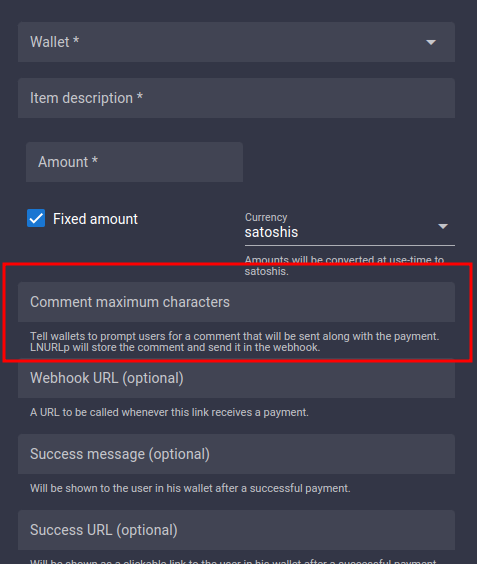
|
||||
@@ -151,11 +150,12 @@ allow-self-payment=1
|
||||
</details>
|
||||
|
||||
<details><summary>Can I configure a name to the payments i make?</summary>
|
||||
<p>In LNbits this is currently not possible to do - but to receive. This is only possible if the sender's LN wallet supports <a href="https://github.com/lnurl/luds">LUD-18</a> (nameDesc) like e.g. <a href="https://darthcoin.substack.com/p/obw-open-bitcoin-wallet">Open Bitcoin Wallet - OBW</a> does. You will then see an alias/pseudonym in the details section of your LNbits transactions (click the arrows). Note that you can give any name there and it might not be related to the real sender´s name(!) if your receive such.</p>
|
||||
<p>In LNbits this is currently not possible to do - but to receive. This is only possible if the sender's LN wallet supports <a href="https://github.com/lnurl/luds">LUD-18</a> (nameDesc) like e.g. <a href="https://darthcoin.substack.com/p/obw-open-bitcoin-wallet">Open Bitcion Wallet - OBW</a> does. You will then see an alias/pseudonym in the details section of your LNbits transactions (click the arrows). Note that you can give any name there and it might not be related to the real sender´s name(!) if your receive such.</p>
|
||||
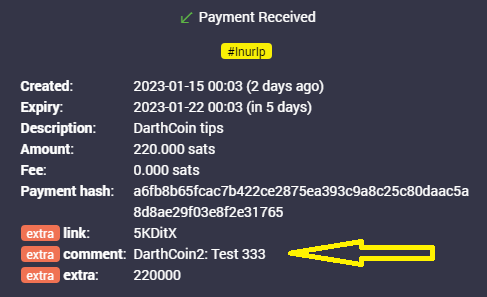
|
||||
</p>
|
||||
</details>
|
||||
|
||||
|
||||
<details><summary>How can I use a LNbits lndhub account in other wallet apps?</summary>
|
||||
<p>Open your LNbits with the account / wallet you want to use, go to "manage extensions" and activate the <a href="https://github.com/lnbits/lndhub">LNDHUB extension</a>.</p>
|
||||
<p>Then open the LNDHUB extension, choose the wallet you want to use and scan the QR code you want to use: "admin" or "invoice only", depending on the security level you want for that wallet.</p>
|
||||
@@ -166,7 +166,6 @@ allow-self-payment=1
|
||||
</ul>
|
||||
|
||||
## Building hardware tools
|
||||
|
||||
<ul> <p>LNbits has all sorts of open APIs and tools to program and connect to a lot of different devices for a gazillion of use-cases. Let us know what you did with it ! Come to the <a href="https://t.me/makerbits">Makerbits Telegram Group</a> if you are interested in building or if you need help with a project - we got you!</p>
|
||||
|
||||
<details><summary>ATM - deposit and withdraw in your shop or at your meetup</summary>
|
||||
@@ -217,7 +216,6 @@ allow-self-payment=1
|
||||
</ul>
|
||||
|
||||
## Use cases of LNbits
|
||||
|
||||
<ul><details><summary>Merchant</summary>
|
||||
<p>LNbits is a powerful solution for merchants, due to the easy setup with various extensions, that can be used for many scenarios.</p>
|
||||
<p><a href="https://darthcoin.substack.com/p/lnbits-for-small-merchants">Here is an overview of the LNbits tools available for a small restaurant as well as a hotel</a></p>
|
||||
@@ -264,7 +262,6 @@ allow-self-payment=1
|
||||
</ul>
|
||||
|
||||
## Developing for LNbits
|
||||
|
||||
<ul>
|
||||
<li><a href="https://docs.lnbits.org/devs/development.html">Making extensions / How to use Websockets / API reference</a></li>
|
||||
<li><a href="https://t.me/lnbits">Telegram LNbits Support Group</a></li></ul>
|
||||
|
||||
@@ -1,29 +1,19 @@
|
||||
---
|
||||
layout: default
|
||||
title: FastAPI extension upgrade
|
||||
nav_order: 1
|
||||
---
|
||||
|
||||
## Defining a route with path parameters
|
||||
|
||||
**old:**
|
||||
|
||||
```python
|
||||
# with <>
|
||||
@offlineshop_ext.route("/lnurl/<item_id>", methods=["GET"])
|
||||
```
|
||||
|
||||
**new:**
|
||||
|
||||
```python
|
||||
# with curly braces: {}
|
||||
@offlineshop_ext.get("/lnurl/{item_id}")
|
||||
```
|
||||
|
||||
## Check if a user exists and access user object
|
||||
|
||||
**old:**
|
||||
|
||||
```python
|
||||
# decorators
|
||||
@check_user_exists()
|
||||
@@ -34,18 +24,14 @@ async def do_routing_stuff():
|
||||
**new:**
|
||||
If user doesn't exist, `Depends(check_user_exists)` will raise an exception.
|
||||
If user exists, `user` will be the user object
|
||||
|
||||
```python
|
||||
# depends calls
|
||||
@core_html_routes.get("/my_route")
|
||||
async def extensions(user: User = Depends(check_user_exists)):
|
||||
pass
|
||||
```
|
||||
|
||||
## Returning data from API calls
|
||||
|
||||
**old:**
|
||||
|
||||
```python
|
||||
return (
|
||||
{
|
||||
@@ -56,11 +42,9 @@ return (
|
||||
HTTPStatus.OK,
|
||||
)
|
||||
```
|
||||
|
||||
FastAPI returns `HTTPStatus.OK` by default id no Exception is raised
|
||||
|
||||
**new:**
|
||||
|
||||
```python
|
||||
return {
|
||||
"id": wallet.wallet.id,
|
||||
@@ -70,7 +54,6 @@ return {
|
||||
```
|
||||
|
||||
To change the default HTTPStatus, add it to the path decorator
|
||||
|
||||
```python
|
||||
@core_app.post("/api/v1/payments", status_code=HTTPStatus.CREATED)
|
||||
async def payments():
|
||||
@@ -78,9 +61,7 @@ async def payments():
|
||||
```
|
||||
|
||||
## Raise exceptions
|
||||
|
||||
**old:**
|
||||
|
||||
```python
|
||||
return (
|
||||
{"message": f"Failed to connect to {domain}."},
|
||||
@@ -93,7 +74,6 @@ abort(HTTPStatus.INTERNAL_SERVER_ERROR, "Could not process withdraw LNURL.")
|
||||
**new:**
|
||||
|
||||
Raise an exception to return a status code other than the default status code.
|
||||
|
||||
```python
|
||||
raise HTTPException(
|
||||
status_code=HTTPStatus.BAD_REQUEST,
|
||||
@@ -102,9 +82,7 @@ raise HTTPException(
|
||||
```
|
||||
|
||||
## Extensions
|
||||
|
||||
**old:**
|
||||
|
||||
```python
|
||||
from quart import Blueprint
|
||||
|
||||
@@ -114,7 +92,6 @@ amilk_ext: Blueprint = Blueprint(
|
||||
```
|
||||
|
||||
**new:**
|
||||
|
||||
```python
|
||||
from fastapi import APIRouter
|
||||
from lnbits.jinja2_templating import Jinja2Templates
|
||||
@@ -137,12 +114,9 @@ offlineshop_rndr = template_renderer([
|
||||
```
|
||||
|
||||
## Possible optimizations
|
||||
|
||||
### Use Redis as a cache server
|
||||
|
||||
Instead of hitting the database over and over again, we can store a short lived object in [Redis](https://redis.io) for an arbitrary key.
|
||||
Example:
|
||||
|
||||
- Get transactions for a wallet ID
|
||||
- User data for a user id
|
||||
- Wallet data for a Admin / Invoice key
|
||||
* Get transactions for a wallet ID
|
||||
* User data for a user id
|
||||
* Wallet data for a Admin / Invoice key
|
||||
@@ -1,85 +0,0 @@
|
||||
---
|
||||
layout: default
|
||||
title: Wallet comparison
|
||||
nav_order: 1
|
||||
---
|
||||
|
||||
<a href="https://lnbits.com" target="_blank" rel="noopener noreferrer">
|
||||
<picture>
|
||||
<source media="(prefers-color-scheme: dark)" srcset="https://i.imgur.com/QE6SIrs.png">
|
||||
<img src="https://i.imgur.com/fyKPgVT.png" alt="LNbits" style="width:300px">
|
||||
</picture>
|
||||
</a>
|
||||
|
||||

|
||||

|
||||
[<img src="https://img.shields.io/badge/community_chat-Telegram-24A1DE">](https://t.me/lnbits)
|
||||
[<img src="https://img.shields.io/badge/supported_by-%3E__OpenSats-f97316">](https://opensats.org)
|
||||
|
||||
# Backend Wallet Comparison Table
|
||||
|
||||
LNbits lets you choose **how your wallets are funded** — from fully self-custodial nodes to simple hosted services. You can switch the funding source **without touching your apps, users, or extensions**. That means you can start fast, learn, and later upgrade to more control and privacy when you are ready.
|
||||
|
||||
**Why this matters**
|
||||
|
||||
- **Flexibility:** Pick the backend that fits your skills and constraints today, change it later with minimal friction.
|
||||
- **Speed to ship:** Use a hosted option to get live quickly; move to a node when you need more control.
|
||||
- **Scalability:** Match cost and maintenance to your stage — from hobby to production.
|
||||
- **Privacy and compliance:** Choose between self-custody and provider-managed options depending on your requirements.
|
||||
|
||||
Below is a side-by-side comparison of Lightning funding sources you can use with LNbits.
|
||||
|
||||
> [!NOTE]
|
||||
> “Backend Wallet” and “Funding Source” mean the same thing — the wallet or service that funds your LNbits.
|
||||
|
||||
## LNbits Lightning Network Funding Sources Comparison Table
|
||||
|
||||
| **Funding Source** | **Custodial Type** | **KYC Required** | **Technical Knowledge Needed** | **Node Hosting Required** | **Privacy Level** | **Liquidity Management** | **Ease of Setup** | **Maintenance Effort** | **Cost Implications** | **Scalability** | **Notes** |
|
||||
| ------------------------------ | ------------------------ | ------------------- | ------------------------------ | ------------------------- | ----------------- | ------------------------ | ----------------- | ---------------------- | -------------------------------------------- | --------------- | ------------------------------------------------------------------------------------------ |
|
||||
| **LND (gRPC)** | Self-custodial | ❌ | Higher | ✅ | High | Manual | Moderate | High | Infrastructure cost and channel opening fees | High | gRPC interface for LND; suitable for advanced integrations. |
|
||||
| **CoreLightning (CLN)** | Self-custodial | ❌ | Higher | ✅ | High | Manual | Moderate | High | Infrastructure cost and channel opening fees | High | Requires setting up and managing your own CLN node. |
|
||||
| **Phoenixd** | Self-custodial | ❌ | Medium | ❌ | Medium | Automatic | Moderate | Low | Minimal fees | Medium | Mobile wallet backend; suitable for mobile integrations. |
|
||||
| **Nostr Wallet Connect (NWC)** | Custodial | Depends on provider | Low | ❌ | Variable | Provider-managed | Easy | Low | May incur fees | Medium | Connects via Nostr protocol; depends on provider's policies. |
|
||||
| **Boltz** | Self-custodial | ❌ | Medium | ❌ | Medium | Provider-managed | Moderate | Moderate | Minimal fees | Medium | Uses submarine swaps; connects to Boltz client. |
|
||||
| **LND (REST)** | Self-custodial | ❌ | Higher | ✅ | High | Manual | Moderate | High | Infrastructure cost and channel opening fees | High | REST interface for LND; suitable for web integrations. |
|
||||
| **CoreLightning REST** | Self-custodial | ❌ | Higher | ✅ | High | Manual | Moderate | High | Infrastructure cost and channel opening fees | High | REST interface for CLN; suitable for web integrations. |
|
||||
| **LNbits (another instance)** | Custodial | Depends on host | Low | ❌ | Variable | Provider-managed | Easy | Low | May incur hosting fees | Medium | Connects to another LNbits instance; depends on host's policies. |
|
||||
| **Alby** | Custodial | ✅ | Low | ❌ | Low | Provider-managed | Easy | Low | Transaction fees apply | Medium | Browser extension wallet; suitable for web users. |
|
||||
| **Breez SDK** | Self-custodial | ❌ | Medium | ❌ | High | Automatic | Moderate | Low | Minimal fees | Medium | SDK for integrating Breez wallet functionalities. |
|
||||
| **OpenNode** | Custodial | ✅ | Low | ❌ | Low | Provider-managed | Easy | Low | Transaction fees apply | Medium | Third-party service; suitable for merchants. |
|
||||
| **Blink** | Custodial | ✅ | Low | ❌ | Low | Provider-managed | Easy | Low | Transaction fees apply | Medium | Third-party service; focuses on mobile integrations. |
|
||||
| **ZBD** | Custodial | ✅ | Low | ❌ | Low | Provider-managed | Easy | Low | Transaction fees apply | Medium | Gaming-focused payment platform. |
|
||||
| **Spark (CLN)** | Self-custodial | ❌ | Higher | ✅ | High | Manual | Moderate | High | Infrastructure cost and channel opening fees | High | Web interface for CLN; requires Spark server setup. |
|
||||
| **Cliche Wallet** | Self-custodial | ❌ | Medium | ❌ | Medium | Manual | Moderate | Moderate | Minimal fees | Medium | Lightweight wallet; suitable for embedded systems. |
|
||||
| **Strike** | Custodial | ✅ | Low | ❌ | Low | Provider-managed | Easy | Low | Transaction fees apply | Medium | Third-party service; suitable for quick setups. |
|
||||
| **LNPay** | Custodial | ✅ | Low | ❌ | Low | Provider-managed | Easy | Low | Transaction fees apply | Medium | Third-party service; suitable for quick setups. |
|
||||
| **Eclair (ACINQ)** | Self-custodial | ❌ | Higher | ✅ | High | Manual | Moderate | High | Infrastructure cost and channel opening fees | High | Connects via API; you run and manage your Eclair node. |
|
||||
| **LN.tips** | Custodial/Self-Custodial | Depends on provider | Medium | ❌ | Low | Provider-managed | Moderate | Low | Transaction fees may apply | Medium | Simple hosted service; use LN.tips API as your backend. |
|
||||
| **Fake Wallet** | Testing (simulated) | ❌ | Low | ❌ | N/A | N/A | Easy | Low | None (test only) | N/A | For testing only; mints accounting units in LNbits (no real sats, unit name configurable). |
|
||||
|
||||
---
|
||||
|
||||
### Notes for readers
|
||||
|
||||
- These are typical characteristics; your exact experience may vary by configuration and provider policy.
|
||||
- Pick based on your constraints: compliance (KYC), privacy, ops effort, and time-to-ship.
|
||||
|
||||
---
|
||||
|
||||
## Additional Guides
|
||||
|
||||
- **[Admin UI](./admin_ui.md)** — Manage server settings via a clean UI (avoid editing `.env` by hand).
|
||||
- **[User Roles](./User_Roles.md)** — Quick Overview of existing Roles in LNBits.
|
||||
- **[Funding sources](./funding-sources_table.md)** — What’s available and how to enable/configure each.
|
||||
|
||||
## Powered by LNbits
|
||||
|
||||
LNbits empowers everyone with modular, open-source tools for building Bitcoin-based systems — fast, free, and extendable.
|
||||
|
||||
If you like this project, [send some tip love](https://demo.lnbits.com/tipjar/DwaUiE4kBX6mUW6pj3X5Kg) or visit our [Shop](https://shop.lnbits.de)
|
||||
|
||||
[](https://shop.lnbits.com/)
|
||||
[](https://shop.lnbits.com/)
|
||||
[](https://my.lnbits.com/login)
|
||||
[](https://news.lnbits.com/)
|
||||
[](https://extensions.lnbits.com/)
|
||||
+172
-547
@@ -1,277 +1,83 @@
|
||||
---
|
||||
layout: default
|
||||
title: Installation
|
||||
nav_order: 1
|
||||
title: Basic installation
|
||||
nav_order: 2
|
||||
---
|
||||
|
||||
<a href="https://lnbits.com" target="_blank" rel="noopener noreferrer">
|
||||
<picture>
|
||||
<source media="(prefers-color-scheme: dark)" srcset="https://i.imgur.com/QE6SIrs.png">
|
||||
<img src="https://i.imgur.com/fyKPgVT.png" alt="LNbits" style="width:300px">
|
||||
</picture>
|
||||
</a>
|
||||
|
||||
   [](https://extensions.lnbits.com/) [<img src="https://img.shields.io/badge/community_chat-Telegram-24A1DE">](https://t.me/lnbits) <img src="https://img.shields.io/badge/supported_by-%3E__OpenSats-f97316">
|
||||
|
||||
# Basic installation
|
||||
|
||||
> [!NOTE]
|
||||
> **Default DB:** LNbits uses SQLite by default (simple & effective). You can switch to PostgreSQL — see the section below.
|
||||
You can choose between four package managers, `poetry` and `nix`
|
||||
|
||||
## Table of contents
|
||||
By default, LNbits will use SQLite as its database. You can also use PostgreSQL which is recommended for applications with a high load (see guide below).
|
||||
|
||||
- [Option 1: AppImage (Linux)](#option-1-appimage-linux)
|
||||
- [Option 2: UV (recommended for developers)](#option-2-uv-recommended-for-developers)
|
||||
- [Option 2a (Legacy): Poetry — Replaced by UV](#option-2a-legacy-poetry--replaced-by-uv)
|
||||
- [Option 3: Install script (Debian/Ubuntu)](#option-3-install-script-debianubuntu)
|
||||
- [Option 4: Nix](#option-4-nix)
|
||||
- [Option 5: Docker](#option-5-docker)
|
||||
- [Option 6: Fly.io](#option-6-flyio)
|
||||
- [Troubleshooting](#troubleshooting)
|
||||
- [Optional: PostgreSQL database](#optional-postgresql-database)
|
||||
- [Using LNbits](#using-lnbits)
|
||||
- [Additional guides](#additional-guides)
|
||||
- [Update LNbits (all methods)](#update-lnbits-all-methods)
|
||||
- [SQLite → PostgreSQL migration](#sqlite--postgresql-migration)
|
||||
- [LNbits as a systemd service](#lnbits-as-a-systemd-service)
|
||||
- [Reverse proxy with automatic HTTPS (Caddy)](#reverse-proxy-with-automatic-https-caddy)
|
||||
- [Apache2 reverse proxy over HTTPS](#apache2-reverse-proxy-over-https)
|
||||
- [Nginx reverse proxy over HTTPS](#nginx-reverse-proxy-over-https)
|
||||
- [HTTPS without a reverse proxy (self-signed)](#https-without-a-reverse-proxy-self-signed)
|
||||
- [LNbits on Umbrel behind Tor](#lnbits-on-umbrel-behind-tor)
|
||||
- [FreeBSD notes](#freebsd-notes)
|
||||
## Option 1 (recommended): poetry
|
||||
|
||||
## Option 1: AppImage (Linux)
|
||||
|
||||
**Quickstart**
|
||||
|
||||
1. Download latest AppImage from [releases](https://github.com/lnbits/lnbits/releases) **or** run:
|
||||
|
||||
```sh
|
||||
sudo apt-get install jq libfuse2
|
||||
wget $(curl -s https://api.github.com/repos/lnbits/lnbits/releases/latest | jq -r '.assets[] | select(.name | endswith(".AppImage")) | .browser_download_url') -O LNbits-latest.AppImage
|
||||
chmod +x LNbits-latest.AppImage
|
||||
LNBITS_ADMIN_UI=true HOST=0.0.0.0 PORT=5000 ./LNbits-latest.AppImage # most system settings are now in the admin UI, but pass additional .env variables here
|
||||
```
|
||||
|
||||
- LNbits will create a folder for DB and extension files **in the same directory** as the AppImage.
|
||||
|
||||
> [!NOTE]
|
||||
> **Next steps**
|
||||
> Install complete → **[Running LNbits](#run-the-server)**
|
||||
> Update LNBits → **[Update LNbits (all methods)](#update-lnbits-all-methods)**
|
||||
|
||||
## Option 2: UV (recommended for developers)
|
||||
|
||||
> [!IMPORTANT]
|
||||
> **It is recommended to use the latest version of UV & Make sure you have Python version 3.12 installed.**
|
||||
|
||||
### Verify Python
|
||||
|
||||
```sh
|
||||
python3 --version
|
||||
```
|
||||
|
||||
### Install UV
|
||||
|
||||
```sh
|
||||
curl -LsSf https://astral.sh/uv/install.sh | sh
|
||||
export PATH="$HOME/.local/bin:$PATH"
|
||||
```
|
||||
|
||||
### Install LNbits
|
||||
Mininum poetry version has is ^1.2, but it is recommended to use latest poetry. (including OSX)
|
||||
|
||||
```sh
|
||||
git clone https://github.com/lnbits/lnbits.git
|
||||
cd lnbits
|
||||
git checkout main
|
||||
uv sync --all-extras
|
||||
|
||||
cp .env.example .env
|
||||
# Optional: set funding source and other options in .env (e.g., `nano .env`)
|
||||
```
|
||||
# for making sure python 3.9 is installed, skip if installed. To check your installed version: python3 --version
|
||||
sudo apt update
|
||||
sudo apt install software-properties-common
|
||||
sudo add-apt-repository ppa:deadsnakes/ppa
|
||||
sudo apt install python3.9 python3.9-distutils
|
||||
|
||||
### Run the server
|
||||
|
||||
```sh
|
||||
uv run lnbits
|
||||
# To change port/host: uv run lnbits --port 9000 --host 0.0.0.0
|
||||
# Add --debug to the command above and set DEBUG=true in .env for verbose output
|
||||
```
|
||||
|
||||
### LNbits CLI
|
||||
|
||||
```sh
|
||||
# Useful for superuser ID, updating extensions, etc.
|
||||
uv run lnbits-cli --help
|
||||
```
|
||||
|
||||
### Update LNbits
|
||||
|
||||
```sh
|
||||
cd lnbits
|
||||
# Stop LNbits with Ctrl + X or your service manager
|
||||
# sudo systemctl stop lnbits
|
||||
|
||||
# Update code
|
||||
git pull --rebase
|
||||
|
||||
uv sync --all-extras
|
||||
uv run lnbits
|
||||
```
|
||||
|
||||
#### Use Admin UI → Extensions → "Update All" to bring extensions up to the proper level
|
||||
|
||||
> [!NOTE]
|
||||
> **Next steps**
|
||||
> Install complete → **[Running LNbits](#run-the-server)**
|
||||
> Update LNBits → **[Update LNbits (all methods)](#update-lnbits-all-methods)**
|
||||
|
||||
## Option 2a (Legacy): Poetry — _Replaced by UV_
|
||||
|
||||
<details>
|
||||
<summary><strong>Poetry install and update (legacy workflow)</summary>
|
||||
|
||||
This legacy section is preserved for older environments.
|
||||
**UV is the recommended (and faster) tool** for new installs. Use Poetry only if you have personal preferences or must support an older workflow.
|
||||
|
||||
> 
|
||||
> **It is recommended to use the latest version of Poetry & Make sure you have Python version 3.12 installed.**
|
||||
|
||||
### Verify Python version
|
||||
|
||||
```sh
|
||||
python3 --version
|
||||
```
|
||||
|
||||
### Install Poetry
|
||||
|
||||
```sh
|
||||
# If path 'export PATH="$HOME/.local/bin:$PATH"' fails, use the path echoed by the install
|
||||
curl -sSL https://install.python-poetry.org | python3 - && export PATH="$HOME/.local/bin:$PATH"
|
||||
```
|
||||
|
||||
### Install LNbits
|
||||
|
||||
```sh
|
||||
git clone https://github.com/lnbits/lnbits.git
|
||||
cd lnbits
|
||||
poetry env use 3.12
|
||||
git checkout main
|
||||
curl -sSL https://install.python-poetry.org | python3 -
|
||||
# Once the above poetry install is completed, use the installation path printed to terminal and replace in the following command
|
||||
export PATH="/home/user/.local/bin:$PATH"
|
||||
# Next command, you can exchange with python3.10 or newer versions.
|
||||
# Identify your version with python3 --version and specify in the next line
|
||||
# command is only needed when your default python is not ^3.9 or ^3.10
|
||||
poetry env use python3.9
|
||||
poetry install --only main
|
||||
|
||||
mkdir data
|
||||
cp .env.example .env
|
||||
# Optional: to set funding source amongst other options via the env `nano .env`
|
||||
# set funding source amongst other options
|
||||
nano .env
|
||||
```
|
||||
|
||||
#### Running the server
|
||||
|
||||
```sh
|
||||
poetry run lnbits
|
||||
# To change port/host: poetry run lnbits --port 9000 --host 0.0.0.0
|
||||
# Add --debug to help troubleshooting (also set DEBUG=true in .env)
|
||||
# To change port/host pass 'poetry run lnbits --port 9000 --host 0.0.0.0'
|
||||
# adding --debug in the start-up command above to help your troubleshooting and generate a more verbose output
|
||||
# Note that you have to add the line DEBUG=true in your .env file, too.
|
||||
```
|
||||
|
||||
#### LNbits CLI
|
||||
|
||||
```sh
|
||||
# A very useful terminal client for getting the superuser ID, updating extensions, etc.
|
||||
poetry run lnbits-cli --help
|
||||
```
|
||||
|
||||
#### Updating the server
|
||||
|
||||
```sh
|
||||
```
|
||||
cd lnbits
|
||||
# Stop LNbits with Ctrl + X or with your service manager
|
||||
# sudo systemctl stop lnbits
|
||||
|
||||
# Update LNbits
|
||||
git pull --rebase
|
||||
|
||||
# Check your Poetry Python version
|
||||
poetry env list
|
||||
# If version is less than 3.12, update it:
|
||||
poetry env use python3.12
|
||||
poetry env remove python3.X
|
||||
poetry env list
|
||||
|
||||
# Reinstall and start
|
||||
# Stop LNbits with `ctrl + x`
|
||||
git pull
|
||||
# Keep your poetry install up to date, this can be done with `poetry self update`
|
||||
poetry install --only main
|
||||
poetry run lnbits
|
||||
# Start LNbits with `poetry run lnbits`
|
||||
```
|
||||
|
||||
#### Use Admin UI → Extensions → "Update All" to bring extensions up to the proper level
|
||||
|
||||
> 
|
||||
> **Next steps**
|
||||
> Install complete → **[Running LNbits](#run-the-server)**
|
||||
> Update LNBits → **[Update LNbits (all methods)](#update-lnbits-all-methods)**
|
||||
|
||||
</details>
|
||||
|
||||
## Option 3: Install script (Debian/Ubuntu)
|
||||
|
||||
<details>
|
||||
<summary><strong>Show install script</strong> (one-line setup)</summary>
|
||||
|
||||
```sh
|
||||
wget https://raw.githubusercontent.com/lnbits/lnbits/main/lnbits.sh &&
|
||||
chmod +x lnbits.sh &&
|
||||
./lnbits.sh
|
||||
```
|
||||
|
||||
- You can use `./lnbits.sh` to run, but for more control: `cd lnbits` and use `uv run lnbits` (see Option 2).
|
||||
|
||||
> 
|
||||
> **Next steps**
|
||||
> Install complete → **[Running LNbits](#run-the-server)**
|
||||
> Update LNBits → **[Update LNbits (all methods)](#update-lnbits-all-methods)**
|
||||
|
||||
</details>
|
||||
|
||||
## Option 4: Nix
|
||||
|
||||
<details>
|
||||
<summary><strong>Show Nix instructions</strong> (flakes, cachix, run)</summary>
|
||||
## Option 2: Nix
|
||||
|
||||
```sh
|
||||
# Install nix. If you have installed via another manager, remove and use this install (from https://nixos.org/download)
|
||||
sh <(curl --proto '=https' --tlsv1.2 -L https://nixos.org/nix/install) --daemon --yes
|
||||
sh <(curl -L https://nixos.org/nix/install) --daemon
|
||||
|
||||
# Enable nix-command and flakes experimental features for nix:
|
||||
grep -qxF 'experimental-features = nix-command flakes' /etc/nix/nix.conf || \
|
||||
echo 'experimental-features = nix-command flakes' | sudo tee -a /etc/nix/nix.conf
|
||||
|
||||
# Add user to Nix
|
||||
grep -qxF "trusted-users = root $USER" /etc/nix/nix.conf || \
|
||||
echo "trusted-users = root $USER" | sudo tee -a /etc/nix/nix.conf
|
||||
|
||||
# Restart daemon so changes apply
|
||||
sudo systemctl restart nix-daemon
|
||||
|
||||
# Clone and build LNbits
|
||||
git clone https://github.com/lnbits/lnbits.git
|
||||
cd lnbits
|
||||
|
||||
# Make data directory and persist data/extension folders
|
||||
mkdir data
|
||||
PROJECT_DIR="$(pwd)"
|
||||
{
|
||||
echo "export PYTHONPATH=\"$PROJECT_DIR/ns:\$PYTHONPATH\""
|
||||
echo "export LNBITS_DATA_FOLDER=\"$PROJECT_DIR/data\""
|
||||
echo "export LNBITS_EXTENSIONS_PATH=\"$PROJECT_DIR\""
|
||||
} >> ~/.bashrc
|
||||
grep -qxF '. /nix/var/nix/profiles/default/etc/profile.d/nix-daemon.sh' ~/.bashrc || \
|
||||
echo '. /nix/var/nix/profiles/default/etc/profile.d/nix-daemon.sh' >> ~/.bashrc
|
||||
. ~/.bashrc
|
||||
echo 'experimental-features = nix-command flakes' >> /etc/nix/nix.conf
|
||||
|
||||
# Add cachix for cached binaries
|
||||
nix-env -iA cachix -f https://cachix.org/api/v1/install
|
||||
cachix use lnbits
|
||||
|
||||
# Build LNbits
|
||||
# Clone and build LNbits
|
||||
git clone https://github.com/lnbits/lnbits.git
|
||||
cd lnbits
|
||||
nix build
|
||||
|
||||
mkdir data
|
||||
```
|
||||
|
||||
#### Running the server
|
||||
@@ -283,84 +89,42 @@ nix run
|
||||
Ideally you would set the environment via the `.env` file,
|
||||
but you can also set the env variables or pass command line arguments:
|
||||
|
||||
```sh
|
||||
``` sh
|
||||
# .env variables are currently passed when running, but LNbits can be managed with the admin UI.
|
||||
LNBITS_ADMIN_UI=true ./result/bin/lnbits --port 9000 --host 0.0.0.0
|
||||
LNBITS_ADMIN_UI=true ./result/bin/lnbits --port 9000
|
||||
|
||||
# Once you have created a user, you can set as the super_user
|
||||
SUPER_USER=be54db7f245346c8833eaa430e1e0405 LNBITS_ADMIN_UI=true ./result/bin/lnbits --port 9000
|
||||
```
|
||||
|
||||
> 
|
||||
> **Next steps**
|
||||
> Update LNBits → **[Update LNbits (all methods)](#update-lnbits-all-methods)**
|
||||
|
||||
</details>
|
||||
|
||||
## Option 5: Docker
|
||||
|
||||
<details>
|
||||
<summary><strong>Show Docker instructions</strong> (official image, volumes, extensions)</summary>
|
||||
|
||||
**Use latest image**
|
||||
## Option 3: Docker
|
||||
|
||||
use latest version from docker hub
|
||||
```sh
|
||||
docker pull lnbits/lnbits
|
||||
wget https://raw.githubusercontent.com/lnbits/lnbits/main/.env.example -O .env
|
||||
mkdir data
|
||||
docker run --detach --publish 5000:5000 --name lnbits \
|
||||
--volume ${PWD}/.env:/app/.env \
|
||||
--volume ${PWD}/data/:/app/data \
|
||||
lnbits/lnbits
|
||||
docker run --detach --publish 5000:5000 --name lnbits --volume ${PWD}/.env:/app/.env --volume ${PWD}/data/:/app/data lnbits/lnbits
|
||||
```
|
||||
|
||||
- The LNbits Docker image ships **without any extensions**; by default, any extensions you install are stored **inside the container** and will be **lost** when the container is removed, so you should set `LNBITS_EXTENSIONS_PATH` to a directory that’s **mapped to a persistent host volume** so extensions **survive rebuilds/recreates**—for example:
|
||||
|
||||
```sh
|
||||
docker run ... -e "LNBITS_EXTENSIONS_PATH='/app/data/extensions'" --volume ${PWD}/data/:/app/data ...
|
||||
```
|
||||
|
||||
**Build image yourself**
|
||||
|
||||
build the image yourself
|
||||
```sh
|
||||
git clone https://github.com/lnbits/lnbits.git
|
||||
cd lnbits
|
||||
docker build -t lnbits/lnbits .
|
||||
cp .env.example .env
|
||||
mkdir data
|
||||
docker run --detach --publish 5000:5000 --name lnbits \
|
||||
--volume ${PWD}/.env:/app/.env \
|
||||
--volume ${PWD}/data/:/app/data \
|
||||
lnbits/lnbits
|
||||
docker run --detach --publish 5000:5000 --name lnbits --volume ${PWD}/.env:/app/.env --volume ${PWD}/data/:/app/data lnbits/lnbits
|
||||
```
|
||||
|
||||
You can optionally override the install extras for both **Poetry** and **UV** to include optional features during build or setup:
|
||||
## Option 4: Fly.io
|
||||
|
||||
- with Poetry, pass extras via the `POETRY_INSTALL_ARGS` Docker build-arg (e.g., to enable the **Breez** funding source: `docker build --build-arg POETRY_INSTALL_ARGS="-E breez" -t lnbits/lnbits .`);
|
||||
- with UV, enable extras during environment sync (e.g., locally run `uv sync --extra breez` or `uv sync --all-extras`), and—**if your Dockerfile supports it**—you can mirror the same at build time via a build-arg such as `UV_SYNC_ARGS` (example pattern: `docker build --build-arg UV_SYNC_ARGS="--extra breez" -t lnbits/lnbits .`).
|
||||
Fly.io is a docker container hosting platform that has a generous free tier. You can host LNbits for free on Fly.io for personal use.
|
||||
|
||||
**Enable Breez funding source at build**
|
||||
First, sign up for an account at [Fly.io](https://fly.io) (no credit card required).
|
||||
|
||||
```sh
|
||||
docker build --build-arg POETRY_INSTALL_ARGS="-E breez" -t lnbits/lnbits .
|
||||
```
|
||||
Then, install the Fly.io CLI onto your device [here](https://fly.io/docs/getting-started/installing-flyctl/).
|
||||
|
||||
> 
|
||||
> **Next steps**
|
||||
> Install complete → **[Running LNbits](#run-the-server)**
|
||||
> Update LNBits → **[Update LNbits (all methods)](#update-lnbits-all-methods)**
|
||||
|
||||
</details>
|
||||
|
||||
## Option 6: Fly.io
|
||||
|
||||
<details>
|
||||
<summary><strong>Deploy LNbits on Fly.io (free tier friendly)</summary>
|
||||
|
||||
**Fly.io is a docker container hosting platform that has a generous free tier. You can host LNbits for free on Fly.io for personal use.**
|
||||
|
||||
1. Create an account at [Fly.io](https://fly.io).
|
||||
2. Install the Fly.io CLI ([guide](https://fly.io/docs/getting-started/installing-flyctl/)).
|
||||
After install is complete, the command will output a command you should copy/paste/run to get `fly` into your `$PATH`. Something like:
|
||||
|
||||
```
|
||||
flyctl was installed successfully to /home/ubuntu/.fly/bin/flyctl
|
||||
@@ -369,9 +133,9 @@ Manually add the directory to your $HOME/.bash_profile (or similar)
|
||||
export PATH="$FLYCTL_INSTALL/bin:$PATH"
|
||||
```
|
||||
|
||||
3. You can either run those commands, then `source ~/.bash_profile` or, if you don't, you'll have to call Fly from `~/.fly/bin/flyctl`.
|
||||
You can either run those commands, then `source ~/.bash_profile` or, if you don't, you'll have to call Fly from `~/.fly/bin/flyctl`.
|
||||
|
||||
- Once installed, run the following commands.
|
||||
Once installed, run the following commands.
|
||||
|
||||
```
|
||||
git clone https://github.com/lnbits/lnbits.git
|
||||
@@ -385,16 +149,9 @@ You'll be prompted to enter an app name, region, postgres (choose no), deploy no
|
||||
|
||||
You'll now find a file in the directory called `fly.toml`. Open that file and modify/add the following settings.
|
||||
|
||||
> 
|
||||
> Be sure to replace `${PUT_YOUR_LNBITS_ENV_VARS_HERE}` with all relevant environment variables in `.env` or `.env.example`.
|
||||
> Environment variable strings should be quoted here. For example, if `.env` has
|
||||
> `LNBITS_ENDPOINT=https://demo.lnbits.com`, then in `fly.toml` use
|
||||
> `LNBITS_ENDPOINT="https://demo.lnbits.com"`.
|
||||
Note: Be sure to replace `${PUT_YOUR_LNBITS_ENV_VARS_HERE}` with all relevant environment variables in `.env` or `.env.example`. Environment variable strings should be quoted here, so if in `.env` you have `LNBITS_ENDPOINT=https://legend.lnbits.com` in `fly.toml` you should have `LNBITS_ENDPOINT="https://legend.lnbits.com"`.
|
||||
|
||||
> 
|
||||
> Don't enter secret environment variables here. Fly.io offers **secrets** (via `fly secrets`) that are exposed as env vars at runtime.
|
||||
> Example (LND REST funding source):
|
||||
> `fly secrets set LND_REST_MACAROON=<hex_macaroon_data>`
|
||||
Note: Don't enter secret environment variables here. Fly.io offers secrets (via the `fly secrets` command) that are exposed as environment variables in your runtime. So, for example, if using the LND_REST funding source, you can run `fly secrets set LND_REST_MACAROON=<hex_macaroon_data>`.
|
||||
|
||||
```
|
||||
...
|
||||
@@ -442,56 +199,33 @@ Problems installing? These commands have helped us install LNbits.
|
||||
sudo apt install pkg-config libffi-dev libpq-dev
|
||||
|
||||
# build essentials for debian/ubuntu
|
||||
sudo apt install python3.10-dev gcc build-essential
|
||||
sudo apt install python3.9-dev gcc build-essential
|
||||
|
||||
# if the secp256k1 build fails:
|
||||
# if you used poetry
|
||||
poetry add setuptools wheel
|
||||
```
|
||||
|
||||
> 
|
||||
>
|
||||
> **Next steps**
|
||||
> Install complete → **[Running LNbits](#run-the-server)**
|
||||
> Update LNbits → **[Update LNbits (all methods)](#update-lnbits-all-methods)**
|
||||
### Optional: PostgreSQL database
|
||||
|
||||
## Troubleshooting
|
||||
If you want to use LNbits at scale, we recommend using PostgreSQL as the backend database. Install Postgres and setup a database for LNbits:
|
||||
|
||||
```sh
|
||||
sudo apt install pkg-config libffi-dev libpq-dev
|
||||
# on debian/ubuntu 'sudo apt-get -y install postgresql'
|
||||
# or follow instructions at https://www.postgresql.org/download/linux/
|
||||
|
||||
# build essentials (Debian/Ubuntu)
|
||||
sudo apt install python3.10-dev gcc build-essential
|
||||
|
||||
# if secp256k1 build fails and you used poetry
|
||||
poetry add setuptools wheel
|
||||
```
|
||||
|
||||
</details>
|
||||
|
||||
</details>
|
||||
|
||||
## Optional: PostgreSQL database
|
||||
|
||||
> [!TIP]
|
||||
> If you want to use LNbits at scale, we recommend using PostgreSQL as the backend database. Install Postgres and set up a database for LNbits.
|
||||
|
||||
```sh
|
||||
# Debian/Ubuntu: sudo apt-get -y install postgresql
|
||||
# or see https://www.postgresql.org/download/linux/
|
||||
|
||||
# Create a password for the postgres user
|
||||
# Postgres doesn't have a default password, so we'll create one.
|
||||
sudo -i -u postgres
|
||||
psql
|
||||
# in psql
|
||||
ALTER USER postgres PASSWORD 'myPassword';
|
||||
# on psql
|
||||
ALTER USER postgres PASSWORD 'myPassword'; # choose whatever password you want
|
||||
\q
|
||||
# back as postgres user
|
||||
# on postgres user
|
||||
createdb lnbits
|
||||
exit
|
||||
```
|
||||
|
||||
**Configure LNbits**
|
||||
You need to edit the `.env` file.
|
||||
|
||||
```sh
|
||||
# add the database connection string to .env 'nano .env' LNBITS_DATABASE_URL=
|
||||
@@ -502,189 +236,46 @@ LNBITS_DATABASE_URL="postgres://postgres:postgres@localhost:5432/lnbits"
|
||||
|
||||
# Using LNbits
|
||||
|
||||
Visit **[http://localhost:5000/](http://localhost:5000/)** (or `0.0.0.0:5000`).
|
||||
Now you can visit your LNbits at http://localhost:5000/.
|
||||
|
||||
### Option A — First-run setup in the Browser (UI)
|
||||
Now modify the `.env` file with any settings you prefer and add a proper [funding source](./wallets.md) by modifying the value of `LNBITS_BACKEND_WALLET_CLASS` and providing the extra information and credentials related to the chosen funding source.
|
||||
|
||||
1. On the **first start**, LNbits will **prompt you to Setup a SuperUser**.
|
||||
2. After creating it, you’ll be **redirected to the Admin UI as SuperUser**.
|
||||
3. In the Admin UI, **set your funding source** (backend wallet) and other preferences.
|
||||
4. **Restart LNbits** if prompted or after changing critical settings.
|
||||
Then you can restart it and it will be using the new settings.
|
||||
|
||||
> [!IMPORTANT]
|
||||
> Use the **SuperUser only** for initial setup and instance settings (funding source, configuration, Topup).
|
||||
> For maintenance, create a separate **Admin** account. For everyday usage (payments, wallets, etc.), **do not use the SuperUser** — use admin or regular user accounts instead. Its a bad behaviour.
|
||||
> Read more about [SuperUser](./super_user.md) and [Admin UI](./admin_ui.md)
|
||||
You might also need to install additional packages or perform additional setup steps, depending on the chosen backend. See [the short guide](./wallets.md) on each different funding source.
|
||||
|
||||
### Option B — Configure via `.env`
|
||||
Take a look at [Polar](https://lightningpolar.com/) for an excellent way of spinning up a Lightning Network dev environment.
|
||||
|
||||
1. Edit your `.env` with preferred settings (funding, base URL, etc.).
|
||||
2. Set a funding source by configuring:
|
||||
- `LNBITS_BACKEND_WALLET_CLASS`
|
||||
- plus the required credentials for your chosen backend (see **[wallets.md](./wallets.md)**).
|
||||
|
||||
3. **Restart LNbits** to apply changes.
|
||||
|
||||
---
|
||||
|
||||
> [!NOTE]
|
||||
> **Paths overview**
|
||||
>
|
||||
> - **SuperUser file:** `<lnbits_root>/data/.super_user`
|
||||
> Example: `~/lnbits/data/.super_user` • View: `cat ~/lnbits/data/.super_user`
|
||||
> - **Environment file:** `<lnbits_root>/.env` (for bare-metal installs)
|
||||
> - **Docker:** bind a host directory to `/app/data`.
|
||||
> On the host the SuperUser file is at `<host_data_dir>/.super_user`.
|
||||
> The container reads `/app/.env` (usually bind-mounted from your project root).
|
||||
|
||||
> [!TIP]
|
||||
> **Local Lightning test network**
|
||||
> Use **Polar** to spin up a safe local Lightning environment and test LNbits without touching your live setup.
|
||||
> https://lightningpolar.com/
|
||||
|
||||
> [!TIP]
|
||||
> **API comparison before updates**
|
||||
> Use **TableTown** to diff your LNbits instance against another (dev vs prod) or the upstream dev branch. Spot endpoint changes before updating.
|
||||
> Crafted by [Arbadacarbayk](https://github.com/arbadacarbaYK) - a standout contribution that makes pre-release reviews fast and reliable.
|
||||
> https://arbadacarbayk.github.io/LNbits_TableTown/
|
||||
|
||||
# Additional guides
|
||||
|
||||
## Update LNbits (all methods)
|
||||
## SQLite to PostgreSQL migration
|
||||
If you already have LNbits installed and running, on an SQLite database, we **highly** recommend you migrate to postgres if you are planning to run LNbits on scale.
|
||||
|
||||
> After updating, open **Admin UI → Extensions → “Update All”** to make sure extensions match the core version.
|
||||
|
||||
<details>
|
||||
<summary><strong>UV (recommended)</strong></summary>
|
||||
|
||||
```sh
|
||||
cd lnbits
|
||||
git pull --rebase
|
||||
uv sync --all-extras
|
||||
# restart (dev)
|
||||
uv run lnbits
|
||||
```
|
||||
|
||||
</details>
|
||||
|
||||
<details>
|
||||
<summary><strong>Poetry (legacy)</strong></summary>
|
||||
|
||||
```sh
|
||||
cd lnbits
|
||||
git pull --rebase
|
||||
# Optional: ensure Python 3.12
|
||||
poetry env list
|
||||
poetry env use python3.12
|
||||
poetry install --only main
|
||||
# restart (dev)
|
||||
poetry run lnbits
|
||||
```
|
||||
|
||||
</details>
|
||||
|
||||
<details>
|
||||
<summary><strong>AppImage</strong></summary>
|
||||
|
||||
Download the latest AppImage from Releases and replace your old file **in the same directory** to keep the `./data` folder (DB, extensions).
|
||||
|
||||
</details>
|
||||
|
||||
<details>
|
||||
<summary><strong>Install script (Debian/Ubuntu)</strong></summary>
|
||||
|
||||
```sh
|
||||
# If you installed via lnbits.sh:
|
||||
cd lnbits
|
||||
git pull --rebase
|
||||
# then use your chosen runner (UV recommended)
|
||||
uv sync --all-extras
|
||||
uv run lnbits
|
||||
```
|
||||
|
||||
</details>
|
||||
|
||||
<details>
|
||||
<summary><strong>Nix</strong></summary>
|
||||
|
||||
```sh
|
||||
cd lnbits
|
||||
git pull --rebase
|
||||
nix build
|
||||
# restart
|
||||
nix run
|
||||
```
|
||||
|
||||
</details>
|
||||
|
||||
<details>
|
||||
<summary><strong>Docker (official image)</strong></summary>
|
||||
|
||||
```sh
|
||||
docker pull lnbits/lnbits
|
||||
docker stop lnbits && docker rm lnbits
|
||||
docker run --detach --publish 5000:5000 --name lnbits \
|
||||
--volume ${PWD}/.env:/app/.env \
|
||||
--volume ${PWD}/data/:/app/data \
|
||||
lnbits/lnbits
|
||||
```
|
||||
|
||||
</details>
|
||||
|
||||
<details>
|
||||
<summary><strong>Docker (build yourself)</strong></summary>
|
||||
|
||||
```sh
|
||||
cd lnbits
|
||||
git pull --rebase
|
||||
docker build -t lnbits/lnbits .
|
||||
docker stop lnbits && docker rm lnbits
|
||||
docker run --detach --publish 5000:5000 --name lnbits \
|
||||
--volume ${PWD}/.env:/app/.env \
|
||||
--volume ${PWD}/data/:/app/data \
|
||||
lnbits/lnbits
|
||||
```
|
||||
|
||||
</details>
|
||||
|
||||
<details>
|
||||
<summary><strong>Fly.io</strong></summary>
|
||||
|
||||
```sh
|
||||
# If using Dockerfile in repo (recommended)
|
||||
cd lnbits
|
||||
git pull --rebase
|
||||
fly deploy
|
||||
# Logs & shell if needed
|
||||
fly logs
|
||||
fly ssh console
|
||||
```
|
||||
|
||||
</details>
|
||||
|
||||
## SQLite → PostgreSQL migration
|
||||
|
||||
> [!TIP]
|
||||
> If you run on SQLite and plan to scale, migrate to Postgres.
|
||||
There's a script included that can do the migration easy. You should have Postgres already installed and there should be a password for the user (see Postgres install guide above). Additionally, your LNbits instance should run once on postgres to implement the database schema before the migration works:
|
||||
|
||||
```sh
|
||||
# STOP LNbits
|
||||
|
||||
# Edit .env with Postgres URL
|
||||
# add the database connection string to .env 'nano .env' LNBITS_DATABASE_URL=
|
||||
# postgres://<user>:<password>@<host>/<database> - alter line bellow with your user, password and db name
|
||||
LNBITS_DATABASE_URL="postgres://postgres:postgres@localhost/lnbits"
|
||||
# save and exit
|
||||
|
||||
# START then STOP LNbits once to apply schema
|
||||
uv run python tools/conv.py
|
||||
# START LNbits
|
||||
# STOP LNbits
|
||||
poetry run python tools/conv.py
|
||||
# or
|
||||
make migration
|
||||
```
|
||||
|
||||
- Launch LNbits again and verify.
|
||||
Hopefully, everything works and get migrated... Launch LNbits again and check if everything is working properly.
|
||||
|
||||
|
||||
## LNbits as a systemd service
|
||||
|
||||
Create `/etc/systemd/system/lnbits.service`:
|
||||
Systemd is great for taking care of your LNbits instance. It will start it on boot and restart it in case it crashes. If you want to run LNbits as a systemd service on your Debian/Ubuntu/Raspbian server, create a file at `/etc/systemd/system/lnbits.service` with the following content:
|
||||
|
||||
```
|
||||
# Systemd unit for lnbits
|
||||
@@ -692,14 +283,17 @@ Create `/etc/systemd/system/lnbits.service`:
|
||||
|
||||
[Unit]
|
||||
Description=LNbits
|
||||
# Optional: start after your backend
|
||||
# you can uncomment these lines if you know what you're doing
|
||||
# it will make sure that lnbits starts after lnd (replace with your own backend service)
|
||||
#Wants=lnd.service
|
||||
#After=lnd.service
|
||||
|
||||
[Service]
|
||||
# replace with the absolute path of your lnbits installation
|
||||
WorkingDirectory=/home/lnbits/lnbits
|
||||
# Find uv path via `which uv`
|
||||
ExecStart=/home/lnbits/.local/bin/uv run lnbits
|
||||
# same here. run `which poetry` if you can't find the poetry binary
|
||||
ExecStart=/home/lnbits/.local/bin/poetry run lnbits
|
||||
# replace with the user that you're running lnbits on
|
||||
User=lnbits
|
||||
Restart=always
|
||||
TimeoutSec=120
|
||||
@@ -710,47 +304,73 @@ Environment=PYTHONUNBUFFERED=1
|
||||
WantedBy=multi-user.target
|
||||
```
|
||||
|
||||
Enable & start:
|
||||
Save the file and run the following commands:
|
||||
|
||||
```sh
|
||||
sudo systemctl enable lnbits.service
|
||||
sudo systemctl start lnbits.service
|
||||
```
|
||||
|
||||
## Reverse proxy with automatic HTTPS (Caddy)
|
||||
## Reverse proxy with automatic HTTPS using Caddy
|
||||
|
||||
Point your domain A-record to your server IP. Install Caddy: [Caddy install guide](https://caddyserver.com/docs/install#debian-ubuntu-raspbian)
|
||||
Use Caddy to make your LNbits install accessible over clearnet with a domain and https cert.
|
||||
|
||||
```sh
|
||||
Point your domain at the IP of the server you're running LNbits on, by making an `A` record.
|
||||
|
||||
Install Caddy on the server
|
||||
https://caddyserver.com/docs/install#debian-ubuntu-raspbian
|
||||
|
||||
```
|
||||
sudo caddy stop
|
||||
```
|
||||
|
||||
Create a Caddyfile
|
||||
|
||||
```
|
||||
sudo nano Caddyfile
|
||||
```
|
||||
|
||||
Add:
|
||||
Assuming your LNbits is running on port `5000` add:
|
||||
|
||||
```
|
||||
yourdomain.com {
|
||||
handle /api/v1/payments/sse* {
|
||||
reverse_proxy 0.0.0.0:5000 {
|
||||
header_up X-Forwarded-Host yourdomain.com
|
||||
transport http {
|
||||
keepalive off
|
||||
compression off
|
||||
}
|
||||
}
|
||||
}
|
||||
reverse_proxy 0.0.0.0:5000 {
|
||||
header_up X-Forwarded-Host yourdomain.com
|
||||
}
|
||||
}
|
||||
```
|
||||
|
||||
Save (Ctrl+X) and start:
|
||||
Save and exit `CTRL + x`
|
||||
|
||||
```sh
|
||||
```
|
||||
sudo caddy start
|
||||
```
|
||||
|
||||
## Apache2 reverse proxy over HTTPS
|
||||
## Running behind an Apache2 reverse proxy over HTTPS
|
||||
|
||||
Install Apache2 and enable Apache2 mods:
|
||||
|
||||
```sh
|
||||
apt-get install apache2 certbot
|
||||
a2enmod headers ssl proxy proxy_http
|
||||
a2enmod headers ssl proxy proxy-http
|
||||
```
|
||||
|
||||
Create a SSL certificate with LetsEncrypt:
|
||||
|
||||
```sh
|
||||
certbot certonly --webroot --agree-tos --non-interactive --webroot-path /var/www/html -d lnbits.org
|
||||
```
|
||||
|
||||
Create `/etc/apache2/sites-enabled/lnbits.conf`:
|
||||
Create an Apache2 vhost at: `/etc/apache2/sites-enabled/lnbits.conf`:
|
||||
|
||||
```sh
|
||||
cat <<EOF > /etc/apache2/sites-enabled/lnbits.conf
|
||||
@@ -777,20 +397,27 @@ cat <<EOF > /etc/apache2/sites-enabled/lnbits.conf
|
||||
EOF
|
||||
```
|
||||
|
||||
Restart:
|
||||
Restart Apache2:
|
||||
|
||||
```sh
|
||||
service apache2 restart
|
||||
service restart apache2
|
||||
```
|
||||
|
||||
## Nginx reverse proxy over HTTPS
|
||||
## Running behind an Nginx reverse proxy over HTTPS
|
||||
|
||||
Install nginx:
|
||||
|
||||
```sh
|
||||
apt-get install nginx certbot
|
||||
```
|
||||
|
||||
Create a SSL certificate with LetsEncrypt:
|
||||
|
||||
```sh
|
||||
certbot certonly --nginx --agree-tos -d lnbits.org
|
||||
```
|
||||
|
||||
Create `/etc/nginx/sites-enabled/lnbits.org`:
|
||||
Create an nginx vhost at `/etc/nginx/sites-enabled/lnbits.org`:
|
||||
|
||||
```sh
|
||||
cat <<EOF > /etc/nginx/sites-enabled/lnbits.org
|
||||
@@ -805,15 +432,6 @@ server {
|
||||
proxy_set_header X-Forwarded-Host $host;
|
||||
proxy_set_header X-Forwarded-Proto $scheme;
|
||||
|
||||
proxy_set_header X-Real-IP $remote_addr;
|
||||
proxy_set_header X-Forwarded-For $proxy_add_x_forwarded_for;
|
||||
proxy_pass_request_headers on;
|
||||
|
||||
# WebSocket support
|
||||
proxy_http_version 1.1;
|
||||
proxy_set_header Upgrade $http_upgrade;
|
||||
proxy_set_header Connection "Upgrade";
|
||||
|
||||
listen [::]:443 ssl;
|
||||
listen 443 ssl;
|
||||
ssl_certificate /etc/letsencrypt/live/lnbits.org/fullchain.pem;
|
||||
@@ -824,71 +442,78 @@ server {
|
||||
EOF
|
||||
```
|
||||
|
||||
Restart:
|
||||
Restart nginx:
|
||||
|
||||
```sh
|
||||
service nginx restart
|
||||
service restart nginx
|
||||
```
|
||||
|
||||
---
|
||||
## Using https without reverse proxy
|
||||
The most common way of using LNbits via https is to use a reverse proxy such as Caddy, nginx, or ngriok. However, you can also run LNbits via https without additional software. This is useful for development purposes or if you want to use LNbits in your local network.
|
||||
|
||||
## HTTPS without a reverse proxy (self-signed)
|
||||
We have to create a self-signed certificate using `mkcert`. Note that this certificate is not "trusted" by most browsers but that's fine (since you know that you have created it) and encryption is always better than clear text.
|
||||
|
||||
Create a self-signed cert (useful for local/dev). Browsers won’t trust it by default.
|
||||
|
||||
### Install mkcert
|
||||
|
||||
- Install instructions: [mkcert README](https://github.com/FiloSottile/mkcert)
|
||||
- Ubuntu example:
|
||||
#### Install mkcert
|
||||
You can find the install instructions for `mkcert` [here](https://github.com/FiloSottile/mkcert).
|
||||
|
||||
Install mkcert on Ubuntu:
|
||||
```sh
|
||||
sudo apt install libnss3-tools
|
||||
curl -JLO "https://dl.filippo.io/mkcert/latest?for=linux/amd64"
|
||||
chmod +x mkcert-v*-linux-amd64
|
||||
sudo cp mkcert-v*-linux-amd64 /usr/local/bin/mkcert
|
||||
```
|
||||
|
||||
### Create certificate
|
||||
|
||||
**OpenSSL**
|
||||
|
||||
#### Create certificate
|
||||
To create a certificate, first `cd` into your LNbits folder and execute the following command on Linux:
|
||||
```sh
|
||||
openssl req -new -newkey rsa:4096 -x509 -sha256 -days 3650 -nodes -out cert.pem -keyout key.pem
|
||||
```
|
||||
This will create two new files (`key.pem` and `cert.pem `).
|
||||
|
||||
**mkcert** (alternative)
|
||||
|
||||
Alternatively, you can use mkcert ([more info](https://kifarunix.com/how-to-create-self-signed-ssl-certificate-with-mkcert-on-ubuntu-18-04/)):
|
||||
```sh
|
||||
# include your local IP (e.g., 192.x.x.x) if needed
|
||||
# add your local IP (192.x.x.x) as well if you want to use it in your local network
|
||||
mkcert localhost 127.0.0.1 ::1
|
||||
```
|
||||
|
||||
**Run with certs**
|
||||
You can then pass the certificate files to uvicorn when you start LNbits:
|
||||
|
||||
```sh
|
||||
poetry run uvicorn lnbits.__main__:app --host 0.0.0.0 --port 5000 --ssl-keyfile ./key.pem --ssl-certfile ./cert.pem
|
||||
```
|
||||
|
||||
## LNbits on Umbrel behind Tor
|
||||
|
||||
See this community [guide](https://community.getumbrel.com/t/guide-lnbits-without-tor/604).
|
||||
## LNbits running on Umbrel behind Tor
|
||||
|
||||
## FreeBSD notes
|
||||
If you want to run LNbits on your Umbrel but want it to be reached through clearnet, _Uxellodunum_ made an extensive [guide](https://community.getumbrel.com/t/guide-lnbits-without-tor/604) on how to do it.
|
||||
|
||||
Issue with secp256k1 0.14.0 on FreeBSD (thanks @GitKalle):
|
||||
## Docker installation
|
||||
|
||||
1. Install `py311-secp256k1` with `pkg install py311-secp256k1`.
|
||||
2. Change version in `pyproject.toml` from `0.14.0` to `0.13.2`.
|
||||
3. Rewrite `poetry.lock` with `poetry lock`.
|
||||
4. Follow install instructions with Poetry.
|
||||
To install using docker you first need to build the docker image as:
|
||||
|
||||
---
|
||||
```
|
||||
git clone https://github.com/lnbits/lnbits.git
|
||||
cd lnbits
|
||||
docker build -t lnbits-legend .
|
||||
```
|
||||
|
||||
## Powered by LNbits
|
||||
You can launch the docker in a different directory, but make sure to copy `.env.example` from lnbits there
|
||||
|
||||
LNbits empowers everyone with modular, open-source tools for building Bitcoin-based systems — fast, free, and extendable.
|
||||
```
|
||||
cp <lnbits_repo>/.env.example .env
|
||||
```
|
||||
|
||||
If you like this project [send some tip love](https://demo.lnbits.com/tipjar/DwaUiE4kBX6mUW6pj3X5Kg) or visiting our [Shop](https://shop.lnbits.com)
|
||||
and change the configuration in `.env` as required.
|
||||
|
||||
[](https://shop.lnbits.com/)
|
||||
[](https://shop.lnbits.com/) [](https://my.lnbits.com/login) [](https://news.lnbits.com/) [](https://extensions.lnbits.com/)
|
||||
Then create the data directory
|
||||
```
|
||||
mkdir data
|
||||
```
|
||||
|
||||
Then the image can be run as:
|
||||
|
||||
```
|
||||
docker run --detach --publish 5000:5000 --name lnbits-legend -e "LNBITS_BACKEND_WALLET_CLASS='FakeWallet'" --volume ${PWD}/.env:/app/.env --volume ${PWD}/data/:/app/data lnbits-legend
|
||||
```
|
||||
|
||||
Finally you can access your lnbits on your machine at port 5000.
|
||||
|
||||
@@ -1,133 +0,0 @@
|
||||
---
|
||||
layout: default
|
||||
title: Super user
|
||||
nav_order: 1
|
||||
---
|
||||
|
||||
<a href="https://lnbits.com" target="_blank" rel="noopener noreferrer">
|
||||
<picture>
|
||||
<source media="(prefers-color-scheme: dark)" srcset="https://i.imgur.com/QE6SIrs.png">
|
||||
<img src="https://i.imgur.com/fyKPgVT.png" alt="LNbits" style="width:300px">
|
||||
</picture>
|
||||
</a>
|
||||
|
||||

|
||||

|
||||
[<img src="https://img.shields.io/badge/community_chat-Telegram-24A1DE">](https://t.me/lnbits)
|
||||
[<img src="https://img.shields.io/badge/supported_by-%3E__OpenSats-f97316">](https://opensats.org)
|
||||
|
||||
# LNbits Super User (SU)
|
||||
|
||||
**Table of Contents**
|
||||
|
||||
- [What is the Super User?](#what-is-the-super-user)
|
||||
- [When is the Super User created?](#when-is-the-super-user-created)
|
||||
- [Disabeling the Admin UI](#disabeling-the-admin-ui)
|
||||
- [Super User identity and storage](#super-user-identity-and-storage)
|
||||
- [Security model since v1](#security-model-since-v1)
|
||||
- [Admin vs Super User](#admin-vs-super-user)
|
||||
- [Operational guidance](#operational-guidance)
|
||||
- [Additional guides](#additional-guides)
|
||||
|
||||
<details>
|
||||
<summary><strong>TLDR</strong></summary>
|
||||
|
||||
- **No Admin UI → No Super User.** The Super User (SU) exists only when `LNBITS_ADMIN_UI=true`.
|
||||
- **Why SU exists:** SU can do a few high impact actions regular admins cannot, like **changing the funding source**, **restarting the server from the UI**, and **crediting or debiting accounts**.
|
||||
- **Login changes since v1:** Logging in by **user ID** for SU and admins is **disabled**. On first visit after enabling the Admin UI you will be prompted to set a **username and password** for the SU.
|
||||
- **Trust model:** Admins and the SU share about **99 percent of the same powers**, but the SU is the one trusted with funding source control and cannot be demoted by regular admins.
|
||||
|
||||
</details>
|
||||
|
||||
## What is the Super User?
|
||||
|
||||
The **Super User** is the owner-operator account of an LNbits instance. Think of it as your “break glass” operator with a few capabilities that are intentionally reserved for the person ultimately responsible for the server and the funding rails.
|
||||
|
||||
The SU is created alongside the [Admin UI](./admin_ui.md) and is meant to keep enviroment operations pleasant in the UI while keeping the most sensitive knobs in trusted hands.
|
||||
|
||||
**Key SU capabilities**
|
||||
|
||||
- **Change the funding source** for the instance
|
||||
- **Restart the LNbits server** from the web UI
|
||||
- **Credit or debit accounts** for operational corrections
|
||||
|
||||
> Note
|
||||
> These are separated from regular admin tasks on purpose. It helps maintain least privilege and reduces the chance of accidental or malicious changes.
|
||||
|
||||
## Admin vs Super User
|
||||
|
||||
| Capability | Admin | Super User |
|
||||
| ------------------------ | ---------- | ---------- |
|
||||
| View Admin UI | If enabled | If enabled |
|
||||
| Change funding source | — | ✓ |
|
||||
| Credit or debit accounts | — | ✓ |
|
||||
| Restart server from UI | — | ✓ |
|
||||
| Manage users and wallets | ✓ | ✓ |
|
||||
| Instance-level settings | ✓ | ✓ |
|
||||
| Manage notifications | ✓ | ✓ |
|
||||
| Exchange rates | ✓ | ✓ |
|
||||
| View all Payments | ✓ | ✓ |
|
||||
|
||||
**Why both roles?**
|
||||
In many teams the person running the server prefers to **delegate day-to-day admin work** while keeping funding and final authority safe. Admins can do almost everything; the SU retains the last few high risk powers.
|
||||
|
||||
## When is the Super User created?
|
||||
|
||||
- The SU is created **only** when you enable the Admin UI: `LNBITS_ADMIN_UI=true`.
|
||||
- If the Admin UI is **disabled**, there is **no SU** and all SU-only UI is hidden.
|
||||
|
||||
## Disabeling the Admin UI
|
||||
|
||||
> [!IMPORTANT]
|
||||
> Read the [Admin UI guide](./admin_ui.md) before Disabeling. You are turning on a management surface; do it deliberately.
|
||||
|
||||
Set the environment variable in your deployment:
|
||||
|
||||
```bash
|
||||
# .env
|
||||
LNBITS_ADMIN_UI=false
|
||||
```
|
||||
|
||||
## Super User identity and storage
|
||||
|
||||
LNbits stores the **Super User ID** at:
|
||||
|
||||
```
|
||||
/lnbits/data/.super_user
|
||||
```
|
||||
|
||||
- Back this up along with the rest of `/lnbits/data` as part of your secure backup routine.
|
||||
- **Changing who is the SU** can only be done by someone with **CLI access to the host OS** where LNbits runs. **Regular admins cannot revoke or replace the SU in the Admin UI.**
|
||||
|
||||
## Security model since v1
|
||||
|
||||
- **User-ID logins are disabled** for SU and admin roles.
|
||||
- **Credentialed login is required:** set a **username and password** for the SU at first run of the Admin UI.
|
||||
- **SU secrecy:** Regular users and admins **cannot discover the SU user ID** through normal UI flows.
|
||||
|
||||
## Operational guidance
|
||||
|
||||
These are practical tips for running a safe and friendly instance.
|
||||
|
||||
- It is normal to **delegate admin** duties to trusted people. Admins have about **99 percent** of SU powers for day-to-day work.
|
||||
- Keep the **SU** reserved for the person legally or operationally responsible for the **funding source**.
|
||||
- Use admin roles for regular day-to-day management and keep the SU for reserved SU tasks only.
|
||||
|
||||
## Additional guides
|
||||
|
||||
- **[Admin UI](./admin_ui.md)** — Manage server settings in the browser instead of editing `.env` or using the CLI for routine tasks.
|
||||
- **[User Roles](./user_roles.md)** — Overview of roles and what they can do.
|
||||
- **[Funding sources](./funding-sources-table.md)** — Available options and how to enable and configure them.
|
||||
- **[Install LNBits](./installation.md)** — Choose your prefared way to install LNBits.
|
||||
|
||||
## Powered by LNbits
|
||||
|
||||
LNbits empowers everyone with modular, open source tools for building Bitcoin-based systems — fast, free, and extendable.
|
||||
|
||||
If you like this project, [send some tip love](https://demo.lnbits.com/tipjar/DwaUiE4kBX6mUW6pj3X5Kg) or visit our [Shop](https://shop.lnbits.de)
|
||||
|
||||
[](https://shop.lnbits.com/)
|
||||
[](https://shop.lnbits.com/)
|
||||
[](https://my.lnbits.com/login)
|
||||
[](https://news.lnbits.com/)
|
||||
[](https://extensions.lnbits.com/)
|
||||
@@ -1,102 +0,0 @@
|
||||
---
|
||||
layout: default
|
||||
title: User Roles
|
||||
nav_order: 1
|
||||
---
|
||||
|
||||
<a href="https://lnbits.com" target="_blank" rel="noopener noreferrer">
|
||||
<picture>
|
||||
<source media="(prefers-color-scheme: dark)" srcset="https://i.imgur.com/QE6SIrs.png">
|
||||
<img src="https://i.imgur.com/fyKPgVT.png" alt="LNbits" style="width:300px">
|
||||
</picture>
|
||||
</a>
|
||||
|
||||

|
||||

|
||||
[<img src="https://img.shields.io/badge/community_chat-Telegram-24A1DE">](https://t.me/lnbits)
|
||||
[<img src="https://img.shields.io/badge/supported_by-%3E__OpenSats-f97316">](https://opensats.org)
|
||||
|
||||
# LNbits Roles: A Quick Overview
|
||||
|
||||
### Understand **who can do what** in seconds: `Super User`, `Admin`, and `Regular User`.
|
||||
|
||||
**Jump to:**
|
||||
[Roles at a Glance](#roles-at-a-glance) •
|
||||
[Super User](#super-user--master-control) •
|
||||
[Admin](#admin--day-to-day-manager) •
|
||||
[Regular User](#regular-user--everyday-use) •
|
||||
[Best Practices](#best-practices) •
|
||||
[Additional Guides](#additional-guides)
|
||||
|
||||
---
|
||||
|
||||
## Roles at a Glance
|
||||
|
||||
| Capability | **Super User** (owner) | **Admin** (manager) | **Regular User** (end user) |
|
||||
| -------------------------------- | :--------------------: | :-----------------: | :-------------------------: |
|
||||
| Change **funding source** | ✅ | ❌ | ❌ |
|
||||
| Credit/Debit any wallet | ✅ | ❌ | ❌ |
|
||||
| Manage Admins & Users | ✅ | ✅ | ❌ |
|
||||
| Enable/disable extensions | ✅ | ✅ | ❌ |
|
||||
| Use wallets & allowed extensions | ✅ | ✅ | ✅ |
|
||||
|
||||
> **Plain talk:** **Super User** = Owner • **Admin** = Trusted manager • **Regular User** = End user
|
||||
|
||||
## Role Snapshots
|
||||
|
||||
### Super User — Master Control
|
||||
|
||||
For initial setup and rare, high-impact changes.
|
||||
|
||||
- Configure **server-level settings** (e.g., funding source).
|
||||
- **Credit/Debit** any wallet.
|
||||
- Create and manage initial **Admin(s)**.
|
||||
|
||||
> **Sign-in:** username + password (v1+). The old query-string login is retired.
|
||||
|
||||
### Admin — Day-to-Day Manager
|
||||
|
||||
For running the service without touching the most sensitive knobs.
|
||||
|
||||
- Manage **Users**, **Admins**, and **Extensions** in the Admin UI.
|
||||
- Adjust security-related settings (e.g., `rate_limiter`, `ip_blocker`).
|
||||
- Handle operations settings (e.g., `service_fee`, `invoice_expiry`).
|
||||
- Build brand design in **Site Customization**.
|
||||
- Update user accounts.
|
||||
|
||||
**Typical tasks:** onboarding users, enabling extensions, tidying wallets, reviewing activity.
|
||||
|
||||
> **Sign-in:** username + password (v1+). The old query-string login is retired.
|
||||
|
||||
### Regular User — Everyday Use
|
||||
|
||||
For using LNbits, not administering it.
|
||||
|
||||
- Access **personal wallets** and **allowed extensions**.
|
||||
- No server/admin privileges.
|
||||
|
||||
**Typical tasks:** receive and send payments, use enabled extensions.
|
||||
|
||||
## Best Practices
|
||||
|
||||
- **Minimize risk:** Reserve **Super User** for rare, sensitive actions (funding source, debit/credit). Use **Admin** for daily operations.
|
||||
- **Keep access tidy:** Review your Admin list occasionally; remove unused accounts.
|
||||
- **Change management:** Test risky changes (like funding) in a staging setup first.
|
||||
|
||||
## Additional Guides
|
||||
|
||||
- **[Admin UI](./admin_ui.md)** — Manage server settings via a clean UI (avoid editing `.env` by hand).
|
||||
- **[Super User](./super_user.md)** — Deep dive on responsibilities and safe usage patterns.
|
||||
- **[Funding sources](./funding-sources-table.md)** — What’s available and how to enable/configure each.
|
||||
|
||||
## Powered by LNbits
|
||||
|
||||
LNbits empowers everyone with modular, open-source tools for building Bitcoin-based systems—fast, free, and extendable.
|
||||
|
||||
If you like this project, [send some tip love](https://demo.lnbits.com/tipjar/DwaUiE4kBX6mUW6pj3X5Kg) or visit our [Shop](https://shop.lnbits.de)
|
||||
|
||||
[](https://shop.lnbits.com/)
|
||||
[](https://shop.lnbits.com/)
|
||||
[](https://my.lnbits.com/login)
|
||||
[](https://news.lnbits.com/)
|
||||
[](https://extensions.lnbits.com/)
|
||||
+54
-332
@@ -4,367 +4,89 @@ title: Backend wallets
|
||||
nav_order: 3
|
||||
---
|
||||
|
||||
<a href="https://lnbits.com" target="_blank" rel="noopener noreferrer">
|
||||
<picture>
|
||||
<source media="(prefers-color-scheme: dark)" srcset="https://i.imgur.com/QE6SIrs.png">
|
||||
<img src="https://i.imgur.com/fyKPgVT.png" alt="LNbits" style="width:300px">
|
||||
</picture>
|
||||
</a>
|
||||
|
||||

|
||||

|
||||
[<img src="https://img.shields.io/badge/community_chat-Telegram-24A1DE">](https://t.me/lnbits)
|
||||
[<img src="https://img.shields.io/badge/supported_by-%3E__OpenSats-f97316">](https://opensats.org)
|
||||
Backend wallets
|
||||
===============
|
||||
|
||||
# Backend wallets
|
||||
LNbits can run on top of many lightning-network funding sources with more being added regularly.
|
||||
|
||||
**LNbits is modular**: You can switch the funding source (backend wallet) **without changing anything else** in your setup. Keep your extensions, apps, users, and config as-is — just point LNbits to a different backend via environment variables.
|
||||
A backend wallet can be configured using the following LNbits environment variables:
|
||||
|
||||
**What stays the same when you switch backends**
|
||||
|
||||
- Your LNbits setup and extensions
|
||||
- Your API keys and endpoints
|
||||
- Your server and deployment setup
|
||||
### CoreLightning
|
||||
|
||||
A backend wallet is selected and configured entirely through LNbits environment variables. See the options and variables below, and compare them here: [Funding-Source-Table.md](funding-sources-table.md)
|
||||
- `LNBITS_BACKEND_WALLET_CLASS`: **CoreLightningWallet**
|
||||
- `CORELIGHTNING_RPC`: /file/path/lightning-rpc
|
||||
|
||||
> [!NOTE]
|
||||
> **Terminology:** “Backend Wallet” and “Funding Source” mean the same thing — the wallet or service that funds your LNbits.
|
||||
### CoreLightning REST
|
||||
|
||||
## Funding Sources
|
||||
- `LNBITS_BACKEND_WALLET_CLASS`: **CoreLightningRestWallet**
|
||||
- `CORELIGHTNING_REST_URL`: http://127.0.0.1:8185/
|
||||
- `CORELIGHTNING_REST_MACAROON`: /file/path/admin.macaroon or Base64/Hex
|
||||
- `CORELIGHTNING_REST_CERT`: /home/lightning/clnrest/tls.cert
|
||||
|
||||
## Funding Sources
|
||||
### Spark (Core Lightning)
|
||||
|
||||
| | | |
|
||||
| ----------------------------------------------- | ------------------------------------- | ------------------------------------------------- |
|
||||
| [CLNRest (runes)](#clnrest-runes) | [LND (REST)](#lnd-rest) | [OpenNode](#opennode) |
|
||||
| [CoreLightning](#corelightning) | [LND (gRPC)](#lnd-grpc) | [Blink](#blink) |
|
||||
| [CoreLightning REST](#corelightning-rest) | [LNbits](#lnbits) | [Alby](#alby) |
|
||||
| [Spark (Core Lightning)](#spark-core-lightning) | [LNPay](#lnpay) | [Boltz](#boltz) |
|
||||
| [Cliche Wallet](#cliche-wallet) | [ZBD](#zbd) | [Phoenixd](#phoenixd) |
|
||||
| [Breez SDK](#breez-sdk) | [Breez Liquid SDK](#breez-liquid-sdk) | [Nostr Wallet Connect](#nostr-wallet-connect-nwc) |
|
||||
| [Strike](#strike) | [Eclair (ACINQ)](#eclair-acinq) | [LN.tips](#lntips) |
|
||||
| [Fake Wallet](#fake-wallet) | | |
|
||||
- `LNBITS_BACKEND_WALLET_CLASS`: **SparkWallet**
|
||||
- `SPARK_URL`: http://10.147.17.230:9737/rpc
|
||||
- `SPARK_TOKEN`: secret_access_key
|
||||
|
||||
---
|
||||
### LND (REST)
|
||||
|
||||
<a id="clnrest-runes"></a>
|
||||
- `LNBITS_BACKEND_WALLET_CLASS`: **LndRestWallet**
|
||||
- `LND_REST_ENDPOINT`: http://10.147.17.230:8080/
|
||||
- `LND_REST_CERT`: /file/path/tls.cert
|
||||
- `LND_REST_MACAROON`: /file/path/admin.macaroon or Base64/Hex
|
||||
|
||||
### CLNRest (using [runes](https://docs.corelightning.org/reference/lightning-createrune))
|
||||
or
|
||||
|
||||
[Core Lightning REST API docs](https://docs.corelightning.org/docs/rest)
|
||||
Should also work with the [Rust version of CLNRest](https://github.com/daywalker90/clnrest-rs)
|
||||
- `LND_REST_MACAROON_ENCRYPTED`: eNcRyPtEdMaCaRoOn
|
||||
|
||||
**Environment variables**
|
||||
### LND (gRPC)
|
||||
|
||||
- `LNBITS_BACKEND_WALLET_CLASS`: `CLNRestWallet`
|
||||
- `CLNREST_URL`: `https://127.0.0.1:3010`
|
||||
- `CLNREST_CA`: `/home/lightningd/.lightning/bitcoin/ca.pem` (or the content of the file)
|
||||
- `CLNREST_CERT`: `/home/lightningd/.lightning/bitcoin/server.pem` (or the content of the file)
|
||||
- `CLNREST_LAST_PAY_INDEX`: `lightning-cli listinvoices | jq -r '.invoices | map(.created_index) | max'`
|
||||
- `CLNREST_NODEID`: `lightning-cli getinfo | jq -r .id` (only required for v23.08)
|
||||
- `LNBITS_BACKEND_WALLET_CLASS`: **LndWallet**
|
||||
- `LND_GRPC_ENDPOINT`: ip_address
|
||||
- `LND_GRPC_PORT`: port
|
||||
- `LND_GRPC_CERT`: /file/path/tls.cert
|
||||
- `LND_GRPC_MACAROON`: /file/path/admin.macaroon or Base64/Hex
|
||||
|
||||
**Create runes (copy/paste)**
|
||||
You can also use an AES-encrypted macaroon (more info) instead by using
|
||||
|
||||
```bash
|
||||
# Read-only: funds, pays, invoices, info, summary, and invoice listener
|
||||
lightning-cli createrune \
|
||||
restrictions='[["method=listfunds","method=listpays","method=listinvoices","method=getinfo","method=summary","method=waitanyinvoice"]]' \
|
||||
| jq -r .rune
|
||||
```
|
||||
- `LND_GRPC_MACAROON_ENCRYPTED`: eNcRyPtEdMaCaRoOn
|
||||
|
||||
```bash
|
||||
# Invoice: max 1,000,001 msat, label must start with "LNbits", 60 req/min
|
||||
lightning-cli createrune \
|
||||
restrictions='[["method=invoice"], ["pnameamount_msat<1000001"], ["pnamelabel^LNbits"], ["rate=60"]]' \
|
||||
| jq -r .rune
|
||||
```
|
||||
To encrypt your macaroon, run `poetry run python lnbits/wallets/macaroon/macaroon.py`.
|
||||
|
||||
```bash
|
||||
# Pay: bolt11 amount < 1001 (msat), label must start with "LNbits", 1 req/min
|
||||
lightning-cli createrune \
|
||||
restrictions='[["method=pay"], ["pinvbolt11_amount<1001"], ["pnamelabel^LNbits"], ["rate=1"]]' \
|
||||
| jq -r .rune
|
||||
```
|
||||
### LNbits
|
||||
|
||||
```bash
|
||||
# Renepay: invstring amount < 1001 (msat), label must start with "LNbits", 1 req/min
|
||||
lightning-cli createrune \
|
||||
restrictions='[["method=renepay"], ["pinvinvstring_amount<1001"], ["pnamelabel^LNbits"], ["rate=1"]]' \
|
||||
| jq -r .rune
|
||||
```
|
||||
- `LNBITS_BACKEND_WALLET_CLASS`: **LNbitsWallet**
|
||||
- `LNBITS_ENDPOINT`: e.g. https://lnbits.com
|
||||
- `LNBITS_KEY`: lnbitsAdminKey
|
||||
|
||||
Set the resulting values into:
|
||||
### LNPay
|
||||
|
||||
- `CLNREST_READONLY_RUNE`
|
||||
- `CLNREST_INVOICE_RUNE`
|
||||
- `CLNREST_PAY_RUNE`
|
||||
- `CLNREST_RENEPAY_RUNE`
|
||||
For the invoice listener to work you have a publicly accessible URL in your LNbits and must set up [LNPay webhooks](https://dashboard.lnpay.co/webhook/) pointing to `<your LNbits host>/wallet/webhook` with the "Wallet Receive" event and no secret. For example, `https://mylnbits/wallet/webhook` will be the Endpoint Url that gets notified about the payment.
|
||||
|
||||
## CoreLightning
|
||||
- `LNBITS_BACKEND_WALLET_CLASS`: **LNPayWallet**
|
||||
- `LNPAY_API_ENDPOINT`: https://api.lnpay.co/v1/
|
||||
- `LNPAY_API_KEY`: sak_apiKey
|
||||
- `LNPAY_WALLET_KEY`: waka_apiKey
|
||||
|
||||
**Required env vars**
|
||||
### OpenNode
|
||||
|
||||
- `LNBITS_BACKEND_WALLET_CLASS`: `CoreLightningWallet`
|
||||
- `CORELIGHTNING_RPC`: `/file/path/lightning-rpc`
|
||||
For the invoice to work you must have a publicly accessible URL in your LNbits. No manual webhook setting is necessary.
|
||||
|
||||
## CoreLightning REST
|
||||
- `LNBITS_BACKEND_WALLET_CLASS`: **OpenNodeWallet**
|
||||
- `OPENNODE_API_ENDPOINT`: https://api.opennode.com/
|
||||
- `OPENNODE_KEY`: opennodeAdminApiKey
|
||||
|
||||
Old REST interface using [RTL c-lightning-REST](https://github.com/Ride-The-Lightning/c-lightning-REST)
|
||||
### Alby
|
||||
|
||||
**Required env vars**
|
||||
For the invoice to work you must have a publicly accessible URL in your LNbits. No manual webhook setting is necessary. You can generate an alby access token here: https://getalby.com/developer/access_tokens/new
|
||||
|
||||
- `LNBITS_BACKEND_WALLET_CLASS`: `CoreLightningRestWallet`
|
||||
- `CORELIGHTNING_REST_URL`: `http://127.0.0.1:8185/`
|
||||
- `CORELIGHTNING_REST_MACAROON`: `/file/path/admin.macaroon` or Base64/Hex
|
||||
- `CORELIGHTNING_REST_CERT`: `/home/lightning/clnrest/tls.cert`
|
||||
- `LNBITS_BACKEND_WALLET_CLASS`: **AlbyWallet**
|
||||
- `ALBY_API_ENDPOINT`: https://api.getalby.com/
|
||||
- `ALBY_ACCESS_TOKEN`: AlbyAccessToken
|
||||
|
||||
## Spark (Core Lightning)
|
||||
### Cliche Wallet
|
||||
|
||||
**Required env vars**
|
||||
|
||||
- `LNBITS_BACKEND_WALLET_CLASS`: `SparkWallet`
|
||||
- `SPARK_URL`: `http://10.147.17.230:9737/rpc`
|
||||
- `SPARK_TOKEN`: `secret_access_key`
|
||||
|
||||
## LND (REST)
|
||||
|
||||
**Required env vars**
|
||||
|
||||
- `LNBITS_BACKEND_WALLET_CLASS`: `LndRestWallet`
|
||||
- `LND_REST_ENDPOINT`: `http://10.147.17.230:8080/`
|
||||
- `LND_REST_CERT`: `/file/path/tls.cert`
|
||||
- `LND_REST_MACAROON`: `/file/path/admin.macaroon` or Base64/Hex
|
||||
|
||||
or:
|
||||
|
||||
- `LND_REST_MACAROON_ENCRYPTED`: `eNcRyPtEdMaCaRoOn`
|
||||
|
||||
## LND (gRPC)
|
||||
|
||||
**Required env vars**
|
||||
|
||||
- `LNBITS_BACKEND_WALLET_CLASS`: `LndWallet`
|
||||
- `LND_GRPC_ENDPOINT`: `ip_address`
|
||||
- `LND_GRPC_PORT`: `port`
|
||||
- `LND_GRPC_CERT`: `/file/path/tls.cert`
|
||||
- `LND_GRPC_MACAROON`: `/file/path/admin.macaroon` or Base64/Hex
|
||||
|
||||
You can also use an AES-encrypted macaroon instead:
|
||||
|
||||
- `LND_GRPC_MACAROON_ENCRYPTED`: `eNcRyPtEdMaCaRoOn`
|
||||
|
||||
To encrypt your macaroon:
|
||||
|
||||
```bash
|
||||
uv run lnbits-cli encrypt macaroon
|
||||
```
|
||||
|
||||
## LNbits
|
||||
|
||||
**Required env vars**
|
||||
|
||||
- `LNBITS_BACKEND_WALLET_CLASS`: `LNbitsWallet`
|
||||
- `LNBITS_ENDPOINT`: for example `https://lnbits.com`
|
||||
- `LNBITS_KEY`: `lnbitsAdminKey`
|
||||
|
||||
## LNPay
|
||||
|
||||
For the invoice listener to work you must have a publicly accessible URL in your LNbits and set up [LNPay webhooks](https://dashboard.lnpay.co/webhook/) pointing to `<your LNbits host>/wallet/webhook` with the event **Wallet Receive** and no secret. Example: [https://mylnbits/wallet/webhook](`https://mylnbits/wallet/webhook).
|
||||
|
||||
**Required env vars**
|
||||
|
||||
- `LNBITS_BACKEND_WALLET_CLASS`: `LNPayWallet`
|
||||
- `LNPAY_API_ENDPOINT`: `https://api.lnpay.co/v1/`
|
||||
- `LNPAY_API_KEY`: `sak_apiKey`
|
||||
- `LNPAY_WALLET_KEY`: `waka_apiKey`
|
||||
|
||||
## OpenNode
|
||||
|
||||
For the invoice to work you must have a publicly accessible URL in your LNbits. No manual webhook configuration required.
|
||||
|
||||
**Required env vars**
|
||||
|
||||
- `LNBITS_BACKEND_WALLET_CLASS`: `OpenNodeWallet`
|
||||
- `OPENNODE_API_ENDPOINT`: `https://api.opennode.com/`
|
||||
- `OPENNODE_KEY`: `opennodeAdminApiKey`
|
||||
|
||||
## Blink
|
||||
|
||||
For the invoice to work you must have a publicly accessible URL in your LNbits. No manual webhook configuration required.
|
||||
|
||||
You can generate a Blink API key at [https://dashboard.blink.sv](https://dashboard.blink.sv). More info: [https://dev.blink.sv/api/auth#create-an-api-key](https://dev.blink.sv/api/auth#create-an-api-key)
|
||||
|
||||
**Required env vars**
|
||||
|
||||
- `LNBITS_BACKEND_WALLET_CLASS`: `BlinkWallet`
|
||||
- `BLINK_API_ENDPOINT`: `https://api.blink.sv/graphql`
|
||||
- `BLINK_WS_ENDPOINT`: `wss://ws.blink.sv/graphql`
|
||||
- `BLINK_TOKEN`: `BlinkToken`
|
||||
|
||||
## Alby
|
||||
|
||||
For the invoice to work you must have a publicly accessible URL in your LNbits. No manual webhook configuration required.
|
||||
|
||||
Generate an Alby access token here: [https://getalby.com/developer/access_tokens/new](https://getalby.com/developer/access_tokens/new)
|
||||
|
||||
**Required env vars**
|
||||
|
||||
- `LNBITS_BACKEND_WALLET_CLASS`: `AlbyWallet`
|
||||
- `ALBY_API_ENDPOINT`: `https://api.getalby.com/`
|
||||
- `ALBY_ACCESS_TOKEN`: `AlbyAccessToken`
|
||||
|
||||
## Boltz
|
||||
|
||||
This connects to a running [boltz-client](https://docs.boltz.exchange/v/boltz-client) and handles Lightning payments through submarine swaps on the Liquid network.
|
||||
|
||||
You can run the daemon in standalone mode via `standalone = True` in the config or `boltzd --standalone`. Create a Liquid wallet with:
|
||||
|
||||
```bash
|
||||
boltzcli wallet create lnbits lbtc
|
||||
```
|
||||
|
||||
**Required env vars**
|
||||
|
||||
- `LNBITS_BACKEND_WALLET_CLASS`: `BoltzWallet`
|
||||
- `BOLTZ_CLIENT_ENDPOINT`: `127.0.0.1:9002`
|
||||
- `BOLTZ_CLIENT_MACAROON`: `/home/bob/.boltz/macaroons/admin.macaroon` or Base64/Hex
|
||||
- `BOLTZ_CLIENT_CERT`: `/home/bob/.boltz/tls.cert` or Base64/Hex
|
||||
- `BOLTZ_CLIENT_WALLET`: `lnbits`
|
||||
|
||||
## ZBD
|
||||
|
||||
For the invoice to work you must have a publicly accessible URL in your LNbits. No manual webhook configuration required.
|
||||
|
||||
Generate a ZBD API key here: [https://zbd.dev/docs/dashboard/projects/api](https://zbd.dev/docs/dashboard/projects/api)
|
||||
|
||||
**Required env vars**
|
||||
|
||||
- `LNBITS_BACKEND_WALLET_CLASS`: `ZBDWallet`
|
||||
- `ZBD_API_ENDPOINT`: `https://api.zebedee.io/v0/`
|
||||
- `ZBD_API_KEY`: `ZBDApiKey`
|
||||
|
||||
## Phoenixd
|
||||
|
||||
For the invoice to work you must have a publicly accessible URL in your LNbits.
|
||||
|
||||
You can get a phoenixd API key from `~/.phoenix/phoenix.conf`. See the phoenixd documentation for details.
|
||||
|
||||
**Required env vars**
|
||||
|
||||
- `LNBITS_BACKEND_WALLET_CLASS`: `PhoenixdWallet`
|
||||
- `PHOENIXD_API_ENDPOINT`: `http://localhost:9740/`
|
||||
- `PHOENIXD_API_PASSWORD`: `PhoenixdApiPassword`
|
||||
|
||||
## Eclair (ACINQ)
|
||||
|
||||
<a id="eclair-acinq"></a>
|
||||
|
||||
Connect to an existing Eclair node so your backend handles invoices and payments.
|
||||
|
||||
**Required env vars**
|
||||
|
||||
- `LNBITS_BACKEND_WALLET_CLASS`: `EclairWallet`
|
||||
- `ECLAIR_URL`: `http://127.0.0.1:8283`
|
||||
- `ECLAIR_PASSWORD`: `eclairpw`
|
||||
|
||||
## Fake Wallet
|
||||
|
||||
<a id="fake-wallet"></a>
|
||||
|
||||
A testing-only backend that mints accounting units inside LNbits accounting (no real sats).
|
||||
|
||||
**Required env vars**
|
||||
|
||||
- `LNBITS_BACKEND_WALLET_CLASS`: `FakeWallet`
|
||||
- `FAKE_SECRET`: `ToTheMoon1`
|
||||
- `FAKE_UNIT`: `sats`
|
||||
|
||||
## LN.tips
|
||||
|
||||
<a id="lntips"></a>
|
||||
|
||||
As the initinal LN.tips bot is no longer active the code still exists and is widly used. Connect one of custodial services as your backend to create and pay Lightning invoices through their API or selfhost this service and run it as funding source.
|
||||
Resources: https://github.com/massmux/SatsMobiBot
|
||||
|
||||
**Required env vars**
|
||||
|
||||
- `LNBITS_BACKEND_WALLET_CLASS`: `LNTipsWallet`
|
||||
- `LNTIPS_API_ENDPOINT`: `https://ln.tips`
|
||||
- `LNTIPS_API_KEY`: `LNTIPS_ADMIN_KEY`
|
||||
|
||||
## Breez SDK
|
||||
|
||||
A Greenlight invite code or Greenlight partner certificate/key can register a new node with Greenlight. If the Greenlight node already exists, neither is required.
|
||||
|
||||
**Required env vars**
|
||||
|
||||
- `LNBITS_BACKEND_WALLET_CLASS`: `BreezSdkWallet`
|
||||
- `BREEZ_API_KEY`: `...`
|
||||
- `BREEZ_GREENLIGHT_SEED`: `...`
|
||||
- `BREEZ_GREENLIGHT_INVITE_CODE`: `...`
|
||||
- `BREEZ_GREENLIGHT_DEVICE_KEY`: `/path/to/breezsdk/device.pem` or Base64/Hex
|
||||
- `BREEZ_GREENLIGHT_DEVICE_CERT`: `/path/to/breezsdk/device.crt` or Base64/Hex
|
||||
|
||||
## Breez Liquid SDK
|
||||
|
||||
This uses the [Breez SDK - Liquid](https://sdk-doc-liquid.breez.technology/) to manage Lightning payments via submarine swaps on the Liquid network. Provide a mnemonic seed phrase (for example, generate one with a Liquid wallet like [Blockstream Green](https://blockstream.com/green/)) and set it in the environment or admin UI.
|
||||
|
||||
**Required env vars**
|
||||
|
||||
- `LNBITS_BACKEND_WALLET_CLASS`: `BreezLiquidSdkWallet`
|
||||
- `BREEZ_LIQUID_SEED`: `...`
|
||||
|
||||
Fees apply for each submarine swap. You may need to increase the reserve fee under **Settings → Funding** or via:
|
||||
|
||||
- `LNBITS_RESERVE_FEE_MIN`: `...`
|
||||
- `LNBITS_RESERVE_FEE_PERCENT`: `...`
|
||||
|
||||
## Cliche Wallet
|
||||
|
||||
**Required env vars**
|
||||
|
||||
- `CLICHE_ENDPOINT`: `ws://127.0.0.1:12000`
|
||||
|
||||
## Nostr Wallet Connect (NWC)
|
||||
|
||||
To use NWC as a funding source you need a pairing URL (pairing secret) from an NWC provider. See providers here:
|
||||
[https://github.com/getAlby/awesome-nwc?tab=readme-ov-file#nwc-wallets](https://github.com/getAlby/awesome-nwc?tab=readme-ov-file#nwc-wallets)
|
||||
|
||||
Configure in the admin UI or via env vars:
|
||||
|
||||
- `LNBITS_BACKEND_WALLET_CLASS`: `NWCWallet`
|
||||
- `NWC_PAIRING_URL`: `nostr+walletconnect://...your...pairing...secret...`
|
||||
|
||||
<a id="strike"></a>
|
||||
|
||||
## Strike (alpha)
|
||||
|
||||
Custodial provider integrated via **Strike OAuth Connect** (OAuth 2.0 / OIDC). Authenticate a Strike user in your app, then call Strike APIs on the user’s behalf once scopes are granted. Requires a Strike business account, registered OAuth client, minimal scopes, and login/logout redirect URLs.
|
||||
|
||||
Get more info here [https://docs.strike.me/strike-oauth-connect/](https://docs.strike.me/strike-oauth-connect/)
|
||||
|
||||
**Integration endpoints**
|
||||
|
||||
- `STRIKE_API_ENDPOINT`: `https://api.strike.me/v1`
|
||||
- `STRIKE_API_KEY`: `YOUR_STRIKE_API_KEY`
|
||||
|
||||
---
|
||||
|
||||
## Additional Guides
|
||||
|
||||
- **[Admin UI](./admin_ui.md)** — Manage server settings via a clean UI (avoid editing `.env` by hand).
|
||||
- **[User Roles](./user_roles.md)** — Quick Overview of existing Roles in LNBits.
|
||||
- **[Funding sources](./funding-sources-table.md)** — What’s available and how to enable/configure each.
|
||||
|
||||
## Powered by LNbits
|
||||
|
||||
LNbits empowers everyone with modular, open-source tools for building Bitcoin-based systems — fast, free, and extendable.
|
||||
|
||||
If you like this project, [send some tip love](https://demo.lnbits.com/tipjar/DwaUiE4kBX6mUW6pj3X5Kg) or visit our [Shop](https://shop.lnbits.de)
|
||||
|
||||
[](https://shop.lnbits.com/)
|
||||
[](https://shop.lnbits.com/)
|
||||
[](https://my.lnbits.com/login)
|
||||
[](https://news.lnbits.com/)
|
||||
[](https://extensions.lnbits.com/)
|
||||
- `CLICHE_ENDPOINT`: ws://127.0.0.1:12000
|
||||
|
||||
+11
-7
@@ -4,17 +4,21 @@ title: User’s Guide
|
||||
nav_order: 1
|
||||
---
|
||||
|
||||
# LNbits, free and open-source Lightning Network wallet/accounts system
|
||||
|
||||
LNbits, free and open-source lightning-network wallet/accounts system
|
||||
=====================================================================
|
||||
|
||||
LNbits is a very simple Python application that sits on top of any funding source, and can be used as:
|
||||
|
||||
- Accounts system to mitigate the risk of exposing applications to your full balance, via unique API keys for each wallet
|
||||
- Extendable platform for exploring Lightning Network functionality via LNbits extension framework
|
||||
- Part of a development stack via LNbits API
|
||||
- Fallback wallet for the LNURL scheme
|
||||
- Instant wallet for LN demonstrations
|
||||
* Accounts system to mitigate the risk of exposing applications to your full balance, via unique API keys for each wallet
|
||||
* Extendable platform for exploring lightning-network functionality via LNbits extension framework
|
||||
* Part of a development stack via LNbits API
|
||||
* Fallback wallet for the LNURL scheme
|
||||
* Instant wallet for LN demonstrations
|
||||
|
||||
## LNbits as an account system
|
||||
|
||||
LNbits as an account system
|
||||
---------------------------
|
||||
|
||||
LNbits is packaged with tools to help manage funds, such as a table of transactions, line chart of spending,
|
||||
export to csv + more to come...
|
||||
|
||||
Generated
+61
-76
@@ -1,39 +1,15 @@
|
||||
{
|
||||
"nodes": {
|
||||
"build-system-pkgs": {
|
||||
"inputs": {
|
||||
"nixpkgs": [
|
||||
"nixpkgs"
|
||||
],
|
||||
"pyproject-nix": [
|
||||
"pyproject-nix"
|
||||
],
|
||||
"uv2nix": "uv2nix"
|
||||
},
|
||||
"locked": {
|
||||
"lastModified": 1755484659,
|
||||
"narHash": "sha256-2FfbqsaHVQd12XFFUAinIMAuGO3853LONmva1gT3vKw=",
|
||||
"owner": "pyproject-nix",
|
||||
"repo": "build-system-pkgs",
|
||||
"rev": "9778e87c2361810ff15e287ca5895c9da4a0e900",
|
||||
"type": "github"
|
||||
},
|
||||
"original": {
|
||||
"owner": "pyproject-nix",
|
||||
"repo": "build-system-pkgs",
|
||||
"type": "github"
|
||||
}
|
||||
},
|
||||
"flake-utils": {
|
||||
"inputs": {
|
||||
"systems": "systems"
|
||||
},
|
||||
"locked": {
|
||||
"lastModified": 1731533236,
|
||||
"narHash": "sha256-l0KFg5HjrsfsO/JpG+r7fRrqm12kzFHyUHqHCVpMMbI=",
|
||||
"lastModified": 1694529238,
|
||||
"narHash": "sha256-zsNZZGTGnMOf9YpHKJqMSsa0dXbfmxeoJ7xHlrt+xmY=",
|
||||
"owner": "numtide",
|
||||
"repo": "flake-utils",
|
||||
"rev": "11707dc2f618dd54ca8739b309ec4fc024de578b",
|
||||
"rev": "ff7b65b44d01cf9ba6a71320833626af21126384",
|
||||
"type": "github"
|
||||
},
|
||||
"original": {
|
||||
@@ -42,49 +18,71 @@
|
||||
"type": "github"
|
||||
}
|
||||
},
|
||||
"nix-github-actions": {
|
||||
"inputs": {
|
||||
"nixpkgs": [
|
||||
"poetry2nix",
|
||||
"nixpkgs"
|
||||
]
|
||||
},
|
||||
"locked": {
|
||||
"lastModified": 1698974481,
|
||||
"narHash": "sha256-yPncV9Ohdz1zPZxYHQf47S8S0VrnhV7nNhCawY46hDA=",
|
||||
"owner": "nix-community",
|
||||
"repo": "nix-github-actions",
|
||||
"rev": "4bb5e752616262457bc7ca5882192a564c0472d2",
|
||||
"type": "github"
|
||||
},
|
||||
"original": {
|
||||
"owner": "nix-community",
|
||||
"repo": "nix-github-actions",
|
||||
"type": "github"
|
||||
}
|
||||
},
|
||||
"nixpkgs": {
|
||||
"locked": {
|
||||
"lastModified": 1751274312,
|
||||
"narHash": "sha256-/bVBlRpECLVzjV19t5KMdMFWSwKLtb5RyXdjz3LJT+g=",
|
||||
"owner": "NixOS",
|
||||
"lastModified": 1702233072,
|
||||
"narHash": "sha256-H5G2wgbim2Ku6G6w+NSaQaauv6B6DlPhY9fMvArKqRo=",
|
||||
"owner": "nixos",
|
||||
"repo": "nixpkgs",
|
||||
"rev": "50ab793786d9de88ee30ec4e4c24fb4236fc2674",
|
||||
"rev": "781e2a9797ecf0f146e81425c822dca69fe4a348",
|
||||
"type": "github"
|
||||
},
|
||||
"original": {
|
||||
"owner": "NixOS",
|
||||
"ref": "nixos-24.11",
|
||||
"owner": "nixos",
|
||||
"ref": "nixos-23.11",
|
||||
"repo": "nixpkgs",
|
||||
"type": "github"
|
||||
}
|
||||
},
|
||||
"pyproject-nix": {
|
||||
"poetry2nix": {
|
||||
"inputs": {
|
||||
"flake-utils": "flake-utils",
|
||||
"nix-github-actions": "nix-github-actions",
|
||||
"nixpkgs": [
|
||||
"nixpkgs"
|
||||
]
|
||||
],
|
||||
"systems": "systems_2",
|
||||
"treefmt-nix": "treefmt-nix"
|
||||
},
|
||||
"locked": {
|
||||
"lastModified": 1754923840,
|
||||
"narHash": "sha256-QSKpYg+Ts9HYF155ltlj40iBex39c05cpOF8gjoE2EM=",
|
||||
"owner": "pyproject-nix",
|
||||
"repo": "pyproject.nix",
|
||||
"rev": "023cd4be230eacae52635be09eef100c37ef78da",
|
||||
"lastModified": 1702334837,
|
||||
"narHash": "sha256-QZG6+zFshyY+L8m2tlOTm75U5m9y7z01g0josVK+8Os=",
|
||||
"owner": "nix-community",
|
||||
"repo": "poetry2nix",
|
||||
"rev": "1f4bcbf1be73abc232a972a77102a3e820485a99",
|
||||
"type": "github"
|
||||
},
|
||||
"original": {
|
||||
"owner": "pyproject-nix",
|
||||
"repo": "pyproject.nix",
|
||||
"owner": "nix-community",
|
||||
"repo": "poetry2nix",
|
||||
"type": "github"
|
||||
}
|
||||
},
|
||||
"root": {
|
||||
"inputs": {
|
||||
"build-system-pkgs": "build-system-pkgs",
|
||||
"flake-utils": "flake-utils",
|
||||
"nixpkgs": "nixpkgs",
|
||||
"pyproject-nix": "pyproject-nix",
|
||||
"uv2nix": "uv2nix_2"
|
||||
"poetry2nix": "poetry2nix"
|
||||
}
|
||||
},
|
||||
"systems": {
|
||||
@@ -102,51 +100,38 @@
|
||||
"type": "github"
|
||||
}
|
||||
},
|
||||
"uv2nix": {
|
||||
"inputs": {
|
||||
"nixpkgs": [
|
||||
"build-system-pkgs",
|
||||
"nixpkgs"
|
||||
],
|
||||
"pyproject-nix": [
|
||||
"build-system-pkgs",
|
||||
"pyproject-nix"
|
||||
]
|
||||
},
|
||||
"systems_2": {
|
||||
"locked": {
|
||||
"lastModified": 1755210905,
|
||||
"narHash": "sha256-WnoFEk79ysjL85TNP7bvImzhxvQw9B6uNtnLd4oJntw=",
|
||||
"owner": "pyproject-nix",
|
||||
"repo": "uv2nix",
|
||||
"rev": "87bcba013ef304bbfd67c8e8a257aee634ed5a4c",
|
||||
"lastModified": 1681028828,
|
||||
"narHash": "sha256-Vy1rq5AaRuLzOxct8nz4T6wlgyUR7zLU309k9mBC768=",
|
||||
"owner": "nix-systems",
|
||||
"repo": "default",
|
||||
"rev": "da67096a3b9bf56a91d16901293e51ba5b49a27e",
|
||||
"type": "github"
|
||||
},
|
||||
"original": {
|
||||
"owner": "pyproject-nix",
|
||||
"repo": "uv2nix",
|
||||
"type": "github"
|
||||
"id": "systems",
|
||||
"type": "indirect"
|
||||
}
|
||||
},
|
||||
"uv2nix_2": {
|
||||
"treefmt-nix": {
|
||||
"inputs": {
|
||||
"nixpkgs": [
|
||||
"poetry2nix",
|
||||
"nixpkgs"
|
||||
],
|
||||
"pyproject-nix": [
|
||||
"pyproject-nix"
|
||||
]
|
||||
},
|
||||
"locked": {
|
||||
"lastModified": 1755485731,
|
||||
"narHash": "sha256-k8kxwVs8Oze6q/jAaRa3RvZbb50I/K0b5uptlsh0HXI=",
|
||||
"owner": "pyproject-nix",
|
||||
"repo": "uv2nix",
|
||||
"rev": "bebbd80bf56110fcd20b425589814af28f1939eb",
|
||||
"lastModified": 1699786194,
|
||||
"narHash": "sha256-3h3EH1FXQkIeAuzaWB+nK0XK54uSD46pp+dMD3gAcB4=",
|
||||
"owner": "numtide",
|
||||
"repo": "treefmt-nix",
|
||||
"rev": "e82f32aa7f06bbbd56d7b12186d555223dc399d1",
|
||||
"type": "github"
|
||||
},
|
||||
"original": {
|
||||
"owner": "pyproject-nix",
|
||||
"repo": "uv2nix",
|
||||
"owner": "numtide",
|
||||
"repo": "treefmt-nix",
|
||||
"type": "github"
|
||||
}
|
||||
}
|
||||
|
||||
@@ -1,151 +1,59 @@
|
||||
{
|
||||
description = "LNbits, free and open-source Lightning wallet and accounts system (uv2nix)";
|
||||
description = "LNbits, free and open-source Lightning wallet and accounts system";
|
||||
|
||||
inputs = {
|
||||
nixpkgs.url = "github:NixOS/nixpkgs/nixos-24.11";
|
||||
flake-utils.url = "github:numtide/flake-utils";
|
||||
|
||||
pyproject-nix.url = "github:pyproject-nix/pyproject.nix";
|
||||
uv2nix.url = "github:pyproject-nix/uv2nix";
|
||||
build-system-pkgs.url = "github:pyproject-nix/build-system-pkgs";
|
||||
|
||||
pyproject-nix.inputs.nixpkgs.follows = "nixpkgs";
|
||||
uv2nix.inputs.nixpkgs.follows = "nixpkgs";
|
||||
build-system-pkgs.inputs.nixpkgs.follows = "nixpkgs";
|
||||
uv2nix.inputs.pyproject-nix.follows = "pyproject-nix";
|
||||
build-system-pkgs.inputs.pyproject-nix.follows = "pyproject-nix";
|
||||
nixpkgs.url = "github:nixos/nixpkgs/nixos-23.11";
|
||||
poetry2nix = {
|
||||
url = "github:nix-community/poetry2nix";
|
||||
inputs.nixpkgs.follows = "nixpkgs";
|
||||
};
|
||||
};
|
||||
|
||||
outputs = { self, nixpkgs, flake-utils, uv2nix, pyproject-nix, build-system-pkgs, ... }:
|
||||
flake-utils.lib.eachSystem [ "x86_64-linux" "aarch64-linux" "x86_64-darwin" "aarch64-darwin" ]
|
||||
(system:
|
||||
let
|
||||
pkgs = import nixpkgs { inherit system; };
|
||||
lib = pkgs.lib;
|
||||
|
||||
python = pkgs.python312;
|
||||
|
||||
# Read uv.lock / pyproject via uv2nix
|
||||
workspace = uv2nix.lib.workspace.loadWorkspace { workspaceRoot = ./.; };
|
||||
|
||||
# Prefer wheels when available
|
||||
uvLockedOverlay = workspace.mkPyprojectOverlay { sourcePreference = "wheel"; };
|
||||
|
||||
# Helper for extending lists safely (works if a is null)
|
||||
plus = a: b: lib.unique (((if a == null then [] else a)) ++ b);
|
||||
|
||||
# Extra build inputs for troublesome sdists
|
||||
myOverrides = (final: prev: {
|
||||
# embit needs setuptools at build time
|
||||
embit = prev.embit.overrideAttrs (old: {
|
||||
nativeBuildInputs = plus (old.nativeBuildInputs or []) [ prev.setuptools ];
|
||||
});
|
||||
|
||||
# http-ece (pywebpush dep) needs setuptools
|
||||
"http-ece" = prev."http-ece".overrideAttrs (old: {
|
||||
nativeBuildInputs = plus (old.nativeBuildInputs or []) [ prev.setuptools ];
|
||||
});
|
||||
|
||||
# pyqrcode needs setuptools
|
||||
pyqrcode = prev.pyqrcode.overrideAttrs (old: {
|
||||
nativeBuildInputs = plus (old.nativeBuildInputs or []) [ prev.setuptools ];
|
||||
});
|
||||
|
||||
# tlv8 needs setuptools
|
||||
tlv8 = prev.tlv8.overrideAttrs (old: {
|
||||
nativeBuildInputs = plus (old.nativeBuildInputs or []) [ prev.setuptools ];
|
||||
});
|
||||
|
||||
# secp256k1 Python binding:
|
||||
# - setuptools, pkg-config
|
||||
# - cffi + pycparser
|
||||
# - system libsecp256k1 for headers/libs
|
||||
secp256k1 = prev.secp256k1.overrideAttrs (old: {
|
||||
nativeBuildInputs = plus (old.nativeBuildInputs or []) [
|
||||
prev.setuptools
|
||||
pkgs.pkg-config
|
||||
prev.cffi
|
||||
prev.pycparser
|
||||
];
|
||||
buildInputs = plus (old.buildInputs or []) [ pkgs.secp256k1 ];
|
||||
propagatedBuildInputs = plus (old.propagatedBuildInputs or []) [ prev.cffi prev.pycparser ];
|
||||
env = (old.env or { }) // { PKG_CONFIG = "${pkgs.pkg-config}/bin/pkg-config"; };
|
||||
});
|
||||
|
||||
# pynostr uses setuptools-scm for versioning
|
||||
pynostr = prev.pynostr.overrideAttrs (old: {
|
||||
nativeBuildInputs = plus (old.nativeBuildInputs or []) [ prev.setuptools-scm ];
|
||||
});
|
||||
outputs = { self, nixpkgs, poetry2nix }@inputs:
|
||||
let
|
||||
supportedSystems = [ "x86_64-linux" "aarch64-linux" "x86_64-darwin" "aarch64-darwin" ];
|
||||
forSystems = systems: f:
|
||||
nixpkgs.lib.genAttrs systems
|
||||
(system: f system (import nixpkgs { inherit system; overlays = [ poetry2nix.overlays.default self.overlays.default ]; }));
|
||||
forAllSystems = forSystems supportedSystems;
|
||||
projectName = "lnbits";
|
||||
in
|
||||
{
|
||||
overlays = {
|
||||
default = final: prev: {
|
||||
${projectName} = self.packages.${prev.stdenv.hostPlatform.system}.${projectName};
|
||||
};
|
||||
};
|
||||
packages = forAllSystems (system: pkgs: {
|
||||
default = self.packages.${system}.${projectName};
|
||||
${projectName} = pkgs.poetry2nix.mkPoetryApplication {
|
||||
projectDir = ./.;
|
||||
meta.rev = self.dirtyRev or self.rev;
|
||||
meta.mainProgram = projectName;
|
||||
overrides = pkgs.poetry2nix.overrides.withDefaults (final: prev: {
|
||||
protobuf = prev.protobuf.override { preferWheel = true; };
|
||||
ruff = prev.ruff.override { preferWheel = true; };
|
||||
wallycore = prev.wallycore.override { preferWheel = true; };
|
||||
});
|
||||
|
||||
# Compose Python package set honoring uv.lock
|
||||
pythonSet =
|
||||
(pkgs.callPackage pyproject-nix.build.packages { inherit python; })
|
||||
.overrideScope (lib.composeManyExtensions [
|
||||
build-system-pkgs.overlays.default
|
||||
uvLockedOverlay
|
||||
myOverrides
|
||||
]);
|
||||
|
||||
projectName = "lnbits";
|
||||
|
||||
# Build a venv from the locked spec (this installs the resolved wheels)
|
||||
runtimeVenv = pythonSet.mkVirtualEnv "${projectName}-env" workspace.deps.default;
|
||||
|
||||
# Wrapper so `nix run` behaves like `uv run` (use local source tree for templates/static/extensions)
|
||||
lnbitsApp = pkgs.writeShellApplication {
|
||||
name = "lnbits";
|
||||
text = ''
|
||||
export SSL_CERT_FILE=${pkgs.cacert}/etc/ssl/certs/ca-bundle.crt
|
||||
export REQUESTS_CA_BUNDLE=$SSL_CERT_FILE
|
||||
export PYTHONPATH="$PWD:${PYTHONPATH:-}"
|
||||
exec ${runtimeVenv}/bin/lnbits "$@"
|
||||
'';
|
||||
};
|
||||
|
||||
lnbitsCliApp = pkgs.writeShellApplication {
|
||||
name = "lnbits-cli";
|
||||
text = ''
|
||||
export PYTHONPATH="$PWD:${PYTHONPATH:-}"
|
||||
exec ${runtimeVenv}/bin/lnbits-cli "$@"
|
||||
'';
|
||||
};
|
||||
});
|
||||
nixosModules = {
|
||||
default = { pkgs, lib, config, ... }: {
|
||||
imports = [ "${./nix/modules/${projectName}-service.nix}" ];
|
||||
nixpkgs.overlays = [ self.overlays.default ];
|
||||
};
|
||||
};
|
||||
checks = forAllSystems (system: pkgs:
|
||||
let
|
||||
vmTests = import ./nix/tests {
|
||||
makeTest = (import (nixpkgs + "/nixos/lib/testing-python.nix") { inherit system; }).makeTest;
|
||||
inherit inputs pkgs;
|
||||
};
|
||||
in
|
||||
pkgs.lib.optionalAttrs pkgs.stdenv.isLinux vmTests # vmTests can only be ran on Linux, so append them only if on Linux.
|
||||
//
|
||||
{
|
||||
# nix build → produces the venv in ./result
|
||||
packages.default = runtimeVenv;
|
||||
packages.${projectName} = runtimeVenv;
|
||||
|
||||
# nix run . → launches via wrapper that imports from source tree
|
||||
apps.default = { type = "app"; program = "${lnbitsApp}/bin/lnbits"; };
|
||||
apps.${projectName} = self.apps.${system}.default;
|
||||
apps."${projectName}-cli" = { type = "app"; program = "${lnbitsCliApp}/bin/lnbits-cli"; };
|
||||
|
||||
# dev shell with locked deps + tools
|
||||
devShells.default = pkgs.mkShell {
|
||||
packages = [
|
||||
runtimeVenv
|
||||
pkgs.uv
|
||||
pkgs.ruff
|
||||
pkgs.black
|
||||
pkgs.mypy
|
||||
pkgs.pre-commit
|
||||
pkgs.openapi-generator-cli
|
||||
];
|
||||
};
|
||||
|
||||
overlays.default = final: prev: {
|
||||
${projectName} = self.packages.${final.stdenv.hostPlatform.system}.${projectName};
|
||||
replaceVars = prev.replaceVars or (path: vars: prev.substituteAll ({ src = path; } // vars));
|
||||
};
|
||||
|
||||
# System-specific nixos modules to avoid circular dependency
|
||||
nixosModules.default = { pkgs, lib, config, ... }: {
|
||||
imports = [ "${./nix/modules/lnbits-service.nix}" ];
|
||||
nixpkgs.overlays = [ self.overlays.${system}.default ];
|
||||
};
|
||||
|
||||
checks =
|
||||
import ./nix/tests { inherit pkgs; flake = self; };
|
||||
});
|
||||
# Other checks here...
|
||||
}
|
||||
);
|
||||
};
|
||||
}
|
||||
|
||||
@@ -1,75 +0,0 @@
|
||||
#!/usr/bin/env bash
|
||||
set -euo pipefail
|
||||
|
||||
# --- Config you might tweak ---
|
||||
REPO_URL="https://github.com/lnbits/lnbits.git"
|
||||
BRANCH="main"
|
||||
APP_DIR="${PWD}/lnbits"
|
||||
HOST="${HOST:-0.0.0.0}"
|
||||
PORT="${PORT:-5000}"
|
||||
ADMIN_UI="${LNBITS_ADMIN_UI:-true}"
|
||||
# -------------------------------
|
||||
|
||||
export DEBIAN_FRONTEND=noninteractive
|
||||
|
||||
# Ensure basic tooling
|
||||
if ! command -v curl >/dev/null 2>&1 || ! command -v git >/dev/null 2>&1; then
|
||||
sudo apt-get update -y
|
||||
sudo apt-get install -y curl git
|
||||
fi
|
||||
|
||||
# System build deps and secp headers
|
||||
if command -v apt-get >/dev/null 2>&1; then
|
||||
sudo apt-get update -y
|
||||
sudo apt-get install -y \
|
||||
pkg-config \
|
||||
build-essential \
|
||||
libsecp256k1-dev \
|
||||
automake \
|
||||
autoconf \
|
||||
libtool \
|
||||
m4
|
||||
fi
|
||||
|
||||
# Install uv (if missing)
|
||||
if ! command -v uv >/dev/null 2>&1; then
|
||||
curl -LsSf https://astral.sh/uv/install.sh | sh
|
||||
export PATH="$HOME/.local/bin:$PATH"
|
||||
fi
|
||||
# Ensure PATH for current session
|
||||
if [[ ":$PATH:" != *":$HOME/.local/bin:"* ]]; then
|
||||
export PATH="$HOME/.local/bin:$PATH"
|
||||
fi
|
||||
|
||||
# Clone or reuse repo
|
||||
if [[ ! -d "$APP_DIR/.git" ]]; then
|
||||
git clone "$REPO_URL" "$APP_DIR"
|
||||
fi
|
||||
|
||||
cd "$APP_DIR"
|
||||
git fetch --all --prune
|
||||
git checkout "$BRANCH"
|
||||
git pull --ff-only || true
|
||||
|
||||
# First-run setup
|
||||
mkdir -p data
|
||||
[[ -f .env ]] || cp .env.example .env || true
|
||||
|
||||
# Prefer system libsecp256k1 (avoid autotools path)
|
||||
export SECP_BUNDLED=0
|
||||
|
||||
# Sync dependencies with Python 3.12
|
||||
uv sync --python 3.12 --all-extras --no-dev
|
||||
|
||||
# Environment
|
||||
export LNBITS_ADMIN_UI="$ADMIN_UI"
|
||||
export HOST="$HOST"
|
||||
export PORT="$PORT"
|
||||
|
||||
# Open firewall (optional)
|
||||
if command -v ufw >/dev/null 2>&1; then
|
||||
sudo ufw allow "$PORT"/tcp || true
|
||||
fi
|
||||
|
||||
# Run LNbits with Python 3.12 via uv
|
||||
exec uv run --python 3.12 lnbits
|
||||
@@ -1,23 +0,0 @@
|
||||
from .core.services import create_invoice, pay_invoice
|
||||
from .decorators import (
|
||||
check_account_exists,
|
||||
check_admin,
|
||||
check_super_user,
|
||||
check_user_exists,
|
||||
require_admin_key,
|
||||
require_invoice_key,
|
||||
)
|
||||
from .exceptions import InvoiceError, PaymentError
|
||||
|
||||
__all__ = [
|
||||
"InvoiceError",
|
||||
"PaymentError",
|
||||
"check_account_exists",
|
||||
"check_admin",
|
||||
"check_super_user",
|
||||
"check_user_exists",
|
||||
"create_invoice",
|
||||
"pay_invoice",
|
||||
"require_admin_key",
|
||||
"require_invoice_key",
|
||||
]
|
||||
|
||||
+366
-236
@@ -1,147 +1,68 @@
|
||||
import asyncio
|
||||
import glob
|
||||
import importlib
|
||||
import logging
|
||||
import os
|
||||
import shutil
|
||||
import signal
|
||||
import sys
|
||||
import time
|
||||
from collections.abc import Callable
|
||||
from contextlib import asynccontextmanager
|
||||
import traceback
|
||||
from hashlib import sha256
|
||||
from http import HTTPStatus
|
||||
from pathlib import Path
|
||||
from typing import Callable, List, Optional
|
||||
|
||||
from fastapi import FastAPI
|
||||
from fastapi import FastAPI, HTTPException, Request
|
||||
from fastapi.exceptions import RequestValidationError
|
||||
from fastapi.middleware.cors import CORSMiddleware
|
||||
from fastapi.responses import RedirectResponse
|
||||
from fastapi.staticfiles import StaticFiles
|
||||
from loguru import logger
|
||||
from slowapi import Limiter
|
||||
from slowapi.util import get_remote_address
|
||||
from starlette.middleware.gzip import GZipMiddleware
|
||||
from starlette.middleware.sessions import SessionMiddleware
|
||||
from starlette.responses import JSONResponse
|
||||
|
||||
from lnbits.core.crud import (
|
||||
get_db_version,
|
||||
get_installed_extensions,
|
||||
update_installed_extension_state,
|
||||
)
|
||||
from lnbits.core.crud.extensions import create_installed_extension
|
||||
from lnbits.core.crud import get_dbversions, get_installed_extensions
|
||||
from lnbits.core.helpers import migrate_extension_database
|
||||
from lnbits.core.models.notifications import NotificationType
|
||||
from lnbits.core.services.extensions import deactivate_extension, get_valid_extensions
|
||||
from lnbits.core.services.notifications import enqueue_admin_notification
|
||||
from lnbits.core.services.payments import check_pending_payments
|
||||
from lnbits.core.tasks import (
|
||||
audit_queue,
|
||||
collect_exchange_rates_data,
|
||||
purge_audit_data,
|
||||
run_by_the_minute_tasks,
|
||||
wait_for_audit_data,
|
||||
wait_for_paid_invoices,
|
||||
wait_notification_messages,
|
||||
from lnbits.core.services import websocketUpdater
|
||||
from lnbits.core.tasks import ( # register_watchdog,; unregister_watchdog,
|
||||
register_killswitch,
|
||||
register_task_listeners,
|
||||
)
|
||||
from lnbits.exceptions import register_exception_handlers
|
||||
from lnbits.helpers import version_parse
|
||||
from lnbits.settings import settings
|
||||
from lnbits.tasks import (
|
||||
cancel_all_tasks,
|
||||
create_permanent_task,
|
||||
register_invoice_listener,
|
||||
)
|
||||
from lnbits.tasks import cancel_all_tasks, create_permanent_task
|
||||
from lnbits.utils.cache import cache
|
||||
from lnbits.utils.logger import (
|
||||
configure_logger,
|
||||
initialize_server_websocket_logger,
|
||||
log_server_info,
|
||||
)
|
||||
from lnbits.wallets import get_funding_source, set_funding_source
|
||||
from lnbits.wallets import get_wallet_class, set_wallet_class
|
||||
|
||||
from .commands import migrate_databases
|
||||
from .core import init_core_routers
|
||||
from .core.db import core_app_extra
|
||||
from .core.models.extensions import Extension, ExtensionMeta, InstallableExtension
|
||||
from .core.services import check_admin_settings, check_webpush_settings
|
||||
from .core.views.api import add_installed_extension
|
||||
from .core.views.generic import update_installed_extension_state
|
||||
from .extension_manager import (
|
||||
Extension,
|
||||
InstallableExtension,
|
||||
get_valid_extensions,
|
||||
version_parse,
|
||||
)
|
||||
from .helpers import template_renderer
|
||||
from .middleware import (
|
||||
AuditMiddleware,
|
||||
CustomGZipMiddleware,
|
||||
ExtensionsRedirectMiddleware,
|
||||
InstalledExtensionMiddleware,
|
||||
add_first_install_middleware,
|
||||
add_ip_block_middleware,
|
||||
add_ratelimit_middleware,
|
||||
add_route_access_middleware,
|
||||
)
|
||||
from .tasks import internal_invoice_listener, invoice_listener, run_interval
|
||||
|
||||
|
||||
async def startup(app: FastAPI):
|
||||
logger.info(f"Starting LNbits Version: {settings.version}")
|
||||
start = time.perf_counter()
|
||||
settings.lnbits_running = True
|
||||
# wait till migration is done
|
||||
await migrate_databases()
|
||||
|
||||
# setup admin settings
|
||||
await check_admin_settings()
|
||||
core_app_extra.register_new_ratelimiter()
|
||||
await check_webpush_settings()
|
||||
|
||||
# check extensions after restart
|
||||
if not settings.lnbits_extensions_deactivate_all:
|
||||
await check_and_register_extensions(app)
|
||||
|
||||
log_server_info()
|
||||
|
||||
# initialize WALLET
|
||||
try:
|
||||
set_funding_source()
|
||||
except Exception as e:
|
||||
logger.error(f"Error initializing {settings.lnbits_backend_wallet_class}: {e}")
|
||||
set_void_wallet_class()
|
||||
|
||||
# initialize funding source
|
||||
await check_funding_source()
|
||||
|
||||
# register core routes
|
||||
init_core_routers(app)
|
||||
|
||||
# initialize tasks
|
||||
register_async_tasks()
|
||||
|
||||
enqueue_admin_notification(
|
||||
NotificationType.server_start_stop,
|
||||
{
|
||||
"message": "LNbits server started.",
|
||||
"up_time": settings.lnbits_server_up_time,
|
||||
},
|
||||
)
|
||||
|
||||
end = time.perf_counter()
|
||||
logger.success(f"LNbits started in {end - start:.2f} seconds.")
|
||||
|
||||
|
||||
async def shutdown():
|
||||
logger.warning("LNbits shutting down...")
|
||||
enqueue_admin_notification(
|
||||
NotificationType.server_start_stop,
|
||||
{
|
||||
"message": "LNbits server shutting down...",
|
||||
"up_time": settings.lnbits_server_up_time,
|
||||
},
|
||||
)
|
||||
settings.lnbits_running = False
|
||||
|
||||
# shutdown event
|
||||
cancel_all_tasks()
|
||||
|
||||
# wait a bit to allow them to finish, so that cleanup can run without problems
|
||||
await asyncio.sleep(0.1)
|
||||
funding_source = get_funding_source()
|
||||
await funding_source.cleanup()
|
||||
|
||||
|
||||
@asynccontextmanager
|
||||
async def lifespan(app: FastAPI):
|
||||
await startup(app)
|
||||
yield
|
||||
await shutdown()
|
||||
from .requestvars import g
|
||||
from .tasks import (
|
||||
check_pending_payments,
|
||||
internal_invoice_listener,
|
||||
invoice_listener,
|
||||
webhook_handler,
|
||||
)
|
||||
|
||||
|
||||
def create_app() -> FastAPI:
|
||||
@@ -153,7 +74,6 @@ def create_app() -> FastAPI:
|
||||
"accounts system with plugins."
|
||||
),
|
||||
version=settings.version,
|
||||
lifespan=lifespan,
|
||||
license_info={
|
||||
"name": "MIT License",
|
||||
"url": "https://raw.githubusercontent.com/lnbits/lnbits/main/LICENSE",
|
||||
@@ -161,24 +81,23 @@ def create_app() -> FastAPI:
|
||||
)
|
||||
|
||||
# Allow registering new extensions routes without direct access to the `app` object
|
||||
core_app_extra.register_new_ext_routes = register_new_ext_routes(app)
|
||||
core_app_extra.register_new_ratelimiter = register_new_ratelimiter(app)
|
||||
setattr(core_app_extra, "register_new_ext_routes", register_new_ext_routes(app))
|
||||
setattr(core_app_extra, "register_new_ratelimiter", register_new_ratelimiter(app))
|
||||
|
||||
# register static files
|
||||
app.mount("/static", StaticFiles(directory=Path("lnbits", "static")), name="static")
|
||||
Path(settings.lnbits_data_folder, "images").mkdir(parents=True, exist_ok=True)
|
||||
app.mount(
|
||||
"/library",
|
||||
StaticFiles(directory=Path(settings.lnbits_data_folder, "images")),
|
||||
name="library",
|
||||
)
|
||||
static_path = Path("lnbits", "static")
|
||||
static = StaticFiles(directory=static_path)
|
||||
app.mount("/static", static, name="static")
|
||||
|
||||
g().base_url = f"http://{settings.host}:{settings.port}"
|
||||
|
||||
app.add_middleware(
|
||||
CORSMiddleware, allow_origins=["*"], allow_methods=["*"], allow_headers=["*"]
|
||||
)
|
||||
app.add_middleware(GZipMiddleware, minimum_size=1000)
|
||||
|
||||
app.add_middleware(AuditMiddleware, audit_queue=audit_queue)
|
||||
app.add_middleware(
|
||||
CustomGZipMiddleware, minimum_size=1000, exclude_paths=["/api/v1/payments/sse"]
|
||||
)
|
||||
|
||||
# required for SSO login
|
||||
app.add_middleware(SessionMiddleware, secret_key=settings.auth_secret_key)
|
||||
@@ -193,53 +112,67 @@ def create_app() -> FastAPI:
|
||||
|
||||
# adds security middleware
|
||||
add_ip_block_middleware(app)
|
||||
add_route_access_middleware(app)
|
||||
add_ratelimit_middleware(app)
|
||||
|
||||
register_startup(app)
|
||||
register_async_tasks(app)
|
||||
register_exception_handlers(app)
|
||||
register_shutdown(app)
|
||||
|
||||
return app
|
||||
|
||||
|
||||
async def check_funding_source() -> None:
|
||||
funding_source = get_funding_source()
|
||||
original_sigint_handler = signal.getsignal(signal.SIGINT)
|
||||
|
||||
max_retries = settings.funding_source_max_retries
|
||||
def signal_handler(signal, frame):
|
||||
logger.debug(
|
||||
f"SIGINT received, terminating LNbits. signal: {signal}, frame: {frame}"
|
||||
)
|
||||
sys.exit(1)
|
||||
|
||||
signal.signal(signal.SIGINT, signal_handler)
|
||||
|
||||
WALLET = get_wallet_class()
|
||||
|
||||
# fallback to void after 30 seconds of failures
|
||||
sleep_time = 5
|
||||
timeout = int(30 / sleep_time)
|
||||
|
||||
balance = 0
|
||||
retry_counter = 0
|
||||
|
||||
while settings.lnbits_running:
|
||||
while True:
|
||||
try:
|
||||
logger.info(f"Connecting to backend {funding_source.__class__.__name__}...")
|
||||
error_message, balance = await funding_source.status()
|
||||
error_message, balance = await WALLET.status()
|
||||
if not error_message:
|
||||
retry_counter = 0
|
||||
logger.success(
|
||||
f"✔️ Backend {funding_source.__class__.__name__} connected "
|
||||
f"and with a balance of {balance} msat."
|
||||
)
|
||||
break
|
||||
|
||||
logger.error(
|
||||
f"The backend for {funding_source.__class__.__name__} isn't "
|
||||
f"The backend for {WALLET.__class__.__name__} isn't "
|
||||
f"working properly: '{error_message}'",
|
||||
RuntimeWarning,
|
||||
)
|
||||
except Exception as e:
|
||||
logger.error(
|
||||
f"Error connecting to {funding_source.__class__.__name__}: {e}"
|
||||
)
|
||||
logger.error(f"Error connecting to {WALLET.__class__.__name__}: {e}")
|
||||
pass
|
||||
|
||||
if retry_counter >= max_retries:
|
||||
if settings.lnbits_admin_ui and retry_counter == timeout:
|
||||
set_void_wallet_class()
|
||||
funding_source = get_funding_source()
|
||||
WALLET = get_wallet_class()
|
||||
break
|
||||
else:
|
||||
logger.warning(f"Retrying connection to backend in {sleep_time} seconds...")
|
||||
retry_counter += 1
|
||||
await asyncio.sleep(sleep_time)
|
||||
|
||||
retry_counter += 1
|
||||
sleep_time = min(0.25 * (2**retry_counter), 60)
|
||||
logger.warning(
|
||||
f"Retrying connection to backend in {sleep_time} seconds... "
|
||||
f"({retry_counter}/{max_retries})"
|
||||
)
|
||||
await asyncio.sleep(sleep_time)
|
||||
signal.signal(signal.SIGINT, original_sigint_handler)
|
||||
|
||||
logger.success(
|
||||
f"✔️ Backend {WALLET.__class__.__name__} connected "
|
||||
f"and with a balance of {balance} msat."
|
||||
)
|
||||
|
||||
|
||||
def set_void_wallet_class():
|
||||
@@ -247,7 +180,7 @@ def set_void_wallet_class():
|
||||
"Fallback to VoidWallet, because the backend for "
|
||||
f"{settings.lnbits_backend_wallet_class} isn't working properly"
|
||||
)
|
||||
set_funding_source("VoidWallet")
|
||||
set_wallet_class("VoidWallet")
|
||||
|
||||
|
||||
async def check_installed_extensions(app: FastAPI):
|
||||
@@ -257,12 +190,12 @@ async def check_installed_extensions(app: FastAPI):
|
||||
re-created. The 'data' directory (where the '.zip' files live) is expected to
|
||||
persist state. Zips that are missing will be re-downloaded.
|
||||
"""
|
||||
|
||||
shutil.rmtree(os.path.join("lnbits", "upgrades"), True)
|
||||
installed_extensions = await build_all_installed_extensions_list(False)
|
||||
|
||||
for ext in installed_extensions:
|
||||
try:
|
||||
installed = await check_installed_extension_files(ext)
|
||||
installed = check_installed_extension_files(ext)
|
||||
if not installed:
|
||||
await restore_installed_extension(app, ext)
|
||||
logger.info(
|
||||
@@ -271,7 +204,6 @@ async def check_installed_extensions(app: FastAPI):
|
||||
)
|
||||
except Exception as e:
|
||||
logger.warning(e)
|
||||
await deactivate_extension(ext.id)
|
||||
logger.warning(
|
||||
f"Failed to re-install extension: {ext.id} ({ext.installed_version})"
|
||||
)
|
||||
@@ -281,37 +213,18 @@ async def check_installed_extensions(app: FastAPI):
|
||||
logger.info(f"{ext.id} ({ext.installed_version})")
|
||||
|
||||
|
||||
async def build_all_installed_extensions_list( # noqa: C901
|
||||
include_deactivated: bool | None = True,
|
||||
) -> list[InstallableExtension]:
|
||||
async def build_all_installed_extensions_list(
|
||||
include_deactivated: Optional[bool] = True,
|
||||
) -> List[InstallableExtension]:
|
||||
"""
|
||||
Returns a list of all the installed extensions plus the extensions that
|
||||
MUST be installed by default (see LNBITS_EXTENSIONS_DEFAULT_INSTALL).
|
||||
"""
|
||||
installed_extensions = await get_installed_extensions()
|
||||
settings.lnbits_installed_extensions_ids = {e.id for e in installed_extensions}
|
||||
|
||||
for ext_dir in Path(settings.lnbits_extensions_path, "extensions").iterdir():
|
||||
try:
|
||||
if not ext_dir.is_dir():
|
||||
continue
|
||||
ext_id = ext_dir.name
|
||||
if ext_id in settings.lnbits_installed_extensions_ids:
|
||||
continue
|
||||
ext_info = InstallableExtension.from_ext_dir(ext_id)
|
||||
if not ext_info:
|
||||
continue
|
||||
|
||||
installed_extensions.append(ext_info)
|
||||
await create_installed_extension(ext_info)
|
||||
current_version = await get_db_version(ext_id)
|
||||
await migrate_extension_database(ext_info, current_version)
|
||||
|
||||
except Exception as e:
|
||||
logger.warning(e)
|
||||
|
||||
installed_extensions_ids = [e.id for e in installed_extensions]
|
||||
for ext_id in settings.lnbits_extensions_default_install:
|
||||
if ext_id in settings.lnbits_installed_extensions_ids:
|
||||
if ext_id in installed_extensions_ids:
|
||||
continue
|
||||
|
||||
ext_releases = await InstallableExtension.get_extension_releases(ext_id)
|
||||
@@ -322,13 +235,8 @@ async def build_all_installed_extensions_list( # noqa: C901
|
||||
release = next((e for e in ext_releases if e.is_version_compatible), None)
|
||||
|
||||
if release:
|
||||
ext_meta = ExtensionMeta(installed_release=release)
|
||||
ext_info = InstallableExtension(
|
||||
id=ext_id,
|
||||
name=ext_id,
|
||||
version=release.version,
|
||||
icon=release.icon,
|
||||
meta=ext_meta,
|
||||
id=ext_id, name=ext_id, installed_release=release, icon=release.icon
|
||||
)
|
||||
installed_extensions.append(ext_info)
|
||||
|
||||
@@ -345,38 +253,47 @@ async def build_all_installed_extensions_list( # noqa: C901
|
||||
]
|
||||
|
||||
|
||||
async def check_installed_extension_files(ext: InstallableExtension) -> bool:
|
||||
def check_installed_extension_files(ext: InstallableExtension) -> bool:
|
||||
if ext.has_installed_version:
|
||||
return True
|
||||
|
||||
zip_files = glob.glob(os.path.join(settings.lnbits_data_folder, "zips", "*.zip"))
|
||||
|
||||
if f"./{ext.zip_path!s}" not in zip_files:
|
||||
await ext.download_archive()
|
||||
if f"./{str(ext.zip_path)}" not in zip_files:
|
||||
ext.download_archive()
|
||||
ext.extract_archive()
|
||||
|
||||
return False
|
||||
|
||||
|
||||
async def restore_installed_extension(app: FastAPI, ext: InstallableExtension):
|
||||
await add_installed_extension(ext)
|
||||
await update_installed_extension_state(ext_id=ext.id, active=True)
|
||||
|
||||
extension = Extension.from_installable_ext(ext)
|
||||
register_ext_routes(app, extension)
|
||||
|
||||
current_version = await get_db_version(ext.id)
|
||||
await migrate_extension_database(ext, current_version)
|
||||
current_version = (await get_dbversions()).get(ext.id, 0)
|
||||
await migrate_extension_database(extension, current_version)
|
||||
|
||||
# mount routes for the new version
|
||||
core_app_extra.register_new_ext_routes(extension)
|
||||
if extension.upgrade_hash:
|
||||
ext.nofiy_upgrade()
|
||||
|
||||
|
||||
def register_routes(app: FastAPI) -> None:
|
||||
"""Register FastAPI routes / LNbits extensions."""
|
||||
init_core_routers(app)
|
||||
|
||||
for ext in get_valid_extensions(False):
|
||||
try:
|
||||
register_ext_routes(app, ext)
|
||||
except Exception as e:
|
||||
logger.error(f"Could not load extension `{ext.code}`: {str(e)}")
|
||||
|
||||
|
||||
def register_custom_extensions_path():
|
||||
upgrades_dir = settings.lnbits_extensions_upgrade_path
|
||||
shutil.rmtree(upgrades_dir, True)
|
||||
Path(upgrades_dir).mkdir(parents=True, exist_ok=True)
|
||||
sys.path.append(str(upgrades_dir))
|
||||
|
||||
if settings.has_default_extension_path:
|
||||
return
|
||||
default_ext_path = os.path.join("lnbits", "extensions")
|
||||
@@ -391,9 +308,8 @@ def register_custom_extensions_path():
|
||||
+ f" '{settings.lnbits_extensions_path}/extensions'"
|
||||
)
|
||||
|
||||
extensions_dir = Path(settings.lnbits_extensions_path, "extensions")
|
||||
Path(extensions_dir).mkdir(parents=True, exist_ok=True)
|
||||
sys.path.append(str(extensions_dir))
|
||||
sys.path.append(str(Path(settings.lnbits_extensions_path, "extensions")))
|
||||
sys.path.append(str(Path(settings.lnbits_extensions_path, "upgrades")))
|
||||
|
||||
|
||||
def register_new_ext_routes(app: FastAPI) -> Callable:
|
||||
@@ -419,21 +335,16 @@ def register_new_ratelimiter(app: FastAPI) -> Callable:
|
||||
return register_new_ratelimiter_fn
|
||||
|
||||
|
||||
def register_ext_tasks(ext: Extension) -> None:
|
||||
"""Register extension async tasks."""
|
||||
ext_module = importlib.import_module(ext.module_name)
|
||||
|
||||
if hasattr(ext_module, f"{ext.code}_start"):
|
||||
ext_start_func = getattr(ext_module, f"{ext.code}_start")
|
||||
ext_start_func()
|
||||
|
||||
|
||||
def register_ext_routes(app: FastAPI, ext: Extension) -> None:
|
||||
"""Register FastAPI routes for extension."""
|
||||
ext_module = importlib.import_module(ext.module_name)
|
||||
|
||||
ext_route = getattr(ext_module, f"{ext.code}_ext")
|
||||
|
||||
if hasattr(ext_module, f"{ext.code}_start"):
|
||||
ext_start_func = getattr(ext_module, f"{ext.code}_start")
|
||||
ext_start_func()
|
||||
|
||||
if hasattr(ext_module, f"{ext.code}_static_files"):
|
||||
ext_statics = getattr(ext_module, f"{ext.code}_static_files")
|
||||
for s in ext_statics:
|
||||
@@ -442,49 +353,268 @@ def register_ext_routes(app: FastAPI, ext: Extension) -> None:
|
||||
)
|
||||
app.mount(s["path"], StaticFiles(directory=static_dir), s["name"])
|
||||
|
||||
ext_redirects = (
|
||||
getattr(ext_module, f"{ext.code}_redirect_paths")
|
||||
if hasattr(ext_module, f"{ext.code}_redirect_paths")
|
||||
else []
|
||||
)
|
||||
if hasattr(ext_module, f"{ext.code}_redirect_paths"):
|
||||
ext_redirects = getattr(ext_module, f"{ext.code}_redirect_paths")
|
||||
settings.lnbits_extensions_redirects = [
|
||||
r for r in settings.lnbits_extensions_redirects if r["ext_id"] != ext.code
|
||||
]
|
||||
for r in ext_redirects:
|
||||
r["ext_id"] = ext.code
|
||||
settings.lnbits_extensions_redirects.append(r)
|
||||
|
||||
settings.activate_extension_paths(ext.code, ext.upgrade_hash, ext_redirects)
|
||||
logger.trace(f"adding route for extension {ext_module}")
|
||||
|
||||
logger.trace(f"Adding route for extension {ext_module}.")
|
||||
prefix = f"/upgrades/{ext.upgrade_hash}" if ext.upgrade_hash != "" else ""
|
||||
app.include_router(router=ext_route, prefix=prefix)
|
||||
|
||||
|
||||
async def check_and_register_extensions(app: FastAPI) -> None:
|
||||
await check_installed_extensions(app)
|
||||
for ext in await get_valid_extensions(False):
|
||||
def register_startup(app: FastAPI):
|
||||
@app.on_event("startup")
|
||||
async def lnbits_startup():
|
||||
try:
|
||||
register_ext_routes(app, ext)
|
||||
register_ext_tasks(ext)
|
||||
except Exception as exc:
|
||||
logger.error(f"Could not load extension `{ext.code}`: {exc!s}")
|
||||
# wait till migration is done
|
||||
await migrate_databases()
|
||||
|
||||
# setup admin settings
|
||||
await check_admin_settings()
|
||||
await check_webpush_settings()
|
||||
|
||||
log_server_info()
|
||||
|
||||
# initialize WALLET
|
||||
try:
|
||||
set_wallet_class()
|
||||
except Exception as e:
|
||||
logger.error(
|
||||
f"Error initializing {settings.lnbits_backend_wallet_class}: {e}"
|
||||
)
|
||||
set_void_wallet_class()
|
||||
|
||||
# initialize funding source
|
||||
await check_funding_source()
|
||||
|
||||
# check extensions after restart
|
||||
await check_installed_extensions(app)
|
||||
|
||||
# register core and extension routes
|
||||
register_routes(app)
|
||||
|
||||
if settings.lnbits_admin_ui:
|
||||
initialize_server_logger()
|
||||
|
||||
except Exception as e:
|
||||
logger.error(str(e))
|
||||
raise ImportError("Failed to run 'startup' event.")
|
||||
|
||||
|
||||
def register_async_tasks() -> None:
|
||||
def register_shutdown(app: FastAPI):
|
||||
@app.on_event("shutdown")
|
||||
async def on_shutdown():
|
||||
cancel_all_tasks()
|
||||
# wait a bit to allow them to finish, so that cleanup can run without problems
|
||||
await asyncio.sleep(0.1)
|
||||
WALLET = get_wallet_class()
|
||||
await WALLET.cleanup()
|
||||
|
||||
create_permanent_task(wait_for_audit_data)
|
||||
create_permanent_task(wait_notification_messages)
|
||||
|
||||
create_permanent_task(run_interval(30 * 60, check_pending_payments))
|
||||
create_permanent_task(invoice_listener)
|
||||
create_permanent_task(internal_invoice_listener)
|
||||
create_permanent_task(cache.invalidate_forever)
|
||||
def initialize_server_logger():
|
||||
super_user_hash = sha256(settings.super_user.encode("utf-8")).hexdigest()
|
||||
|
||||
# core invoice listener
|
||||
invoice_queue: asyncio.Queue = asyncio.Queue()
|
||||
register_invoice_listener(invoice_queue, "core")
|
||||
create_permanent_task(lambda: wait_for_paid_invoices(invoice_queue))
|
||||
serverlog_queue = asyncio.Queue()
|
||||
|
||||
create_permanent_task(run_by_the_minute_tasks)
|
||||
create_permanent_task(purge_audit_data)
|
||||
create_permanent_task(collect_exchange_rates_data)
|
||||
async def update_websocket_serverlog():
|
||||
while True:
|
||||
msg = await serverlog_queue.get()
|
||||
await websocketUpdater(super_user_hash, msg)
|
||||
|
||||
# server logs for websocket
|
||||
if settings.lnbits_admin_ui:
|
||||
server_log_task = initialize_server_websocket_logger()
|
||||
create_permanent_task(server_log_task)
|
||||
create_permanent_task(update_websocket_serverlog)
|
||||
|
||||
logger.add(
|
||||
lambda msg: serverlog_queue.put_nowait(msg),
|
||||
format=Formatter().format,
|
||||
)
|
||||
|
||||
|
||||
def log_server_info():
|
||||
logger.info("Starting LNbits")
|
||||
logger.info(f"Version: {settings.version}")
|
||||
logger.info(f"Baseurl: {settings.lnbits_baseurl}")
|
||||
logger.info(f"Host: {settings.host}")
|
||||
logger.info(f"Port: {settings.port}")
|
||||
logger.info(f"Debug: {settings.debug}")
|
||||
logger.info(f"Site title: {settings.lnbits_site_title}")
|
||||
logger.info(f"Funding source: {settings.lnbits_backend_wallet_class}")
|
||||
logger.info(f"Data folder: {settings.lnbits_data_folder}")
|
||||
logger.info(f"Database: {get_db_vendor_name()}")
|
||||
logger.info(f"Service fee: {settings.lnbits_service_fee}")
|
||||
logger.info(f"Service fee max: {settings.lnbits_service_fee_max}")
|
||||
logger.info(f"Service fee wallet: {settings.lnbits_service_fee_wallet}")
|
||||
|
||||
|
||||
def get_db_vendor_name():
|
||||
db_url = settings.lnbits_database_url
|
||||
return (
|
||||
"PostgreSQL"
|
||||
if db_url and db_url.startswith("postgres://")
|
||||
else (
|
||||
"CockroachDB"
|
||||
if db_url and db_url.startswith("cockroachdb://")
|
||||
else "SQLite"
|
||||
)
|
||||
)
|
||||
|
||||
|
||||
def register_async_tasks(app):
|
||||
@app.route("/wallet/webhook")
|
||||
async def webhook_listener():
|
||||
return await webhook_handler()
|
||||
|
||||
@app.on_event("startup")
|
||||
async def listeners():
|
||||
create_permanent_task(check_pending_payments)
|
||||
create_permanent_task(invoice_listener)
|
||||
create_permanent_task(internal_invoice_listener)
|
||||
create_permanent_task(cache.invalidate_forever)
|
||||
register_task_listeners()
|
||||
register_killswitch()
|
||||
# await run_deferred_async() # calle: doesn't do anyting?
|
||||
|
||||
|
||||
def register_exception_handlers(app: FastAPI):
|
||||
@app.exception_handler(Exception)
|
||||
async def exception_handler(request: Request, exc: Exception):
|
||||
etype, _, tb = sys.exc_info()
|
||||
traceback.print_exception(etype, exc, tb)
|
||||
logger.error(f"Exception: {str(exc)}")
|
||||
# Only the browser sends "text/html" request
|
||||
# not fail proof, but everything else get's a JSON response
|
||||
if (
|
||||
request.headers
|
||||
and "accept" in request.headers
|
||||
and "text/html" in request.headers["accept"]
|
||||
):
|
||||
return template_renderer().TemplateResponse(
|
||||
"error.html", {"request": request, "err": f"Error: {str(exc)}"}
|
||||
)
|
||||
|
||||
return JSONResponse(
|
||||
status_code=HTTPStatus.INTERNAL_SERVER_ERROR,
|
||||
content={"detail": str(exc)},
|
||||
)
|
||||
|
||||
@app.exception_handler(RequestValidationError)
|
||||
async def validation_exception_handler(
|
||||
request: Request, exc: RequestValidationError
|
||||
):
|
||||
logger.error(f"RequestValidationError: {str(exc)}")
|
||||
# Only the browser sends "text/html" request
|
||||
# not fail proof, but everything else get's a JSON response
|
||||
|
||||
if (
|
||||
request.headers
|
||||
and "accept" in request.headers
|
||||
and "text/html" in request.headers["accept"]
|
||||
):
|
||||
return template_renderer().TemplateResponse(
|
||||
"error.html",
|
||||
{"request": request, "err": f"Error: {str(exc)}"},
|
||||
)
|
||||
|
||||
return JSONResponse(
|
||||
status_code=HTTPStatus.BAD_REQUEST,
|
||||
content={"detail": str(exc)},
|
||||
)
|
||||
|
||||
@app.exception_handler(HTTPException)
|
||||
async def http_exception_handler(request: Request, exc: HTTPException):
|
||||
logger.error(f"HTTPException {exc.status_code}: {exc.detail}")
|
||||
# Only the browser sends "text/html" request
|
||||
# not fail proof, but everything else get's a JSON response
|
||||
|
||||
if (
|
||||
request.headers
|
||||
and "accept" in request.headers
|
||||
and "text/html" in request.headers["accept"]
|
||||
):
|
||||
if exc.headers and "token-expired" in exc.headers:
|
||||
response = RedirectResponse("/")
|
||||
response.delete_cookie("cookie_access_token")
|
||||
response.delete_cookie("is_lnbits_user_authorized")
|
||||
response.set_cookie(
|
||||
"is_access_token_expired", "true", samesite="none", secure=True
|
||||
)
|
||||
return response
|
||||
|
||||
return template_renderer().TemplateResponse(
|
||||
"error.html",
|
||||
{
|
||||
"request": request,
|
||||
"err": f"HTTP Error {exc.status_code}: {exc.detail}",
|
||||
},
|
||||
)
|
||||
|
||||
return JSONResponse(
|
||||
status_code=exc.status_code,
|
||||
content={"detail": exc.detail},
|
||||
)
|
||||
|
||||
|
||||
def configure_logger() -> None:
|
||||
logger.remove()
|
||||
log_level: str = "DEBUG" if settings.debug else "INFO"
|
||||
formatter = Formatter()
|
||||
logger.add(sys.stdout, level=log_level, format=formatter.format)
|
||||
|
||||
if settings.enable_log_to_file:
|
||||
logger.add(
|
||||
Path(settings.lnbits_data_folder, "logs", "lnbits.log"),
|
||||
rotation=settings.log_rotation,
|
||||
retention=settings.log_retention,
|
||||
level="INFO",
|
||||
format=formatter.format,
|
||||
)
|
||||
logger.add(
|
||||
Path(settings.lnbits_data_folder, "logs", "debug.log"),
|
||||
rotation=settings.log_rotation,
|
||||
retention=settings.log_retention,
|
||||
level="DEBUG",
|
||||
format=formatter.format,
|
||||
)
|
||||
|
||||
logging.getLogger("uvicorn").handlers = [InterceptHandler()]
|
||||
logging.getLogger("uvicorn.access").handlers = [InterceptHandler()]
|
||||
logging.getLogger("uvicorn.error").handlers = [InterceptHandler()]
|
||||
logging.getLogger("uvicorn.error").propagate = False
|
||||
|
||||
|
||||
class Formatter:
|
||||
def __init__(self):
|
||||
self.padding = 0
|
||||
self.minimal_fmt = (
|
||||
"<green>{time:YYYY-MM-DD HH:mm:ss.SS}</green> | <level>{level}</level> | "
|
||||
"<level>{message}</level>\n"
|
||||
)
|
||||
if settings.debug:
|
||||
self.fmt = (
|
||||
"<green>{time:YYYY-MM-DD HH:mm:ss.SS}</green> | "
|
||||
"<level>{level: <4}</level> | "
|
||||
"<cyan>{name}</cyan>:<cyan>{function}</cyan>:<cyan>{line}</cyan> | "
|
||||
"<level>{message}</level>\n"
|
||||
)
|
||||
else:
|
||||
self.fmt = self.minimal_fmt
|
||||
|
||||
def format(self, record):
|
||||
function = "{function}".format(**record)
|
||||
if function == "emit": # uvicorn logs
|
||||
return self.minimal_fmt
|
||||
return self.fmt
|
||||
|
||||
|
||||
class InterceptHandler(logging.Handler):
|
||||
def emit(self, record):
|
||||
try:
|
||||
level = logger.level(record.levelname).name
|
||||
except ValueError:
|
||||
level = record.levelno
|
||||
logger.log(level, record.getMessage())
|
||||
|
||||
+128
-302
@@ -1,11 +1,8 @@
|
||||
import asyncio
|
||||
import importlib
|
||||
import sys
|
||||
import time
|
||||
from functools import wraps
|
||||
from getpass import getpass
|
||||
from pathlib import Path
|
||||
from uuid import uuid4
|
||||
from typing import Optional, Tuple
|
||||
from urllib.parse import urlparse
|
||||
|
||||
import click
|
||||
import httpx
|
||||
@@ -13,36 +10,30 @@ from fastapi.exceptions import HTTPException
|
||||
from loguru import logger
|
||||
from packaging import version
|
||||
|
||||
from lnbits.core import db as core_db
|
||||
from lnbits.core.crud import (
|
||||
from lnbits.core.models import User
|
||||
from lnbits.core.services import check_admin_settings
|
||||
from lnbits.core.views.api import api_install_extension, api_uninstall_extension
|
||||
from lnbits.settings import settings
|
||||
|
||||
from .core import db as core_db
|
||||
from .core import migrations as core_migrations
|
||||
from .core.crud import (
|
||||
delete_accounts_no_wallets,
|
||||
delete_unused_wallets,
|
||||
delete_wallet_by_id,
|
||||
delete_wallet_payment,
|
||||
get_db_versions,
|
||||
get_dbversions,
|
||||
get_inactive_extensions,
|
||||
get_installed_extension,
|
||||
get_installed_extensions,
|
||||
get_payment,
|
||||
get_payments,
|
||||
remove_deleted_wallets,
|
||||
update_payment,
|
||||
)
|
||||
from lnbits.core.helpers import is_valid_url, migrate_databases
|
||||
from lnbits.core.models import Account, Payment, PaymentState
|
||||
from lnbits.core.models.extensions import (
|
||||
from .core.helpers import migrate_extension_database, run_migration
|
||||
from .db import COCKROACH, POSTGRES, SQLITE
|
||||
from .extension_manager import (
|
||||
CreateExtension,
|
||||
ExtensionRelease,
|
||||
InstallableExtension,
|
||||
get_valid_extensions,
|
||||
)
|
||||
from lnbits.core.services import check_admin_settings, create_user_account_no_ckeck
|
||||
from lnbits.core.views.extension_api import (
|
||||
api_install_extension,
|
||||
api_uninstall_extension,
|
||||
)
|
||||
from lnbits.settings import settings
|
||||
from lnbits.utils.crypto import AESCipher
|
||||
from lnbits.wallets.base import Wallet
|
||||
from lnbits.wallets.macaroon import load_macaroon
|
||||
|
||||
|
||||
def coro(f):
|
||||
@@ -67,13 +58,6 @@ def db():
|
||||
"""
|
||||
|
||||
|
||||
@lnbits_cli.group()
|
||||
def users():
|
||||
"""
|
||||
Users related commands
|
||||
"""
|
||||
|
||||
|
||||
@lnbits_cli.group()
|
||||
def extensions():
|
||||
"""
|
||||
@@ -81,21 +65,7 @@ def extensions():
|
||||
"""
|
||||
|
||||
|
||||
@lnbits_cli.group()
|
||||
def encrypt():
|
||||
"""
|
||||
Encryption commands
|
||||
"""
|
||||
|
||||
|
||||
@lnbits_cli.group()
|
||||
def decrypt():
|
||||
"""
|
||||
Decryption commands
|
||||
"""
|
||||
|
||||
|
||||
def get_super_user() -> str | None:
|
||||
def get_super_user() -> Optional[str]:
|
||||
"""Get the superuser"""
|
||||
superuser_file = Path(settings.lnbits_data_folder, ".super_user")
|
||||
if not superuser_file.exists() or not superuser_file.is_file():
|
||||
@@ -103,7 +73,7 @@ def get_super_user() -> str | None:
|
||||
"Superuser id not found. Please check that the file "
|
||||
+ f"'{superuser_file.absolute()}' exists and has read permissions."
|
||||
)
|
||||
with open(superuser_file) as file:
|
||||
with open(superuser_file, "r") as file:
|
||||
return file.readline()
|
||||
|
||||
|
||||
@@ -133,7 +103,7 @@ async def delete_settings():
|
||||
"""Deletes the settings"""
|
||||
|
||||
async with core_db.connect() as conn:
|
||||
await conn.execute("DELETE from system_settings")
|
||||
await conn.execute("DELETE from settings")
|
||||
|
||||
|
||||
@db.command("migrate")
|
||||
@@ -143,18 +113,58 @@ def database_migrate():
|
||||
loop.run_until_complete(migrate_databases())
|
||||
|
||||
|
||||
async def db_migrate():
|
||||
asyncio.create_task(migrate_databases())
|
||||
|
||||
|
||||
async def migrate_databases():
|
||||
"""Creates the necessary databases if they don't exist already; or migrates them."""
|
||||
|
||||
async with core_db.connect() as conn:
|
||||
exists = False
|
||||
if conn.type == SQLITE:
|
||||
exists = await conn.fetchone(
|
||||
"SELECT * FROM sqlite_master WHERE type='table' AND name='dbversions'"
|
||||
)
|
||||
elif conn.type in {POSTGRES, COCKROACH}:
|
||||
exists = await conn.fetchone(
|
||||
"SELECT * FROM information_schema.tables WHERE table_schema = 'public'"
|
||||
" AND table_name = 'dbversions'"
|
||||
)
|
||||
|
||||
if not exists:
|
||||
await core_migrations.m000_create_migrations_table(conn)
|
||||
|
||||
current_versions = await get_dbversions(conn)
|
||||
core_version = current_versions.get("core", 0)
|
||||
await run_migration(conn, core_migrations, "core", core_version)
|
||||
|
||||
# here is the first place we can be sure that the
|
||||
# `installed_extensions` table has been created
|
||||
await load_disabled_extension_list()
|
||||
|
||||
for ext in get_valid_extensions(False):
|
||||
current_version = current_versions.get(ext.code, 0)
|
||||
try:
|
||||
await migrate_extension_database(ext, current_version)
|
||||
except Exception as e:
|
||||
logger.exception(f"Error migrating extension {ext.code}: {e}")
|
||||
|
||||
logger.info("✔️ All migrations done.")
|
||||
|
||||
|
||||
@db.command("versions")
|
||||
@coro
|
||||
async def db_versions():
|
||||
"""Show current database versions"""
|
||||
async with core_db.connect() as conn:
|
||||
click.echo(await get_db_versions(conn))
|
||||
click.echo(await get_dbversions(conn))
|
||||
|
||||
|
||||
@db.command("cleanup-wallets")
|
||||
@click.argument("days", type=int, required=False)
|
||||
@coro
|
||||
async def database_cleanup_wallets(days: int | None = None):
|
||||
async def database_cleanup_wallets(days: Optional[int] = None):
|
||||
"""Delete all wallets that never had any transaction"""
|
||||
async with core_db.connect() as conn:
|
||||
delta = days or settings.cleanup_wallets_days
|
||||
@@ -170,139 +180,10 @@ async def database_cleanup_deleted_wallets():
|
||||
await remove_deleted_wallets(conn)
|
||||
|
||||
|
||||
@db.command("delete-wallet")
|
||||
@click.option("-w", "--wallet", required=True, help="ID of wallet to be deleted.")
|
||||
@coro
|
||||
async def database_delete_wallet(wallet: str):
|
||||
"""Mark wallet as deleted"""
|
||||
async with core_db.connect() as conn:
|
||||
count = await delete_wallet_by_id(wallet_id=wallet, conn=conn)
|
||||
click.echo(f"Marked as deleted '{count}' rows.")
|
||||
|
||||
|
||||
@db.command("delete-wallet-payment")
|
||||
@click.option("-w", "--wallet", required=True, help="ID of wallet to be deleted.")
|
||||
@click.option("-c", "--checking-id", required=True, help="Payment checking Id.")
|
||||
@coro
|
||||
async def database_delete_wallet_payment(wallet: str, checking_id: str):
|
||||
"""Delete wallet payment"""
|
||||
async with core_db.connect() as conn:
|
||||
await delete_wallet_payment(
|
||||
wallet_id=wallet, checking_id=checking_id, conn=conn
|
||||
)
|
||||
|
||||
|
||||
@db.command("mark-payment-pending")
|
||||
@click.option("-c", "--checking-id", required=True, help="Payment checking Id.")
|
||||
@coro
|
||||
async def database_revert_payment(checking_id: str):
|
||||
"""Mark payment as pending"""
|
||||
async with core_db.connect() as conn:
|
||||
payment = await get_payment(checking_id=checking_id, conn=conn)
|
||||
payment.status = PaymentState.PENDING
|
||||
await update_payment(payment, conn=conn)
|
||||
click.echo(f"Payment '{checking_id}' marked as pending.")
|
||||
|
||||
|
||||
@db.command("check-payments")
|
||||
@click.option("-d", "--days", help="Maximum age of payments in days.")
|
||||
@click.option("-l", "--limit", help="Maximum number of payments to be checked.")
|
||||
@click.option("-w", "--wallet", help="Only check for this wallet.")
|
||||
@click.option("-v", "--verbose", is_flag=True, help="Detailed log.")
|
||||
@coro
|
||||
async def check_invalid_payments(
|
||||
days: int | None = None,
|
||||
limit: int | None = None,
|
||||
wallet: str | None = None,
|
||||
verbose: bool | None = False,
|
||||
):
|
||||
"""Check payments that are settled in the DB but pending on the Funding Source"""
|
||||
await check_admin_settings()
|
||||
settled_db_payments = []
|
||||
|
||||
if verbose:
|
||||
click.echo(f"Get Payments: days={days}, limit={limit}, wallet={wallet}")
|
||||
async with core_db.connect() as conn:
|
||||
delta = int(days) if days else 3 # default to 3 days
|
||||
limit = int(limit) if limit else 1000
|
||||
since = int(time.time()) - delta * 24 * 60 * 60
|
||||
|
||||
settled_db_payments = await get_payments(
|
||||
complete=True,
|
||||
incoming=True,
|
||||
exclude_uncheckable=True,
|
||||
since=since,
|
||||
limit=limit,
|
||||
wallet_id=wallet,
|
||||
conn=conn,
|
||||
)
|
||||
|
||||
click.echo("Settled Payments: " + str(len(settled_db_payments)))
|
||||
|
||||
wallets_module = importlib.import_module("lnbits.wallets")
|
||||
wallet_class = getattr(wallets_module, settings.lnbits_backend_wallet_class)
|
||||
|
||||
funding_source: Wallet = wallet_class()
|
||||
|
||||
click.echo("Funding source: " + str(funding_source))
|
||||
|
||||
# payments that are settled in the DB, but not at the Funding source level
|
||||
invalid_payments: list[Payment] = []
|
||||
invalid_wallets = {}
|
||||
for db_payment in settled_db_payments:
|
||||
if verbose:
|
||||
click.echo(
|
||||
f"Checking Payment: '{db_payment.checking_id}' for wallet"
|
||||
+ f" '{db_payment.wallet_id}'."
|
||||
)
|
||||
payment_status = await funding_source.get_invoice_status(db_payment.checking_id)
|
||||
|
||||
if payment_status.pending:
|
||||
invalid_payments.append(db_payment)
|
||||
if db_payment.wallet_id not in invalid_wallets:
|
||||
invalid_wallets[f"{db_payment.wallet_id}"] = [0, 0]
|
||||
invalid_wallets[f"{db_payment.wallet_id}"][0] += 1
|
||||
invalid_wallets[f"{db_payment.wallet_id}"][1] += db_payment.amount
|
||||
|
||||
click.echo(
|
||||
"Invalid Payment: '"
|
||||
+ " ".join(
|
||||
[
|
||||
db_payment.checking_id,
|
||||
db_payment.wallet_id,
|
||||
str(db_payment.amount / 1000).ljust(10),
|
||||
db_payment.memo or "",
|
||||
]
|
||||
)
|
||||
+ "'"
|
||||
)
|
||||
|
||||
click.echo("Invalid Payments: " + str(len(invalid_payments)))
|
||||
click.echo("\nInvalid Wallets: " + str(len(invalid_wallets)))
|
||||
for w in invalid_wallets:
|
||||
data = invalid_wallets[f"{w}"]
|
||||
click.echo(" ".join([w, str(data[0]), str(data[1] / 1000).ljust(10)]))
|
||||
|
||||
|
||||
@users.command("new")
|
||||
@click.option("-u", "--username", required=True, help="Username.")
|
||||
@click.option("-p", "--password", required=True, help="Password.")
|
||||
@coro
|
||||
async def create_user(username: str, password: str):
|
||||
"""Create a new user bypassing the system 'new_accounts_allowed' rules"""
|
||||
account = Account(
|
||||
id=uuid4().hex,
|
||||
username=username,
|
||||
)
|
||||
account.hash_password(password)
|
||||
user = await create_user_account_no_ckeck(account)
|
||||
click.echo(f"User '{user.username}' created. Id: '{user.id}'")
|
||||
|
||||
|
||||
@users.command("cleanup-accounts")
|
||||
@db.command("cleanup-accounts")
|
||||
@click.argument("days", type=int, required=False)
|
||||
@coro
|
||||
async def database_cleanup_accounts(days: int | None = None):
|
||||
async def database_cleanup_accounts(days: Optional[int] = None):
|
||||
"""Delete all accounts that have no wallets"""
|
||||
async with core_db.connect() as conn:
|
||||
delta = days or settings.cleanup_wallets_days
|
||||
@@ -310,6 +191,12 @@ async def database_cleanup_accounts(days: int | None = None):
|
||||
await delete_accounts_no_wallets(delta, conn)
|
||||
|
||||
|
||||
async def load_disabled_extension_list() -> None:
|
||||
"""Update list of extensions that have been explicitly disabled"""
|
||||
inactive_extensions = await get_inactive_extensions()
|
||||
settings.lnbits_deactivated_extensions += inactive_extensions
|
||||
|
||||
|
||||
@extensions.command("list")
|
||||
@coro
|
||||
async def extensions_list():
|
||||
@@ -319,14 +206,13 @@ async def extensions_list():
|
||||
from lnbits.app import build_all_installed_extensions_list
|
||||
|
||||
for ext in await build_all_installed_extensions_list():
|
||||
if not ext.meta or not ext.meta.installed_release:
|
||||
raise ValueError(f"Extension {ext.id} has no installed_release")
|
||||
click.echo(f" - {ext.id} ({ext.meta.installed_release.version})")
|
||||
assert ext.installed_release, f"Extension {ext.id} has no installed_release"
|
||||
click.echo(f" - {ext.id} ({ext.installed_release.version})")
|
||||
|
||||
|
||||
@extensions.command("update")
|
||||
@click.argument("extension", required=False)
|
||||
@click.option("-a", "--all-extensions", is_flag=True, help="Update all extensions.")
|
||||
@click.option("-a", "--all", is_flag=True, help="Update all extensions.")
|
||||
@click.option(
|
||||
"-i", "--repo-index", help="Select the index of the repository to be used."
|
||||
)
|
||||
@@ -351,43 +237,38 @@ async def extensions_list():
|
||||
help="Admin user ID (must have permissions to install extensions).",
|
||||
)
|
||||
@coro
|
||||
async def extensions_update( # noqa: C901
|
||||
extension: str | None = None,
|
||||
all_extensions: bool | None = False,
|
||||
repo_index: str | None = None,
|
||||
source_repo: str | None = None,
|
||||
url: str | None = None,
|
||||
admin_user: str | None = None,
|
||||
async def extensions_update(
|
||||
extension: Optional[str] = None,
|
||||
all: Optional[bool] = False,
|
||||
repo_index: Optional[str] = None,
|
||||
source_repo: Optional[str] = None,
|
||||
url: Optional[str] = None,
|
||||
admin_user: Optional[str] = None,
|
||||
):
|
||||
"""
|
||||
Update extension to the latest version.
|
||||
If an extension is not present it will be instaled.
|
||||
"""
|
||||
if not extension and not all_extensions:
|
||||
if not extension and not all:
|
||||
click.echo("Extension ID is required.")
|
||||
click.echo("Or specify the '--all-extensions' flag to update all extensions")
|
||||
click.echo("Or specify the '--all' flag to update all extensions")
|
||||
return
|
||||
if extension and all_extensions:
|
||||
if extension and all:
|
||||
click.echo("Only one of extension ID or the '--all' flag must be specified")
|
||||
return
|
||||
if url and not is_valid_url(url):
|
||||
if url and not _is_url(url):
|
||||
click.echo(f"Invalid '--url' option value: {url}")
|
||||
return
|
||||
|
||||
if not await _can_run_operation(url):
|
||||
return
|
||||
|
||||
upgrades_dir = settings.lnbits_extensions_upgrade_path
|
||||
Path(upgrades_dir).mkdir(parents=True, exist_ok=True)
|
||||
sys.path.append(str(upgrades_dir))
|
||||
|
||||
if extension:
|
||||
await update_extension(extension, repo_index, source_repo, url, admin_user)
|
||||
return
|
||||
|
||||
click.echo("Updating all extensions:")
|
||||
click.echo("Updating all extensions...")
|
||||
installed_extensions = await get_installed_extensions()
|
||||
click.echo(f" {[e.id for e in installed_extensions]}")
|
||||
updated_extensions = []
|
||||
for e in installed_extensions:
|
||||
try:
|
||||
@@ -442,14 +323,14 @@ async def extensions_update( # noqa: C901
|
||||
@coro
|
||||
async def extensions_install(
|
||||
extension: str,
|
||||
repo_index: str | None = None,
|
||||
source_repo: str | None = None,
|
||||
url: str | None = None,
|
||||
admin_user: str | None = None,
|
||||
repo_index: Optional[str] = None,
|
||||
source_repo: Optional[str] = None,
|
||||
url: Optional[str] = None,
|
||||
admin_user: Optional[str] = None,
|
||||
):
|
||||
"""Install a extension"""
|
||||
click.echo(f"Installing {extension}... {repo_index}")
|
||||
if url and not is_valid_url(url):
|
||||
if url and not _is_url(url):
|
||||
click.echo(f"Invalid '--url' option value: {url}")
|
||||
return
|
||||
|
||||
@@ -472,12 +353,12 @@ async def extensions_install(
|
||||
)
|
||||
@coro
|
||||
async def extensions_uninstall(
|
||||
extension: str, url: str | None = None, admin_user: str | None = None
|
||||
extension: str, url: Optional[str] = None, admin_user: Optional[str] = None
|
||||
):
|
||||
"""Uninstall a extension"""
|
||||
click.echo(f"Uninstalling '{extension}'...")
|
||||
|
||||
if url and not is_valid_url(url):
|
||||
if url and not _is_url(url):
|
||||
click.echo(f"Invalid '--url' option value: {url}")
|
||||
return
|
||||
|
||||
@@ -490,66 +371,10 @@ async def extensions_uninstall(
|
||||
click.echo(f"Failed to uninstall '{extension}' Error: '{ex.detail}'.")
|
||||
return False, ex.detail
|
||||
except Exception as ex:
|
||||
click.echo(f"Failed to uninstall '{extension}': {ex!s}.")
|
||||
click.echo(f"Failed to uninstall '{extension}': {str(ex)}.")
|
||||
return False, str(ex)
|
||||
|
||||
|
||||
@encrypt.command("macaroon")
|
||||
def encrypt_macaroon():
|
||||
"""Encrypts a macaroon (LND wallets)"""
|
||||
_macaroon = getpass("Enter macaroon: ")
|
||||
try:
|
||||
macaroon = load_macaroon(_macaroon)
|
||||
except Exception as ex:
|
||||
click.echo(f"Error loading macaroon: {ex}")
|
||||
return
|
||||
key = getpass("Enter encryption key: ")
|
||||
aes = AESCipher(key.encode())
|
||||
try:
|
||||
encrypted_macaroon = aes.encrypt(bytes.fromhex(macaroon))
|
||||
except Exception as ex:
|
||||
click.echo(f"Error encrypting macaroon: {ex}")
|
||||
return
|
||||
click.echo("Encrypted macaroon: ")
|
||||
click.echo(encrypted_macaroon)
|
||||
|
||||
|
||||
@encrypt.command("aes")
|
||||
@click.option("-p", "--payload", required=True, help="Payload to encrypt.")
|
||||
@click.option(
|
||||
"-u", "--urlsafe", is_flag=True, required=False, help="Urlsafe b64encode."
|
||||
)
|
||||
def encrypt_aes(payload: str, urlsafe: bool = False):
|
||||
"""AES encrypts a payload"""
|
||||
key = getpass("Enter encryption key: ")
|
||||
aes = AESCipher(key.encode())
|
||||
try:
|
||||
encrypted = aes.encrypt(payload.encode(), urlsafe=urlsafe)
|
||||
except Exception as ex:
|
||||
click.echo(f"Error encrypting payload: {ex}")
|
||||
return
|
||||
click.echo("Encrypted payload: ")
|
||||
click.echo(encrypted)
|
||||
|
||||
|
||||
@decrypt.command("aes")
|
||||
@click.option("-p", "--payload", required=True, help="Payload to decrypt.")
|
||||
@click.option(
|
||||
"-u", "--urlsafe", is_flag=True, required=False, help="Urlsafe b64decode."
|
||||
)
|
||||
def decrypt_aes(payload: str, urlsafe: bool = False):
|
||||
"""AES decrypts a payload"""
|
||||
key = getpass("Enter encryption key: ")
|
||||
aes = AESCipher(key.encode())
|
||||
try:
|
||||
decrypted = aes.decrypt(payload, urlsafe=urlsafe)
|
||||
except Exception as ex:
|
||||
click.echo(f"Error decrypting payload: {ex}")
|
||||
return
|
||||
click.echo("Decrypted payload: ")
|
||||
click.echo(decrypted)
|
||||
|
||||
|
||||
def main():
|
||||
"""main function"""
|
||||
lnbits_cli()
|
||||
@@ -561,21 +386,18 @@ if __name__ == "__main__":
|
||||
|
||||
async def install_extension(
|
||||
extension: str,
|
||||
repo_index: str | None = None,
|
||||
source_repo: str | None = None,
|
||||
url: str | None = None,
|
||||
admin_user: str | None = None,
|
||||
) -> tuple[bool, str]:
|
||||
repo_index: Optional[str] = None,
|
||||
source_repo: Optional[str] = None,
|
||||
url: Optional[str] = None,
|
||||
admin_user: Optional[str] = None,
|
||||
) -> Tuple[bool, str]:
|
||||
try:
|
||||
release = await _select_release(extension, repo_index, source_repo)
|
||||
if not release:
|
||||
return False, "No release selected"
|
||||
|
||||
data = CreateExtension(
|
||||
ext_id=extension,
|
||||
archive=release.archive,
|
||||
source_repo=release.source_repo,
|
||||
version=release.version,
|
||||
ext_id=extension, archive=release.archive, source_repo=release.source_repo
|
||||
)
|
||||
await _call_install_extension(data, url, admin_user)
|
||||
click.echo(f"Extension '{extension}' ({release.version}) installed.")
|
||||
@@ -584,17 +406,17 @@ async def install_extension(
|
||||
click.echo(f"Failed to install '{extension}' Error: '{ex.detail}'.")
|
||||
return False, ex.detail
|
||||
except Exception as ex:
|
||||
click.echo(f"Failed to install '{extension}': {ex!s}.")
|
||||
click.echo(f"Failed to install '{extension}': {str(ex)}.")
|
||||
return False, str(ex)
|
||||
|
||||
|
||||
async def update_extension(
|
||||
extension: str,
|
||||
repo_index: str | None = None,
|
||||
source_repo: str | None = None,
|
||||
url: str | None = None,
|
||||
admin_user: str | None = None,
|
||||
) -> tuple[bool, str]:
|
||||
repo_index: Optional[str] = None,
|
||||
source_repo: Optional[str] = None,
|
||||
url: Optional[str] = None,
|
||||
admin_user: Optional[str] = None,
|
||||
) -> Tuple[bool, str]:
|
||||
try:
|
||||
click.echo(f"Updating '{extension}' extension.")
|
||||
installed_ext = await get_installed_extension(extension)
|
||||
@@ -606,17 +428,16 @@ async def update_extension(
|
||||
|
||||
click.echo(f"Current '{extension}' version: {installed_ext.installed_version}.")
|
||||
|
||||
if not installed_ext.meta or not installed_ext.meta.installed_release:
|
||||
raise ValueError(
|
||||
"Cannot find previously installed release. Please uninstall first."
|
||||
)
|
||||
assert (
|
||||
installed_ext.installed_release
|
||||
), "Cannot find previously installed release. Please uninstall first."
|
||||
|
||||
release = await _select_release(extension, repo_index, source_repo)
|
||||
if not release:
|
||||
return False, "No release selected."
|
||||
if (
|
||||
release.version == installed_ext.installed_version
|
||||
and release.source_repo == installed_ext.meta.installed_release.source_repo
|
||||
and release.source_repo == installed_ext.installed_release.source_repo
|
||||
):
|
||||
click.echo(f"Extension '{extension}' already up to date.")
|
||||
return False, "Already up to date"
|
||||
@@ -624,10 +445,7 @@ async def update_extension(
|
||||
click.echo(f"Updating '{extension}' extension to version: {release.version }")
|
||||
|
||||
data = CreateExtension(
|
||||
ext_id=extension,
|
||||
archive=release.archive,
|
||||
source_repo=release.source_repo,
|
||||
version=release.version,
|
||||
ext_id=extension, archive=release.archive, source_repo=release.source_repo
|
||||
)
|
||||
|
||||
await _call_install_extension(data, url, admin_user)
|
||||
@@ -637,15 +455,15 @@ async def update_extension(
|
||||
click.echo(f"Failed to update '{extension}' Error: '{ex.detail}.")
|
||||
return False, ex.detail
|
||||
except Exception as ex:
|
||||
click.echo(f"Failed to update '{extension}': {ex!s}.")
|
||||
click.echo(f"Failed to update '{extension}': {str(ex)}.")
|
||||
return False, str(ex)
|
||||
|
||||
|
||||
async def _select_release(
|
||||
extension: str,
|
||||
repo_index: str | None = None,
|
||||
source_repo: str | None = None,
|
||||
) -> ExtensionRelease | None:
|
||||
repo_index: Optional[str] = None,
|
||||
source_repo: Optional[str] = None,
|
||||
) -> Optional[ExtensionRelease]:
|
||||
all_releases = await InstallableExtension.get_extension_releases(extension)
|
||||
if len(all_releases) == 0:
|
||||
click.echo(f"No repository found for extension '{extension}'.")
|
||||
@@ -660,7 +478,7 @@ async def _select_release(
|
||||
return latest_repo_releases[source_repo]
|
||||
|
||||
if len(latest_repo_releases) == 1:
|
||||
return latest_repo_releases[next(iter(latest_repo_releases.keys()))]
|
||||
return latest_repo_releases[list(latest_repo_releases.keys())[0]]
|
||||
|
||||
repos = list(latest_repo_releases.keys())
|
||||
repos.sort()
|
||||
@@ -705,7 +523,7 @@ def _get_latest_release_per_repo(all_releases):
|
||||
|
||||
|
||||
async def _call_install_extension(
|
||||
data: CreateExtension, url: str | None, user_id: str | None = None
|
||||
data: CreateExtension, url: Optional[str], user_id: Optional[str] = None
|
||||
):
|
||||
if url:
|
||||
user_id = user_id or get_super_user()
|
||||
@@ -715,11 +533,11 @@ async def _call_install_extension(
|
||||
)
|
||||
resp.raise_for_status()
|
||||
else:
|
||||
await api_install_extension(data)
|
||||
await api_install_extension(data, User(id="mock_id"))
|
||||
|
||||
|
||||
async def _call_uninstall_extension(
|
||||
extension: str, url: str | None, user_id: str | None = None
|
||||
extension: str, url: Optional[str], user_id: Optional[str] = None
|
||||
):
|
||||
if url:
|
||||
user_id = user_id or get_super_user()
|
||||
@@ -729,7 +547,7 @@ async def _call_uninstall_extension(
|
||||
)
|
||||
resp.raise_for_status()
|
||||
else:
|
||||
await api_uninstall_extension(extension)
|
||||
await api_uninstall_extension(extension, User(id="mock_id"))
|
||||
|
||||
|
||||
async def _can_run_operation(url) -> bool:
|
||||
@@ -748,14 +566,14 @@ async def _can_run_operation(url) -> bool:
|
||||
elif url:
|
||||
click.echo(
|
||||
"The option '--url' has been provided,"
|
||||
f" but no server found running at '{url}'"
|
||||
+ f" but no server found runnint at '{url}'"
|
||||
)
|
||||
return False
|
||||
|
||||
return True
|
||||
|
||||
|
||||
async def _is_lnbits_started(url: str | None):
|
||||
async def _is_lnbits_started(url: Optional[str]):
|
||||
try:
|
||||
url = url or f"http://{settings.host}:{settings.port}/api/v1/health"
|
||||
async with httpx.AsyncClient() as client:
|
||||
@@ -763,3 +581,11 @@ async def _is_lnbits_started(url: str | None):
|
||||
return True
|
||||
except Exception:
|
||||
return False
|
||||
|
||||
|
||||
def _is_url(url):
|
||||
try:
|
||||
result = urlparse(url)
|
||||
return all([result.scheme, result.netloc])
|
||||
except ValueError:
|
||||
return False
|
||||
|
||||
+8
-31
@@ -1,53 +1,30 @@
|
||||
from fastapi import APIRouter, FastAPI
|
||||
from fastapi import APIRouter
|
||||
|
||||
from .db import core_app_extra, db
|
||||
from .views.admin_api import admin_router
|
||||
from .views.api import api_router
|
||||
from .views.asset_api import asset_router
|
||||
from .views.audit_api import audit_router
|
||||
from .views.auth_api import auth_router
|
||||
from .views.callback_api import callback_router
|
||||
from .views.extension_api import extension_router
|
||||
from .views.extensions_builder_api import extension_builder_router
|
||||
from .views.fiat_api import fiat_router
|
||||
|
||||
# this compat is needed for usermanager extension
|
||||
from .views.generic import generic_router
|
||||
from .views.lnurl_api import lnurl_router
|
||||
from .views.generic import generic_router, update_user_extension
|
||||
from .views.node_api import node_router, public_node_router, super_node_router
|
||||
from .views.payment_api import payment_router
|
||||
from .views.public_api import public_router
|
||||
from .views.tinyurl_api import tinyurl_router
|
||||
from .views.user_api import users_router
|
||||
from .views.wallet_api import wallet_router
|
||||
from .views.webpush_api import webpush_router
|
||||
from .views.websocket_api import websocket_router
|
||||
|
||||
# backwards compatibility for extensions
|
||||
core_app = APIRouter(tags=["Core"])
|
||||
|
||||
|
||||
def init_core_routers(app: FastAPI):
|
||||
def init_core_routers(app):
|
||||
app.include_router(core_app)
|
||||
app.include_router(generic_router)
|
||||
app.include_router(auth_router)
|
||||
app.include_router(admin_router)
|
||||
app.include_router(public_router)
|
||||
app.include_router(api_router)
|
||||
app.include_router(node_router)
|
||||
app.include_router(extension_router)
|
||||
app.include_router(extension_builder_router)
|
||||
app.include_router(super_node_router)
|
||||
app.include_router(public_node_router)
|
||||
app.include_router(payment_router)
|
||||
app.include_router(wallet_router)
|
||||
app.include_router(api_router)
|
||||
app.include_router(websocket_router)
|
||||
app.include_router(callback_router)
|
||||
app.include_router(admin_router)
|
||||
app.include_router(tinyurl_router)
|
||||
app.include_router(webpush_router)
|
||||
app.include_router(users_router)
|
||||
app.include_router(audit_router)
|
||||
app.include_router(asset_router)
|
||||
app.include_router(fiat_router)
|
||||
app.include_router(lnurl_router)
|
||||
|
||||
|
||||
__all__ = ["core_app", "core_app_extra", "db"]
|
||||
app.include_router(auth_router)
|
||||
|
||||
+1281
File diff suppressed because it is too large
Load Diff
@@ -1,162 +0,0 @@
|
||||
from .audit import create_audit_entry
|
||||
from .db_versions import (
|
||||
delete_dbversion,
|
||||
get_db_version,
|
||||
get_db_versions,
|
||||
update_migration_version,
|
||||
)
|
||||
from .extensions import (
|
||||
create_installed_extension,
|
||||
create_user_extension,
|
||||
delete_installed_extension,
|
||||
drop_extension_db,
|
||||
get_installed_extension,
|
||||
get_installed_extensions,
|
||||
get_user_active_extensions_ids,
|
||||
get_user_extension,
|
||||
get_user_extensions,
|
||||
update_installed_extension,
|
||||
update_installed_extension_state,
|
||||
update_user_extension,
|
||||
)
|
||||
from .payments import (
|
||||
DateTrunc,
|
||||
check_internal,
|
||||
create_payment,
|
||||
delete_expired_invoices,
|
||||
delete_wallet_payment,
|
||||
get_latest_payments_by_extension,
|
||||
get_payment,
|
||||
get_payments,
|
||||
get_payments_history,
|
||||
get_payments_paginated,
|
||||
get_standalone_payment,
|
||||
get_wallet_payment,
|
||||
is_internal_status_success,
|
||||
mark_webhook_sent,
|
||||
update_payment,
|
||||
update_payment_checking_id,
|
||||
update_payment_extra,
|
||||
)
|
||||
from .settings import (
|
||||
create_admin_settings,
|
||||
delete_admin_settings,
|
||||
get_admin_settings,
|
||||
get_super_settings,
|
||||
reset_core_settings,
|
||||
update_admin_settings,
|
||||
update_super_user,
|
||||
)
|
||||
from .tinyurl import create_tinyurl, delete_tinyurl, get_tinyurl, get_tinyurl_by_url
|
||||
from .users import (
|
||||
create_account,
|
||||
delete_account,
|
||||
delete_accounts_no_wallets,
|
||||
get_account,
|
||||
get_account_by_email,
|
||||
get_account_by_pubkey,
|
||||
get_account_by_username,
|
||||
get_account_by_username_or_email,
|
||||
get_accounts,
|
||||
get_user,
|
||||
get_user_access_control_lists,
|
||||
get_user_from_account,
|
||||
update_account,
|
||||
)
|
||||
from .wallets import (
|
||||
create_wallet,
|
||||
delete_unused_wallets,
|
||||
delete_wallet,
|
||||
delete_wallet_by_id,
|
||||
force_delete_wallet,
|
||||
get_total_balance,
|
||||
get_wallet,
|
||||
get_wallet_for_key,
|
||||
get_wallets,
|
||||
remove_deleted_wallets,
|
||||
update_wallet,
|
||||
)
|
||||
from .webpush import (
|
||||
create_webpush_subscription,
|
||||
delete_webpush_subscription,
|
||||
delete_webpush_subscriptions,
|
||||
get_webpush_subscription,
|
||||
get_webpush_subscriptions_for_user,
|
||||
)
|
||||
|
||||
__all__ = [
|
||||
"DateTrunc",
|
||||
"check_internal",
|
||||
"create_account",
|
||||
"create_admin_settings",
|
||||
"create_audit_entry",
|
||||
"create_installed_extension",
|
||||
"create_payment",
|
||||
"create_tinyurl",
|
||||
"create_user_extension",
|
||||
"create_wallet",
|
||||
"create_webpush_subscription",
|
||||
"delete_account",
|
||||
"delete_accounts_no_wallets",
|
||||
"delete_admin_settings",
|
||||
"delete_dbversion",
|
||||
"delete_expired_invoices",
|
||||
"delete_installed_extension",
|
||||
"delete_tinyurl",
|
||||
"delete_unused_wallets",
|
||||
"delete_wallet",
|
||||
"delete_wallet_by_id",
|
||||
"delete_wallet_payment",
|
||||
"delete_webpush_subscription",
|
||||
"delete_webpush_subscriptions",
|
||||
"drop_extension_db",
|
||||
"force_delete_wallet",
|
||||
"get_account",
|
||||
"get_account_by_email",
|
||||
"get_account_by_pubkey",
|
||||
"get_account_by_username",
|
||||
"get_account_by_username_or_email",
|
||||
"get_accounts",
|
||||
"get_admin_settings",
|
||||
"get_db_version",
|
||||
"get_db_versions",
|
||||
"get_installed_extension",
|
||||
"get_installed_extensions",
|
||||
"get_latest_payments_by_extension",
|
||||
"get_payment",
|
||||
"get_payments",
|
||||
"get_payments_history",
|
||||
"get_payments_paginated",
|
||||
"get_standalone_payment",
|
||||
"get_super_settings",
|
||||
"get_tinyurl",
|
||||
"get_tinyurl_by_url",
|
||||
"get_total_balance",
|
||||
"get_user",
|
||||
"get_user_access_control_lists",
|
||||
"get_user_active_extensions_ids",
|
||||
"get_user_extension",
|
||||
"get_user_extensions",
|
||||
"get_user_from_account",
|
||||
"get_wallet",
|
||||
"get_wallet_for_key",
|
||||
"get_wallet_payment",
|
||||
"get_wallets",
|
||||
"get_webpush_subscription",
|
||||
"get_webpush_subscriptions_for_user",
|
||||
"is_internal_status_success",
|
||||
"mark_webhook_sent",
|
||||
"remove_deleted_wallets",
|
||||
"reset_core_settings",
|
||||
"update_account",
|
||||
"update_admin_settings",
|
||||
"update_installed_extension",
|
||||
"update_installed_extension_state",
|
||||
"update_migration_version",
|
||||
"update_payment",
|
||||
"update_payment_checking_id",
|
||||
"update_payment_extra",
|
||||
"update_super_user",
|
||||
"update_user_extension",
|
||||
"update_wallet",
|
||||
]
|
||||
@@ -1,108 +0,0 @@
|
||||
from lnbits.core.db import db
|
||||
from lnbits.core.models.assets import Asset, AssetFilters, AssetInfo
|
||||
from lnbits.db import Connection, Filters, Page
|
||||
|
||||
|
||||
async def create_asset(
|
||||
entry: Asset,
|
||||
conn: Connection | None = None,
|
||||
) -> None:
|
||||
await (conn or db).insert("assets", entry)
|
||||
|
||||
|
||||
async def get_user_asset_info(
|
||||
user_id: str,
|
||||
asset_id: str,
|
||||
conn: Connection | None = None,
|
||||
) -> AssetInfo | None:
|
||||
return await (conn or db).fetchone(
|
||||
query="SELECT * from assets WHERE id = :asset_id AND user_id = :user_id",
|
||||
values={"asset_id": asset_id, "user_id": user_id},
|
||||
model=AssetInfo,
|
||||
)
|
||||
|
||||
|
||||
async def get_asset_info(
|
||||
asset_id: str, conn: Connection | None = None
|
||||
) -> AssetInfo | None:
|
||||
return await (conn or db).fetchone(
|
||||
query="SELECT * from assets WHERE id = :asset_id",
|
||||
values={"asset_id": asset_id},
|
||||
model=AssetInfo,
|
||||
)
|
||||
|
||||
|
||||
async def get_user_asset(
|
||||
user_id: str,
|
||||
asset_id: str,
|
||||
conn: Connection | None = None,
|
||||
) -> Asset | None:
|
||||
return await (conn or db).fetchone(
|
||||
query="SELECT * from assets WHERE id = :asset_id AND user_id = :user_id",
|
||||
values={"asset_id": asset_id, "user_id": user_id},
|
||||
model=Asset,
|
||||
)
|
||||
|
||||
|
||||
async def get_public_asset(
|
||||
asset_id: str,
|
||||
conn: Connection | None = None,
|
||||
) -> Asset | None:
|
||||
return await (conn or db).fetchone(
|
||||
query="SELECT * from assets WHERE id = :asset_id AND is_public = true",
|
||||
values={"asset_id": asset_id},
|
||||
model=Asset,
|
||||
)
|
||||
|
||||
|
||||
async def get_public_asset_info(
|
||||
asset_id: str,
|
||||
conn: Connection | None = None,
|
||||
) -> AssetInfo | None:
|
||||
return await (conn or db).fetchone(
|
||||
query="SELECT * from assets WHERE id = :asset_id AND is_public = true",
|
||||
values={"asset_id": asset_id},
|
||||
model=AssetInfo,
|
||||
)
|
||||
|
||||
|
||||
async def update_user_asset_info(
|
||||
asset: AssetInfo,
|
||||
) -> AssetInfo:
|
||||
await db.update("assets", asset)
|
||||
return asset
|
||||
|
||||
|
||||
async def delete_user_asset(
|
||||
user_id: str, asset_id: str, conn: Connection | None = None
|
||||
) -> None:
|
||||
await (conn or db).execute(
|
||||
query="DELETE FROM assets WHERE id = :asset_id AND user_id = :user_id",
|
||||
values={"asset_id": asset_id, "user_id": user_id},
|
||||
)
|
||||
|
||||
|
||||
async def get_user_assets(
|
||||
user_id: str,
|
||||
filters: Filters[AssetFilters] | None = None,
|
||||
conn: Connection | None = None,
|
||||
) -> Page[AssetInfo]:
|
||||
filters = filters or Filters()
|
||||
filters.sortby = filters.sortby or "created_at"
|
||||
return await (conn or db).fetch_page(
|
||||
query="SELECT * FROM assets",
|
||||
where=["user_id = :user_id"],
|
||||
values={"user_id": user_id},
|
||||
filters=filters,
|
||||
model=AssetInfo,
|
||||
table_name="assets",
|
||||
)
|
||||
|
||||
|
||||
async def get_user_assets_count(user_id: str) -> int:
|
||||
result = await db.execute(
|
||||
query="SELECT COUNT(*) as count FROM assets WHERE user_id = :user_id",
|
||||
values={"user_id": user_id},
|
||||
)
|
||||
row = result.mappings().first()
|
||||
return row.get("count", 0)
|
||||
@@ -1,89 +0,0 @@
|
||||
from lnbits.core.db import db
|
||||
from lnbits.core.models import AuditEntry, AuditFilters
|
||||
from lnbits.core.models.audit import AuditCountStat
|
||||
from lnbits.db import Connection, Filters, Page
|
||||
|
||||
|
||||
async def create_audit_entry(
|
||||
entry: AuditEntry,
|
||||
conn: Connection | None = None,
|
||||
) -> None:
|
||||
await (conn or db).insert("audit", entry)
|
||||
|
||||
|
||||
async def get_audit_entries(
|
||||
filters: Filters[AuditFilters] | None = None,
|
||||
conn: Connection | None = None,
|
||||
) -> Page[AuditEntry]:
|
||||
return await (conn or db).fetch_page(
|
||||
"SELECT * FROM audit",
|
||||
[],
|
||||
{},
|
||||
filters=filters,
|
||||
model=AuditEntry,
|
||||
table_name="audit",
|
||||
)
|
||||
|
||||
|
||||
async def delete_expired_audit_entries(
|
||||
conn: Connection | None = None,
|
||||
):
|
||||
await (conn or db).execute(
|
||||
# Timestamp placeholder is safe from SQL injection (not user input)
|
||||
f"""
|
||||
DELETE from audit
|
||||
WHERE delete_at < {db.timestamp_now}
|
||||
""", # noqa: S608
|
||||
)
|
||||
|
||||
|
||||
async def get_count_stats(
|
||||
field: str,
|
||||
filters: Filters[AuditFilters] | None = None,
|
||||
conn: Connection | None = None,
|
||||
) -> list[AuditCountStat]:
|
||||
if field not in ["request_method", "component", "response_code"]:
|
||||
return []
|
||||
if not filters:
|
||||
filters = Filters()
|
||||
clause = filters.where()
|
||||
data = await (conn or db).fetchall(
|
||||
# SQL injection vectors safety:
|
||||
# - `field` is a static string, not user input
|
||||
# - `clause` is generated from filters, which are validated and sanitized
|
||||
query=f"""
|
||||
SELECT {field} as field, count({field}) as total
|
||||
FROM audit
|
||||
{clause}
|
||||
GROUP BY {field}
|
||||
ORDER BY {field}
|
||||
""", # noqa: S608
|
||||
values=filters.values(),
|
||||
model=AuditCountStat,
|
||||
)
|
||||
|
||||
return data
|
||||
|
||||
|
||||
async def get_long_duration_stats(
|
||||
filters: Filters[AuditFilters] | None = None,
|
||||
conn: Connection | None = None,
|
||||
) -> list[AuditCountStat]:
|
||||
if not filters:
|
||||
filters = Filters()
|
||||
clause = filters.where()
|
||||
long_duration_paths = await (conn or db).fetchall(
|
||||
# This query is safe from SQL injection
|
||||
# The `clause` is constructed from sanitized inputs
|
||||
query=f"""
|
||||
SELECT path as field, max(duration) as total FROM audit
|
||||
{clause}
|
||||
GROUP BY path
|
||||
ORDER BY total DESC
|
||||
LIMIT 5
|
||||
""", # noqa: S608
|
||||
values=filters.values(),
|
||||
model=AuditCountStat,
|
||||
)
|
||||
|
||||
return long_duration_paths
|
||||
@@ -1,37 +0,0 @@
|
||||
from lnbits.core.db import db
|
||||
from lnbits.db import Connection
|
||||
|
||||
from ..models import DbVersion
|
||||
|
||||
|
||||
async def get_db_version(
|
||||
ext_id: str, conn: Connection | None = None
|
||||
) -> DbVersion | None:
|
||||
return await (conn or db).fetchone(
|
||||
"SELECT * FROM dbversions WHERE db = :ext_id",
|
||||
{"ext_id": ext_id},
|
||||
model=DbVersion,
|
||||
)
|
||||
|
||||
|
||||
async def get_db_versions(conn: Connection | None = None) -> list[DbVersion]:
|
||||
return await (conn or db).fetchall("SELECT * FROM dbversions", model=DbVersion)
|
||||
|
||||
|
||||
async def update_migration_version(conn, db_name, version):
|
||||
await (conn or db).execute(
|
||||
"""
|
||||
INSERT INTO dbversions (db, version) VALUES (:db, :version)
|
||||
ON CONFLICT (db) DO UPDATE SET version = :version
|
||||
""",
|
||||
{"db": db_name, "version": version},
|
||||
)
|
||||
|
||||
|
||||
async def delete_dbversion(*, ext_id: str, conn: Connection | None = None) -> None:
|
||||
await (conn or db).execute(
|
||||
"""
|
||||
DELETE FROM dbversions WHERE db = :ext
|
||||
""",
|
||||
{"ext": ext_id},
|
||||
)
|
||||
@@ -1,139 +0,0 @@
|
||||
from lnbits.core.db import db
|
||||
from lnbits.core.models.extensions import (
|
||||
InstallableExtension,
|
||||
UserExtension,
|
||||
)
|
||||
from lnbits.db import Connection, Database
|
||||
|
||||
|
||||
async def create_installed_extension(
|
||||
ext: InstallableExtension,
|
||||
conn: Connection | None = None,
|
||||
) -> None:
|
||||
await (conn or db).insert("installed_extensions", ext)
|
||||
|
||||
|
||||
async def update_installed_extension(
|
||||
ext: InstallableExtension,
|
||||
conn: Connection | None = None,
|
||||
) -> None:
|
||||
await (conn or db).update("installed_extensions", ext)
|
||||
|
||||
|
||||
async def update_installed_extension_state(
|
||||
*, ext_id: str, active: bool, conn: Connection | None = None
|
||||
) -> None:
|
||||
await (conn or db).execute(
|
||||
"""
|
||||
UPDATE installed_extensions SET active = :active WHERE id = :ext
|
||||
""",
|
||||
{"ext": ext_id, "active": active},
|
||||
)
|
||||
|
||||
|
||||
async def delete_installed_extension(
|
||||
*, ext_id: str, conn: Connection | None = None
|
||||
) -> None:
|
||||
await (conn or db).execute(
|
||||
"""
|
||||
DELETE from installed_extensions WHERE id = :ext
|
||||
""",
|
||||
{"ext": ext_id},
|
||||
)
|
||||
|
||||
|
||||
async def drop_extension_db(ext_id: str, conn: Connection | None = None) -> None:
|
||||
row: dict = await (conn or db).fetchone(
|
||||
"SELECT * FROM dbversions WHERE db = :id",
|
||||
{"id": ext_id},
|
||||
)
|
||||
# Check that 'ext_id' is a valid extension id and not a malicious string
|
||||
if not row:
|
||||
raise Exception(f"Extension '{ext_id}' db version cannot be found")
|
||||
|
||||
is_file_based_db = await Database.clean_ext_db_files(ext_id)
|
||||
if is_file_based_db:
|
||||
return
|
||||
|
||||
# String formatting is required, params are not accepted for 'DROP SCHEMA'.
|
||||
# The `ext_id` value is verified above.
|
||||
await (conn or db).execute(
|
||||
f"DROP SCHEMA IF EXISTS {ext_id} CASCADE",
|
||||
)
|
||||
|
||||
|
||||
async def get_installed_extension(
|
||||
ext_id: str, conn: Connection | None = None
|
||||
) -> InstallableExtension | None:
|
||||
extension = await (conn or db).fetchone(
|
||||
"SELECT * FROM installed_extensions WHERE id = :id",
|
||||
{"id": ext_id},
|
||||
InstallableExtension,
|
||||
)
|
||||
return extension
|
||||
|
||||
|
||||
async def get_installed_extensions(
|
||||
active: bool | None = None,
|
||||
conn: Connection | None = None,
|
||||
) -> list[InstallableExtension]:
|
||||
query = "SELECT * FROM installed_extensions"
|
||||
if active is not None:
|
||||
query += " WHERE active = :active"
|
||||
|
||||
values = {"active": active} if active is not None else {}
|
||||
all_extensions = await (conn or db).fetchall(
|
||||
query,
|
||||
values,
|
||||
model=InstallableExtension,
|
||||
)
|
||||
return all_extensions
|
||||
|
||||
|
||||
async def get_user_extension(
|
||||
user_id: str, extension: str, conn: Connection | None = None
|
||||
) -> UserExtension | None:
|
||||
return await (conn or db).fetchone(
|
||||
"""
|
||||
SELECT * FROM extensions
|
||||
WHERE "user" = :user AND extension = :ext
|
||||
""",
|
||||
{"user": user_id, "ext": extension},
|
||||
model=UserExtension,
|
||||
)
|
||||
|
||||
|
||||
async def get_user_extensions(
|
||||
user_id: str, conn: Connection | None = None
|
||||
) -> list[UserExtension]:
|
||||
return await (conn or db).fetchall(
|
||||
"""SELECT * FROM extensions WHERE "user" = :user""",
|
||||
{"user": user_id},
|
||||
model=UserExtension,
|
||||
)
|
||||
|
||||
|
||||
async def create_user_extension(
|
||||
user_extension: UserExtension, conn: Connection | None = None
|
||||
) -> None:
|
||||
await (conn or db).insert("extensions", user_extension)
|
||||
|
||||
|
||||
async def update_user_extension(
|
||||
user_extension: UserExtension, conn: Connection | None = None
|
||||
) -> None:
|
||||
where = """WHERE extension = :extension AND "user" = :user"""
|
||||
await (conn or db).update("extensions", user_extension, where)
|
||||
|
||||
|
||||
async def get_user_active_extensions_ids(
|
||||
user_id: str, conn: Connection | None = None
|
||||
) -> list[str]:
|
||||
exts = await (conn or db).fetchall(
|
||||
"""
|
||||
SELECT * FROM extensions WHERE "user" = :user AND active
|
||||
""",
|
||||
{"user": user_id},
|
||||
UserExtension,
|
||||
)
|
||||
return [ext.extension for ext in exts]
|
||||
@@ -1,595 +0,0 @@
|
||||
from datetime import datetime, timezone
|
||||
from time import time
|
||||
from typing import Any
|
||||
|
||||
from lnbits.core.crud.wallets import get_total_balance, get_wallet, get_wallets_ids
|
||||
from lnbits.core.db import db
|
||||
from lnbits.core.models import PaymentState
|
||||
from lnbits.db import Connection, DateTrunc, Filters, Page
|
||||
|
||||
from ..models import (
|
||||
CreatePayment,
|
||||
Payment,
|
||||
PaymentCountField,
|
||||
PaymentCountStat,
|
||||
PaymentDailyStats,
|
||||
PaymentFilters,
|
||||
PaymentHistoryPoint,
|
||||
PaymentsStatusCount,
|
||||
PaymentWalletStats,
|
||||
)
|
||||
|
||||
|
||||
def update_payment_extra():
|
||||
pass
|
||||
|
||||
|
||||
async def get_payment(checking_id: str, conn: Connection | None = None) -> Payment:
|
||||
return await (conn or db).fetchone(
|
||||
"SELECT * FROM apipayments WHERE checking_id = :checking_id",
|
||||
{"checking_id": checking_id},
|
||||
Payment,
|
||||
)
|
||||
|
||||
|
||||
async def get_standalone_payment(
|
||||
checking_id_or_hash: str,
|
||||
incoming: bool | None = False,
|
||||
wallet_id: str | None = None,
|
||||
conn: Connection | None = None,
|
||||
) -> Payment | None:
|
||||
clause: str = "checking_id = :checking_id OR payment_hash = :hash"
|
||||
values = {
|
||||
"checking_id": checking_id_or_hash,
|
||||
"hash": checking_id_or_hash,
|
||||
}
|
||||
if incoming:
|
||||
clause = f"({clause}) AND amount > 0"
|
||||
|
||||
if wallet_id:
|
||||
wallet = await get_wallet(wallet_id, conn=conn)
|
||||
if not wallet or not wallet.can_view_payments:
|
||||
return None
|
||||
values["wallet_id"] = wallet.source_wallet_id
|
||||
clause = f"({clause}) AND wallet_id = :wallet_id"
|
||||
|
||||
row = await (conn or db).fetchone(
|
||||
# This query is safe from SQL injection
|
||||
# The `clause` is constructed from sanitized inputs
|
||||
f"""
|
||||
SELECT * FROM apipayments
|
||||
WHERE {clause}
|
||||
ORDER BY amount LIMIT 1
|
||||
""", # noqa: S608
|
||||
values,
|
||||
Payment,
|
||||
)
|
||||
return row
|
||||
|
||||
|
||||
async def get_wallet_payment(
|
||||
wallet_id: str, payment_hash: str, conn: Connection | None = None
|
||||
) -> Payment | None:
|
||||
wallet = await get_wallet(wallet_id, conn=conn)
|
||||
if not wallet or not wallet.can_view_payments:
|
||||
return None
|
||||
payment = await (conn or db).fetchone(
|
||||
"""
|
||||
SELECT *
|
||||
FROM apipayments
|
||||
WHERE wallet_id = :wallet AND payment_hash = :hash
|
||||
""",
|
||||
{"wallet": wallet.source_wallet_id, "hash": payment_hash},
|
||||
Payment,
|
||||
)
|
||||
return payment
|
||||
|
||||
|
||||
async def get_latest_payments_by_extension(
|
||||
ext_name: str, ext_id: str, limit: int = 5
|
||||
) -> list[Payment]:
|
||||
return await db.fetchall(
|
||||
# This query is safe from SQL injection
|
||||
# The limtit is an integer and not user input
|
||||
f"""
|
||||
SELECT * FROM apipayments
|
||||
WHERE status = :status
|
||||
AND extra LIKE :ext_name
|
||||
AND extra LIKE :ext_id
|
||||
ORDER BY time DESC LIMIT {int(limit)}
|
||||
""", # noqa: S608
|
||||
{
|
||||
"status": f"{PaymentState.SUCCESS}",
|
||||
"ext_name": f"%{ext_name}%",
|
||||
"ext_id": f"%{ext_id}%",
|
||||
},
|
||||
Payment,
|
||||
)
|
||||
|
||||
|
||||
async def get_payments_paginated( # noqa: C901
|
||||
*,
|
||||
wallet_id: str | None = None,
|
||||
user_id: str | None = None,
|
||||
complete: bool = False,
|
||||
pending: bool = False,
|
||||
failed: bool = False,
|
||||
outgoing: bool = False,
|
||||
incoming: bool = False,
|
||||
since: int | None = None,
|
||||
exclude_uncheckable: bool = False,
|
||||
filters: Filters[PaymentFilters] | None = None,
|
||||
conn: Connection | None = None,
|
||||
) -> Page[Payment]:
|
||||
"""
|
||||
Filters payments to be returned by:
|
||||
- complete | pending | failed | outgoing | incoming.
|
||||
"""
|
||||
values: dict[str, Any] = {
|
||||
"time": since,
|
||||
}
|
||||
clause: list[str] = []
|
||||
|
||||
if since is not None:
|
||||
clause.append(f"time > {db.timestamp_placeholder('time')}")
|
||||
|
||||
if wallet_id:
|
||||
wallet = await get_wallet(wallet_id, conn=conn)
|
||||
if not wallet or not wallet.can_view_payments:
|
||||
return Page(data=[], total=0)
|
||||
|
||||
values["wallet_id"] = wallet.source_wallet_id
|
||||
clause.append("wallet_id = :wallet_id")
|
||||
elif user_id:
|
||||
only_user_wallets = await _only_user_wallets_statement(user_id, conn=conn)
|
||||
clause.append(only_user_wallets)
|
||||
|
||||
if complete and pending:
|
||||
clause.append(
|
||||
f"(status = '{PaymentState.SUCCESS}' OR status = '{PaymentState.PENDING}')"
|
||||
)
|
||||
elif complete:
|
||||
clause.append(
|
||||
f"""
|
||||
(
|
||||
status = '{PaymentState.SUCCESS}'
|
||||
OR (amount < 0 AND status = '{PaymentState.PENDING}')
|
||||
)
|
||||
"""
|
||||
)
|
||||
elif pending:
|
||||
clause.append(f"status = '{PaymentState.PENDING}'")
|
||||
elif failed:
|
||||
clause.append(f"status = '{PaymentState.FAILED}'")
|
||||
|
||||
if outgoing and incoming:
|
||||
pass
|
||||
elif outgoing:
|
||||
clause.append("amount < 0")
|
||||
elif incoming:
|
||||
clause.append("amount > 0")
|
||||
else:
|
||||
pass
|
||||
|
||||
if exclude_uncheckable: # checkable means it has a checking_id that isn't internal
|
||||
clause.append("checking_id NOT LIKE 'temp_%'")
|
||||
clause.append("checking_id NOT LIKE 'internal_%'")
|
||||
|
||||
return await (conn or db).fetch_page(
|
||||
"SELECT * FROM apipayments",
|
||||
clause,
|
||||
values,
|
||||
filters=filters,
|
||||
model=Payment,
|
||||
table_name="apipayments",
|
||||
)
|
||||
|
||||
|
||||
async def get_payments(
|
||||
*,
|
||||
wallet_id: str | None = None,
|
||||
complete: bool = False,
|
||||
pending: bool = False,
|
||||
outgoing: bool = False,
|
||||
incoming: bool = False,
|
||||
since: int | None = None,
|
||||
exclude_uncheckable: bool = False,
|
||||
filters: Filters[PaymentFilters] | None = None,
|
||||
conn: Connection | None = None,
|
||||
limit: int | None = None,
|
||||
offset: int | None = None,
|
||||
) -> list[Payment]:
|
||||
"""
|
||||
Filters payments to be returned by complete | pending | outgoing | incoming.
|
||||
"""
|
||||
|
||||
filters = filters or Filters()
|
||||
|
||||
filters.sortby = filters.sortby or "time"
|
||||
filters.direction = filters.direction or "desc"
|
||||
filters.limit = limit or filters.limit
|
||||
filters.offset = offset or filters.offset
|
||||
|
||||
page = await get_payments_paginated(
|
||||
wallet_id=wallet_id,
|
||||
complete=complete,
|
||||
pending=pending,
|
||||
outgoing=outgoing,
|
||||
incoming=incoming,
|
||||
since=since,
|
||||
exclude_uncheckable=exclude_uncheckable,
|
||||
filters=filters,
|
||||
conn=conn,
|
||||
)
|
||||
|
||||
return page.data
|
||||
|
||||
|
||||
async def get_payments_status_count() -> PaymentsStatusCount:
|
||||
empty_page: Filters = Filters(limit=0)
|
||||
in_payments = await get_payments_paginated(incoming=True, filters=empty_page)
|
||||
out_payments = await get_payments_paginated(outgoing=True, filters=empty_page)
|
||||
pending_payments = await get_payments_paginated(pending=True, filters=empty_page)
|
||||
failed_payments = await get_payments_paginated(failed=True, filters=empty_page)
|
||||
|
||||
return PaymentsStatusCount(
|
||||
incoming=in_payments.total,
|
||||
outgoing=out_payments.total,
|
||||
pending=pending_payments.total,
|
||||
failed=failed_payments.total,
|
||||
)
|
||||
|
||||
|
||||
async def delete_expired_invoices(
|
||||
conn: Connection | None = None,
|
||||
) -> None:
|
||||
# first we delete all invoices older than one month
|
||||
|
||||
await (conn or db).execute(
|
||||
# Timestamp placeholder is safe from SQL injection (not user input)
|
||||
f"""
|
||||
DELETE FROM apipayments
|
||||
WHERE status = :status AND amount > 0
|
||||
AND time < {db.timestamp_placeholder("delta")}
|
||||
""", # noqa: S608
|
||||
{"status": f"{PaymentState.PENDING}", "delta": int(time() - 2592000)},
|
||||
)
|
||||
# then we delete all invoices whose expiry date is in the past
|
||||
await (conn or db).execute(
|
||||
# Timestamp placeholder is safe from SQL injection (not user input)
|
||||
f"""
|
||||
DELETE FROM apipayments
|
||||
WHERE status = :status AND amount > 0
|
||||
AND expiry < {db.timestamp_placeholder("now")}
|
||||
""", # noqa: S608
|
||||
{"status": f"{PaymentState.PENDING}", "now": int(time())},
|
||||
)
|
||||
|
||||
|
||||
async def create_payment(
|
||||
checking_id: str,
|
||||
data: CreatePayment,
|
||||
status: PaymentState = PaymentState.PENDING,
|
||||
conn: Connection | None = None,
|
||||
) -> Payment:
|
||||
# we don't allow the creation of the same invoice twice
|
||||
# note: this can be removed if the db uniqueness constraints are set appropriately
|
||||
previous_payment = await get_standalone_payment(checking_id, conn=conn)
|
||||
if previous_payment is not None:
|
||||
raise ValueError("Payment already exists")
|
||||
extra = data.extra or {}
|
||||
|
||||
payment = Payment(
|
||||
checking_id=checking_id,
|
||||
status=status,
|
||||
wallet_id=data.wallet_id,
|
||||
payment_hash=data.payment_hash,
|
||||
bolt11=data.bolt11,
|
||||
amount=data.amount_msat,
|
||||
memo=data.memo,
|
||||
preimage=data.preimage,
|
||||
expiry=data.expiry,
|
||||
webhook=data.webhook,
|
||||
fee=-abs(data.fee),
|
||||
tag=extra.get("tag", None),
|
||||
extra=extra,
|
||||
labels=data.labels or [],
|
||||
)
|
||||
|
||||
await (conn or db).insert("apipayments", payment)
|
||||
|
||||
return payment
|
||||
|
||||
|
||||
async def update_payment_checking_id(
|
||||
checking_id: str, new_checking_id: str, conn: Connection | None = None
|
||||
) -> None:
|
||||
await (conn or db).execute(
|
||||
f"""
|
||||
UPDATE apipayments
|
||||
SET checking_id = :new_id, updated_at = {db.timestamp_placeholder('now')}
|
||||
WHERE checking_id = :old_id
|
||||
""", # noqa: S608
|
||||
{
|
||||
"new_id": new_checking_id,
|
||||
"old_id": checking_id,
|
||||
"now": int(time()),
|
||||
},
|
||||
)
|
||||
|
||||
|
||||
async def update_payment(
|
||||
payment: Payment,
|
||||
new_checking_id: str | None = None,
|
||||
conn: Connection | None = None,
|
||||
) -> None:
|
||||
payment.updated_at = datetime.now(timezone.utc)
|
||||
await (conn or db).update(
|
||||
"apipayments", payment, "WHERE checking_id = :checking_id"
|
||||
)
|
||||
if new_checking_id and new_checking_id != payment.checking_id:
|
||||
await update_payment_checking_id(payment.checking_id, new_checking_id, conn)
|
||||
|
||||
|
||||
async def get_payments_history(
|
||||
wallet_id: str | None = None,
|
||||
group: DateTrunc = "day",
|
||||
filters: Filters | None = None,
|
||||
conn: Connection | None = None,
|
||||
) -> list[PaymentHistoryPoint]:
|
||||
if not filters:
|
||||
filters = Filters()
|
||||
|
||||
date_trunc = db.datetime_grouping(group)
|
||||
|
||||
values: dict[str, Any] = {
|
||||
"wallet_id": wallet_id,
|
||||
}
|
||||
# count outgoing payments if they are still pending
|
||||
where = [
|
||||
f"""
|
||||
wallet_id = :wallet_id AND (
|
||||
status = '{PaymentState.SUCCESS}'
|
||||
OR (amount < 0 AND status = '{PaymentState.PENDING}')
|
||||
)
|
||||
"""
|
||||
]
|
||||
clause = filters.where(where)
|
||||
transactions: list[dict] = await db.fetchall(
|
||||
# This query is safe from SQL injection:
|
||||
# - `date_trunc` is a static string, not user input
|
||||
# - `clause` is generated from filters, which are validated and sanitized
|
||||
f"""
|
||||
SELECT {date_trunc} date,
|
||||
SUM(CASE WHEN amount > 0 THEN amount ELSE 0 END) income,
|
||||
SUM(CASE WHEN amount < 0 THEN abs(amount) + abs(fee) ELSE 0 END) spending
|
||||
FROM apipayments
|
||||
{clause}
|
||||
GROUP BY date
|
||||
ORDER BY date DESC
|
||||
""", # noqa: S608
|
||||
filters.values(values),
|
||||
)
|
||||
if wallet_id:
|
||||
wallet = await get_wallet(wallet_id, conn=conn)
|
||||
if not wallet or not wallet.can_view_payments:
|
||||
return []
|
||||
balance = wallet.balance_msat
|
||||
values["wallet_id"] = wallet.source_wallet_id
|
||||
else:
|
||||
balance = await get_total_balance(conn=conn)
|
||||
|
||||
# since we dont know the balance at the starting point,
|
||||
# we take the current balance and walk backwards
|
||||
results: list[PaymentHistoryPoint] = []
|
||||
for row in transactions:
|
||||
results.insert(
|
||||
0,
|
||||
PaymentHistoryPoint(
|
||||
balance=balance,
|
||||
date=row.get("date", 0),
|
||||
income=row.get("income", 0),
|
||||
spending=row.get("spending", 0),
|
||||
),
|
||||
)
|
||||
balance -= row.get("income", 0) - row.get("spending", 0)
|
||||
return results
|
||||
|
||||
|
||||
async def get_payment_count_stats(
|
||||
field: PaymentCountField,
|
||||
filters: Filters[PaymentFilters] | None = None,
|
||||
user_id: str | None = None,
|
||||
conn: Connection | None = None,
|
||||
) -> list[PaymentCountStat]:
|
||||
|
||||
if not filters:
|
||||
filters = Filters()
|
||||
extra_stmts = []
|
||||
|
||||
if user_id:
|
||||
only_user_wallets = await _only_user_wallets_statement(user_id, conn=conn)
|
||||
extra_stmts.append(only_user_wallets)
|
||||
|
||||
clause = filters.where(extra_stmts)
|
||||
data = await (conn or db).fetchall(
|
||||
# SQL injection vectors safety:
|
||||
# - `field` is a static string, not user input
|
||||
# - `clause` is generated from filters, which are validated and sanitized
|
||||
query=f"""
|
||||
SELECT {field} as field, count(*) as total
|
||||
FROM apipayments
|
||||
{clause}
|
||||
GROUP BY {field}
|
||||
ORDER BY {field}
|
||||
""", # noqa: S608
|
||||
values=filters.values(),
|
||||
model=PaymentCountStat,
|
||||
)
|
||||
|
||||
return data
|
||||
|
||||
|
||||
async def get_daily_stats(
|
||||
filters: Filters[PaymentFilters] | None = None,
|
||||
user_id: str | None = None,
|
||||
conn: Connection | None = None,
|
||||
) -> tuple[list[PaymentDailyStats], list[PaymentDailyStats]]:
|
||||
|
||||
if not filters:
|
||||
filters = Filters()
|
||||
|
||||
in_where_stmts = ["(apipayments.status = 'success' AND apipayments.amount > 0)"]
|
||||
out_where_stmts = [
|
||||
"(apipayments.status IN ('success', 'pending') AND apipayments.amount < 0)"
|
||||
]
|
||||
|
||||
if user_id:
|
||||
only_user_wallets = await _only_user_wallets_statement(user_id, conn=conn)
|
||||
in_where_stmts.append(only_user_wallets)
|
||||
out_where_stmts.append(only_user_wallets)
|
||||
|
||||
in_clause = filters.where(in_where_stmts)
|
||||
out_clause = filters.where(out_where_stmts)
|
||||
|
||||
date_trunc = db.datetime_grouping("day")
|
||||
query = """
|
||||
SELECT {date_trunc} date,
|
||||
SUM(apipayments.amount - ABS(apipayments.fee)) AS balance,
|
||||
ABS(SUM(apipayments.fee)) as fee,
|
||||
COUNT(*) as payments_count
|
||||
FROM wallets
|
||||
LEFT JOIN apipayments ON apipayments.wallet_id = wallets.id
|
||||
{clause}
|
||||
AND (wallets.deleted = false OR wallets.deleted is NULL)
|
||||
GROUP BY date
|
||||
ORDER BY date ASC
|
||||
"""
|
||||
|
||||
data_in = await (conn or db).fetchall(
|
||||
query=query.format(date_trunc=date_trunc, clause=in_clause),
|
||||
values=filters.values(),
|
||||
model=PaymentDailyStats,
|
||||
)
|
||||
data_out = await (conn or db).fetchall(
|
||||
query=query.format(date_trunc=date_trunc, clause=out_clause),
|
||||
values=filters.values(),
|
||||
model=PaymentDailyStats,
|
||||
)
|
||||
|
||||
return data_in, data_out
|
||||
|
||||
|
||||
async def get_wallets_stats(
|
||||
filters: Filters[PaymentFilters] | None = None,
|
||||
user_id: str | None = None,
|
||||
conn: Connection | None = None,
|
||||
) -> list[PaymentWalletStats]:
|
||||
|
||||
if not filters:
|
||||
filters = Filters()
|
||||
|
||||
where_stmts = [
|
||||
"(wallets.deleted = false OR wallets.deleted is NULL)",
|
||||
"""
|
||||
(
|
||||
(apipayments.status = 'success' AND apipayments.amount > 0)
|
||||
OR (
|
||||
apipayments.status IN ('success', 'pending')
|
||||
AND apipayments.amount < 0
|
||||
)
|
||||
)
|
||||
""",
|
||||
]
|
||||
if user_id:
|
||||
only_user_wallets = await _only_user_wallets_statement(user_id, conn=conn)
|
||||
where_stmts.append(only_user_wallets)
|
||||
|
||||
clauses = filters.where(where_stmts)
|
||||
|
||||
data = await (conn or db).fetchall(
|
||||
# This query is safe from SQL injection
|
||||
# The `clauses` is constructed from sanitized inputs
|
||||
query=f"""
|
||||
SELECT apipayments.wallet_id,
|
||||
MAX(wallets.name) AS wallet_name,
|
||||
MAX(wallets.user) AS user_id,
|
||||
COUNT(*) as payments_count,
|
||||
SUM(apipayments.amount - ABS(apipayments.fee)) AS balance
|
||||
FROM wallets
|
||||
LEFT JOIN apipayments ON apipayments.wallet_id = wallets.id
|
||||
{clauses}
|
||||
GROUP BY apipayments.wallet_id
|
||||
ORDER BY payments_count
|
||||
""", # noqa: S608
|
||||
values=filters.values(),
|
||||
model=PaymentWalletStats,
|
||||
)
|
||||
|
||||
return data
|
||||
|
||||
|
||||
async def delete_wallet_payment(
|
||||
checking_id: str, wallet_id: str, conn: Connection | None = None
|
||||
) -> None:
|
||||
await (conn or db).execute(
|
||||
"DELETE FROM apipayments WHERE checking_id = :checking_id AND wallet = :wallet",
|
||||
{"checking_id": checking_id, "wallet": wallet_id},
|
||||
)
|
||||
|
||||
|
||||
async def check_internal(
|
||||
payment_hash: str, conn: Connection | None = None
|
||||
) -> Payment | None:
|
||||
"""
|
||||
Returns the checking_id of the internal payment if it exists,
|
||||
otherwise None
|
||||
"""
|
||||
return await (conn or db).fetchone(
|
||||
"""
|
||||
SELECT * FROM apipayments
|
||||
WHERE payment_hash = :hash AND status = :status AND amount > 0
|
||||
""",
|
||||
{"status": f"{PaymentState.PENDING}", "hash": payment_hash},
|
||||
Payment,
|
||||
)
|
||||
|
||||
|
||||
async def is_internal_status_success(
|
||||
payment_hash: str, conn: Connection | None = None
|
||||
) -> bool:
|
||||
"""
|
||||
Returns True if the internal payment was found and is successful,
|
||||
"""
|
||||
payment = await (conn or db).fetchone(
|
||||
"""
|
||||
SELECT * FROM apipayments
|
||||
WHERE payment_hash = :payment_hash AND amount > 0
|
||||
""",
|
||||
{"payment_hash": payment_hash},
|
||||
Payment,
|
||||
)
|
||||
if not payment:
|
||||
return False
|
||||
return payment.status == PaymentState.SUCCESS.value
|
||||
|
||||
|
||||
async def mark_webhook_sent(payment_hash: str, status: str) -> None:
|
||||
await db.execute(
|
||||
"""
|
||||
UPDATE apipayments SET webhook_status = :status
|
||||
WHERE payment_hash = :hash
|
||||
""",
|
||||
{"status": status, "hash": payment_hash},
|
||||
)
|
||||
|
||||
|
||||
async def _only_user_wallets_statement(
|
||||
user_id: str, conn: Connection | None = None
|
||||
) -> str:
|
||||
wallet_ids = await get_wallets_ids(user_id=user_id, conn=conn) or [
|
||||
"no-wallets-for-user"
|
||||
]
|
||||
# wallet ids are safe to use in sql queries
|
||||
wallet_ids_str = [f"'{w}'" for w in wallet_ids]
|
||||
return f""" wallet_id IN ({", ".join(wallet_ids_str)}) """
|
||||
@@ -1,138 +0,0 @@
|
||||
import json
|
||||
from typing import Any
|
||||
|
||||
from loguru import logger
|
||||
|
||||
from lnbits.core.db import db
|
||||
from lnbits.db import dict_to_model
|
||||
from lnbits.settings import (
|
||||
AdminSettings,
|
||||
EditableSettings,
|
||||
SettingsField,
|
||||
SuperSettings,
|
||||
settings,
|
||||
)
|
||||
|
||||
|
||||
async def get_super_settings() -> SuperSettings | None:
|
||||
data = await get_settings_by_tag("core")
|
||||
if data:
|
||||
super_user = await get_settings_field("super_user")
|
||||
super_user_id = super_user.value if super_user else None
|
||||
settings_dict = {"super_user": super_user_id, **data}
|
||||
return dict_to_model(settings_dict, SuperSettings)
|
||||
return None
|
||||
|
||||
|
||||
async def get_admin_settings(is_super_user: bool = False) -> AdminSettings | None:
|
||||
sets = await get_super_settings()
|
||||
if not sets:
|
||||
return None
|
||||
row_dict = dict(sets)
|
||||
row_dict.pop("super_user")
|
||||
row_dict.pop("auth_all_methods")
|
||||
|
||||
admin_settings = AdminSettings(
|
||||
is_super_user=is_super_user,
|
||||
lnbits_allowed_funding_sources=settings.lnbits_allowed_funding_sources,
|
||||
**row_dict,
|
||||
)
|
||||
return admin_settings
|
||||
|
||||
|
||||
async def update_admin_settings(
|
||||
data: EditableSettings, tag: str | None = "core"
|
||||
) -> None:
|
||||
editable_settings = await get_settings_by_tag("core") or {}
|
||||
editable_settings.update(data.dict(exclude_unset=True))
|
||||
for key, value in editable_settings.items():
|
||||
try:
|
||||
await set_settings_field(key, value, tag)
|
||||
except Exception as exc:
|
||||
logger.warning(exc)
|
||||
logger.warning(f"Failed to update settings for '{tag}.{key}'.")
|
||||
|
||||
|
||||
async def update_super_user(super_user: str) -> SuperSettings:
|
||||
await set_settings_field("super_user", super_user)
|
||||
settings = await get_super_settings()
|
||||
if not settings:
|
||||
raise ValueError("updated super_user settings could not be retrieved")
|
||||
return settings
|
||||
|
||||
|
||||
async def delete_admin_settings(tag: str | None = "core") -> None:
|
||||
await db.execute(
|
||||
"DELETE FROM system_settings WHERE tag = :tag",
|
||||
{"tag": tag},
|
||||
)
|
||||
|
||||
|
||||
async def reset_core_settings() -> None:
|
||||
await db.execute(
|
||||
"""
|
||||
DELETE FROM system_settings WHERE tag = 'core'
|
||||
AND id NOT IN (
|
||||
'super_user',
|
||||
'lnbits_webpush_pubkey',
|
||||
'lnbits_webpush_privkey'
|
||||
)
|
||||
""",
|
||||
)
|
||||
|
||||
|
||||
async def create_admin_settings(super_user: str, new_settings: dict) -> SuperSettings:
|
||||
data = {"super_user": super_user, **new_settings}
|
||||
for key, value in data.items():
|
||||
await set_settings_field(key, value)
|
||||
|
||||
settings = await get_super_settings()
|
||||
if not settings:
|
||||
raise ValueError("created admin settings could not be retrieved")
|
||||
return settings
|
||||
|
||||
|
||||
async def get_settings_field(
|
||||
id_: str, tag: str | None = "core"
|
||||
) -> SettingsField | None:
|
||||
|
||||
row: dict = await db.fetchone(
|
||||
"""
|
||||
SELECT * FROM system_settings
|
||||
WHERE id = :id AND tag = :tag
|
||||
""",
|
||||
{"id": id_, "tag": tag},
|
||||
)
|
||||
if not row:
|
||||
return None
|
||||
return SettingsField(id=row["id"], value=json.loads(row["value"]), tag=row["tag"])
|
||||
|
||||
|
||||
async def set_settings_field(id_: str, value: Any | None, tag: str | None = "core"):
|
||||
value = json.dumps(value) if value is not None else None
|
||||
await db.execute(
|
||||
"""
|
||||
INSERT INTO system_settings (id, value, tag)
|
||||
VALUES (:id, :value, :tag)
|
||||
ON CONFLICT (id, tag) DO UPDATE SET value = :value
|
||||
""",
|
||||
{"id": id_, "value": value, "tag": tag or "core"},
|
||||
)
|
||||
|
||||
|
||||
async def get_settings_by_tag(tag: str) -> dict[str, Any] | None:
|
||||
rows: list[dict] = await db.fetchall(
|
||||
"SELECT * FROM system_settings WHERE tag = :tag", {"tag": tag}
|
||||
)
|
||||
if len(rows) == 0:
|
||||
return None
|
||||
data: dict[str, Any] = {}
|
||||
for row in rows:
|
||||
try:
|
||||
data[row["id"]] = json.loads(row["value"]) if row["value"] else None
|
||||
except Exception as _:
|
||||
logger.warning(
|
||||
f"""Failed to load settings value for '{tag}.{row["id"]}'."""
|
||||
)
|
||||
data.pop("super_user")
|
||||
return data
|
||||
@@ -1,40 +0,0 @@
|
||||
import shortuuid
|
||||
|
||||
from lnbits.core.db import db
|
||||
|
||||
from ..models import TinyURL
|
||||
|
||||
|
||||
async def create_tinyurl(domain: str, endless: bool, wallet: str):
|
||||
tinyurl_id = shortuuid.uuid()[:8]
|
||||
await db.execute(
|
||||
"""
|
||||
INSERT INTO tiny_url (id, url, endless, wallet)
|
||||
VALUES (:tinyurl, :domain, :endless, :wallet)
|
||||
""",
|
||||
{"tinyurl": tinyurl_id, "domain": domain, "endless": endless, "wallet": wallet},
|
||||
)
|
||||
return await get_tinyurl(tinyurl_id)
|
||||
|
||||
|
||||
async def get_tinyurl(tinyurl_id: str) -> TinyURL | None:
|
||||
return await db.fetchone(
|
||||
"SELECT * FROM tiny_url WHERE id = :tinyurl",
|
||||
{"tinyurl": tinyurl_id},
|
||||
TinyURL,
|
||||
)
|
||||
|
||||
|
||||
async def get_tinyurl_by_url(url: str) -> list[TinyURL]:
|
||||
return await db.fetchall(
|
||||
"SELECT * FROM tiny_url WHERE url = :url",
|
||||
{"url": url},
|
||||
TinyURL,
|
||||
)
|
||||
|
||||
|
||||
async def delete_tinyurl(tinyurl_id: str):
|
||||
await db.execute(
|
||||
"DELETE FROM tiny_url WHERE id = :tinyurl",
|
||||
{"tinyurl": tinyurl_id},
|
||||
)
|
||||
@@ -1,227 +0,0 @@
|
||||
from datetime import datetime, timezone
|
||||
from time import time
|
||||
from typing import Any
|
||||
from uuid import uuid4
|
||||
|
||||
from lnbits.core.crud.extensions import get_user_active_extensions_ids
|
||||
from lnbits.core.crud.wallets import create_wallet, get_wallets
|
||||
from lnbits.core.db import db
|
||||
from lnbits.core.models import UserAcls
|
||||
from lnbits.db import Connection, Filters, Page
|
||||
|
||||
from ..models import (
|
||||
Account,
|
||||
AccountFilters,
|
||||
AccountOverview,
|
||||
User,
|
||||
)
|
||||
|
||||
|
||||
async def create_account(
|
||||
account: Account | None = None,
|
||||
conn: Connection | None = None,
|
||||
) -> Account:
|
||||
if account:
|
||||
account.validate_fields()
|
||||
else:
|
||||
now = datetime.now(timezone.utc)
|
||||
account = Account(id=uuid4().hex, created_at=now, updated_at=now)
|
||||
await (conn or db).insert("accounts", account)
|
||||
return account
|
||||
|
||||
|
||||
async def update_account(account: Account, conn: Connection | None = None) -> Account:
|
||||
account.updated_at = datetime.now(timezone.utc)
|
||||
await (conn or db).update("accounts", account)
|
||||
return account
|
||||
|
||||
|
||||
async def delete_account(user_id: str, conn: Connection | None = None) -> None:
|
||||
await (conn or db).execute(
|
||||
"DELETE from accounts WHERE id = :user",
|
||||
{"user": user_id},
|
||||
)
|
||||
|
||||
|
||||
async def get_accounts(
|
||||
filters: Filters[AccountFilters] | None = None,
|
||||
conn: Connection | None = None,
|
||||
) -> Page[AccountOverview]:
|
||||
where_clauses = []
|
||||
values: dict[str, Any] = {}
|
||||
|
||||
# Make wallet filter explicit
|
||||
wallet_filter = (
|
||||
next((f for f in filters.filters if f.field == "wallet_id"), None)
|
||||
if filters
|
||||
else None
|
||||
)
|
||||
if filters and wallet_filter and wallet_filter.values:
|
||||
where_clauses.append("wallets.id = :wallet_id")
|
||||
values = {**values, "wallet_id": next(iter(wallet_filter.values.values()))}
|
||||
filters.filters = [f for f in filters.filters if f.field != "wallet_id"]
|
||||
|
||||
return await (conn or db).fetch_page(
|
||||
"""
|
||||
SELECT
|
||||
accounts.id,
|
||||
accounts.username,
|
||||
accounts.email,
|
||||
accounts.pubkey,
|
||||
accounts.external_id,
|
||||
SUM(COALESCE((
|
||||
SELECT balance FROM balances WHERE wallet_id = wallets.id
|
||||
), 0)) as balance_msat,
|
||||
SUM((
|
||||
SELECT COUNT(*) FROM apipayments WHERE wallet_id = wallets.id
|
||||
)) as transaction_count,
|
||||
(
|
||||
SELECT COUNT(*) FROM wallets WHERE wallets.user = accounts.id
|
||||
) as wallet_count,
|
||||
MAX((
|
||||
SELECT time FROM apipayments
|
||||
WHERE wallet_id = wallets.id ORDER BY time DESC LIMIT 1
|
||||
)) as last_payment
|
||||
FROM accounts LEFT JOIN wallets ON accounts.id = wallets.user
|
||||
""",
|
||||
where_clauses,
|
||||
values,
|
||||
filters=filters,
|
||||
model=AccountOverview,
|
||||
group_by=["accounts.id"],
|
||||
table_name="accounts",
|
||||
)
|
||||
|
||||
|
||||
async def get_account(user_id: str, conn: Connection | None = None) -> Account | None:
|
||||
if len(user_id) == 0:
|
||||
return None
|
||||
return await (conn or db).fetchone(
|
||||
"SELECT * FROM accounts WHERE id = :id",
|
||||
{"id": user_id},
|
||||
Account,
|
||||
)
|
||||
|
||||
|
||||
async def delete_accounts_no_wallets(
|
||||
time_delta: int,
|
||||
conn: Connection | None = None,
|
||||
) -> None:
|
||||
delta = int(time()) - time_delta
|
||||
await (conn or db).execute(
|
||||
# Timestamp placeholder is safe from SQL injection (not user input)
|
||||
f"""
|
||||
DELETE FROM accounts
|
||||
WHERE NOT EXISTS (
|
||||
SELECT wallets.id FROM wallets WHERE wallets.user = accounts.id
|
||||
) AND (
|
||||
(updated_at is null AND created_at < :delta)
|
||||
OR updated_at < {db.timestamp_placeholder("delta")}
|
||||
)
|
||||
""", # noqa: S608
|
||||
{"delta": delta},
|
||||
)
|
||||
|
||||
|
||||
async def get_account_by_username(
|
||||
username: str, conn: Connection | None = None
|
||||
) -> Account | None:
|
||||
if len(username) == 0:
|
||||
return None
|
||||
return await (conn or db).fetchone(
|
||||
"SELECT * FROM accounts WHERE LOWER(username) = :username",
|
||||
{"username": username.lower()},
|
||||
Account,
|
||||
)
|
||||
|
||||
|
||||
async def get_account_by_pubkey(
|
||||
pubkey: str, conn: Connection | None = None
|
||||
) -> Account | None:
|
||||
return await (conn or db).fetchone(
|
||||
"SELECT * FROM accounts WHERE LOWER(pubkey) = :pubkey",
|
||||
{"pubkey": pubkey.lower()},
|
||||
Account,
|
||||
)
|
||||
|
||||
|
||||
async def get_account_by_email(
|
||||
email: str, conn: Connection | None = None
|
||||
) -> Account | None:
|
||||
if len(email) == 0:
|
||||
return None
|
||||
return await (conn or db).fetchone(
|
||||
"SELECT * FROM accounts WHERE LOWER(email) = :email",
|
||||
{"email": email.lower()},
|
||||
Account,
|
||||
)
|
||||
|
||||
|
||||
async def get_account_by_username_or_email(
|
||||
username_or_email: str, conn: Connection | None = None
|
||||
) -> Account | None:
|
||||
return await (conn or db).fetchone(
|
||||
"""
|
||||
SELECT * FROM accounts
|
||||
WHERE LOWER(email) = :value or LOWER(username) = :value
|
||||
""",
|
||||
{"value": username_or_email.lower()},
|
||||
Account,
|
||||
)
|
||||
|
||||
|
||||
async def get_user(user_id: str, conn: Connection | None = None) -> User | None:
|
||||
async with db.reuse_conn(conn) if conn else db.connect() as conn:
|
||||
account = await get_account(user_id, conn=conn)
|
||||
if not account:
|
||||
return None
|
||||
return await get_user_from_account(account, conn=conn)
|
||||
|
||||
|
||||
async def get_user_from_account(
|
||||
account: Account, conn: Connection | None = None
|
||||
) -> User | None:
|
||||
async with db.reuse_conn(conn) if conn else db.connect() as conn:
|
||||
extensions = await get_user_active_extensions_ids(account.id, conn=conn)
|
||||
wallets = await get_wallets(account.id, deleted=False, conn=conn)
|
||||
|
||||
if len(wallets) == 0:
|
||||
wallet = await create_wallet(user_id=account.id, conn=conn)
|
||||
wallets.append(wallet)
|
||||
|
||||
return User(
|
||||
id=account.id,
|
||||
email=account.email,
|
||||
username=account.username,
|
||||
pubkey=account.pubkey,
|
||||
external_id=account.external_id,
|
||||
extra=account.extra,
|
||||
created_at=account.created_at,
|
||||
updated_at=account.updated_at,
|
||||
extensions=extensions,
|
||||
wallets=wallets,
|
||||
admin=account.is_admin,
|
||||
super_user=account.is_super_user,
|
||||
fiat_providers=account.fiat_providers,
|
||||
has_password=account.password_hash is not None,
|
||||
ui_customization=account.ui_customization or {},
|
||||
)
|
||||
|
||||
|
||||
async def update_user_access_control_list(
|
||||
user_acls: UserAcls, conn: Connection | None = None
|
||||
):
|
||||
user_acls.updated_at = datetime.now(timezone.utc)
|
||||
await (conn or db).update("accounts", user_acls)
|
||||
|
||||
|
||||
async def get_user_access_control_lists(
|
||||
user_id: str, conn: Connection | None = None
|
||||
) -> UserAcls:
|
||||
user_acls = await (conn or db).fetchone(
|
||||
"SELECT id, access_control_list FROM accounts WHERE id = :id",
|
||||
{"id": user_id},
|
||||
UserAcls,
|
||||
)
|
||||
|
||||
return user_acls or UserAcls(id=user_id)
|
||||
@@ -1,301 +0,0 @@
|
||||
from datetime import datetime, timezone
|
||||
from time import time
|
||||
from uuid import uuid4
|
||||
|
||||
from lnbits.core.db import db
|
||||
from lnbits.core.models.wallets import BaseWallet, WalletsFilters, WalletType
|
||||
from lnbits.db import Connection, Filters, Page
|
||||
from lnbits.settings import settings
|
||||
from lnbits.utils.cache import cache
|
||||
|
||||
from ..models import Wallet
|
||||
|
||||
|
||||
async def create_wallet(
|
||||
*,
|
||||
user_id: str,
|
||||
wallet_name: str | None = None,
|
||||
wallet_type: WalletType = WalletType.LIGHTNING,
|
||||
shared_wallet_id: str | None = None,
|
||||
conn: Connection | None = None,
|
||||
) -> Wallet:
|
||||
wallet_id = uuid4().hex
|
||||
wallet = Wallet(
|
||||
id=wallet_id,
|
||||
name=wallet_name or settings.lnbits_default_wallet_name,
|
||||
wallet_type=wallet_type.value,
|
||||
shared_wallet_id=shared_wallet_id,
|
||||
user=user_id,
|
||||
adminkey=uuid4().hex,
|
||||
inkey=uuid4().hex,
|
||||
currency=settings.lnbits_default_accounting_currency or "USD",
|
||||
)
|
||||
|
||||
await (conn or db).insert("wallets", wallet)
|
||||
return wallet
|
||||
|
||||
|
||||
async def update_wallet(
|
||||
wallet: Wallet,
|
||||
conn: Connection | None = None,
|
||||
) -> Wallet:
|
||||
wallet.updated_at = datetime.now(timezone.utc)
|
||||
await (conn or db).update("wallets", wallet)
|
||||
return wallet
|
||||
|
||||
|
||||
async def delete_wallet(
|
||||
user_id: str,
|
||||
wallet_id: str,
|
||||
deleted: bool = True,
|
||||
conn: Connection | None = None,
|
||||
) -> None:
|
||||
_clear_wallet_cache(wallet_id)
|
||||
now = int(time())
|
||||
|
||||
await (conn or db).execute(
|
||||
# Timestamp placeholder is safe from SQL injection (not user input)
|
||||
f"""
|
||||
UPDATE wallets
|
||||
SET deleted = :deleted, updated_at = {db.timestamp_placeholder('now')}
|
||||
WHERE id = :wallet AND "user" = :user
|
||||
""", # noqa: S608
|
||||
{"wallet": wallet_id, "user": user_id, "deleted": deleted, "now": now},
|
||||
)
|
||||
|
||||
|
||||
async def force_delete_wallet(wallet_id: str, conn: Connection | None = None) -> None:
|
||||
_clear_wallet_cache(wallet_id)
|
||||
await (conn or db).execute(
|
||||
"DELETE FROM wallets WHERE id = :wallet",
|
||||
{"wallet": wallet_id},
|
||||
)
|
||||
|
||||
|
||||
async def delete_wallet_by_id(
|
||||
wallet_id: str, conn: Connection | None = None
|
||||
) -> int | None:
|
||||
_clear_wallet_cache(wallet_id)
|
||||
now = int(time())
|
||||
result = await (conn or db).execute(
|
||||
# Timestamp placeholder is safe from SQL injection (not user input)
|
||||
f"""
|
||||
UPDATE wallets
|
||||
SET deleted = true, updated_at = {db.timestamp_placeholder('now')}
|
||||
WHERE id = :wallet
|
||||
""", # noqa: S608
|
||||
{"wallet": wallet_id, "now": now},
|
||||
)
|
||||
return result.rowcount
|
||||
|
||||
|
||||
async def remove_deleted_wallets(conn: Connection | None = None) -> None:
|
||||
await (conn or db).execute("DELETE FROM wallets WHERE deleted = true")
|
||||
|
||||
|
||||
async def delete_unused_wallets(
|
||||
time_delta: int,
|
||||
conn: Connection | None = None,
|
||||
) -> None:
|
||||
delta = int(time()) - time_delta
|
||||
await (conn or db).execute(
|
||||
"""
|
||||
DELETE FROM wallets
|
||||
WHERE (
|
||||
SELECT COUNT(*) FROM apipayments WHERE wallet_id = wallets.id
|
||||
) = 0 AND (
|
||||
(updated_at is null AND created_at < :delta)
|
||||
OR updated_at < :delta
|
||||
)
|
||||
""",
|
||||
{"delta": delta},
|
||||
)
|
||||
|
||||
|
||||
async def get_standalone_wallet(
|
||||
wallet_id: str, deleted: bool | None = False, conn: Connection | None = None
|
||||
) -> Wallet | None:
|
||||
query = """
|
||||
SELECT *, COALESCE((
|
||||
SELECT balance FROM balances WHERE wallet_id = wallets.id
|
||||
), 0) AS balance_msat FROM wallets
|
||||
WHERE id = :wallet
|
||||
"""
|
||||
if deleted is not None:
|
||||
query += " AND deleted = :deleted "
|
||||
return await (conn or db).fetchone(
|
||||
query,
|
||||
{"wallet": wallet_id, "deleted": deleted},
|
||||
Wallet,
|
||||
)
|
||||
|
||||
|
||||
async def get_wallet(
|
||||
wallet_id: str, deleted: bool | None = False, conn: Connection | None = None
|
||||
) -> Wallet | None:
|
||||
wallet = await get_standalone_wallet(wallet_id, deleted, conn)
|
||||
if not wallet:
|
||||
return None
|
||||
if wallet.is_lightning_shared_wallet:
|
||||
return await get_source_wallet(wallet, conn)
|
||||
|
||||
return wallet
|
||||
|
||||
|
||||
async def get_wallets(
|
||||
user_id: str,
|
||||
deleted: bool | None = False,
|
||||
wallet_type: WalletType | None = None,
|
||||
conn: Connection | None = None,
|
||||
) -> list[Wallet]:
|
||||
query = """
|
||||
SELECT *, COALESCE((
|
||||
SELECT balance FROM balances WHERE wallet_id = wallets.id
|
||||
), 0) AS balance_msat FROM wallets
|
||||
WHERE "user" = :user
|
||||
"""
|
||||
if deleted is not None:
|
||||
query += " AND deleted = :deleted "
|
||||
if wallet_type is not None:
|
||||
query += " AND wallet_type = :wallet_type "
|
||||
wallets = await (conn or db).fetchall(
|
||||
query,
|
||||
{
|
||||
"user": user_id,
|
||||
"deleted": deleted,
|
||||
"wallet_type": wallet_type.value if wallet_type else None,
|
||||
},
|
||||
Wallet,
|
||||
)
|
||||
|
||||
return await get_source_wallets(wallets, conn)
|
||||
|
||||
|
||||
async def get_wallets_paginated(
|
||||
user_id: str,
|
||||
deleted: bool | None = None,
|
||||
filters: Filters[WalletsFilters] | None = None,
|
||||
conn: Connection | None = None,
|
||||
) -> Page[Wallet]:
|
||||
if deleted is None:
|
||||
deleted = False
|
||||
|
||||
where: list[str] = [""" "user" = :user AND deleted = :deleted """]
|
||||
wallets = await (conn or db).fetch_page(
|
||||
"""
|
||||
SELECT *, COALESCE((
|
||||
SELECT balance FROM balances WHERE wallet_id = wallets.id
|
||||
), 0) AS balance_msat FROM wallets
|
||||
""",
|
||||
where=where,
|
||||
values={"user": user_id, "deleted": deleted},
|
||||
filters=filters,
|
||||
model=Wallet,
|
||||
table_name="wallets",
|
||||
)
|
||||
|
||||
wallets.data = await get_source_wallets(wallets.data, conn)
|
||||
return wallets
|
||||
|
||||
|
||||
async def get_wallets_ids(
|
||||
user_id: str, deleted: bool | None = False, conn: Connection | None = None
|
||||
) -> list[str]:
|
||||
query = """SELECT * FROM wallets WHERE "user" = :user"""
|
||||
if deleted is not None:
|
||||
query += " AND deleted = :deleted "
|
||||
wallets = await (conn or db).fetchall(
|
||||
query,
|
||||
{"user": user_id, "deleted": deleted},
|
||||
Wallet,
|
||||
)
|
||||
|
||||
wallets = await get_source_wallets(wallets, conn)
|
||||
return [w.source_wallet_id for w in wallets if w.can_view_payments]
|
||||
|
||||
|
||||
async def get_wallets_count():
|
||||
result = await db.execute("SELECT COUNT(*) as count FROM wallets")
|
||||
row = result.mappings().first()
|
||||
return row.get("count", 0)
|
||||
|
||||
|
||||
async def get_wallet_for_key(
|
||||
key: str,
|
||||
conn: Connection | None = None,
|
||||
) -> Wallet | None:
|
||||
wallet = await (conn or db).fetchone(
|
||||
"""
|
||||
SELECT *, COALESCE((
|
||||
SELECT balance FROM balances WHERE wallet_id = wallets.id
|
||||
), 0)
|
||||
AS balance_msat FROM wallets
|
||||
WHERE (adminkey = :key OR inkey = :key) AND deleted = false
|
||||
""",
|
||||
{"key": key},
|
||||
Wallet,
|
||||
)
|
||||
if not wallet:
|
||||
return None
|
||||
|
||||
if wallet.is_lightning_shared_wallet:
|
||||
mw = await get_source_wallet(wallet, conn)
|
||||
return mw
|
||||
return wallet
|
||||
|
||||
|
||||
async def get_base_wallet_for_key(
|
||||
key: str,
|
||||
conn: Connection | None = None,
|
||||
) -> BaseWallet | None:
|
||||
wallet = await (conn or db).fetchone(
|
||||
"""
|
||||
SELECT id, "user", wallet_type, adminkey, inkey FROM wallets
|
||||
WHERE (adminkey = :key OR inkey = :key) AND deleted = false
|
||||
""",
|
||||
{"key": key},
|
||||
BaseWallet,
|
||||
)
|
||||
if not wallet:
|
||||
return None
|
||||
|
||||
return wallet
|
||||
|
||||
|
||||
async def get_source_wallet(
|
||||
wallet: Wallet, conn: Connection | None = None
|
||||
) -> Wallet | None:
|
||||
if not wallet.is_lightning_shared_wallet:
|
||||
return wallet
|
||||
if not wallet.shared_wallet_id:
|
||||
return None
|
||||
|
||||
shared_wallet = await get_standalone_wallet(wallet.shared_wallet_id, False, conn)
|
||||
if not shared_wallet:
|
||||
return None
|
||||
wallet.mirror_shared_wallet(shared_wallet)
|
||||
return wallet
|
||||
|
||||
|
||||
async def get_source_wallets(
|
||||
wallet: list[Wallet], conn: Connection | None = None
|
||||
) -> list[Wallet]:
|
||||
source_wallets = []
|
||||
for w in wallet:
|
||||
source_wallet = await get_source_wallet(w, conn)
|
||||
if source_wallet:
|
||||
source_wallets.append(source_wallet)
|
||||
return source_wallets
|
||||
|
||||
|
||||
async def get_total_balance(conn: Connection | None = None):
|
||||
result = await (conn or db).execute("SELECT SUM(balance) as balance FROM balances")
|
||||
row = result.mappings().first()
|
||||
return row.get("balance", 0) or 0
|
||||
|
||||
|
||||
def _clear_wallet_cache(wallet_id):
|
||||
cached_wallet: BaseWallet | None = cache.pop(f"auth:wallet:{wallet_id}")
|
||||
if cached_wallet:
|
||||
cache.pop(f"auth:x-api-key:{cached_wallet.adminkey}")
|
||||
cache.pop(f"auth:x-api-key:{cached_wallet.inkey}")
|
||||
@@ -1,58 +0,0 @@
|
||||
from lnbits.core.db import db
|
||||
|
||||
from ..models import WebPushSubscription
|
||||
|
||||
|
||||
async def get_webpush_subscription(
|
||||
endpoint: str, user: str
|
||||
) -> WebPushSubscription | None:
|
||||
return await db.fetchone(
|
||||
"""
|
||||
SELECT * FROM webpush_subscriptions
|
||||
WHERE endpoint = :endpoint AND "user" = :user
|
||||
""",
|
||||
{"endpoint": endpoint, "user": user},
|
||||
WebPushSubscription,
|
||||
)
|
||||
|
||||
|
||||
async def get_webpush_subscriptions_for_user(user: str) -> list[WebPushSubscription]:
|
||||
return await db.fetchall(
|
||||
"""SELECT * FROM webpush_subscriptions WHERE "user" = :user""",
|
||||
{"user": user},
|
||||
WebPushSubscription,
|
||||
)
|
||||
|
||||
|
||||
async def create_webpush_subscription(
|
||||
endpoint: str, user: str, data: str, host: str
|
||||
) -> WebPushSubscription:
|
||||
await db.execute(
|
||||
"""
|
||||
INSERT INTO webpush_subscriptions (endpoint, "user", data, host)
|
||||
VALUES (:endpoint, :user, :data, :host)
|
||||
""",
|
||||
{"endpoint": endpoint, "user": user, "data": data, "host": host},
|
||||
)
|
||||
subscription = await get_webpush_subscription(endpoint, user)
|
||||
if not subscription:
|
||||
raise ValueError("Newly created webpush subscription couldn't be retrieved")
|
||||
return subscription
|
||||
|
||||
|
||||
async def delete_webpush_subscription(endpoint: str, user: str) -> int:
|
||||
resp = await db.execute(
|
||||
"""
|
||||
DELETE FROM webpush_subscriptions WHERE endpoint = :endpoint AND "user" = :user
|
||||
""",
|
||||
{"endpoint": endpoint, "user": user},
|
||||
)
|
||||
return resp.rowcount
|
||||
|
||||
|
||||
async def delete_webpush_subscriptions(endpoint: str) -> int:
|
||||
resp = await db.execute(
|
||||
"DELETE FROM webpush_subscriptions WHERE endpoint = :endpoint",
|
||||
{"endpoint": endpoint},
|
||||
)
|
||||
return resp.rowcount
|
||||
+36
-88
@@ -1,52 +1,42 @@
|
||||
import importlib
|
||||
import re
|
||||
from typing import Any
|
||||
from urllib.parse import urlparse
|
||||
from typing import Any, Optional
|
||||
from uuid import UUID
|
||||
|
||||
import httpx
|
||||
from loguru import logger
|
||||
|
||||
from lnbits.core import migrations as core_migrations
|
||||
from lnbits.core.crud import (
|
||||
get_db_versions,
|
||||
get_installed_extensions,
|
||||
update_migration_version,
|
||||
)
|
||||
from lnbits.core.db import db as core_db
|
||||
from lnbits.core.models import DbVersion
|
||||
from lnbits.core.models.extensions import InstallableExtension
|
||||
from lnbits.db import COCKROACH, POSTGRES, SQLITE, Connection
|
||||
from lnbits.db import Connection
|
||||
from lnbits.extension_manager import Extension
|
||||
from lnbits.settings import settings
|
||||
|
||||
from .crud import update_migration_version
|
||||
|
||||
async def migrate_extension_database(
|
||||
ext: InstallableExtension, current_version: DbVersion | None = None
|
||||
):
|
||||
|
||||
async def migrate_extension_database(ext: Extension, current_version):
|
||||
try:
|
||||
ext_migrations = importlib.import_module(f"{ext.module_name}.migrations")
|
||||
ext_db = importlib.import_module(ext.module_name).db
|
||||
except ImportError as exc:
|
||||
logger.error(exc)
|
||||
raise ImportError(f"Cannot import module for extension '{ext.id}'.") from exc
|
||||
except ImportError as e:
|
||||
logger.error(e)
|
||||
raise ImportError(
|
||||
f"Please make sure that the extension `{ext.code}` has a migrations file."
|
||||
)
|
||||
|
||||
async with ext_db.connect() as ext_conn:
|
||||
await run_migration(ext_conn, ext_migrations, ext.id, current_version)
|
||||
await run_migration(ext_conn, ext_migrations, ext.code, current_version)
|
||||
|
||||
|
||||
async def run_migration(
|
||||
db: Connection,
|
||||
migrations_module: Any,
|
||||
db_name: str,
|
||||
current_version: DbVersion | None = None,
|
||||
db: Connection, migrations_module: Any, db_name: str, current_version: int
|
||||
):
|
||||
matcher = re.compile(r"^m(\d\d\d)_")
|
||||
|
||||
for key, migrate in list(migrations_module.__dict__.items()):
|
||||
for key, migrate in migrations_module.__dict__.items():
|
||||
match = matcher.match(key)
|
||||
if match:
|
||||
version = int(match.group(1))
|
||||
if not current_version or version > current_version.version:
|
||||
if version > current_version:
|
||||
logger.debug(f"running migration {db_name}.{version}")
|
||||
print(f"running migration {db_name}.{version}")
|
||||
await migrate(db)
|
||||
@@ -58,73 +48,31 @@ async def run_migration(
|
||||
await update_migration_version(conn, db_name, version)
|
||||
|
||||
|
||||
async def stop_extension_background_work(
|
||||
ext_id: str, user: str, access_token: Optional[str] = None
|
||||
):
|
||||
"""
|
||||
Stop background work for extension (like asyncio.Tasks, WebSockets, etc).
|
||||
Extensions SHOULD expose a DELETE enpoint at the root level of their API.
|
||||
"""
|
||||
async with httpx.AsyncClient() as client:
|
||||
try:
|
||||
url = f"http://{settings.host}:{settings.port}/{ext_id}/api/v1?usr={user}"
|
||||
headers = (
|
||||
{"Authorization": "Bearer " + access_token} if access_token else None
|
||||
)
|
||||
resp = await client.delete(url=url, headers=headers)
|
||||
resp.raise_for_status()
|
||||
except Exception as ex:
|
||||
logger.warning(ex)
|
||||
|
||||
|
||||
def to_valid_user_id(user_id: str) -> UUID:
|
||||
if len(user_id) < 32:
|
||||
raise ValueError("User ID must have at least 128 bits")
|
||||
try:
|
||||
int(user_id, 16)
|
||||
except Exception as exc:
|
||||
raise ValueError("Invalid hex string for User ID.") from exc
|
||||
except Exception:
|
||||
raise ValueError("Invalid hex string for User ID.")
|
||||
|
||||
return UUID(hex=user_id[:32], version=4)
|
||||
|
||||
|
||||
async def load_disabled_extension_list() -> None:
|
||||
"""Update list of extensions that have been explicitly disabled"""
|
||||
inactive_extensions = await get_installed_extensions(active=False)
|
||||
settings.lnbits_deactivated_extensions.update([e.id for e in inactive_extensions])
|
||||
|
||||
|
||||
async def migrate_databases():
|
||||
"""Creates the necessary databases if they don't exist already; or migrates them."""
|
||||
|
||||
async with core_db.connect() as conn:
|
||||
exists = False
|
||||
if conn.type == SQLITE:
|
||||
exists = await conn.fetchone(
|
||||
"SELECT * FROM sqlite_master WHERE type='table' AND name='dbversions'"
|
||||
)
|
||||
elif conn.type in {POSTGRES, COCKROACH}:
|
||||
exists = await conn.fetchone(
|
||||
"SELECT * FROM information_schema.tables WHERE table_schema = 'public'"
|
||||
" AND table_name = 'dbversions'"
|
||||
)
|
||||
|
||||
if not exists:
|
||||
await core_migrations.m000_create_migrations_table(conn)
|
||||
|
||||
current_versions = await get_db_versions(conn)
|
||||
core_version = next(
|
||||
(v for v in current_versions if v.db == "core"),
|
||||
DbVersion(db="core", version=0),
|
||||
)
|
||||
await run_migration(conn, core_migrations, "core", core_version)
|
||||
|
||||
# here is the first place we can be sure that the
|
||||
# `installed_extensions` table has been created
|
||||
await load_disabled_extension_list()
|
||||
|
||||
for ext in await get_installed_extensions():
|
||||
current_version = next(
|
||||
(v for v in current_versions if v.db == ext.id),
|
||||
DbVersion(db=ext.id, version=0),
|
||||
)
|
||||
if current_version is None:
|
||||
logger.warning(
|
||||
f"Extension {ext.id} has no migration version. This should not happen."
|
||||
)
|
||||
continue
|
||||
try:
|
||||
await migrate_extension_database(ext, current_version)
|
||||
except Exception as e:
|
||||
logger.exception(f"Error migrating extension {ext.id}: {e}")
|
||||
|
||||
logger.info("✔️ All migrations done.")
|
||||
|
||||
|
||||
def is_valid_url(url):
|
||||
try:
|
||||
result = urlparse(url)
|
||||
return all([result.scheme, result.netloc])
|
||||
except ValueError:
|
||||
return False
|
||||
|
||||
+79
-464
@@ -1,15 +1,13 @@
|
||||
import json
|
||||
import datetime
|
||||
from time import time
|
||||
from typing import Any
|
||||
|
||||
from loguru import logger
|
||||
from sqlalchemy.exc import OperationalError
|
||||
|
||||
from lnbits import bolt11
|
||||
from lnbits.db import Connection
|
||||
|
||||
|
||||
async def m000_create_migrations_table(db: Connection):
|
||||
async def m000_create_migrations_table(db):
|
||||
await db.execute(
|
||||
"""
|
||||
CREATE TABLE IF NOT EXISTS dbversions (
|
||||
@@ -20,7 +18,7 @@ async def m000_create_migrations_table(db: Connection):
|
||||
)
|
||||
|
||||
|
||||
async def m001_initial(db: Connection):
|
||||
async def m001_initial(db):
|
||||
"""
|
||||
Initial LNbits tables.
|
||||
"""
|
||||
@@ -89,7 +87,7 @@ async def m001_initial(db: Connection):
|
||||
)
|
||||
|
||||
|
||||
async def m002_add_fields_to_apipayments(db: Connection):
|
||||
async def m002_add_fields_to_apipayments(db):
|
||||
"""
|
||||
Adding fields to apipayments for better accounting,
|
||||
and renaming payhash to checking_id since that is what it really is.
|
||||
@@ -102,8 +100,9 @@ async def m002_add_fields_to_apipayments(db: Connection):
|
||||
await db.execute("ALTER TABLE apipayments ADD COLUMN bolt11 TEXT")
|
||||
await db.execute("ALTER TABLE apipayments ADD COLUMN extra TEXT")
|
||||
|
||||
result = await db.execute("SELECT * FROM apipayments")
|
||||
rows = result.mappings().all()
|
||||
import json
|
||||
|
||||
rows = await (await db.execute("SELECT * FROM apipayments")).fetchall()
|
||||
for row in rows:
|
||||
if not row["memo"] or not row["memo"].startswith("#"):
|
||||
continue
|
||||
@@ -114,15 +113,15 @@ async def m002_add_fields_to_apipayments(db: Connection):
|
||||
new = row["memo"][len(prefix) :]
|
||||
await db.execute(
|
||||
"""
|
||||
UPDATE apipayments SET extra = :extra, memo = :memo1
|
||||
WHERE checking_id = :checking_id AND memo = :memo2
|
||||
UPDATE apipayments SET extra = ?, memo = ?
|
||||
WHERE checking_id = ? AND memo = ?
|
||||
""",
|
||||
{
|
||||
"extra": json.dumps({"tag": ext}),
|
||||
"memo1": new,
|
||||
"checking_id": row["checking_id"],
|
||||
"memo2": row["memo"],
|
||||
},
|
||||
(
|
||||
json.dumps({"tag": ext}),
|
||||
new,
|
||||
row["checking_id"],
|
||||
row["memo"],
|
||||
),
|
||||
)
|
||||
break
|
||||
except OperationalError:
|
||||
@@ -133,7 +132,7 @@ async def m002_add_fields_to_apipayments(db: Connection):
|
||||
pass
|
||||
|
||||
|
||||
async def m003_add_invoice_webhook(db: Connection):
|
||||
async def m003_add_invoice_webhook(db):
|
||||
"""
|
||||
Special column for webhook endpoints that can be assigned
|
||||
to each different invoice.
|
||||
@@ -143,7 +142,7 @@ async def m003_add_invoice_webhook(db: Connection):
|
||||
await db.execute("ALTER TABLE apipayments ADD COLUMN webhook_status TEXT")
|
||||
|
||||
|
||||
async def m004_ensure_fees_are_always_negative(db: Connection):
|
||||
async def m004_ensure_fees_are_always_negative(db):
|
||||
"""
|
||||
Use abs() so wallet backends don't have to care about the sign of the fees.
|
||||
"""
|
||||
@@ -168,7 +167,7 @@ async def m004_ensure_fees_are_always_negative(db: Connection):
|
||||
)
|
||||
|
||||
|
||||
async def m005_balance_check_balance_notify(db: Connection):
|
||||
async def m005_balance_check_balance_notify(db):
|
||||
"""
|
||||
Keep track of balanceCheck-enabled lnurl-withdrawals to be consumed by an
|
||||
LNbits wallet and of balanceNotify URLs supplied by users to empty their wallets.
|
||||
@@ -198,7 +197,7 @@ async def m005_balance_check_balance_notify(db: Connection):
|
||||
)
|
||||
|
||||
|
||||
async def m006_add_invoice_expiry_to_apipayments(db: Connection):
|
||||
async def m006_add_invoice_expiry_to_apipayments(db):
|
||||
"""
|
||||
Adds invoice expiry column to apipayments.
|
||||
"""
|
||||
@@ -208,24 +207,24 @@ async def m006_add_invoice_expiry_to_apipayments(db: Connection):
|
||||
pass
|
||||
|
||||
|
||||
async def m007_set_invoice_expiries(db: Connection):
|
||||
async def m007_set_invoice_expiries(db):
|
||||
"""
|
||||
Precomputes invoice expiry for existing pending incoming payments.
|
||||
"""
|
||||
try:
|
||||
result = await db.execute(
|
||||
# Timestamp placeholder is safe from SQL injection (not user input)
|
||||
f"""
|
||||
SELECT bolt11, checking_id
|
||||
FROM apipayments
|
||||
WHERE pending = true
|
||||
AND amount > 0
|
||||
AND bolt11 IS NOT NULL
|
||||
AND expiry IS NULL
|
||||
AND time < {db.timestamp_now}
|
||||
""" # noqa: S608
|
||||
)
|
||||
rows = result.mappings().all()
|
||||
rows = await (
|
||||
await db.execute(
|
||||
f"""
|
||||
SELECT bolt11, checking_id
|
||||
FROM apipayments
|
||||
WHERE pending = true
|
||||
AND amount > 0
|
||||
AND bolt11 IS NOT NULL
|
||||
AND expiry IS NULL
|
||||
AND time < {db.timestamp_now}
|
||||
"""
|
||||
)
|
||||
).fetchall()
|
||||
if len(rows):
|
||||
logger.info(f"Migration: Checking expiry of {len(rows)} invoices")
|
||||
for i, (
|
||||
@@ -237,21 +236,24 @@ async def m007_set_invoice_expiries(db: Connection):
|
||||
if invoice.expiry is None:
|
||||
continue
|
||||
|
||||
expiration_date = invoice.date + invoice.expiry
|
||||
expiration_date = datetime.datetime.fromtimestamp(
|
||||
invoice.date + invoice.expiry
|
||||
)
|
||||
logger.info(
|
||||
f"Migration: {i+1}/{len(rows)} setting expiry of invoice"
|
||||
f" {invoice.payment_hash} to {expiration_date}"
|
||||
)
|
||||
await db.execute(
|
||||
# Timestamp placeholder is safe from SQL injection (not user input)
|
||||
f"""
|
||||
UPDATE apipayments SET expiry = {db.timestamp_placeholder('expiry')}
|
||||
WHERE checking_id = :checking_id AND amount > 0
|
||||
""", # noqa: S608
|
||||
{"expiry": expiration_date, "checking_id": checking_id},
|
||||
"""
|
||||
UPDATE apipayments SET expiry = ?
|
||||
WHERE checking_id = ? AND amount > 0
|
||||
""",
|
||||
(
|
||||
db.datetime_to_timestamp(expiration_date),
|
||||
checking_id,
|
||||
),
|
||||
)
|
||||
except Exception as exc:
|
||||
logger.debug(exc)
|
||||
except Exception:
|
||||
continue
|
||||
except OperationalError:
|
||||
# this is necessary now because it may be the case that this migration will
|
||||
@@ -261,7 +263,7 @@ async def m007_set_invoice_expiries(db: Connection):
|
||||
pass
|
||||
|
||||
|
||||
async def m008_create_admin_settings_table(db: Connection):
|
||||
async def m008_create_admin_settings_table(db):
|
||||
await db.execute(
|
||||
"""
|
||||
CREATE TABLE IF NOT EXISTS settings (
|
||||
@@ -272,7 +274,7 @@ async def m008_create_admin_settings_table(db: Connection):
|
||||
)
|
||||
|
||||
|
||||
async def m009_create_tinyurl_table(db: Connection):
|
||||
async def m009_create_tinyurl_table(db):
|
||||
await db.execute(
|
||||
f"""
|
||||
CREATE TABLE IF NOT EXISTS tiny_url (
|
||||
@@ -286,7 +288,7 @@ async def m009_create_tinyurl_table(db: Connection):
|
||||
)
|
||||
|
||||
|
||||
async def m010_create_installed_extensions_table(db: Connection):
|
||||
async def m010_create_installed_extensions_table(db):
|
||||
await db.execute(
|
||||
"""
|
||||
CREATE TABLE IF NOT EXISTS installed_extensions (
|
||||
@@ -303,7 +305,7 @@ async def m010_create_installed_extensions_table(db: Connection):
|
||||
)
|
||||
|
||||
|
||||
async def m011_optimize_balances_view(db: Connection):
|
||||
async def m011_optimize_balances_view(db):
|
||||
"""
|
||||
Make the calculation of the balance a single aggregation
|
||||
over the payments table instead of 2.
|
||||
@@ -320,7 +322,7 @@ async def m011_optimize_balances_view(db: Connection):
|
||||
)
|
||||
|
||||
|
||||
async def m012_add_currency_to_wallet(db: Connection):
|
||||
async def m012_add_currency_to_wallet(db):
|
||||
await db.execute(
|
||||
"""
|
||||
ALTER TABLE wallets ADD COLUMN currency TEXT
|
||||
@@ -328,7 +330,7 @@ async def m012_add_currency_to_wallet(db: Connection):
|
||||
)
|
||||
|
||||
|
||||
async def m013_add_deleted_to_wallets(db: Connection):
|
||||
async def m013_add_deleted_to_wallets(db):
|
||||
"""
|
||||
Adds deleted column to wallets.
|
||||
"""
|
||||
@@ -340,42 +342,36 @@ async def m013_add_deleted_to_wallets(db: Connection):
|
||||
pass
|
||||
|
||||
|
||||
async def m014_set_deleted_wallets(db: Connection):
|
||||
async def m014_set_deleted_wallets(db):
|
||||
"""
|
||||
Sets deleted column to wallets.
|
||||
"""
|
||||
try:
|
||||
result = await db.execute(
|
||||
"""
|
||||
SELECT *
|
||||
FROM wallets
|
||||
WHERE user LIKE 'del:%'
|
||||
AND adminkey LIKE 'del:%'
|
||||
AND inkey LIKE 'del:%'
|
||||
"""
|
||||
)
|
||||
rows = result.mappings().all()
|
||||
rows = await (
|
||||
await db.execute(
|
||||
"""
|
||||
SELECT *
|
||||
FROM wallets
|
||||
WHERE user LIKE 'del:%'
|
||||
AND adminkey LIKE 'del:%'
|
||||
AND inkey LIKE 'del:%'
|
||||
"""
|
||||
)
|
||||
).fetchall()
|
||||
|
||||
for row in rows:
|
||||
try:
|
||||
user = row["user"].split(":")[1]
|
||||
adminkey = row["adminkey"].split(":")[1]
|
||||
inkey = row["inkey"].split(":")[1]
|
||||
user = row[2].split(":")[1]
|
||||
adminkey = row[3].split(":")[1]
|
||||
inkey = row[4].split(":")[1]
|
||||
await db.execute(
|
||||
"""
|
||||
UPDATE wallets SET
|
||||
"user" = :user, adminkey = :adminkey, inkey = :inkey, deleted = true
|
||||
WHERE id = :wallet
|
||||
UPDATE wallets SET user = ?, adminkey = ?, inkey = ?, deleted = true
|
||||
WHERE id = ?
|
||||
""",
|
||||
{
|
||||
"user": user,
|
||||
"adminkey": adminkey,
|
||||
"inkey": inkey,
|
||||
"wallet": row.get("id"),
|
||||
},
|
||||
(user, adminkey, inkey, row[0]),
|
||||
)
|
||||
except Exception as exc:
|
||||
logger.debug(exc)
|
||||
except Exception:
|
||||
continue
|
||||
except OperationalError:
|
||||
# this is necessary now because it may be the case that this migration will
|
||||
@@ -385,7 +381,7 @@ async def m014_set_deleted_wallets(db: Connection):
|
||||
pass
|
||||
|
||||
|
||||
async def m015_create_push_notification_subscriptions_table(db: Connection):
|
||||
async def m015_create_push_notification_subscriptions_table(db):
|
||||
await db.execute(
|
||||
f"""
|
||||
CREATE TABLE IF NOT EXISTS webpush_subscriptions (
|
||||
@@ -400,7 +396,7 @@ async def m015_create_push_notification_subscriptions_table(db: Connection):
|
||||
)
|
||||
|
||||
|
||||
async def m016_add_username_column_to_accounts(db: Connection):
|
||||
async def m016_add_username_column_to_accounts(db):
|
||||
"""
|
||||
Adds username column to accounts.
|
||||
"""
|
||||
@@ -411,7 +407,7 @@ async def m016_add_username_column_to_accounts(db: Connection):
|
||||
pass
|
||||
|
||||
|
||||
async def m017_add_timestamp_columns_to_accounts_and_wallets(db: Connection):
|
||||
async def m017_add_timestamp_columns_to_accounts_and_wallets(db):
|
||||
"""
|
||||
Adds created_at and updated_at column to accounts and wallets.
|
||||
"""
|
||||
@@ -458,401 +454,20 @@ async def m017_add_timestamp_columns_to_accounts_and_wallets(db: Connection):
|
||||
# set all to now where they are null
|
||||
now = int(time())
|
||||
await db.execute(
|
||||
# Timestamp placeholder is safe from SQL injection (not user input)
|
||||
f"""
|
||||
UPDATE wallets SET created_at = {db.timestamp_placeholder('now')}
|
||||
UPDATE wallets SET created_at = {db.timestamp_placeholder}
|
||||
WHERE created_at IS NULL
|
||||
""", # noqa: S608
|
||||
{"now": now},
|
||||
""",
|
||||
(now,),
|
||||
)
|
||||
await db.execute(
|
||||
# Timestamp placeholder is safe from SQL injection (not user input)
|
||||
f"""
|
||||
UPDATE accounts SET created_at = {db.timestamp_placeholder('now')}
|
||||
UPDATE accounts SET created_at = {db.timestamp_placeholder}
|
||||
WHERE created_at IS NULL
|
||||
""", # noqa: S608
|
||||
{"now": now},
|
||||
""",
|
||||
(now,),
|
||||
)
|
||||
|
||||
except OperationalError as exc:
|
||||
logger.error(f"Migration 17 failed: {exc}")
|
||||
pass
|
||||
|
||||
|
||||
async def m018_balances_view_exclude_deleted(db: Connection):
|
||||
"""
|
||||
Make deleted wallets not show up in the balances view.
|
||||
"""
|
||||
await db.execute("DROP VIEW balances")
|
||||
await db.execute(
|
||||
"""
|
||||
CREATE VIEW balances AS
|
||||
SELECT apipayments.wallet,
|
||||
SUM(apipayments.amount - ABS(apipayments.fee)) AS balance
|
||||
FROM apipayments
|
||||
LEFT JOIN wallets ON apipayments.wallet = wallets.id
|
||||
WHERE (wallets.deleted = false OR wallets.deleted is NULL)
|
||||
AND ((apipayments.pending = false AND apipayments.amount > 0)
|
||||
OR apipayments.amount < 0)
|
||||
GROUP BY wallet
|
||||
"""
|
||||
)
|
||||
|
||||
|
||||
async def m019_balances_view_based_on_wallets(db: Connection):
|
||||
"""
|
||||
Make deleted wallets not show up in the balances view.
|
||||
Important for querying whole lnbits balances.
|
||||
"""
|
||||
await db.execute("DROP VIEW balances")
|
||||
await db.execute(
|
||||
"""
|
||||
CREATE VIEW balances AS
|
||||
SELECT apipayments.wallet,
|
||||
SUM(apipayments.amount - ABS(apipayments.fee)) AS balance
|
||||
FROM wallets
|
||||
LEFT JOIN apipayments ON apipayments.wallet = wallets.id
|
||||
WHERE (wallets.deleted = false OR wallets.deleted is NULL)
|
||||
AND ((apipayments.pending = false AND apipayments.amount > 0)
|
||||
OR apipayments.amount < 0)
|
||||
GROUP BY apipayments.wallet
|
||||
"""
|
||||
)
|
||||
|
||||
|
||||
async def m020_add_column_column_to_user_extensions(db: Connection):
|
||||
"""
|
||||
Adds extra column to user extensions.
|
||||
"""
|
||||
await db.execute("ALTER TABLE extensions ADD COLUMN extra TEXT")
|
||||
|
||||
|
||||
async def m021_add_success_failed_to_apipayments(db: Connection):
|
||||
"""
|
||||
Adds success and failed columns to apipayments.
|
||||
"""
|
||||
await db.execute("ALTER TABLE apipayments ADD COLUMN status TEXT DEFAULT 'pending'")
|
||||
# set all not pending to success true, failed payments were deleted until now
|
||||
await db.execute("UPDATE apipayments SET status = 'success' WHERE NOT pending")
|
||||
|
||||
await db.execute("DROP VIEW balances")
|
||||
await db.execute(
|
||||
"""
|
||||
CREATE VIEW balances AS
|
||||
SELECT apipayments.wallet,
|
||||
SUM(apipayments.amount - ABS(apipayments.fee)) AS balance
|
||||
FROM wallets
|
||||
LEFT JOIN apipayments ON apipayments.wallet = wallets.id
|
||||
WHERE (wallets.deleted = false OR wallets.deleted is NULL)
|
||||
AND (
|
||||
(apipayments.status = 'success' AND apipayments.amount > 0)
|
||||
OR (apipayments.status IN ('success', 'pending') AND apipayments.amount < 0)
|
||||
)
|
||||
GROUP BY apipayments.wallet
|
||||
"""
|
||||
)
|
||||
|
||||
|
||||
async def m022_add_pubkey_to_accounts(db: Connection):
|
||||
"""
|
||||
Adds pubkey column to accounts.
|
||||
"""
|
||||
try:
|
||||
await db.execute("ALTER TABLE accounts ADD COLUMN pubkey TEXT")
|
||||
except OperationalError:
|
||||
pass
|
||||
|
||||
|
||||
async def m023_add_column_column_to_apipayments(db: Connection):
|
||||
"""
|
||||
renames hash to payment_hash and drops unused index
|
||||
"""
|
||||
await db.execute("DROP INDEX by_hash")
|
||||
await db.execute("ALTER TABLE apipayments RENAME COLUMN hash TO payment_hash")
|
||||
await db.execute("ALTER TABLE apipayments RENAME COLUMN wallet TO wallet_id")
|
||||
await db.execute("ALTER TABLE accounts RENAME COLUMN pass TO password_hash")
|
||||
|
||||
await db.execute("CREATE INDEX by_hash ON apipayments (payment_hash)")
|
||||
|
||||
|
||||
async def m024_drop_pending(db: Connection):
|
||||
await db.execute("ALTER TABLE apipayments DROP COLUMN pending")
|
||||
|
||||
|
||||
async def m025_refresh_view(db: Connection):
|
||||
await db.execute("DROP VIEW balances")
|
||||
await db.execute(
|
||||
"""
|
||||
CREATE VIEW balances AS
|
||||
SELECT apipayments.wallet_id,
|
||||
SUM(apipayments.amount - ABS(apipayments.fee)) AS balance
|
||||
FROM wallets
|
||||
LEFT JOIN apipayments ON apipayments.wallet_id = wallets.id
|
||||
WHERE (wallets.deleted = false OR wallets.deleted is NULL)
|
||||
AND (
|
||||
(apipayments.status = 'success' AND apipayments.amount > 0)
|
||||
OR (apipayments.status IN ('success', 'pending') AND apipayments.amount < 0)
|
||||
)
|
||||
GROUP BY apipayments.wallet_id
|
||||
"""
|
||||
)
|
||||
|
||||
|
||||
async def m026_update_payment_table(db: Connection):
|
||||
await db.execute("ALTER TABLE apipayments ADD COLUMN tag TEXT")
|
||||
await db.execute("ALTER TABLE apipayments ADD COLUMN extension TEXT")
|
||||
await db.execute("ALTER TABLE apipayments ADD COLUMN created_at TIMESTAMP")
|
||||
await db.execute("ALTER TABLE apipayments ADD COLUMN updated_at TIMESTAMP")
|
||||
|
||||
|
||||
async def m027_update_apipayments_data(db: Connection):
|
||||
result = None
|
||||
try:
|
||||
result = await db.execute("SELECT * FROM apipayments LIMIT 100")
|
||||
except Exception as exc:
|
||||
logger.warning("Could not select, trying again after cache cleared.")
|
||||
logger.debug(exc)
|
||||
await db.execute("COMMIT")
|
||||
|
||||
offset = 0
|
||||
limit = 1000
|
||||
payments: list[dict[Any, Any]] = []
|
||||
logger.info("Updating payments")
|
||||
while len(payments) > 0 or offset == 0:
|
||||
logger.info(f"Updating {offset} to {offset+limit}")
|
||||
|
||||
result = await db.execute(
|
||||
# Limit and Offset safe from SQL injection
|
||||
# since they are integers and are not user input
|
||||
f"""
|
||||
SELECT * FROM apipayments
|
||||
ORDER BY time LIMIT {int(limit)} OFFSET {int(offset)}
|
||||
""" # noqa: S608
|
||||
)
|
||||
payments = result.mappings().all()
|
||||
logger.info(f"Payments count: {len(payments)}")
|
||||
|
||||
for payment in payments:
|
||||
tag = None
|
||||
created_at = payment.get("time")
|
||||
if payment.get("extra"):
|
||||
extra = json.loads(str(payment.get("extra")))
|
||||
tag = extra.get("tag")
|
||||
tsph = db.timestamp_placeholder("created_at")
|
||||
await db.execute(
|
||||
# Timestamp placeholder is safe from SQL injection (not user input)
|
||||
f"""
|
||||
UPDATE apipayments
|
||||
SET tag = :tag, created_at = {tsph}, updated_at = {tsph}
|
||||
WHERE checking_id = :checking_id
|
||||
""", # noqa: S608
|
||||
{
|
||||
"tag": tag,
|
||||
"created_at": created_at,
|
||||
"checking_id": payment.get("checking_id"),
|
||||
},
|
||||
)
|
||||
offset += limit
|
||||
logger.info("Payments updated")
|
||||
|
||||
|
||||
async def m028_update_settings(db: Connection):
|
||||
|
||||
await db.execute(
|
||||
"""
|
||||
CREATE TABLE IF NOT EXISTS system_settings (
|
||||
id TEXT PRIMARY KEY,
|
||||
value TEXT,
|
||||
tag TEXT NOT NULL DEFAULT 'core',
|
||||
|
||||
UNIQUE (id, tag)
|
||||
);
|
||||
"""
|
||||
)
|
||||
|
||||
async def _insert_key_value(id_: str, value: Any):
|
||||
await db.execute(
|
||||
"""
|
||||
INSERT INTO system_settings (id, value, tag)
|
||||
VALUES (:id, :value, :tag)
|
||||
""",
|
||||
{"id": id_, "value": json.dumps(value), "tag": "core"},
|
||||
)
|
||||
|
||||
row: dict = await db.fetchone("SELECT * FROM settings")
|
||||
if row:
|
||||
await _insert_key_value("super_user", row["super_user"])
|
||||
editable_settings = json.loads(row["editable_settings"])
|
||||
|
||||
for key, value in editable_settings.items():
|
||||
await _insert_key_value(key, value)
|
||||
|
||||
await db.execute("drop table settings")
|
||||
|
||||
|
||||
async def m029_create_audit_table(db: Connection):
|
||||
await db.execute(
|
||||
f"""
|
||||
CREATE TABLE IF NOT EXISTS audit (
|
||||
component TEXT,
|
||||
ip_address TEXT,
|
||||
user_id TEXT,
|
||||
path TEXT,
|
||||
request_type TEXT,
|
||||
request_method TEXT,
|
||||
request_details TEXT,
|
||||
response_code TEXT,
|
||||
duration REAL NOT NULL,
|
||||
delete_at TIMESTAMP,
|
||||
created_at TIMESTAMP NOT NULL DEFAULT {db.timestamp_now}
|
||||
);
|
||||
"""
|
||||
)
|
||||
|
||||
|
||||
async def m030_add_user_api_tokens_column(db: Connection):
|
||||
await db.execute(
|
||||
"""
|
||||
ALTER TABLE accounts ADD COLUMN access_control_list TEXT
|
||||
"""
|
||||
)
|
||||
|
||||
|
||||
async def m031_add_color_and_icon_to_wallets(db: Connection):
|
||||
"""
|
||||
Adds icon and color columns to wallets.
|
||||
"""
|
||||
await db.execute("ALTER TABLE wallets ADD COLUMN extra TEXT")
|
||||
|
||||
|
||||
async def m032_add_external_id_to_accounts(db: Connection):
|
||||
"""
|
||||
Adds external_id column to accounts.
|
||||
Used for external account linking.
|
||||
"""
|
||||
await db.execute("ALTER TABLE accounts ADD COLUMN external_id TEXT")
|
||||
|
||||
|
||||
async def m033_update_payment_table(db: Connection):
|
||||
await db.execute("ALTER TABLE apipayments ADD COLUMN fiat_provider TEXT")
|
||||
|
||||
|
||||
async def m034_add_stored_paylinks_to_wallet(db: Connection):
|
||||
await db.execute(
|
||||
"""
|
||||
ALTER TABLE wallets ADD COLUMN stored_paylinks TEXT
|
||||
"""
|
||||
)
|
||||
|
||||
|
||||
async def m035_add_wallet_type_column(db: Connection):
|
||||
await db.execute(
|
||||
"""
|
||||
ALTER TABLE wallets ADD COLUMN wallet_type TEXT DEFAULT 'lightning'
|
||||
"""
|
||||
)
|
||||
|
||||
|
||||
async def m036_add_shared_wallet_column(db: Connection):
|
||||
await db.execute(
|
||||
"""
|
||||
ALTER TABLE wallets ADD COLUMN shared_wallet_id TEXT
|
||||
"""
|
||||
)
|
||||
|
||||
|
||||
async def m037_create_assets_table(db: Connection):
|
||||
await db.execute(
|
||||
f"""
|
||||
CREATE TABLE IF NOT EXISTS assets (
|
||||
id TEXT PRIMARY KEY,
|
||||
user_id TEXT NOT NULL,
|
||||
mime_type TEXT NOT NULL,
|
||||
is_public BOOLEAN NOT NULL DEFAULT false,
|
||||
name TEXT NOT NULL,
|
||||
size_bytes INT NOT NULL,
|
||||
thumbnail_base64 TEXT,
|
||||
thumbnail {db.blob},
|
||||
data {db.blob} NOT NULL,
|
||||
created_at TIMESTAMP NOT NULL DEFAULT {db.timestamp_now}
|
||||
);
|
||||
"""
|
||||
)
|
||||
|
||||
|
||||
async def m038_add_labels_for_payments(db: Connection):
|
||||
await db.execute(
|
||||
"""
|
||||
ALTER TABLE apipayments ADD COLUMN labels TEXT
|
||||
"""
|
||||
)
|
||||
|
||||
|
||||
async def m039_index_payments(db: Connection):
|
||||
indexes = [
|
||||
"wallet_id",
|
||||
"checking_id",
|
||||
"payment_hash",
|
||||
"amount",
|
||||
"fee",
|
||||
"labels",
|
||||
"time",
|
||||
"status",
|
||||
"memo",
|
||||
"created_at",
|
||||
"updated_at",
|
||||
]
|
||||
for index in indexes:
|
||||
logger.debug(f"Creating index idx_payments_{index}...")
|
||||
await db.execute(
|
||||
f"""
|
||||
CREATE INDEX IF NOT EXISTS idx_payments_{index} ON apipayments ({index});
|
||||
"""
|
||||
)
|
||||
|
||||
|
||||
async def m040_index_wallets(db: Connection):
|
||||
indexes = [
|
||||
"id",
|
||||
"user",
|
||||
"deleted",
|
||||
"adminkey",
|
||||
"inkey",
|
||||
"wallet_type",
|
||||
"created_at",
|
||||
"updated_at",
|
||||
]
|
||||
|
||||
for index in indexes:
|
||||
logger.debug(f"Creating index idx_wallets_{index}...")
|
||||
await db.execute(
|
||||
f"""
|
||||
CREATE INDEX IF NOT EXISTS idx_wallets_{index} ON wallets ("{index}");
|
||||
"""
|
||||
)
|
||||
|
||||
|
||||
async def m042_index_accounts(db: Connection):
|
||||
indexes = [
|
||||
"id",
|
||||
"email",
|
||||
"username",
|
||||
"pubkey",
|
||||
"external_id",
|
||||
]
|
||||
|
||||
for index in indexes:
|
||||
logger.debug(f"Creating index idx_wallets_{index}...")
|
||||
await db.execute(
|
||||
f"""
|
||||
CREATE INDEX IF NOT EXISTS idx_accounts_{index} ON accounts ("{index}");
|
||||
"""
|
||||
)
|
||||
|
||||
|
||||
async def m043_add_ui_customization_to_accounts(db: Connection):
|
||||
"""
|
||||
Adds ui_customization column to accounts.
|
||||
Used for server side persistence of UI customization settings.
|
||||
"""
|
||||
await db.execute("ALTER TABLE accounts ADD COLUMN ui_customization TEXT")
|
||||
|
||||
@@ -0,0 +1,423 @@
|
||||
import datetime
|
||||
import hashlib
|
||||
import hmac
|
||||
import json
|
||||
import time
|
||||
from dataclasses import dataclass
|
||||
from enum import Enum
|
||||
from sqlite3 import Row
|
||||
from typing import Callable, Dict, List, Optional
|
||||
|
||||
from ecdsa import SECP256k1, SigningKey
|
||||
from fastapi import Query
|
||||
from loguru import logger
|
||||
from pydantic import BaseModel
|
||||
|
||||
from lnbits.db import Connection, FilterModel, FromRowModel
|
||||
from lnbits.helpers import url_for
|
||||
from lnbits.lnurl import encode as lnurl_encode
|
||||
from lnbits.settings import settings
|
||||
from lnbits.wallets import get_wallet_class
|
||||
from lnbits.wallets.base import PaymentStatus
|
||||
|
||||
|
||||
class Wallet(BaseModel):
|
||||
id: str
|
||||
name: str
|
||||
user: str
|
||||
adminkey: str
|
||||
inkey: str
|
||||
currency: Optional[str]
|
||||
balance_msat: int
|
||||
deleted: bool
|
||||
created_at: Optional[int] = None
|
||||
updated_at: Optional[int] = None
|
||||
|
||||
@property
|
||||
def balance(self) -> int:
|
||||
return self.balance_msat // 1000
|
||||
|
||||
@property
|
||||
def withdrawable_balance(self) -> int:
|
||||
from .services import fee_reserve
|
||||
|
||||
return self.balance_msat - fee_reserve(self.balance_msat)
|
||||
|
||||
@property
|
||||
def lnurlwithdraw_full(self) -> str:
|
||||
url = url_for("/withdraw", external=True, usr=self.user, wal=self.id)
|
||||
try:
|
||||
return lnurl_encode(url)
|
||||
except Exception:
|
||||
return ""
|
||||
|
||||
def lnurlauth_key(self, domain: str) -> SigningKey:
|
||||
hashing_key = hashlib.sha256(self.id.encode()).digest()
|
||||
linking_key = hmac.digest(hashing_key, domain.encode(), "sha256")
|
||||
|
||||
return SigningKey.from_string(
|
||||
linking_key, curve=SECP256k1, hashfunc=hashlib.sha256
|
||||
)
|
||||
|
||||
async def get_payment(self, payment_hash: str) -> Optional["Payment"]:
|
||||
from .crud import get_standalone_payment
|
||||
|
||||
return await get_standalone_payment(payment_hash)
|
||||
|
||||
|
||||
class WalletType(Enum):
|
||||
admin = 0
|
||||
invoice = 1
|
||||
invalid = 2
|
||||
|
||||
# backwards compatibility
|
||||
def __eq__(self, other):
|
||||
return self.value == other
|
||||
|
||||
|
||||
@dataclass
|
||||
class WalletTypeInfo:
|
||||
wallet_type: WalletType
|
||||
wallet: Wallet
|
||||
|
||||
|
||||
class UserConfig(BaseModel):
|
||||
email_verified: Optional[bool] = False
|
||||
first_name: Optional[str] = None
|
||||
last_name: Optional[str] = None
|
||||
display_name: Optional[str] = None
|
||||
picture: Optional[str] = None
|
||||
# Auth provider, possible values:
|
||||
# - "env": the user was created automatically by the system
|
||||
# - "lnbits": the user was created via register form (username/pass or user_id only)
|
||||
# - "google | github | ...": the user was created using an SSO provider
|
||||
provider: Optional[str] = "lnbits" # auth provider
|
||||
|
||||
|
||||
class User(BaseModel):
|
||||
id: str
|
||||
email: Optional[str] = None
|
||||
username: Optional[str] = None
|
||||
extensions: List[str] = []
|
||||
wallets: List[Wallet] = []
|
||||
admin: bool = False
|
||||
super_user: bool = False
|
||||
has_password: bool = False
|
||||
config: Optional[UserConfig] = None
|
||||
created_at: Optional[int] = None
|
||||
updated_at: Optional[int] = None
|
||||
|
||||
@property
|
||||
def wallet_ids(self) -> List[str]:
|
||||
return [wallet.id for wallet in self.wallets]
|
||||
|
||||
def get_wallet(self, wallet_id: str) -> Optional["Wallet"]:
|
||||
w = [wallet for wallet in self.wallets if wallet.id == wallet_id]
|
||||
return w[0] if w else None
|
||||
|
||||
@classmethod
|
||||
def is_extension_for_user(cls, ext: str, user: str) -> bool:
|
||||
if ext not in settings.lnbits_admin_extensions:
|
||||
return True
|
||||
if user == settings.super_user:
|
||||
return True
|
||||
if user in settings.lnbits_admin_users:
|
||||
return True
|
||||
return False
|
||||
|
||||
|
||||
class CreateUser(BaseModel):
|
||||
email: Optional[str] = Query(default=None)
|
||||
username: str = Query(default=..., min_length=2, max_length=20)
|
||||
password: str = Query(default=..., min_length=8, max_length=50)
|
||||
password_repeat: str = Query(default=..., min_length=8, max_length=50)
|
||||
|
||||
|
||||
class UpdateUser(BaseModel):
|
||||
user_id: str
|
||||
email: Optional[str] = Query(default=None)
|
||||
username: Optional[str] = Query(default=..., min_length=2, max_length=20)
|
||||
config: Optional[UserConfig] = None
|
||||
|
||||
|
||||
class UpdateUserPassword(BaseModel):
|
||||
user_id: str
|
||||
password: str = Query(default=..., min_length=8, max_length=50)
|
||||
password_repeat: str = Query(default=..., min_length=8, max_length=50)
|
||||
password_old: Optional[str] = Query(default=None, min_length=8, max_length=50)
|
||||
username: Optional[str] = Query(default=..., min_length=2, max_length=20)
|
||||
|
||||
|
||||
class UpdateSuperuserPassword(BaseModel):
|
||||
username: str = Query(default=..., min_length=2, max_length=20)
|
||||
password: str = Query(default=..., min_length=8, max_length=50)
|
||||
password_repeat: str = Query(default=..., min_length=8, max_length=50)
|
||||
|
||||
|
||||
class LoginUsr(BaseModel):
|
||||
usr: str
|
||||
|
||||
|
||||
class LoginUsernamePassword(BaseModel):
|
||||
username: str
|
||||
password: str
|
||||
|
||||
|
||||
class Payment(FromRowModel):
|
||||
checking_id: str
|
||||
pending: bool
|
||||
amount: int
|
||||
fee: int
|
||||
memo: Optional[str]
|
||||
time: int
|
||||
bolt11: str
|
||||
preimage: str
|
||||
payment_hash: str
|
||||
expiry: Optional[float]
|
||||
extra: Dict = {}
|
||||
wallet_id: str
|
||||
webhook: Optional[str]
|
||||
webhook_status: Optional[int]
|
||||
|
||||
@classmethod
|
||||
def from_row(cls, row: Row):
|
||||
return cls(
|
||||
checking_id=row["checking_id"],
|
||||
payment_hash=row["hash"] or "0" * 64,
|
||||
bolt11=row["bolt11"] or "",
|
||||
preimage=row["preimage"] or "0" * 64,
|
||||
extra=json.loads(row["extra"] or "{}"),
|
||||
pending=row["pending"],
|
||||
amount=row["amount"],
|
||||
fee=row["fee"],
|
||||
memo=row["memo"],
|
||||
time=row["time"],
|
||||
expiry=row["expiry"],
|
||||
wallet_id=row["wallet"],
|
||||
webhook=row["webhook"],
|
||||
webhook_status=row["webhook_status"],
|
||||
)
|
||||
|
||||
@property
|
||||
def tag(self) -> Optional[str]:
|
||||
if self.extra is None:
|
||||
return ""
|
||||
return self.extra.get("tag")
|
||||
|
||||
@property
|
||||
def msat(self) -> int:
|
||||
return self.amount
|
||||
|
||||
@property
|
||||
def sat(self) -> int:
|
||||
return self.amount // 1000
|
||||
|
||||
@property
|
||||
def is_in(self) -> bool:
|
||||
return self.amount > 0
|
||||
|
||||
@property
|
||||
def is_out(self) -> bool:
|
||||
return self.amount < 0
|
||||
|
||||
@property
|
||||
def is_expired(self) -> bool:
|
||||
return self.expiry < time.time() if self.expiry else False
|
||||
|
||||
@property
|
||||
def is_uncheckable(self) -> bool:
|
||||
return self.checking_id.startswith("internal_")
|
||||
|
||||
async def update_status(
|
||||
self,
|
||||
status: PaymentStatus,
|
||||
conn: Optional[Connection] = None,
|
||||
) -> None:
|
||||
from .crud import update_payment_details
|
||||
|
||||
await update_payment_details(
|
||||
checking_id=self.checking_id,
|
||||
pending=status.pending,
|
||||
fee=status.fee_msat,
|
||||
preimage=status.preimage,
|
||||
conn=conn,
|
||||
)
|
||||
|
||||
async def set_pending(self, pending: bool) -> None:
|
||||
from .crud import update_payment_status
|
||||
|
||||
self.pending = pending
|
||||
|
||||
await update_payment_status(self.checking_id, pending)
|
||||
|
||||
async def check_status(
|
||||
self,
|
||||
conn: Optional[Connection] = None,
|
||||
) -> PaymentStatus:
|
||||
if self.is_uncheckable:
|
||||
return PaymentStatus(None)
|
||||
|
||||
logger.debug(
|
||||
f"Checking {'outgoing' if self.is_out else 'incoming'} "
|
||||
f"pending payment {self.checking_id}"
|
||||
)
|
||||
|
||||
WALLET = get_wallet_class()
|
||||
if self.is_out:
|
||||
status = await WALLET.get_payment_status(self.checking_id)
|
||||
else:
|
||||
status = await WALLET.get_invoice_status(self.checking_id)
|
||||
|
||||
logger.debug(f"Status: {status}")
|
||||
|
||||
if self.is_in and status.pending and self.is_expired and self.expiry:
|
||||
expiration_date = datetime.datetime.fromtimestamp(self.expiry)
|
||||
logger.debug(
|
||||
f"Deleting expired incoming pending payment {self.checking_id}: "
|
||||
f"expired {expiration_date}"
|
||||
)
|
||||
await self.delete(conn)
|
||||
# wait at least 15 minutes before deleting failed outgoing payments
|
||||
elif self.is_out and status.failed:
|
||||
if self.time + 900 < int(time.time()):
|
||||
logger.warning(
|
||||
f"Deleting outgoing failed payment {self.checking_id}: {status}"
|
||||
)
|
||||
await self.delete(conn)
|
||||
else:
|
||||
logger.warning(
|
||||
f"Tried to delete outgoing payment {self.checking_id}: "
|
||||
"skipping because it's not old enough"
|
||||
)
|
||||
elif not status.pending:
|
||||
logger.info(
|
||||
f"Marking '{'in' if self.is_in else 'out'}' "
|
||||
f"{self.checking_id} as not pending anymore: {status}"
|
||||
)
|
||||
await self.update_status(status, conn=conn)
|
||||
return status
|
||||
|
||||
async def delete(self, conn: Optional[Connection] = None) -> None:
|
||||
from .crud import delete_wallet_payment
|
||||
|
||||
await delete_wallet_payment(self.checking_id, self.wallet_id, conn=conn)
|
||||
|
||||
|
||||
class PaymentFilters(FilterModel):
|
||||
__search_fields__ = ["memo", "amount"]
|
||||
|
||||
checking_id: str
|
||||
amount: int
|
||||
fee: int
|
||||
memo: Optional[str]
|
||||
time: datetime.datetime
|
||||
bolt11: str
|
||||
preimage: str
|
||||
payment_hash: str
|
||||
expiry: Optional[datetime.datetime]
|
||||
extra: Dict = {}
|
||||
wallet_id: str
|
||||
webhook: Optional[str]
|
||||
webhook_status: Optional[int]
|
||||
|
||||
|
||||
class PaymentHistoryPoint(BaseModel):
|
||||
date: datetime.datetime
|
||||
income: int
|
||||
spending: int
|
||||
balance: int
|
||||
|
||||
|
||||
class BalanceCheck(BaseModel):
|
||||
wallet: str
|
||||
service: str
|
||||
url: str
|
||||
|
||||
@classmethod
|
||||
def from_row(cls, row: Row):
|
||||
return cls(wallet=row["wallet"], service=row["service"], url=row["url"])
|
||||
|
||||
|
||||
def _do_nothing(*_):
|
||||
pass
|
||||
|
||||
|
||||
class CoreAppExtra:
|
||||
register_new_ext_routes: Callable = _do_nothing
|
||||
register_new_ratelimiter: Callable
|
||||
|
||||
|
||||
class TinyURL(BaseModel):
|
||||
id: str
|
||||
url: str
|
||||
endless: bool
|
||||
wallet: str
|
||||
time: float
|
||||
|
||||
@classmethod
|
||||
def from_row(cls, row: Row):
|
||||
return cls(**dict(row))
|
||||
|
||||
|
||||
class ConversionData(BaseModel):
|
||||
from_: str = "sat"
|
||||
amount: float
|
||||
to: str = "usd"
|
||||
|
||||
|
||||
class Callback(BaseModel):
|
||||
callback: str
|
||||
|
||||
|
||||
class DecodePayment(BaseModel):
|
||||
data: str
|
||||
|
||||
|
||||
class CreateLnurl(BaseModel):
|
||||
description_hash: str
|
||||
callback: str
|
||||
amount: int
|
||||
comment: Optional[str] = None
|
||||
description: Optional[str] = None
|
||||
unit: Optional[str] = None
|
||||
|
||||
|
||||
class CreateInvoice(BaseModel):
|
||||
unit: str = "sat"
|
||||
internal: bool = False
|
||||
out: bool = True
|
||||
amount: float = Query(None, ge=0)
|
||||
memo: Optional[str] = None
|
||||
description_hash: Optional[str] = None
|
||||
unhashed_description: Optional[str] = None
|
||||
expiry: Optional[int] = None
|
||||
lnurl_callback: Optional[str] = None
|
||||
lnurl_balance_check: Optional[str] = None
|
||||
extra: Optional[dict] = None
|
||||
webhook: Optional[str] = None
|
||||
bolt11: Optional[str] = None
|
||||
|
||||
|
||||
class CreateTopup(BaseModel):
|
||||
id: str
|
||||
amount: int
|
||||
|
||||
|
||||
class CreateLnurlAuth(BaseModel):
|
||||
callback: str
|
||||
|
||||
|
||||
class CreateWallet(BaseModel):
|
||||
name: Optional[str] = None
|
||||
|
||||
|
||||
class CreateWebPushSubscription(BaseModel):
|
||||
subscription: str
|
||||
|
||||
|
||||
class WebPushSubscription(BaseModel):
|
||||
endpoint: str
|
||||
user: str
|
||||
data: str
|
||||
host: str
|
||||
timestamp: str
|
||||
@@ -1,104 +0,0 @@
|
||||
from .audit import AuditEntry, AuditFilters
|
||||
from .lnurl import CreateLnurlPayment, CreateLnurlWithdraw
|
||||
from .misc import (
|
||||
BalanceDelta,
|
||||
Callback,
|
||||
ConversionData,
|
||||
CoreAppExtra,
|
||||
DbVersion,
|
||||
SimpleStatus,
|
||||
)
|
||||
from .payments import (
|
||||
CancelInvoice,
|
||||
CreateInvoice,
|
||||
CreatePayment,
|
||||
DecodePayment,
|
||||
PayInvoice,
|
||||
Payment,
|
||||
PaymentCountField,
|
||||
PaymentCountStat,
|
||||
PaymentDailyStats,
|
||||
PaymentExtra,
|
||||
PaymentFilters,
|
||||
PaymentHistoryPoint,
|
||||
PaymentsStatusCount,
|
||||
PaymentState,
|
||||
PaymentWalletStats,
|
||||
SettleInvoice,
|
||||
)
|
||||
from .tinyurl import TinyURL
|
||||
from .users import (
|
||||
AccessTokenPayload,
|
||||
Account,
|
||||
AccountFilters,
|
||||
AccountOverview,
|
||||
CreateUser,
|
||||
LoginUsernamePassword,
|
||||
LoginUsr,
|
||||
RegisterUser,
|
||||
ResetUserPassword,
|
||||
UpdateBalance,
|
||||
UpdateSuperuserPassword,
|
||||
UpdateUser,
|
||||
UpdateUserPassword,
|
||||
UpdateUserPubkey,
|
||||
User,
|
||||
UserAcls,
|
||||
UserExtra,
|
||||
)
|
||||
from .wallets import CreateWallet, KeyType, Wallet, WalletInfo, WalletTypeInfo
|
||||
from .webpush import CreateWebPushSubscription, WebPushSubscription
|
||||
|
||||
__all__ = [
|
||||
"AccessTokenPayload",
|
||||
"Account",
|
||||
"AccountFilters",
|
||||
"AccountOverview",
|
||||
"AuditEntry",
|
||||
"AuditFilters",
|
||||
"BalanceDelta",
|
||||
"Callback",
|
||||
"CancelInvoice",
|
||||
"ConversionData",
|
||||
"CoreAppExtra",
|
||||
"CreateInvoice",
|
||||
"CreateLnurlPayment",
|
||||
"CreateLnurlWithdraw",
|
||||
"CreatePayment",
|
||||
"CreateUser",
|
||||
"CreateWallet",
|
||||
"CreateWebPushSubscription",
|
||||
"DbVersion",
|
||||
"DecodePayment",
|
||||
"KeyType",
|
||||
"LoginUsernamePassword",
|
||||
"LoginUsr",
|
||||
"PayInvoice",
|
||||
"Payment",
|
||||
"PaymentCountField",
|
||||
"PaymentCountStat",
|
||||
"PaymentDailyStats",
|
||||
"PaymentExtra",
|
||||
"PaymentFilters",
|
||||
"PaymentHistoryPoint",
|
||||
"PaymentState",
|
||||
"PaymentWalletStats",
|
||||
"PaymentsStatusCount",
|
||||
"RegisterUser",
|
||||
"ResetUserPassword",
|
||||
"SettleInvoice",
|
||||
"SimpleStatus",
|
||||
"TinyURL",
|
||||
"UpdateBalance",
|
||||
"UpdateSuperuserPassword",
|
||||
"UpdateUser",
|
||||
"UpdateUserPassword",
|
||||
"UpdateUserPubkey",
|
||||
"User",
|
||||
"UserAcls",
|
||||
"UserExtra",
|
||||
"Wallet",
|
||||
"WalletInfo",
|
||||
"WalletTypeInfo",
|
||||
"WebPushSubscription",
|
||||
]
|
||||
@@ -1,37 +0,0 @@
|
||||
from __future__ import annotations
|
||||
|
||||
from datetime import datetime, timezone
|
||||
|
||||
from pydantic import BaseModel, Field
|
||||
|
||||
from lnbits.db import FilterModel
|
||||
|
||||
|
||||
class AssetInfo(BaseModel):
|
||||
id: str
|
||||
mime_type: str
|
||||
name: str
|
||||
is_public: bool = False
|
||||
size_bytes: int
|
||||
thumbnail_base64: str | None = None
|
||||
created_at: datetime = Field(default_factory=lambda: datetime.now(timezone.utc))
|
||||
|
||||
|
||||
class Asset(AssetInfo):
|
||||
user_id: str
|
||||
data: bytes
|
||||
|
||||
|
||||
class AssetUpdate(BaseModel):
|
||||
name: str | None = None
|
||||
is_public: bool | None = None
|
||||
|
||||
|
||||
class AssetFilters(FilterModel):
|
||||
__search_fields__ = ["name"]
|
||||
__sort_fields__ = [
|
||||
"created_at",
|
||||
"name",
|
||||
]
|
||||
|
||||
name: str | None = None
|
||||
@@ -1,61 +0,0 @@
|
||||
from __future__ import annotations
|
||||
|
||||
from datetime import datetime, timedelta, timezone
|
||||
|
||||
from pydantic import BaseModel, Field
|
||||
|
||||
from lnbits.db import FilterModel
|
||||
from lnbits.settings import settings
|
||||
|
||||
|
||||
class AuditEntry(BaseModel):
|
||||
component: str | None = None
|
||||
ip_address: str | None = None
|
||||
user_id: str | None = None
|
||||
path: str | None = None
|
||||
request_type: str | None = None
|
||||
request_method: str | None = None
|
||||
request_details: str | None = None
|
||||
response_code: str | None = None
|
||||
duration: float
|
||||
delete_at: datetime | None = None
|
||||
created_at: datetime = Field(default_factory=lambda: datetime.now(timezone.utc))
|
||||
|
||||
def __init__(self, **data):
|
||||
super().__init__(**data)
|
||||
retention_days = max(0, settings.lnbits_audit_retention_days) or 365
|
||||
self.delete_at = self.created_at + timedelta(days=retention_days)
|
||||
|
||||
|
||||
class AuditFilters(FilterModel):
|
||||
__search_fields__ = [
|
||||
"ip_address",
|
||||
"user_id",
|
||||
"path",
|
||||
"request_method",
|
||||
"response_code",
|
||||
"component",
|
||||
]
|
||||
__sort_fields__ = [
|
||||
"created_at",
|
||||
"duration",
|
||||
]
|
||||
|
||||
ip_address: str | None = None
|
||||
user_id: str | None = None
|
||||
path: str | None = None
|
||||
request_method: str | None = None
|
||||
response_code: str | None = None
|
||||
component: str | None = None
|
||||
|
||||
|
||||
class AuditCountStat(BaseModel):
|
||||
field: str = ""
|
||||
total: float = 0
|
||||
|
||||
|
||||
class AuditStats(BaseModel):
|
||||
request_method: list[AuditCountStat] = []
|
||||
response_code: list[AuditCountStat] = []
|
||||
component: list[AuditCountStat] = []
|
||||
long_duration: list[AuditCountStat] = []
|
||||
@@ -1,843 +0,0 @@
|
||||
from __future__ import annotations
|
||||
|
||||
import asyncio
|
||||
import hashlib
|
||||
import json
|
||||
import os
|
||||
import shutil
|
||||
import zipfile
|
||||
from asyncio.tasks import create_task
|
||||
from pathlib import Path
|
||||
from typing import Any
|
||||
|
||||
import httpx
|
||||
from loguru import logger
|
||||
from pydantic import BaseModel, Field
|
||||
|
||||
from lnbits.helpers import (
|
||||
download_url,
|
||||
file_hash,
|
||||
is_lnbits_version_ok,
|
||||
version_parse,
|
||||
)
|
||||
from lnbits.settings import settings
|
||||
from lnbits.utils.cache import cache
|
||||
|
||||
|
||||
class ExplicitRelease(BaseModel):
|
||||
id: str
|
||||
name: str
|
||||
version: str
|
||||
archive: str
|
||||
hash: str
|
||||
dependencies: list[str] = []
|
||||
repo: str | None
|
||||
icon: str | None
|
||||
short_description: str | None
|
||||
min_lnbits_version: str | None
|
||||
max_lnbits_version: str | None
|
||||
html_url: str | None # todo: release_url
|
||||
warning: str | None
|
||||
info_notification: str | None
|
||||
critical_notification: str | None
|
||||
details_link: str | None
|
||||
paid_features: str | None
|
||||
pay_link: str | None
|
||||
|
||||
def is_version_compatible(self):
|
||||
return is_lnbits_version_ok(self.min_lnbits_version, self.max_lnbits_version)
|
||||
|
||||
|
||||
class GitHubRelease(BaseModel):
|
||||
id: str
|
||||
organisation: str
|
||||
repository: str
|
||||
|
||||
|
||||
class Manifest(BaseModel):
|
||||
featured: list[str] = []
|
||||
extensions: list[ExplicitRelease] = []
|
||||
repos: list[GitHubRelease] = []
|
||||
|
||||
|
||||
class GitHubRepoRelease(BaseModel):
|
||||
name: str
|
||||
tag_name: str
|
||||
zipball_url: str
|
||||
html_url: str
|
||||
|
||||
def details_link(self, source_repo: str) -> str:
|
||||
return f"https://raw.githubusercontent.com/{source_repo}/{self.tag_name}/config.json"
|
||||
|
||||
|
||||
class GitHubRepo(BaseModel):
|
||||
stargazers_count: str
|
||||
html_url: str
|
||||
default_branch: str
|
||||
|
||||
|
||||
class ExtensionConfig(BaseModel):
|
||||
name: str
|
||||
short_description: str
|
||||
tile: str = ""
|
||||
warning: str | None = ""
|
||||
min_lnbits_version: str | None
|
||||
max_lnbits_version: str | None
|
||||
|
||||
def is_version_compatible(self) -> bool:
|
||||
return is_lnbits_version_ok(self.min_lnbits_version, self.max_lnbits_version)
|
||||
|
||||
@classmethod
|
||||
async def fetch_github_release_config(
|
||||
cls, org: str, repo: str, tag_name: str
|
||||
) -> ExtensionConfig | None:
|
||||
config_url = (
|
||||
f"https://raw.githubusercontent.com/{org}/{repo}/{tag_name}/config.json"
|
||||
)
|
||||
error_msg = "Cannot fetch GitHub extension config"
|
||||
config = await github_api_get(config_url, error_msg)
|
||||
return ExtensionConfig.parse_obj(config)
|
||||
|
||||
|
||||
class ReleasePaymentInfo(BaseModel):
|
||||
amount: int | None = None
|
||||
pay_link: str | None = None
|
||||
payment_hash: str | None = None
|
||||
payment_request: str | None = None
|
||||
|
||||
|
||||
class PayToEnableInfo(BaseModel):
|
||||
amount: int = 0
|
||||
required: bool = False
|
||||
wallet: str | None = None
|
||||
|
||||
|
||||
class UserExtensionInfo(BaseModel):
|
||||
paid_to_enable: bool | None = False
|
||||
payment_hash_to_enable: str | None = None
|
||||
|
||||
|
||||
class UserExtension(BaseModel):
|
||||
user: str
|
||||
extension: str
|
||||
active: bool
|
||||
extra: UserExtensionInfo | None = None
|
||||
|
||||
@property
|
||||
def is_paid(self) -> bool:
|
||||
if not self.extra:
|
||||
return False
|
||||
return self.extra.paid_to_enable is True
|
||||
|
||||
@classmethod
|
||||
def from_row(cls, data: dict) -> UserExtension:
|
||||
ext = UserExtension(**data)
|
||||
ext.extra = (
|
||||
UserExtensionInfo(**json.loads(data["_extra"] or "{}"))
|
||||
if "_extra" in data
|
||||
else None
|
||||
)
|
||||
return ext
|
||||
|
||||
|
||||
class Extension(BaseModel):
|
||||
code: str
|
||||
is_valid: bool
|
||||
name: str | None = None
|
||||
short_description: str | None = None
|
||||
tile: str | None = None
|
||||
upgrade_hash: str | None = ""
|
||||
|
||||
@property
|
||||
def module_name(self) -> str:
|
||||
if self.is_upgrade_extension:
|
||||
return f"{self.code}-{self.upgrade_hash}"
|
||||
|
||||
if settings.has_default_extension_path:
|
||||
return f"lnbits.extensions.{self.code}"
|
||||
return self.code
|
||||
|
||||
@property
|
||||
def is_upgrade_extension(self) -> bool:
|
||||
return self.upgrade_hash != ""
|
||||
|
||||
@classmethod
|
||||
def from_installable_ext(cls, ext_info: InstallableExtension) -> Extension:
|
||||
return Extension(
|
||||
code=ext_info.id,
|
||||
is_valid=True,
|
||||
name=ext_info.name,
|
||||
short_description=ext_info.short_description,
|
||||
tile=ext_info.icon,
|
||||
upgrade_hash=ext_info.hash if ext_info.ext_upgrade_dir.is_dir() else "",
|
||||
)
|
||||
|
||||
|
||||
class ExtensionRelease(BaseModel):
|
||||
name: str
|
||||
version: str
|
||||
archive: str
|
||||
source_repo: str
|
||||
is_github_release: bool = False
|
||||
hash: str | None = None
|
||||
min_lnbits_version: str | None = None
|
||||
max_lnbits_version: str | None = None
|
||||
is_version_compatible: bool | None = True
|
||||
html_url: str | None = None
|
||||
description: str | None = None
|
||||
warning: str | None = None
|
||||
repo: str | None = None
|
||||
icon: str | None = None
|
||||
details_link: str | None = None
|
||||
|
||||
paid_features: str | None = None
|
||||
pay_link: str | None = None
|
||||
cost_sats: int | None = None
|
||||
paid_sats: int | None = 0
|
||||
payment_hash: str | None = None
|
||||
|
||||
@property
|
||||
def archive_url(self) -> str:
|
||||
if not self.pay_link:
|
||||
return self.archive
|
||||
return (
|
||||
f"{self.archive}?version=v{self.version}&payment_hash={self.payment_hash}"
|
||||
)
|
||||
|
||||
async def check_payment_requirements(self):
|
||||
if not self.pay_link:
|
||||
return
|
||||
|
||||
payment_info = await self.fetch_release_payment_info()
|
||||
self.cost_sats = payment_info.amount if payment_info else None
|
||||
|
||||
async def fetch_release_payment_info(
|
||||
self, amount: int | None = None
|
||||
) -> ReleasePaymentInfo | None:
|
||||
url = f"{self.pay_link}?amount={amount}" if amount else self.pay_link
|
||||
if not url:
|
||||
raise ValueError("Missing URL for payment info.")
|
||||
try:
|
||||
async with httpx.AsyncClient() as client:
|
||||
resp = await client.get(url)
|
||||
resp.raise_for_status()
|
||||
return ReleasePaymentInfo(**resp.json())
|
||||
except Exception as e:
|
||||
logger.warning(e)
|
||||
return None
|
||||
|
||||
@classmethod
|
||||
def from_github_release(
|
||||
cls, source_repo: str, r: GitHubRepoRelease
|
||||
) -> ExtensionRelease:
|
||||
return ExtensionRelease(
|
||||
name=r.name,
|
||||
description=r.name,
|
||||
version=r.tag_name,
|
||||
archive=r.zipball_url,
|
||||
source_repo=source_repo,
|
||||
is_github_release=True,
|
||||
details_link=r.details_link(source_repo),
|
||||
repo=f"https://github.com/{source_repo}",
|
||||
html_url=r.html_url,
|
||||
)
|
||||
|
||||
@classmethod
|
||||
def from_explicit_release(
|
||||
cls, source_repo: str, e: ExplicitRelease
|
||||
) -> ExtensionRelease:
|
||||
return ExtensionRelease(
|
||||
name=e.name,
|
||||
version=e.version,
|
||||
archive=e.archive,
|
||||
hash=e.hash,
|
||||
source_repo=source_repo,
|
||||
description=e.short_description,
|
||||
min_lnbits_version=e.min_lnbits_version,
|
||||
max_lnbits_version=e.max_lnbits_version,
|
||||
is_version_compatible=e.is_version_compatible(),
|
||||
warning=e.warning,
|
||||
html_url=e.html_url,
|
||||
details_link=e.details_link,
|
||||
pay_link=e.pay_link,
|
||||
paid_features=e.paid_features,
|
||||
repo=e.repo,
|
||||
icon=e.icon,
|
||||
)
|
||||
|
||||
@classmethod
|
||||
async def get_github_releases(cls, org: str, repo: str) -> list[ExtensionRelease]:
|
||||
try:
|
||||
github_releases = await cls.fetch_github_releases(org, repo)
|
||||
extension_releases = [
|
||||
ExtensionRelease.from_github_release(f"{org}/{repo}", r)
|
||||
for r in github_releases
|
||||
]
|
||||
for release in extension_releases:
|
||||
if not release.details_link:
|
||||
continue
|
||||
try:
|
||||
config = await ExtensionConfig.fetch_github_release_config(
|
||||
org, repo, release.version
|
||||
)
|
||||
except Exception as e:
|
||||
logger.warning(e)
|
||||
config = None
|
||||
if not config:
|
||||
continue
|
||||
|
||||
release.min_lnbits_version = config.min_lnbits_version
|
||||
release.max_lnbits_version = config.max_lnbits_version
|
||||
release.is_version_compatible = config.is_version_compatible()
|
||||
|
||||
release.icon = icon_to_github_url(f"{org}/{repo}", config.tile)
|
||||
|
||||
return extension_releases
|
||||
except Exception as e:
|
||||
logger.warning(e)
|
||||
return []
|
||||
|
||||
@classmethod
|
||||
async def fetch_github_releases(
|
||||
cls, org: str, repo: str
|
||||
) -> list[GitHubRepoRelease]:
|
||||
releases_url = f"https://api.github.com/repos/{org}/{repo}/releases"
|
||||
error_msg = "Cannot fetch extension releases"
|
||||
releases = await github_api_get(releases_url, error_msg)
|
||||
return [GitHubRepoRelease.parse_obj(r) for r in releases]
|
||||
|
||||
@classmethod
|
||||
async def fetch_release_details(cls, details_link: str) -> dict | None:
|
||||
|
||||
try:
|
||||
async with httpx.AsyncClient() as client:
|
||||
resp = await client.get(details_link)
|
||||
resp.raise_for_status()
|
||||
data = resp.json()
|
||||
if "description_md" in data:
|
||||
resp = await client.get(data["description_md"])
|
||||
if not resp.is_error:
|
||||
data["description_md"] = resp.text
|
||||
|
||||
return data
|
||||
except Exception as e:
|
||||
logger.warning(e)
|
||||
return None
|
||||
|
||||
|
||||
class ExtensionMeta(BaseModel):
|
||||
installed_release: ExtensionRelease | None = None
|
||||
latest_release: ExtensionRelease | None = None
|
||||
pay_to_enable: PayToEnableInfo | None = None
|
||||
payments: list[ReleasePaymentInfo] = []
|
||||
dependencies: list[str] = []
|
||||
archive: str | None = None
|
||||
featured: bool = False
|
||||
paid_features: str | None = None
|
||||
has_paid_release: bool = False
|
||||
has_free_release: bool = False
|
||||
|
||||
|
||||
class InstallableExtension(BaseModel):
|
||||
id: str
|
||||
name: str
|
||||
version: str
|
||||
active: bool | None = False
|
||||
short_description: str | None = None
|
||||
icon: str | None = None
|
||||
stars: int = 0
|
||||
meta: ExtensionMeta | None = None
|
||||
|
||||
@property
|
||||
def hash(self) -> str:
|
||||
if self.meta and self.meta.installed_release:
|
||||
if self.meta.installed_release.hash:
|
||||
return self.meta.installed_release.hash
|
||||
m = hashlib.sha256()
|
||||
m.update(f"{self.meta.installed_release.archive}".encode())
|
||||
return m.hexdigest()
|
||||
return "not-installed"
|
||||
|
||||
@property
|
||||
def zip_path(self) -> Path:
|
||||
extensions_data_dir = Path(settings.lnbits_data_folder, "zips")
|
||||
Path(extensions_data_dir).mkdir(parents=True, exist_ok=True)
|
||||
return Path(extensions_data_dir, f"{self.id}.zip")
|
||||
|
||||
@property
|
||||
def ext_dir(self) -> Path:
|
||||
return Path(settings.lnbits_extensions_path, "extensions", self.id)
|
||||
|
||||
@property
|
||||
def ext_upgrade_dir(self) -> Path:
|
||||
return Path(settings.lnbits_extensions_upgrade_path, f"{self.id}-{self.hash}")
|
||||
|
||||
@property
|
||||
def module_name(self) -> str:
|
||||
if self.ext_upgrade_dir.is_dir():
|
||||
return f"{self.id}-{self.hash}"
|
||||
|
||||
if settings.has_default_extension_path:
|
||||
return f"lnbits.extensions.{self.id}"
|
||||
return self.id
|
||||
|
||||
@property
|
||||
def has_installed_version(self) -> bool:
|
||||
if not self.ext_dir.is_dir():
|
||||
return False
|
||||
return Path(self.ext_dir, "config.json").is_file()
|
||||
|
||||
@property
|
||||
def installed_version(self) -> str:
|
||||
if self.meta and self.meta.installed_release:
|
||||
return self.meta.installed_release.version
|
||||
return ""
|
||||
|
||||
@property
|
||||
def requires_payment(self) -> bool:
|
||||
if not self.meta or not self.meta.pay_to_enable:
|
||||
return False
|
||||
return self.meta.pay_to_enable.required is True
|
||||
|
||||
async def download_archive(self):
|
||||
logger.info(f"Downloading extension {self.name} ({self.installed_version}).")
|
||||
ext_zip_file = self.zip_path
|
||||
if ext_zip_file.is_file():
|
||||
os.remove(ext_zip_file)
|
||||
try:
|
||||
if not self.meta or not self.meta.installed_release:
|
||||
raise ValueError("No installed release.")
|
||||
|
||||
self._restore_payment_info()
|
||||
|
||||
await asyncio.to_thread(
|
||||
download_url, self.meta.installed_release.archive_url, ext_zip_file
|
||||
)
|
||||
|
||||
self._remember_payment_info()
|
||||
|
||||
except Exception as exc:
|
||||
logger.warning(exc)
|
||||
raise AssertionError("Cannot fetch extension archive file") from exc
|
||||
|
||||
archive_hash = file_hash(ext_zip_file)
|
||||
if (
|
||||
self.meta
|
||||
and self.meta.installed_release.hash
|
||||
and self.meta.installed_release.hash != archive_hash
|
||||
):
|
||||
# remove downloaded archive
|
||||
if ext_zip_file.is_file():
|
||||
os.remove(ext_zip_file)
|
||||
raise AssertionError("File hash missmatch. Will not install.")
|
||||
|
||||
def extract_archive(self):
|
||||
logger.info(f"Extracting extension {self.name} ({self.installed_version}).")
|
||||
Path(settings.lnbits_extensions_upgrade_path).mkdir(parents=True, exist_ok=True)
|
||||
|
||||
tmp_dir = Path(settings.lnbits_data_folder, "unzip-temp", self.hash)
|
||||
shutil.rmtree(tmp_dir, True)
|
||||
with zipfile.ZipFile(self.zip_path, "r") as zip_ref:
|
||||
zip_ref.extractall(tmp_dir)
|
||||
generated_dir_name = os.listdir(tmp_dir)[0]
|
||||
shutil.rmtree(self.ext_upgrade_dir, True)
|
||||
shutil.copytree(
|
||||
Path(tmp_dir, generated_dir_name),
|
||||
Path(self.ext_upgrade_dir),
|
||||
)
|
||||
shutil.rmtree(tmp_dir, True)
|
||||
|
||||
# Pre-packed extensions can be upgraded
|
||||
# Mark the extension as installed so we know it is not the pre-packed version
|
||||
with open(Path(self.ext_upgrade_dir, "config.json"), "r+") as json_file:
|
||||
config_json = json.load(json_file)
|
||||
|
||||
self.name = config_json.get("name")
|
||||
self.short_description = config_json.get("short_description")
|
||||
|
||||
if (
|
||||
self.meta
|
||||
and self.meta.installed_release
|
||||
and self.meta.installed_release.is_github_release
|
||||
and config_json.get("tile")
|
||||
):
|
||||
self.icon = icon_to_github_url(
|
||||
self.meta.installed_release.source_repo, config_json.get("tile")
|
||||
)
|
||||
|
||||
shutil.rmtree(self.ext_dir, True)
|
||||
shutil.copytree(Path(self.ext_upgrade_dir), Path(self.ext_dir))
|
||||
logger.info(f"Extension {self.name} ({self.installed_version}) extracted.")
|
||||
|
||||
def clean_extension_files(self):
|
||||
# remove downloaded archive
|
||||
if self.zip_path.is_file():
|
||||
os.remove(self.zip_path)
|
||||
|
||||
# remove module from extensions
|
||||
shutil.rmtree(self.ext_dir, True)
|
||||
|
||||
shutil.rmtree(self.ext_upgrade_dir, True)
|
||||
|
||||
def check_release_updates(self, release: ExtensionRelease | None):
|
||||
self._check_latest_version(release)
|
||||
self._check_payment_link(release)
|
||||
|
||||
def find_existing_payment(self, pay_link: str | None) -> ReleasePaymentInfo | None:
|
||||
if not pay_link or not self.meta or not self.meta.payments:
|
||||
return None
|
||||
return next(
|
||||
(p for p in self.meta.payments if p.pay_link == pay_link),
|
||||
None,
|
||||
)
|
||||
|
||||
def _check_latest_version(self, release: ExtensionRelease | None):
|
||||
if not release:
|
||||
return
|
||||
if not release.is_version_compatible:
|
||||
return
|
||||
if not self.meta or not self.meta.latest_release:
|
||||
meta = self.meta or ExtensionMeta()
|
||||
meta.latest_release = release
|
||||
self.meta = meta
|
||||
return
|
||||
if version_parse(self.meta.latest_release.version) < version_parse(
|
||||
release.version
|
||||
):
|
||||
self.meta.latest_release = release
|
||||
|
||||
def _check_payment_link(self, release: ExtensionRelease | None):
|
||||
if not release:
|
||||
return
|
||||
if not release.is_version_compatible:
|
||||
return
|
||||
if not self.meta:
|
||||
self.meta = ExtensionMeta()
|
||||
if release.pay_link:
|
||||
self.meta.has_paid_release = True
|
||||
else:
|
||||
self.meta.has_free_release = True
|
||||
if release.paid_features:
|
||||
self.meta.paid_features = release.paid_features
|
||||
|
||||
def _restore_payment_info(self):
|
||||
if (
|
||||
not self.meta
|
||||
or not self.meta.installed_release
|
||||
or not self.meta.installed_release.pay_link
|
||||
or not self.meta.installed_release.payment_hash
|
||||
):
|
||||
return
|
||||
payment_info = self.find_existing_payment(self.meta.installed_release.pay_link)
|
||||
if payment_info:
|
||||
self.meta.installed_release.payment_hash = payment_info.payment_hash
|
||||
|
||||
def _remember_payment_info(self):
|
||||
if (
|
||||
not self.meta
|
||||
or not self.meta.installed_release
|
||||
or not self.meta.installed_release.pay_link
|
||||
):
|
||||
return
|
||||
payment_info = ReleasePaymentInfo(
|
||||
amount=self.meta.installed_release.cost_sats,
|
||||
pay_link=self.meta.installed_release.pay_link,
|
||||
payment_hash=self.meta.installed_release.payment_hash,
|
||||
)
|
||||
self.meta.payments = [
|
||||
p for p in self.meta.payments if p.pay_link != payment_info.pay_link
|
||||
]
|
||||
self.meta.payments.append(payment_info)
|
||||
|
||||
@classmethod
|
||||
async def from_github_release(
|
||||
cls, github_release: GitHubRelease
|
||||
) -> InstallableExtension | None:
|
||||
try:
|
||||
repo, latest_release, config = await cls.fetch_github_repo_info(
|
||||
github_release.organisation, github_release.repository
|
||||
)
|
||||
source_repo = f"{github_release.organisation}/{github_release.repository}"
|
||||
return InstallableExtension(
|
||||
id=github_release.id,
|
||||
name=config.name,
|
||||
version=latest_release.tag_name,
|
||||
short_description=config.short_description,
|
||||
stars=int(repo.stargazers_count),
|
||||
icon=icon_to_github_url(
|
||||
source_repo,
|
||||
config.tile,
|
||||
),
|
||||
meta=ExtensionMeta(
|
||||
latest_release=ExtensionRelease.from_github_release(
|
||||
source_repo, latest_release
|
||||
),
|
||||
),
|
||||
)
|
||||
except Exception as e:
|
||||
logger.warning(e)
|
||||
return None
|
||||
|
||||
@classmethod
|
||||
def from_explicit_release(cls, e: ExplicitRelease) -> InstallableExtension:
|
||||
meta = ExtensionMeta(archive=e.archive, dependencies=e.dependencies)
|
||||
return InstallableExtension(
|
||||
id=e.id,
|
||||
name=e.name,
|
||||
version=e.version,
|
||||
short_description=e.short_description,
|
||||
icon=e.icon,
|
||||
meta=meta,
|
||||
)
|
||||
|
||||
@classmethod
|
||||
def from_ext_dir(cls, ext_id: str) -> InstallableExtension | None:
|
||||
try:
|
||||
conf_path = Path(
|
||||
settings.lnbits_extensions_path, "extensions", ext_id, "config.json"
|
||||
)
|
||||
if not conf_path.is_file():
|
||||
return None
|
||||
with open(conf_path, "r+") as json_file:
|
||||
config_json = json.load(json_file)
|
||||
version = config_json.get("version", "0.0")
|
||||
|
||||
return InstallableExtension(
|
||||
id=ext_id,
|
||||
name=config_json.get("name", ext_id),
|
||||
active=True,
|
||||
version=version,
|
||||
short_description=config_json.get("short_description"),
|
||||
icon=config_json.get("tile"),
|
||||
meta=ExtensionMeta(
|
||||
installed_release=ExtensionRelease(
|
||||
name=ext_id,
|
||||
version=version,
|
||||
archive=f"{conf_path}",
|
||||
source_repo=f"{conf_path}",
|
||||
min_lnbits_version=config_json.get("min_lnbits_version"),
|
||||
max_lnbits_version=config_json.get("max_lnbits_version"),
|
||||
)
|
||||
),
|
||||
)
|
||||
|
||||
except Exception as e:
|
||||
logger.warning(e)
|
||||
|
||||
return None
|
||||
|
||||
@classmethod
|
||||
async def get_installable_extensions(
|
||||
cls, post_refresh_cache: bool = False
|
||||
) -> list[InstallableExtension]:
|
||||
extension_list: list[InstallableExtension] = []
|
||||
|
||||
cache_key = "extensions:installable"
|
||||
cache_value = cache.value(cache_key)
|
||||
if not cache_value:
|
||||
extension_list = await cls._get_installable_extensions()
|
||||
cache.set(cache_key, extension_list, expiry=3600) # one hour
|
||||
return extension_list
|
||||
|
||||
if cache_value.older_than(10 * 60) or post_refresh_cache:
|
||||
# refresh cache in background if older than 10 minutes or requested
|
||||
create_task(cls._refresh_installable_extensions_cache())
|
||||
|
||||
extension_list = cache_value.value # type: ignore
|
||||
return extension_list
|
||||
|
||||
@classmethod
|
||||
async def _refresh_installable_extensions_cache(
|
||||
cls,
|
||||
) -> None:
|
||||
cache_key = "extensions:installable"
|
||||
extension_list: list[InstallableExtension] = (
|
||||
await cls._get_installable_extensions()
|
||||
)
|
||||
|
||||
cache.set(cache_key, extension_list, expiry=3600)
|
||||
|
||||
@classmethod
|
||||
async def _get_installable_extensions(
|
||||
cls,
|
||||
) -> list[InstallableExtension]:
|
||||
extension_list: list[InstallableExtension] = []
|
||||
|
||||
for url in settings.lnbits_extensions_manifests:
|
||||
try:
|
||||
manifest = await cls.fetch_manifest(url)
|
||||
|
||||
for r in manifest.repos:
|
||||
ext = await InstallableExtension.from_github_release(r)
|
||||
if not ext:
|
||||
continue
|
||||
existing_ext = next(
|
||||
(ee for ee in extension_list if ee.id == r.id), None
|
||||
)
|
||||
if existing_ext and ext.meta:
|
||||
existing_ext.check_release_updates(ext.meta.latest_release)
|
||||
continue
|
||||
|
||||
meta = ext.meta or ExtensionMeta()
|
||||
meta.featured = ext.id in manifest.featured
|
||||
ext.meta = meta
|
||||
extension_list += [ext]
|
||||
|
||||
for e in manifest.extensions:
|
||||
release = ExtensionRelease.from_explicit_release(url, e)
|
||||
existing_ext = next(
|
||||
(ee for ee in extension_list if ee.id == e.id), None
|
||||
)
|
||||
if existing_ext:
|
||||
existing_ext.check_release_updates(release)
|
||||
continue
|
||||
ext = InstallableExtension.from_explicit_release(e)
|
||||
ext.check_release_updates(release)
|
||||
meta = ext.meta or ExtensionMeta()
|
||||
meta.featured = ext.id in manifest.featured
|
||||
ext.meta = meta
|
||||
extension_list += [ext]
|
||||
except Exception as e:
|
||||
logger.warning(f"Manifest {url} failed with '{e!s}'")
|
||||
|
||||
settings.lnbits_all_extensions_ids = {e.id for e in extension_list}
|
||||
return extension_list
|
||||
|
||||
@classmethod
|
||||
async def get_extension_releases(cls, ext_id: str) -> list[ExtensionRelease]:
|
||||
extension_releases: list[ExtensionRelease] = []
|
||||
all_manifests = [
|
||||
*settings.lnbits_extensions_manifests,
|
||||
settings.lnbits_extensions_builder_manifest_url,
|
||||
]
|
||||
for url in all_manifests:
|
||||
try:
|
||||
manifest = await cls.fetch_manifest(url)
|
||||
for r in manifest.repos:
|
||||
if r.id != ext_id:
|
||||
continue
|
||||
repo_releases = await ExtensionRelease.get_github_releases(
|
||||
r.organisation, r.repository
|
||||
)
|
||||
extension_releases += repo_releases
|
||||
|
||||
for e in manifest.extensions:
|
||||
if e.id != ext_id:
|
||||
continue
|
||||
explicit_release = ExtensionRelease.from_explicit_release(url, e)
|
||||
await explicit_release.check_payment_requirements()
|
||||
extension_releases.append(explicit_release)
|
||||
|
||||
except Exception as e:
|
||||
logger.warning(f"Manifest {url} failed with '{e!s}'")
|
||||
|
||||
return extension_releases
|
||||
|
||||
@classmethod
|
||||
async def get_extension_release(
|
||||
cls, ext_id: str, source_repo: str, archive: str, version: str
|
||||
) -> ExtensionRelease | None:
|
||||
all_releases: list[ExtensionRelease] = (
|
||||
await InstallableExtension.get_extension_releases(ext_id)
|
||||
)
|
||||
selected_release = [
|
||||
r
|
||||
for r in all_releases
|
||||
if r.archive == archive
|
||||
and r.source_repo == source_repo
|
||||
and r.version == version
|
||||
]
|
||||
|
||||
return selected_release[0] if len(selected_release) != 0 else None
|
||||
|
||||
@classmethod
|
||||
async def fetch_github_repo_info(
|
||||
cls, org: str, repository: str
|
||||
) -> tuple[GitHubRepo, GitHubRepoRelease, ExtensionConfig]:
|
||||
repo_url = f"https://api.github.com/repos/{org}/{repository}"
|
||||
error_msg = "Cannot fetch extension repo"
|
||||
repo = await github_api_get(repo_url, error_msg)
|
||||
github_repo = GitHubRepo.parse_obj(repo)
|
||||
|
||||
lates_release_url = (
|
||||
f"https://api.github.com/repos/{org}/{repository}/releases/latest"
|
||||
)
|
||||
error_msg = "Cannot fetch extension releases"
|
||||
latest_release: Any = await github_api_get(lates_release_url, error_msg)
|
||||
|
||||
config_url = f"https://raw.githubusercontent.com/{org}/{repository}/{github_repo.default_branch}/config.json"
|
||||
error_msg = "Cannot fetch config for extension"
|
||||
config = await github_api_get(config_url, error_msg)
|
||||
|
||||
return (
|
||||
github_repo,
|
||||
GitHubRepoRelease.parse_obj(latest_release),
|
||||
ExtensionConfig.parse_obj(config),
|
||||
)
|
||||
|
||||
@classmethod
|
||||
async def fetch_manifest(cls, url) -> Manifest:
|
||||
error_msg = "Cannot fetch extensions manifest"
|
||||
manifest = await github_api_get(url, error_msg)
|
||||
return Manifest.parse_obj(manifest)
|
||||
|
||||
|
||||
class CreateExtension(BaseModel):
|
||||
ext_id: str
|
||||
archive: str
|
||||
source_repo: str
|
||||
version: str
|
||||
cost_sats: int | None = 0
|
||||
payment_hash: str | None = None
|
||||
|
||||
|
||||
class ExtensionDetailsRequest(BaseModel):
|
||||
ext_id: str
|
||||
source_repo: str
|
||||
version: str
|
||||
|
||||
|
||||
class ExtensionReviewsStatus(BaseModel):
|
||||
tag: str
|
||||
avg_rating: float
|
||||
review_count: int
|
||||
|
||||
|
||||
class CreateExtensionReview(BaseModel):
|
||||
tag: str
|
||||
name: str | None = Field(None)
|
||||
rating: int = Field(..., ge=0, le=1000)
|
||||
comment: str | None = Field(None)
|
||||
|
||||
|
||||
class ExtensionReviewPaymentRequest(BaseModel):
|
||||
payment_hash: str
|
||||
payment_request: str
|
||||
|
||||
|
||||
class ExtensionReview(BaseModel):
|
||||
id: str
|
||||
name: str | None = Field(default=None)
|
||||
tag: str | None = Field(default=None)
|
||||
rating: int = Field(default=0, ge=0, le=1000)
|
||||
comment: str | None = Field(default=None)
|
||||
|
||||
|
||||
async def github_api_get(url: str, error_msg: str | None) -> Any:
|
||||
headers = {"User-Agent": settings.user_agent}
|
||||
if settings.lnbits_ext_github_token:
|
||||
headers["Authorization"] = f"Bearer {settings.lnbits_ext_github_token}"
|
||||
async with httpx.AsyncClient(headers=headers) as client:
|
||||
resp = await client.get(url)
|
||||
if resp.status_code != 200:
|
||||
logger.warning(f"{error_msg} ({url}): {resp.text}")
|
||||
resp.raise_for_status()
|
||||
return resp.json()
|
||||
|
||||
|
||||
def icon_to_github_url(source_repo: str, path: str | None) -> str:
|
||||
if not path:
|
||||
return ""
|
||||
_, _, *rest = path.split("/")
|
||||
tail = "/".join(rest)
|
||||
return f"https://github.com/{source_repo}/raw/main/{tail}"
|
||||
@@ -1,485 +0,0 @@
|
||||
from __future__ import annotations
|
||||
|
||||
import json
|
||||
import random
|
||||
import uuid
|
||||
from datetime import datetime, timedelta, timezone
|
||||
from typing import Any, Literal
|
||||
|
||||
from pydantic import BaseModel, validator
|
||||
|
||||
from lnbits.helpers import (
|
||||
camel_to_snake,
|
||||
is_camel_case,
|
||||
is_snake_case,
|
||||
urlsafe_short_hash,
|
||||
)
|
||||
|
||||
|
||||
class DataField(BaseModel):
|
||||
name: str
|
||||
type: str
|
||||
label: str | None = None
|
||||
hint: str | None = None
|
||||
optional: bool = False
|
||||
editable: bool = False
|
||||
searchable: bool = False
|
||||
sortable: bool = False
|
||||
fields: list[DataField] = []
|
||||
|
||||
def normalize(self) -> None:
|
||||
self.name = self.name.strip()
|
||||
self.type = self.type.strip()
|
||||
if self.label:
|
||||
self.label = self.label.strip()
|
||||
if self.hint:
|
||||
self.hint = self.hint.strip()
|
||||
if self.type == "json":
|
||||
self.editable = False
|
||||
self.searchable = False
|
||||
self.sortable = False
|
||||
else:
|
||||
self.fields = []
|
||||
|
||||
for field in self.fields:
|
||||
field.normalize()
|
||||
|
||||
def field_to_py(self) -> str:
|
||||
field_name = camel_to_snake(self.name)
|
||||
field_type = self.type
|
||||
if self.type == "json":
|
||||
field_type = "dict"
|
||||
elif self.type in ["wallet", "currency", "text"]:
|
||||
field_type = "str"
|
||||
if self.optional:
|
||||
field_type += " | None"
|
||||
if self.type == "currency":
|
||||
field_type += ' = "sat"'
|
||||
return f"{field_name}: {field_type}"
|
||||
|
||||
def field_to_random_value(self) -> str:
|
||||
field_name = camel_to_snake(self.name)
|
||||
field_value: Any = f'"{self.type}"'
|
||||
if self.type == "json":
|
||||
field_value = '"{}"'
|
||||
elif self.type == "wallet":
|
||||
field_value = f'"{uuid.uuid4()}"'
|
||||
elif self.type == "currency":
|
||||
field_value = '"sat"'
|
||||
elif self.type in ["str", "text"]:
|
||||
field_value = f'"{field_name}_{urlsafe_short_hash()}"'
|
||||
elif self.type == "int":
|
||||
field_value = random.randint(1, 100) # noqa: S311
|
||||
elif self.type == "float":
|
||||
field_value = random.uniform(1.0, 100.0) # noqa: S311
|
||||
elif self.type == "bool":
|
||||
field_value = random.choice([True, False]) # noqa: S311
|
||||
elif self.type == "datetime":
|
||||
random_days = random.randint(-30, 30) # noqa: S311
|
||||
random_date = datetime.now(timezone.utc) - timedelta(days=random_days)
|
||||
field_value = f"""datetime.fromisoformat("{random_date.isoformat()}")"""
|
||||
return f"{field_name} = {field_value},"
|
||||
|
||||
def field_to_js(self) -> str:
|
||||
field_name = camel_to_snake(self.name)
|
||||
default_value = "null"
|
||||
if self.type == "json":
|
||||
default_value = "{}"
|
||||
if self.type == "currency":
|
||||
default_value = '"sat"'
|
||||
return f"{field_name}: {default_value}"
|
||||
|
||||
def field_to_ui_table_column(self) -> str:
|
||||
column = {
|
||||
"name": self.name,
|
||||
"align": "left",
|
||||
"label": self.label or self.name,
|
||||
"field": self.name,
|
||||
"sortable": self.sortable,
|
||||
}
|
||||
|
||||
return json.dumps(column)
|
||||
|
||||
def field_to_db(self) -> str:
|
||||
field_name = camel_to_snake(self.name)
|
||||
field_type = self.type
|
||||
if field_type == "str":
|
||||
db_type = "TEXT"
|
||||
elif field_type == "int":
|
||||
db_type = "INT"
|
||||
elif field_type == "float":
|
||||
db_type = "REAL"
|
||||
elif field_type == "bool":
|
||||
db_type = "BOOLEAN"
|
||||
elif field_type == "datetime":
|
||||
db_type = "TIMESTAMP"
|
||||
else:
|
||||
db_type = "TEXT"
|
||||
|
||||
db_field = f"{field_name} {db_type}"
|
||||
if not self.optional:
|
||||
db_field += " NOT NULL"
|
||||
if field_type == "json":
|
||||
db_field += " DEFAULT '{empty_dict}'"
|
||||
return db_field
|
||||
|
||||
def field_mock_value(self, index: int) -> Any:
|
||||
if self.name == "id":
|
||||
return urlsafe_short_hash()
|
||||
if self.type == "int":
|
||||
return index
|
||||
elif self.type == "float":
|
||||
return float(f"{index}.0{index * 2}")
|
||||
elif self.type == "bool":
|
||||
return True if index % 2 == 0 else False
|
||||
elif self.type == "datetime":
|
||||
return (datetime.now(timezone.utc) - timedelta(hours=index * 2)).isoformat()
|
||||
elif self.type == "json":
|
||||
return {"key": "value"}
|
||||
elif self.type == "currency":
|
||||
return "USD"
|
||||
else:
|
||||
return f"{self.name} {index}"
|
||||
|
||||
@validator("name")
|
||||
def validate_name(cls, v: str) -> str:
|
||||
if v.strip() == "":
|
||||
raise ValueError("Field name is required.")
|
||||
if not is_snake_case(v):
|
||||
raise ValueError(f"Field Name must be snake_case. Found: {v}")
|
||||
return v
|
||||
|
||||
@validator("type")
|
||||
def validate_type(cls, v: str) -> str:
|
||||
if v.strip() == "":
|
||||
raise ValueError("Owner Data type is required")
|
||||
if v not in [
|
||||
"str",
|
||||
"int",
|
||||
"float",
|
||||
"bool",
|
||||
"datetime",
|
||||
"json",
|
||||
"wallet",
|
||||
"currency",
|
||||
"text",
|
||||
]:
|
||||
raise ValueError(
|
||||
"Field Type must be one of: "
|
||||
"str, int, float, bool, datetime, json, wallet, currency, text."
|
||||
f" Found: {v}"
|
||||
)
|
||||
return v
|
||||
|
||||
@validator("label")
|
||||
def validate_label(cls, v: str | None) -> str | None:
|
||||
if v and '"' in v:
|
||||
raise ValueError(
|
||||
f'Field label cannot contain double quotes ("). Value: {v}'
|
||||
)
|
||||
return v
|
||||
|
||||
@validator("hint")
|
||||
def validate_hint(cls, v: str | None) -> str | None:
|
||||
if v and '"' in v:
|
||||
raise ValueError(f'Field hint cannot contain double quotes ("). Value: {v}')
|
||||
return v
|
||||
|
||||
|
||||
class DataFields(BaseModel):
|
||||
name: str
|
||||
editable: bool = True
|
||||
fields: list[DataField] = []
|
||||
|
||||
def __init__(self, **data):
|
||||
super().__init__(**data)
|
||||
self.normalize()
|
||||
|
||||
def normalize(self) -> None:
|
||||
self.name = self.name.strip()
|
||||
for field in self.fields:
|
||||
field.normalize()
|
||||
if all(not field.editable for field in self.fields):
|
||||
self.editable = False
|
||||
|
||||
def get_field_by_name(self, name: str | None) -> DataField | None:
|
||||
if not name:
|
||||
return None
|
||||
for field in self.fields:
|
||||
if field.name == name:
|
||||
return field
|
||||
return None
|
||||
|
||||
@validator("name")
|
||||
def validate_name(cls, v: str) -> str:
|
||||
if v.strip() == "":
|
||||
raise ValueError("Data fields name is required")
|
||||
if not is_camel_case(v):
|
||||
raise ValueError(f"Data name must be CamelCase. Found: {v}")
|
||||
return v
|
||||
|
||||
|
||||
class SettingsFields(DataFields):
|
||||
enabled: bool = False
|
||||
type: str = "user"
|
||||
|
||||
@validator("type")
|
||||
def validate_type(cls, v: str) -> str:
|
||||
if v.strip() == "":
|
||||
raise ValueError("Settings type is required")
|
||||
if v not in ["user", "admin"]:
|
||||
raise ValueError("Field Type must be one of: user, admin." f" Found: {v}")
|
||||
return v
|
||||
|
||||
|
||||
class ActionFields(BaseModel):
|
||||
generate_action: bool = False
|
||||
generate_payment_logic: bool = False
|
||||
wallet_id: str | None = None
|
||||
currency: str | None = None
|
||||
amount: str | None = None
|
||||
amount_source: Literal["owner_data", "client_data"] | None = None
|
||||
paid_flag: str | None = None
|
||||
|
||||
|
||||
class OwnerDataFields(BaseModel):
|
||||
name: str | None = None
|
||||
description: str | None = None
|
||||
|
||||
|
||||
class ClientDataFields(BaseModel):
|
||||
public_inputs: list[str] = []
|
||||
|
||||
|
||||
class PublicPageFields(BaseModel):
|
||||
has_public_page: bool = False
|
||||
owner_data_fields: OwnerDataFields
|
||||
client_data_fields: ClientDataFields
|
||||
action_fields: ActionFields
|
||||
|
||||
|
||||
class PreviewAction(BaseModel):
|
||||
is_preview_mode: bool = False
|
||||
is_settings_preview: bool = False
|
||||
is_owner_data_preview: bool = False
|
||||
is_client_data_preview: bool = False
|
||||
is_public_page_preview: bool = False
|
||||
|
||||
def __init__(self, **data):
|
||||
super().__init__(**data)
|
||||
if not self.is_preview_mode:
|
||||
self.is_settings_preview = False
|
||||
self.is_owner_data_preview = False
|
||||
self.is_client_data_preview = False
|
||||
self.is_public_page_preview = False
|
||||
|
||||
|
||||
class ExtensionData(BaseModel):
|
||||
id: str
|
||||
name: str
|
||||
stub_version: str | None
|
||||
short_description: str | None = None
|
||||
description: str | None = None
|
||||
owner_data: DataFields
|
||||
client_data: DataFields
|
||||
settings_data: SettingsFields
|
||||
public_page: PublicPageFields
|
||||
preview_action: PreviewAction = PreviewAction()
|
||||
|
||||
def __init__(self, **data):
|
||||
super().__init__(**data)
|
||||
self.validate_data()
|
||||
self.normalize()
|
||||
|
||||
def normalize(self) -> None:
|
||||
self.id = self.id.strip()
|
||||
self.name = self.name.strip()
|
||||
if self.stub_version:
|
||||
self.stub_version = self.stub_version.strip()
|
||||
if self.short_description:
|
||||
self.short_description = self.short_description.strip()
|
||||
if self.description:
|
||||
self.description = self.description.strip()
|
||||
if not self.public_page.has_public_page:
|
||||
self.public_page.action_fields.generate_action = False
|
||||
self.public_page.action_fields.generate_payment_logic = False
|
||||
if not self.public_page.action_fields.generate_action:
|
||||
self.public_page.action_fields.generate_payment_logic = False
|
||||
|
||||
def validate_data(self) -> None:
|
||||
self._validate_field_names()
|
||||
self._validate_public_page_fields()
|
||||
self._validate_action_fields()
|
||||
|
||||
def _validate_public_page_fields(self) -> None:
|
||||
if not self.public_page.has_public_page:
|
||||
return
|
||||
|
||||
public_page_name = self.public_page.owner_data_fields.name
|
||||
if public_page_name:
|
||||
public_page_name_field = self.owner_data.get_field_by_name(public_page_name)
|
||||
if not public_page_name_field:
|
||||
raise ValueError(
|
||||
"Public Page Name must be one of the owner data fields."
|
||||
f" Received: {public_page_name}."
|
||||
)
|
||||
|
||||
public_page_description = self.public_page.owner_data_fields.description
|
||||
if public_page_description:
|
||||
public_page_description_field = self.owner_data.get_field_by_name(
|
||||
public_page_description
|
||||
)
|
||||
if not public_page_description_field:
|
||||
raise ValueError(
|
||||
"Public Page Description must be one of the owner data fields."
|
||||
f" Received: {public_page_description}."
|
||||
)
|
||||
|
||||
public_page_inputs = self.public_page.client_data_fields.public_inputs
|
||||
if public_page_inputs:
|
||||
for input_field in public_page_inputs:
|
||||
input_field_obj = self.client_data.get_field_by_name(input_field)
|
||||
if not input_field_obj:
|
||||
raise ValueError(
|
||||
"Public Page Input fields"
|
||||
" must be one of the client data fields."
|
||||
f" Received: {input_field}."
|
||||
)
|
||||
|
||||
def _validate_action_fields(self) -> None:
|
||||
if not self.public_page.action_fields.generate_action:
|
||||
return
|
||||
if not self.public_page.action_fields.generate_payment_logic:
|
||||
return
|
||||
|
||||
self._validate_owner_data_fields()
|
||||
self._validate_client_data_fields()
|
||||
|
||||
def _validate_owner_data_fields(self) -> None:
|
||||
wallet_id = self.public_page.action_fields.wallet_id
|
||||
if wallet_id:
|
||||
wallet_id_field = self.owner_data.get_field_by_name(wallet_id)
|
||||
if not wallet_id_field:
|
||||
raise ValueError(
|
||||
"Action Wallet ID must be one of the owner data fields."
|
||||
f" Received: {wallet_id}."
|
||||
)
|
||||
if wallet_id_field.type != "wallet":
|
||||
raise ValueError(
|
||||
"Action Wallet ID field type must be 'wallet'."
|
||||
f" Received: {wallet_id_field.type}."
|
||||
)
|
||||
currency = self.public_page.action_fields.currency
|
||||
if currency:
|
||||
currency_field = self.owner_data.get_field_by_name(currency)
|
||||
if not currency_field:
|
||||
raise ValueError(
|
||||
"Action Currency must be one of the owner data fields."
|
||||
f" Received: {currency}."
|
||||
)
|
||||
if currency_field.type != "currency":
|
||||
raise ValueError(
|
||||
"Action Currency field type must be 'currency'."
|
||||
f" Received: {currency_field.type}."
|
||||
)
|
||||
|
||||
def _validate_field_names(self) -> None:
|
||||
reserved_names = {"id", "created_at", "updated_at"}
|
||||
nok = {f.name for f in self.owner_data.fields}.intersection(reserved_names)
|
||||
if nok:
|
||||
raise ValueError(
|
||||
f"Owner Data fields cannot have reserved names: '{', '.join(nok)}.'"
|
||||
)
|
||||
nok = {f.name for f in self.client_data.fields}.intersection(reserved_names)
|
||||
if nok:
|
||||
raise ValueError(
|
||||
f"Client Data fields cannot have reserved names: '{', '.join(nok)}.'"
|
||||
)
|
||||
nok = {f.name for f in self.settings_data.fields}.intersection(reserved_names)
|
||||
if nok:
|
||||
raise ValueError(
|
||||
f"Settings fields cannot have reserved names: '{', '.join(nok)}.'"
|
||||
)
|
||||
|
||||
def _validate_client_data_fields(self) -> None:
|
||||
amount = self.public_page.action_fields.amount
|
||||
amount_source = self.public_page.action_fields.amount_source
|
||||
if amount_source and amount:
|
||||
if amount_source == "owner_data":
|
||||
amount_field = self.owner_data.get_field_by_name(amount)
|
||||
else:
|
||||
amount_field = self.client_data.get_field_by_name(amount)
|
||||
if not amount_field:
|
||||
raise ValueError(
|
||||
"Action Amount must be one of the "
|
||||
"client data or owner data fields."
|
||||
f" Received: {amount}."
|
||||
)
|
||||
if amount_field.type not in ["int", "float"]:
|
||||
raise ValueError(
|
||||
"Action Amount field type must be 'int' or 'float'."
|
||||
f" Received: {amount_field.type}."
|
||||
)
|
||||
paid_flag = self.public_page.action_fields.paid_flag
|
||||
if paid_flag:
|
||||
paid_flag_field = self.client_data.get_field_by_name(paid_flag)
|
||||
if not paid_flag_field:
|
||||
raise ValueError(
|
||||
"Action Paid Flag must be one of the client data fields."
|
||||
f" Received: {paid_flag}."
|
||||
)
|
||||
if paid_flag_field.type != "bool":
|
||||
raise ValueError(
|
||||
"Action Paid Flag field type must be 'bool'."
|
||||
f" Received: {paid_flag_field.type}."
|
||||
)
|
||||
|
||||
@validator("id")
|
||||
def validate_id(cls, v: str) -> str:
|
||||
if v.strip() == "":
|
||||
raise ValueError("Extension ID is required")
|
||||
if not is_snake_case(v):
|
||||
raise ValueError(f"Extension Id must be snake_case. Found: {v}")
|
||||
return v
|
||||
|
||||
@validator("name")
|
||||
def validate_name(cls, v: str) -> str:
|
||||
if v.strip() == "":
|
||||
raise ValueError("Extension name is required")
|
||||
return v
|
||||
|
||||
@validator("stub_version")
|
||||
def validate_stub_version(cls, v: str | None) -> str | None:
|
||||
if v and '"' in v:
|
||||
raise ValueError(
|
||||
f'Extension stub version cannot contain double quotes ("). Value: {v}'
|
||||
)
|
||||
return v
|
||||
|
||||
@validator("short_description")
|
||||
def validate_short_description(cls, v: str | None) -> str | None:
|
||||
if v and '"' in v:
|
||||
raise ValueError(
|
||||
f'Field short description cannot contain double quotes ("). Value: {v}'
|
||||
)
|
||||
return v
|
||||
|
||||
@validator("description")
|
||||
def validate_description(cls, v: str | None) -> str | None:
|
||||
if v and '"' in v:
|
||||
raise ValueError(
|
||||
f'Field description cannot contain double quotes ("). Value: {v}'
|
||||
)
|
||||
return v
|
||||
|
||||
@validator("owner_data")
|
||||
def validate_owner_data(cls, v: DataFields) -> DataFields:
|
||||
if len(v.fields) == 0:
|
||||
raise ValueError("At least one owner data field is required")
|
||||
return v
|
||||
|
||||
@validator("client_data")
|
||||
def validate_client_data(cls, v: DataFields) -> DataFields:
|
||||
if len(v.fields) == 0:
|
||||
raise ValueError("At least one client data field is required")
|
||||
return v
|
||||
@@ -1,31 +0,0 @@
|
||||
from time import time
|
||||
|
||||
from lnurl import LnAddress, Lnurl, LnurlPayResponse
|
||||
from pydantic import BaseModel, Field
|
||||
|
||||
|
||||
class CreateLnurlPayment(BaseModel):
|
||||
res: LnurlPayResponse | None = None
|
||||
lnurl: Lnurl | LnAddress | None = None
|
||||
amount: int
|
||||
comment: str | None = None
|
||||
unit: str | None = None
|
||||
internal_memo: str | None = None
|
||||
|
||||
|
||||
class CreateLnurlWithdraw(BaseModel):
|
||||
lnurl_w: Lnurl
|
||||
|
||||
|
||||
class LnurlScan(BaseModel):
|
||||
lnurl: Lnurl | LnAddress
|
||||
|
||||
|
||||
class StoredPayLink(BaseModel):
|
||||
lnurl: str
|
||||
label: str
|
||||
last_used: int = Field(default_factory=lambda: int(time()))
|
||||
|
||||
|
||||
class StoredPayLinks(BaseModel):
|
||||
links: list[StoredPayLink] = []
|
||||
@@ -1,53 +0,0 @@
|
||||
from __future__ import annotations
|
||||
|
||||
from collections.abc import Callable
|
||||
|
||||
from pydantic import BaseModel
|
||||
|
||||
|
||||
def _do_nothing(*_):
|
||||
pass
|
||||
|
||||
|
||||
class CoreAppExtra:
|
||||
register_new_ext_routes: Callable = _do_nothing
|
||||
register_new_ratelimiter: Callable
|
||||
|
||||
|
||||
class ConversionData(BaseModel):
|
||||
from_: str = "sat"
|
||||
amount: float
|
||||
to: str = "usd"
|
||||
|
||||
|
||||
class Callback(BaseModel):
|
||||
callback: str
|
||||
|
||||
|
||||
class BalanceDelta(BaseModel):
|
||||
lnbits_balance_sats: int
|
||||
node_balance_sats: int
|
||||
|
||||
@property
|
||||
def delta_sats(self) -> int:
|
||||
return int(self.lnbits_balance_sats - self.node_balance_sats)
|
||||
|
||||
|
||||
class SimpleStatus(BaseModel):
|
||||
success: bool
|
||||
message: str
|
||||
|
||||
|
||||
class SimpleItem(BaseModel):
|
||||
id: str
|
||||
name: str
|
||||
|
||||
|
||||
class DbVersion(BaseModel):
|
||||
db: str
|
||||
version: int
|
||||
|
||||
|
||||
class Image(BaseModel):
|
||||
filename: str
|
||||
directory: str = "library"
|
||||
@@ -1,68 +0,0 @@
|
||||
from enum import Enum
|
||||
|
||||
from pydantic import BaseModel
|
||||
|
||||
from lnbits.core.models.users import UserNotifications
|
||||
|
||||
|
||||
class NotificationType(Enum):
|
||||
server_status = "server_status"
|
||||
settings_update = "settings_update"
|
||||
balance_update = "balance_update"
|
||||
watchdog_check = "watchdog_check"
|
||||
balance_delta = "balance_delta"
|
||||
server_start_stop = "server_start_stop"
|
||||
incoming_payment = "incoming_payment"
|
||||
outgoing_payment = "outgoing_payment"
|
||||
text_message = "text_message"
|
||||
|
||||
|
||||
class NotificationMessage(BaseModel):
|
||||
message_type: NotificationType
|
||||
values: dict
|
||||
user_notifications: UserNotifications | None = None
|
||||
|
||||
|
||||
NOTIFICATION_TEMPLATES = {
|
||||
"text_message": "{message}",
|
||||
"server_status": """*SERVER STATUS*
|
||||
*Up time*: `{up_time}`.
|
||||
*Accounts*: `{accounts_count}`.
|
||||
*Wallets*: `{wallets_count}`.
|
||||
*In/Out payments*: `{in_payments_count}`/`{out_payments_count}`.
|
||||
*Pending payments*: `{pending_payments_count}`.
|
||||
*Failed payments*: `{failed_payments_count}`.
|
||||
*LNbits balance*: `{lnbits_balance_sats}` sats.
|
||||
*Node balance*: `{node_balance_sats}` sats.""",
|
||||
"server_start_stop": """*SERVER*
|
||||
{message}
|
||||
*Time*: `{up_time}` seconds.
|
||||
""",
|
||||
"settings_update": """*SETTINGS UPDATED*
|
||||
User: `{username}`.
|
||||
""",
|
||||
"balance_update": """*WALLET CREDIT/DEBIT*
|
||||
Wallet `{wallet_name}` balance updated with `{amount}` sats.
|
||||
*Current balance*: `{balance}` sats.
|
||||
*Wallet ID*: `{wallet_id}`
|
||||
""",
|
||||
"watchdog_check": """*WATCHDOG BALANCE CHECK*
|
||||
*Delta*: `{delta_sats}` sats.
|
||||
*LNbits balance*: `{lnbits_balance_sats}` sats.
|
||||
*Node balance*: `{node_balance_sats}` sats.
|
||||
*Switching to Void Wallet*: `{switch_to_void_wallet}`.
|
||||
""",
|
||||
"balance_delta": """*BALANCE DELTA CHANGED*
|
||||
*New delta*: `{delta_sats}` sats.
|
||||
*Old delta*: `{old_delta_sats}` sats.
|
||||
*LNbits balance*: `{lnbits_balance_sats}` sats.
|
||||
*Node balance*: `{node_balance_sats}` sats.
|
||||
""",
|
||||
"outgoing_payment": """*PAYMENT SENT*
|
||||
*Amount*: {fiat_value_fmt}`{amount_sats}`*sats*.
|
||||
*Wallet*: `{wallet_name}` ({wallet_id}).""",
|
||||
"incoming_payment": """*PAYMENT RECEIVED*
|
||||
*Amount*: {fiat_value_fmt}`{amount_sats}`*sats*.
|
||||
*Wallet*: `{wallet_name}` ({wallet_id}).
|
||||
""",
|
||||
}
|
||||
@@ -1,346 +0,0 @@
|
||||
from __future__ import annotations
|
||||
|
||||
from datetime import datetime, timezone
|
||||
from enum import Enum
|
||||
from typing import Literal
|
||||
|
||||
from fastapi import Query
|
||||
from lnurl import LnurlWithdrawResponse
|
||||
from pydantic import BaseModel, Field, validator
|
||||
|
||||
from lnbits.db import FilterModel
|
||||
from lnbits.fiat import get_fiat_provider
|
||||
from lnbits.fiat.base import (
|
||||
FiatPaymentFailedStatus,
|
||||
FiatPaymentPendingStatus,
|
||||
FiatPaymentStatus,
|
||||
FiatPaymentSuccessStatus,
|
||||
)
|
||||
from lnbits.utils.exchange_rates import allowed_currencies
|
||||
from lnbits.wallets import get_funding_source
|
||||
from lnbits.wallets.base import (
|
||||
PaymentFailedStatus,
|
||||
PaymentPendingStatus,
|
||||
PaymentStatus,
|
||||
PaymentSuccessStatus,
|
||||
)
|
||||
|
||||
|
||||
class PaymentState(str, Enum):
|
||||
PENDING = "pending"
|
||||
SUCCESS = "success"
|
||||
FAILED = "failed"
|
||||
|
||||
def __str__(self) -> str:
|
||||
return self.value
|
||||
|
||||
|
||||
class PaymentExtra(BaseModel):
|
||||
comment: str | None = None
|
||||
success_action: str | None = None
|
||||
lnurl_response: str | None = None
|
||||
|
||||
|
||||
class PayInvoice(BaseModel):
|
||||
payment_request: str
|
||||
description: str | None = None
|
||||
max_sat: int | None = None
|
||||
extra: dict | None = {}
|
||||
|
||||
|
||||
class CreatePayment(BaseModel):
|
||||
wallet_id: str
|
||||
payment_hash: str
|
||||
bolt11: str
|
||||
amount_msat: int
|
||||
memo: str
|
||||
extra: dict | None = {}
|
||||
preimage: str | None = None
|
||||
expiry: datetime | None = None
|
||||
webhook: str | None = None
|
||||
fee: int = 0
|
||||
labels: list[str] | None = None
|
||||
|
||||
|
||||
class Payment(BaseModel):
|
||||
checking_id: str
|
||||
payment_hash: str
|
||||
wallet_id: str
|
||||
amount: int
|
||||
fee: int
|
||||
bolt11: str
|
||||
payment_request: str | None = Field(default=None, no_database=True)
|
||||
fiat_provider: str | None = None
|
||||
status: str = PaymentState.PENDING
|
||||
memo: str | None = None
|
||||
expiry: datetime | None = None
|
||||
webhook: str | None = None
|
||||
webhook_status: str | None = None
|
||||
preimage: str | None = None
|
||||
tag: str | None = None
|
||||
extension: str | None = None
|
||||
time: datetime = Field(default_factory=lambda: datetime.now(timezone.utc))
|
||||
created_at: datetime = Field(default_factory=lambda: datetime.now(timezone.utc))
|
||||
updated_at: datetime = Field(default_factory=lambda: datetime.now(timezone.utc))
|
||||
labels: list[str] = []
|
||||
extra: dict = {}
|
||||
|
||||
def __init__(self, **data):
|
||||
super().__init__(**data)
|
||||
if "fiat_payment_request" in self.extra:
|
||||
self.payment_request = self.extra["fiat_payment_request"]
|
||||
else:
|
||||
self.payment_request = self.bolt11
|
||||
|
||||
@property
|
||||
def pending(self) -> bool:
|
||||
return self.status == PaymentState.PENDING.value
|
||||
|
||||
@property
|
||||
def success(self) -> bool:
|
||||
return self.status == PaymentState.SUCCESS.value
|
||||
|
||||
@property
|
||||
def failed(self) -> bool:
|
||||
return self.status == PaymentState.FAILED.value
|
||||
|
||||
@property
|
||||
def msat(self) -> int:
|
||||
return self.amount
|
||||
|
||||
@property
|
||||
def sat(self) -> int:
|
||||
return self.amount // 1000
|
||||
|
||||
@property
|
||||
def is_in(self) -> bool:
|
||||
return self.amount > 0
|
||||
|
||||
@property
|
||||
def is_out(self) -> bool:
|
||||
return self.amount < 0
|
||||
|
||||
@property
|
||||
def is_expired(self) -> bool:
|
||||
return self.expiry < datetime.now(timezone.utc) if self.expiry else False
|
||||
|
||||
@property
|
||||
def is_internal(self) -> bool:
|
||||
return self.checking_id.startswith("internal_") or self.checking_id.startswith(
|
||||
"fiat_"
|
||||
)
|
||||
|
||||
async def check_status(
|
||||
self, skip_internal_payment_notifications: bool | None = False
|
||||
) -> PaymentStatus:
|
||||
if self.is_internal:
|
||||
if self.success:
|
||||
return PaymentSuccessStatus()
|
||||
if self.failed:
|
||||
return PaymentFailedStatus()
|
||||
if self.is_in and self.fiat_provider:
|
||||
fiat_status = await self.check_fiat_status(
|
||||
skip_internal_payment_notifications
|
||||
)
|
||||
return PaymentStatus(paid=fiat_status.paid)
|
||||
return PaymentPendingStatus()
|
||||
funding_source = get_funding_source()
|
||||
if self.is_out:
|
||||
status = await funding_source.get_payment_status(self.checking_id)
|
||||
else:
|
||||
status = await funding_source.get_invoice_status(self.checking_id)
|
||||
return status
|
||||
|
||||
async def check_fiat_status(
|
||||
self, skip_internal_payment_notifications: bool | None = False
|
||||
) -> FiatPaymentStatus:
|
||||
if not self.is_internal:
|
||||
return FiatPaymentPendingStatus()
|
||||
if self.success:
|
||||
return FiatPaymentSuccessStatus()
|
||||
if self.failed:
|
||||
return FiatPaymentFailedStatus()
|
||||
|
||||
if not self.fiat_provider:
|
||||
return FiatPaymentPendingStatus()
|
||||
|
||||
checking_id = self.extra.get("fiat_checking_id")
|
||||
if not checking_id:
|
||||
return FiatPaymentPendingStatus()
|
||||
|
||||
fiat_provider = await get_fiat_provider(self.fiat_provider)
|
||||
if not fiat_provider:
|
||||
return FiatPaymentPendingStatus()
|
||||
fiat_status = await fiat_provider.get_invoice_status(checking_id)
|
||||
|
||||
if skip_internal_payment_notifications:
|
||||
return fiat_status
|
||||
|
||||
if fiat_status.success:
|
||||
# notify receivers asynchronously
|
||||
from lnbits.tasks import internal_invoice_queue
|
||||
|
||||
await internal_invoice_queue.put(self.checking_id)
|
||||
|
||||
return fiat_status
|
||||
|
||||
|
||||
class PaymentFilters(FilterModel):
|
||||
__search_fields__ = [
|
||||
"memo",
|
||||
"amount",
|
||||
"wallet_id",
|
||||
"tag",
|
||||
"status",
|
||||
"time",
|
||||
"labels",
|
||||
]
|
||||
|
||||
__sort_fields__ = [
|
||||
"created_at",
|
||||
"updated_at",
|
||||
"amount",
|
||||
"fee",
|
||||
"memo",
|
||||
"time",
|
||||
"tag",
|
||||
]
|
||||
|
||||
status: str | None
|
||||
tag: str | None
|
||||
checking_id: str | None
|
||||
amount: int
|
||||
fee: int
|
||||
memo: str | None
|
||||
time: datetime
|
||||
preimage: str | None
|
||||
payment_hash: str | None
|
||||
wallet_id: str | None
|
||||
labels: str | None
|
||||
|
||||
|
||||
class PaymentDataPoint(BaseModel):
|
||||
date: datetime
|
||||
count: int
|
||||
max_amount: int
|
||||
min_amount: int
|
||||
average_amount: int
|
||||
total_amount: int
|
||||
max_fee: int
|
||||
min_fee: int
|
||||
average_fee: int
|
||||
total_fee: int
|
||||
|
||||
|
||||
PaymentCountField = Literal["status", "tag", "extension", "wallet_id"]
|
||||
|
||||
|
||||
class PaymentCountStat(BaseModel):
|
||||
field: str = ""
|
||||
total: float = 0
|
||||
|
||||
|
||||
class PaymentWalletStats(BaseModel):
|
||||
wallet_id: str = ""
|
||||
wallet_name: str = ""
|
||||
user_id: str = ""
|
||||
payments_count: int
|
||||
balance: float = 0
|
||||
|
||||
|
||||
class PaymentDailyStats(BaseModel):
|
||||
date: datetime
|
||||
balance: float = 0
|
||||
balance_in: float | None = 0
|
||||
balance_out: float | None = 0
|
||||
payments_count: int = 0
|
||||
count_in: int | None = 0
|
||||
count_out: int | None = 0
|
||||
fee: float = 0
|
||||
|
||||
|
||||
class PaymentHistoryPoint(BaseModel):
|
||||
date: datetime
|
||||
income: int
|
||||
spending: int
|
||||
balance: int
|
||||
|
||||
|
||||
class DecodePayment(BaseModel):
|
||||
data: str
|
||||
filter_fields: list[str] | None = []
|
||||
|
||||
|
||||
class CreateInvoice(BaseModel):
|
||||
unit: str = "sat"
|
||||
internal: bool = False
|
||||
out: bool = True
|
||||
amount: float = Query(None, ge=0)
|
||||
memo: str | None = Query(None, max_length=640)
|
||||
description_hash: str | None = None
|
||||
unhashed_description: str | None = None
|
||||
payment_hash: str | None = Query(
|
||||
None,
|
||||
description="The payment hash of the hold invoice.",
|
||||
min_length=64,
|
||||
max_length=64,
|
||||
)
|
||||
expiry: int | None = None
|
||||
extra: dict | None = None
|
||||
webhook: str | None = None
|
||||
bolt11: str | None = None
|
||||
lnurl_withdraw: LnurlWithdrawResponse | None = None
|
||||
fiat_provider: str | None = None
|
||||
labels: list[str] = []
|
||||
|
||||
@validator("payment_hash")
|
||||
def check_hex(cls, v):
|
||||
if v:
|
||||
_ = bytes.fromhex(v)
|
||||
return v
|
||||
|
||||
@validator("unit")
|
||||
@classmethod
|
||||
def unit_is_from_allowed_currencies(cls, v):
|
||||
if v != "sat" and v not in allowed_currencies():
|
||||
raise ValueError("The provided unit is not supported")
|
||||
return v
|
||||
|
||||
|
||||
class PaymentsStatusCount(BaseModel):
|
||||
incoming: int = 0
|
||||
outgoing: int = 0
|
||||
failed: int = 0
|
||||
pending: int = 0
|
||||
|
||||
|
||||
class SettleInvoice(BaseModel):
|
||||
preimage: str = Field(
|
||||
...,
|
||||
description="The preimage of the payment hash to settle the invoice.",
|
||||
min_length=64,
|
||||
max_length=64,
|
||||
)
|
||||
|
||||
@validator("preimage")
|
||||
def check_hex(cls, v):
|
||||
_ = bytes.fromhex(v)
|
||||
return v
|
||||
|
||||
|
||||
class CancelInvoice(BaseModel):
|
||||
payment_hash: str = Field(
|
||||
...,
|
||||
description="The payment hash of the invoice to cancel.",
|
||||
min_length=64,
|
||||
max_length=64,
|
||||
)
|
||||
|
||||
@validator("payment_hash")
|
||||
def check_hex(cls, v):
|
||||
_ = bytes.fromhex(v)
|
||||
return v
|
||||
|
||||
|
||||
class UpdatePaymentLabels(BaseModel):
|
||||
labels: list[str] = []
|
||||
@@ -1,9 +0,0 @@
|
||||
from pydantic import BaseModel
|
||||
|
||||
|
||||
class TinyURL(BaseModel):
|
||||
id: str
|
||||
url: str
|
||||
endless: bool
|
||||
wallet: str
|
||||
time: float
|
||||
@@ -1,409 +0,0 @@
|
||||
from __future__ import annotations
|
||||
|
||||
from datetime import datetime, timezone
|
||||
from uuid import UUID
|
||||
|
||||
from bcrypt import checkpw, gensalt, hashpw
|
||||
from fastapi import Query
|
||||
from pydantic import BaseModel, Field
|
||||
|
||||
from lnbits.core.models.misc import SimpleItem
|
||||
from lnbits.db import FilterModel
|
||||
from lnbits.helpers import (
|
||||
is_valid_email_address,
|
||||
is_valid_external_id,
|
||||
is_valid_label,
|
||||
is_valid_pubkey,
|
||||
is_valid_username,
|
||||
)
|
||||
from lnbits.settings import settings
|
||||
|
||||
from .wallets import Wallet
|
||||
|
||||
|
||||
class UserNotifications(BaseModel):
|
||||
nostr_identifier: str | None = None
|
||||
telegram_chat_id: str | None = None
|
||||
email_address: str | None = None
|
||||
excluded_wallets: list[str] = []
|
||||
outgoing_payments_sats: int = 0
|
||||
incoming_payments_sats: int = 0
|
||||
|
||||
|
||||
class WalletInviteRequest(BaseModel):
|
||||
request_id: str
|
||||
from_user_name: str | None = None
|
||||
to_wallet_id: str
|
||||
to_wallet_name: str
|
||||
|
||||
|
||||
class UserLabel(BaseModel):
|
||||
name: str = Field(regex=r"([A-Za-z0-9 ._-]{1,100}$)")
|
||||
description: str | None = Field(default=None, max_length=250)
|
||||
color: str | None = Field(
|
||||
default=None, regex=r"^#[0-9A-Fa-f]{6}$"
|
||||
) # e.g., "#RRGGBB"
|
||||
|
||||
|
||||
class UserExtra(BaseModel):
|
||||
email_verified: bool | None = False
|
||||
first_name: str | None = None
|
||||
last_name: str | None = None
|
||||
display_name: str | None = None
|
||||
picture: str | None = None
|
||||
# Auth provider, possible values:
|
||||
# - "env": the user was created automatically by the system
|
||||
# - "lnbits": the user was created via register form (username/pass or user_id only)
|
||||
# - "google | github | ...": the user was created using an SSO provider
|
||||
provider: str | None = "lnbits" # auth provider
|
||||
|
||||
# how many wallets are shown in the user interface
|
||||
visible_wallet_count: int | None = 10
|
||||
|
||||
notifications: UserNotifications = UserNotifications()
|
||||
|
||||
wallet_invite_requests: list[WalletInviteRequest] = []
|
||||
|
||||
labels: list[UserLabel] = []
|
||||
|
||||
def add_wallet_invite_request(
|
||||
self,
|
||||
request_id: str,
|
||||
to_wallet_id: str,
|
||||
to_wallet_name: str,
|
||||
from_user_name: str | None = None,
|
||||
) -> WalletInviteRequest:
|
||||
self.remove_wallet_invite_request(request_id)
|
||||
invite = WalletInviteRequest(
|
||||
request_id=request_id,
|
||||
from_user_name=from_user_name,
|
||||
to_wallet_id=to_wallet_id,
|
||||
to_wallet_name=to_wallet_name,
|
||||
)
|
||||
self.wallet_invite_requests.append(invite)
|
||||
return invite
|
||||
|
||||
def find_wallet_invite_request(self, request_id: str) -> WalletInviteRequest | None:
|
||||
for invite in self.wallet_invite_requests:
|
||||
if invite.request_id == request_id:
|
||||
return invite
|
||||
return None
|
||||
|
||||
def validate_labels(self):
|
||||
seen_labels = set()
|
||||
for label in self.labels:
|
||||
if not label.name:
|
||||
raise ValueError("Label name cannot be empty.")
|
||||
# apply the same rule for labels as for usernames
|
||||
if not is_valid_label(label.name):
|
||||
raise ValueError(f"Invalid label name: {label.name}")
|
||||
if label.name in seen_labels:
|
||||
raise ValueError(f"Duplicate label name: {label.name}")
|
||||
seen_labels.add(label.name)
|
||||
|
||||
def remove_wallet_invite_request(
|
||||
self,
|
||||
request_id: str,
|
||||
):
|
||||
self.wallet_invite_requests = [
|
||||
invite
|
||||
for invite in self.wallet_invite_requests
|
||||
if invite.request_id != request_id
|
||||
]
|
||||
|
||||
|
||||
class EndpointAccess(BaseModel):
|
||||
path: str
|
||||
name: str
|
||||
read: bool = False
|
||||
write: bool = False
|
||||
|
||||
def supports_method(self, method: str) -> bool:
|
||||
# all http methods
|
||||
if method in ["GET", "OPTIONS", "HEAD"]:
|
||||
return self.read
|
||||
if method in ["POST", "PUT", "PATCH", "DELETE"]:
|
||||
return self.write
|
||||
return False
|
||||
|
||||
|
||||
class AccessControlList(BaseModel):
|
||||
id: str
|
||||
name: str
|
||||
endpoints: list[EndpointAccess] = []
|
||||
token_id_list: list[SimpleItem] = []
|
||||
|
||||
def get_endpoint(self, path: str) -> EndpointAccess | None:
|
||||
for e in self.endpoints:
|
||||
if e.path == path:
|
||||
return e
|
||||
return None
|
||||
|
||||
def get_token_by_id(self, token_id: str) -> SimpleItem | None:
|
||||
for t in self.token_id_list:
|
||||
if t.id == token_id:
|
||||
return t
|
||||
return None
|
||||
|
||||
def delete_token_by_id(self, token_id: str):
|
||||
self.token_id_list = [t for t in self.token_id_list if t.id != token_id]
|
||||
|
||||
|
||||
class UserAcls(BaseModel):
|
||||
id: str
|
||||
access_control_list: list[AccessControlList] = []
|
||||
updated_at: datetime = Field(default_factory=lambda: datetime.now(timezone.utc))
|
||||
|
||||
def get_acl_by_id(self, acl_id: str) -> AccessControlList | None:
|
||||
for acl in self.access_control_list:
|
||||
if acl.id == acl_id:
|
||||
return acl
|
||||
return None
|
||||
|
||||
def delete_acl_by_id(self, acl_id: str):
|
||||
self.access_control_list = [
|
||||
acl for acl in self.access_control_list if acl.id != acl_id
|
||||
]
|
||||
|
||||
def get_acl_by_token_id(self, token_id: str) -> AccessControlList | None:
|
||||
for acl in self.access_control_list:
|
||||
if acl.get_token_by_id(token_id):
|
||||
return acl
|
||||
return None
|
||||
|
||||
|
||||
class AccountId(BaseModel):
|
||||
id: str
|
||||
|
||||
@property
|
||||
def is_admin_id(self) -> bool:
|
||||
return settings.is_admin_user(self.id)
|
||||
|
||||
|
||||
class Account(AccountId):
|
||||
external_id: str | None = None # for external account linking
|
||||
username: str | None = None
|
||||
password_hash: str | None = None
|
||||
pubkey: str | None = None
|
||||
email: str | None = None
|
||||
extra: UserExtra = UserExtra()
|
||||
ui_customization: dict = Field(default_factory=dict)
|
||||
|
||||
created_at: datetime = Field(default_factory=lambda: datetime.now(timezone.utc))
|
||||
updated_at: datetime = Field(default_factory=lambda: datetime.now(timezone.utc))
|
||||
|
||||
is_super_user: bool = Field(default=False, no_database=True)
|
||||
is_admin: bool = Field(default=False, no_database=True)
|
||||
fiat_providers: list[str] = Field(default=[], no_database=True)
|
||||
|
||||
def __init__(self, **data):
|
||||
super().__init__(**data)
|
||||
self.is_super_user = settings.is_super_user(self.id)
|
||||
self.is_admin = settings.is_admin_user(self.id)
|
||||
self.fiat_providers = settings.get_fiat_providers_for_user(self.id)
|
||||
|
||||
@property
|
||||
def has_password(self) -> bool:
|
||||
return self.password_hash is not None
|
||||
|
||||
def hash_password(self, password: str) -> str:
|
||||
"""sets and returns the hashed password"""
|
||||
salt = gensalt()
|
||||
hashed_pw = hashpw(password.encode(), salt)
|
||||
if not hashed_pw:
|
||||
raise ValueError("Password hashing failed.")
|
||||
self.password_hash = hashed_pw.decode()
|
||||
return self.password_hash
|
||||
|
||||
def verify_password(self, password: str) -> bool:
|
||||
"""returns True if the password matches the hash"""
|
||||
if not self.password_hash:
|
||||
return False
|
||||
return checkpw(password.encode(), self.password_hash.encode())
|
||||
|
||||
def validate_fields(self):
|
||||
if self.username and not is_valid_username(self.username):
|
||||
raise ValueError("Invalid username.")
|
||||
if self.email and not is_valid_email_address(self.email):
|
||||
raise ValueError("Invalid email.")
|
||||
if self.pubkey and not is_valid_pubkey(self.pubkey):
|
||||
raise ValueError("Invalid pubkey.")
|
||||
if self.external_id and not is_valid_external_id(self.external_id):
|
||||
raise ValueError(
|
||||
"Invalid external id. Max length is 256 characters. "
|
||||
"Space and newlines are not allowed."
|
||||
)
|
||||
user_uuid4 = UUID(hex=self.id, version=4)
|
||||
if user_uuid4.hex != self.id:
|
||||
raise ValueError("User ID is not valid UUID4 hex string.")
|
||||
|
||||
self.extra.validate_labels()
|
||||
|
||||
|
||||
class AccountOverview(Account):
|
||||
transaction_count: int | None = 0
|
||||
wallet_count: int | None = 0
|
||||
balance_msat: int | None = 0
|
||||
last_payment: datetime | None = None
|
||||
|
||||
|
||||
class AccountFilters(FilterModel):
|
||||
__search_fields__ = [
|
||||
"id",
|
||||
"email",
|
||||
"username",
|
||||
"pubkey",
|
||||
"external_id",
|
||||
"wallet_id",
|
||||
]
|
||||
__sort_fields__ = [
|
||||
"id",
|
||||
"email",
|
||||
"username",
|
||||
"pubkey",
|
||||
"external_id",
|
||||
"created_at",
|
||||
"updated_at",
|
||||
]
|
||||
|
||||
id: str | None = None
|
||||
username: str | None = None
|
||||
email: str | None = None
|
||||
pubkey: str | None = None
|
||||
external_id: str | None = None
|
||||
wallet_id: str | None = None
|
||||
|
||||
|
||||
class User(BaseModel):
|
||||
id: str
|
||||
created_at: datetime
|
||||
updated_at: datetime
|
||||
email: str | None = None
|
||||
username: str | None = None
|
||||
pubkey: str | None = None
|
||||
external_id: str | None = None # for external account linking
|
||||
extensions: list[str] = []
|
||||
wallets: list[Wallet] = []
|
||||
admin: bool = False
|
||||
super_user: bool = False
|
||||
fiat_providers: list[str] = []
|
||||
has_password: bool = False
|
||||
extra: UserExtra = UserExtra()
|
||||
ui_customization: dict = Field(default_factory=dict)
|
||||
|
||||
@property
|
||||
def wallet_ids(self) -> list[str]:
|
||||
return [wallet.id for wallet in self.wallets]
|
||||
|
||||
def get_wallet(self, wallet_id: str) -> Wallet | None:
|
||||
w = [wallet for wallet in self.wallets if wallet.id == wallet_id]
|
||||
return w[0] if w else None
|
||||
|
||||
@classmethod
|
||||
def is_extension_for_user(cls, ext: str, user: str) -> bool:
|
||||
if ext not in settings.lnbits_admin_extensions:
|
||||
return True
|
||||
if user == settings.super_user:
|
||||
return True
|
||||
if user in settings.lnbits_admin_users:
|
||||
return True
|
||||
return False
|
||||
|
||||
|
||||
class RegisterUser(BaseModel):
|
||||
email: str | None = Query(default=None)
|
||||
username: str = Query(default=..., min_length=2, max_length=20)
|
||||
password: str = Query(default=..., min_length=8, max_length=50)
|
||||
password_repeat: str = Query(default=..., min_length=8, max_length=50)
|
||||
|
||||
|
||||
class CreateUser(BaseModel):
|
||||
id: str | None = Query(default=None)
|
||||
email: str | None = Query(default=None)
|
||||
username: str | None = Query(default=None, min_length=2, max_length=20)
|
||||
password: str | None = Query(default=None, min_length=8, max_length=50)
|
||||
password_repeat: str | None = Query(default=None, min_length=8, max_length=50)
|
||||
pubkey: str = Query(default=None, max_length=64)
|
||||
external_id: str = Query(default=None, max_length=256)
|
||||
extensions: list[str] | None = None
|
||||
extra: UserExtra | None = None
|
||||
|
||||
|
||||
class UpdateUser(BaseModel):
|
||||
user_id: str
|
||||
username: str | None = Query(default=..., min_length=2, max_length=20)
|
||||
extra: UserExtra | None = None
|
||||
|
||||
|
||||
class UpdateUserPassword(BaseModel):
|
||||
user_id: str
|
||||
password_old: str | None = None
|
||||
password: str = Query(default=..., min_length=8, max_length=50)
|
||||
password_repeat: str = Query(default=..., min_length=8, max_length=50)
|
||||
username: str = Query(default=..., min_length=2, max_length=20)
|
||||
|
||||
|
||||
class UpdateUserPubkey(BaseModel):
|
||||
user_id: str
|
||||
pubkey: str = Query(default=..., max_length=64)
|
||||
|
||||
|
||||
class ResetUserPassword(BaseModel):
|
||||
reset_key: str
|
||||
password: str = Query(default=..., min_length=8, max_length=50)
|
||||
password_repeat: str = Query(default=..., min_length=8, max_length=50)
|
||||
|
||||
|
||||
class UpdateSuperuserPassword(BaseModel):
|
||||
username: str = Query(default=..., min_length=2, max_length=20)
|
||||
password: str = Query(default=..., min_length=8, max_length=50)
|
||||
password_repeat: str = Query(default=..., min_length=8, max_length=50)
|
||||
|
||||
|
||||
class LoginUsr(BaseModel):
|
||||
usr: str
|
||||
|
||||
|
||||
class LoginUsernamePassword(BaseModel):
|
||||
username: str
|
||||
password: str
|
||||
|
||||
|
||||
class AccessTokenPayload(BaseModel):
|
||||
sub: str
|
||||
usr: str | None = None
|
||||
email: str | None = None
|
||||
auth_time: int | None = 0
|
||||
api_token_id: str | None = None
|
||||
|
||||
|
||||
class UpdateBalance(BaseModel):
|
||||
id: str
|
||||
amount: int
|
||||
|
||||
|
||||
class ApiTokenRequest(BaseModel):
|
||||
acl_id: str
|
||||
token_name: str
|
||||
password: str
|
||||
expiration_time_minutes: int
|
||||
|
||||
|
||||
class ApiTokenResponse(BaseModel):
|
||||
id: str
|
||||
api_token: str
|
||||
|
||||
|
||||
class UpdateAccessControlList(AccessControlList):
|
||||
password: str
|
||||
|
||||
|
||||
class DeleteAccessControlList(BaseModel):
|
||||
id: str
|
||||
password: str
|
||||
|
||||
|
||||
class DeleteTokenRequest(BaseModel):
|
||||
id: str
|
||||
acl_id: str
|
||||
password: str
|
||||
@@ -1,249 +0,0 @@
|
||||
from __future__ import annotations
|
||||
|
||||
from dataclasses import dataclass
|
||||
from datetime import datetime, timezone
|
||||
from enum import Enum
|
||||
|
||||
from pydantic import BaseModel, Field
|
||||
|
||||
from lnbits.core.models.lnurl import StoredPayLinks
|
||||
from lnbits.db import FilterModel
|
||||
from lnbits.settings import settings
|
||||
|
||||
|
||||
class WalletInfo(BaseModel):
|
||||
id: str
|
||||
name: str
|
||||
adminkey: str
|
||||
inkey: str
|
||||
balance_msat: int
|
||||
|
||||
|
||||
class WalletType(Enum):
|
||||
LIGHTNING = "lightning"
|
||||
LIGHTNING_SHARED = "lightning-shared"
|
||||
|
||||
|
||||
class WalletPermission(Enum):
|
||||
VIEW_PAYMENTS = "view-payments"
|
||||
RECEIVE_PAYMENTS = "receive-payments"
|
||||
SEND_PAYMENTS = "send-payments"
|
||||
|
||||
def __str__(self):
|
||||
return self.value
|
||||
|
||||
|
||||
class WalletShareStatus(Enum):
|
||||
INVITE_SENT = "invite_sent"
|
||||
APPROVED = "approved"
|
||||
|
||||
|
||||
class WalletSharePermission(BaseModel):
|
||||
# unique identifier for this share request
|
||||
request_id: str | None = None
|
||||
# username of the invited user
|
||||
username: str
|
||||
# ID of the wallet being shared with
|
||||
shared_with_wallet_id: str | None = None
|
||||
# permissions being granted
|
||||
permissions: list[WalletPermission] = []
|
||||
# status of the share request
|
||||
status: WalletShareStatus
|
||||
comment: str | None = None
|
||||
|
||||
def approve(
|
||||
self,
|
||||
permissions: list[WalletPermission] | None = None,
|
||||
shared_with_wallet_id: str | None = None,
|
||||
):
|
||||
self.status = WalletShareStatus.APPROVED
|
||||
if permissions is not None:
|
||||
self.permissions = permissions
|
||||
if shared_with_wallet_id is not None:
|
||||
self.shared_with_wallet_id = shared_with_wallet_id
|
||||
|
||||
@property
|
||||
def is_approved(self) -> bool:
|
||||
return self.status == WalletShareStatus.APPROVED
|
||||
|
||||
|
||||
class WalletExtra(BaseModel):
|
||||
icon: str = "flash_on"
|
||||
color: str = "primary"
|
||||
pinned: bool = False
|
||||
# What permissions this wallet grants when it's shared with other users
|
||||
shared_with: list[WalletSharePermission] = []
|
||||
|
||||
def invite_user_to_shared_wallet(
|
||||
self,
|
||||
request_id: str,
|
||||
request_type: WalletShareStatus,
|
||||
username: str,
|
||||
permissions: list[WalletPermission] | None = None,
|
||||
) -> WalletSharePermission:
|
||||
share = WalletSharePermission(
|
||||
request_id=request_id,
|
||||
username=username,
|
||||
status=request_type,
|
||||
permissions=permissions or [],
|
||||
)
|
||||
self.shared_with.append(share)
|
||||
return share
|
||||
|
||||
def find_share_by_id(self, request_id: str) -> WalletSharePermission | None:
|
||||
for share in self.shared_with:
|
||||
if share.request_id == request_id:
|
||||
return share
|
||||
return None
|
||||
|
||||
def find_share_for_wallet(
|
||||
self, shared_with_wallet_id: str
|
||||
) -> WalletSharePermission | None:
|
||||
for share in self.shared_with:
|
||||
if share.shared_with_wallet_id == shared_with_wallet_id:
|
||||
return share
|
||||
return None
|
||||
|
||||
def remove_share_by_id(self, request_id: str):
|
||||
self.shared_with = [
|
||||
share for share in self.shared_with if share.request_id != request_id
|
||||
]
|
||||
|
||||
|
||||
class BaseWallet(BaseModel):
|
||||
id: str
|
||||
user: str
|
||||
wallet_type: str = WalletType.LIGHTNING.value
|
||||
adminkey: str
|
||||
inkey: str
|
||||
|
||||
|
||||
class Wallet(BaseWallet):
|
||||
name: str
|
||||
# Must be set only for shared wallets
|
||||
shared_wallet_id: str | None = None
|
||||
deleted: bool = False
|
||||
created_at: datetime = Field(default_factory=lambda: datetime.now(timezone.utc))
|
||||
updated_at: datetime = Field(default_factory=lambda: datetime.now(timezone.utc))
|
||||
currency: str | None = None
|
||||
balance_msat: int = Field(default=0, no_database=True)
|
||||
extra: WalletExtra = WalletExtra()
|
||||
stored_paylinks: StoredPayLinks = StoredPayLinks()
|
||||
# What permission this wallet has when it's a shared wallet
|
||||
share_permissions: list[WalletPermission] = Field(default=[], no_database=True)
|
||||
|
||||
def __init__(self, **data):
|
||||
super().__init__(**data)
|
||||
self._validate_data()
|
||||
|
||||
def mirror_shared_wallet(
|
||||
self,
|
||||
shared_wallet: Wallet,
|
||||
):
|
||||
if not shared_wallet.is_lightning_wallet:
|
||||
return None
|
||||
|
||||
self.wallet_type = WalletType.LIGHTNING_SHARED.value
|
||||
self.shared_wallet_id = shared_wallet.id
|
||||
self.name = shared_wallet.name
|
||||
self.share_permissions = shared_wallet.get_share_permissions(self.id)
|
||||
|
||||
if len(self.share_permissions):
|
||||
self.currency = shared_wallet.currency
|
||||
self.balance_msat = shared_wallet.balance_msat
|
||||
|
||||
self.stored_paylinks = shared_wallet.stored_paylinks
|
||||
self.extra.icon = shared_wallet.extra.icon
|
||||
self.extra.color = shared_wallet.extra.color
|
||||
|
||||
def get_share_permissions(self, wallet_id: str) -> list[WalletPermission]:
|
||||
for share in self.extra.shared_with:
|
||||
if share.shared_with_wallet_id == wallet_id and share.is_approved:
|
||||
return share.permissions
|
||||
return []
|
||||
|
||||
def has_permission(self, permission: WalletPermission) -> bool:
|
||||
if self.is_lightning_wallet:
|
||||
return True
|
||||
if self.is_lightning_shared_wallet:
|
||||
return permission in self.share_permissions
|
||||
|
||||
return False
|
||||
|
||||
@property
|
||||
def source_wallet_id(self) -> str:
|
||||
"""For shared wallets return the original wallet ID, else return own ID."""
|
||||
if self.is_lightning_shared_wallet and len(self.share_permissions):
|
||||
return self.shared_wallet_id or self.id
|
||||
return self.id
|
||||
|
||||
@property
|
||||
def can_receive_payments(self) -> bool:
|
||||
return self.has_permission(WalletPermission.RECEIVE_PAYMENTS)
|
||||
|
||||
@property
|
||||
def can_send_payments(self) -> bool:
|
||||
return self.has_permission(WalletPermission.SEND_PAYMENTS)
|
||||
|
||||
@property
|
||||
def can_view_payments(self) -> bool:
|
||||
return self.has_permission(WalletPermission.VIEW_PAYMENTS)
|
||||
|
||||
@property
|
||||
def balance(self) -> int:
|
||||
return int(self.balance_msat // 1000)
|
||||
|
||||
@property
|
||||
def withdrawable_balance(self) -> int:
|
||||
return self.balance_msat - settings.fee_reserve(self.balance_msat)
|
||||
|
||||
@property
|
||||
def is_lightning_wallet(self) -> bool:
|
||||
return self.wallet_type == WalletType.LIGHTNING.value
|
||||
|
||||
@property
|
||||
def is_lightning_shared_wallet(self) -> bool:
|
||||
return self.wallet_type == WalletType.LIGHTNING_SHARED.value
|
||||
|
||||
def _validate_data(self):
|
||||
if self.is_lightning_shared_wallet:
|
||||
if not self.shared_wallet_id:
|
||||
raise ValueError("Shared wallet ID must be set for shared wallets.")
|
||||
|
||||
|
||||
class CreateWallet(BaseModel):
|
||||
name: str | None = None
|
||||
wallet_type: WalletType = WalletType.LIGHTNING
|
||||
shared_wallet_id: str | None = None
|
||||
|
||||
|
||||
class KeyType(Enum):
|
||||
admin = 0
|
||||
invoice = 1
|
||||
invalid = 2
|
||||
|
||||
# backwards compatibility
|
||||
def __eq__(self, other):
|
||||
return self.value == other
|
||||
|
||||
|
||||
@dataclass
|
||||
class WalletTypeInfo:
|
||||
key_type: KeyType
|
||||
wallet: Wallet
|
||||
|
||||
|
||||
@dataclass
|
||||
class BaseWalletTypeInfo:
|
||||
key_type: KeyType
|
||||
wallet: BaseWallet
|
||||
|
||||
|
||||
class WalletsFilters(FilterModel):
|
||||
__search_fields__ = ["id", "name", "currency"]
|
||||
|
||||
__sort_fields__ = ["id", "name", "currency", "created_at", "updated_at"]
|
||||
|
||||
id: str | None
|
||||
name: str | None
|
||||
currency: str | None
|
||||
@@ -1,15 +0,0 @@
|
||||
from datetime import datetime
|
||||
|
||||
from pydantic import BaseModel
|
||||
|
||||
|
||||
class CreateWebPushSubscription(BaseModel):
|
||||
subscription: str
|
||||
|
||||
|
||||
class WebPushSubscription(BaseModel):
|
||||
endpoint: str
|
||||
user: str
|
||||
data: str
|
||||
host: str
|
||||
timestamp: datetime
|
||||
@@ -0,0 +1,786 @@
|
||||
import asyncio
|
||||
import datetime
|
||||
import json
|
||||
import time
|
||||
from io import BytesIO
|
||||
from pathlib import Path
|
||||
from typing import Dict, List, Optional, Tuple, TypedDict
|
||||
from urllib.parse import parse_qs, urlparse
|
||||
|
||||
import httpx
|
||||
from bolt11 import Bolt11
|
||||
from bolt11 import decode as bolt11_decode
|
||||
from cryptography.hazmat.primitives import serialization
|
||||
from fastapi import Depends, WebSocket
|
||||
from loguru import logger
|
||||
from py_vapid import Vapid
|
||||
from py_vapid.utils import b64urlencode
|
||||
|
||||
from lnbits.core.db import db
|
||||
from lnbits.db import Connection
|
||||
from lnbits.decorators import WalletTypeInfo, require_admin_key
|
||||
from lnbits.helpers import url_for
|
||||
from lnbits.lnurl import LnurlErrorResponse
|
||||
from lnbits.lnurl import decode as decode_lnurl
|
||||
from lnbits.settings import (
|
||||
EditableSettings,
|
||||
SuperSettings,
|
||||
readonly_variables,
|
||||
send_admin_user_to_saas,
|
||||
settings,
|
||||
)
|
||||
from lnbits.utils.exchange_rates import fiat_amount_as_satoshis, satoshis_amount_as_fiat
|
||||
from lnbits.wallets import FAKE_WALLET, get_wallet_class, set_wallet_class
|
||||
from lnbits.wallets.base import PaymentResponse, PaymentStatus
|
||||
|
||||
from .crud import (
|
||||
check_internal,
|
||||
check_internal_pending,
|
||||
create_account,
|
||||
create_admin_settings,
|
||||
create_payment,
|
||||
create_wallet,
|
||||
delete_wallet_payment,
|
||||
get_account,
|
||||
get_payments,
|
||||
get_standalone_payment,
|
||||
get_super_settings,
|
||||
get_total_balance,
|
||||
get_wallet,
|
||||
get_wallet_payment,
|
||||
update_admin_settings,
|
||||
update_payment_details,
|
||||
update_payment_status,
|
||||
update_super_user,
|
||||
)
|
||||
from .helpers import to_valid_user_id
|
||||
from .models import Payment, UserConfig, Wallet
|
||||
|
||||
|
||||
class PaymentFailure(Exception):
|
||||
pass
|
||||
|
||||
|
||||
class InvoiceFailure(Exception):
|
||||
pass
|
||||
|
||||
|
||||
async def calculate_fiat_amounts(
|
||||
amount: float,
|
||||
wallet_id: str,
|
||||
currency: Optional[str] = None,
|
||||
extra: Optional[Dict] = None,
|
||||
conn: Optional[Connection] = None,
|
||||
) -> Tuple[int, Optional[Dict]]:
|
||||
wallet = await get_wallet(wallet_id, conn=conn)
|
||||
assert wallet, "invalid wallet_id"
|
||||
wallet_currency = wallet.currency or settings.lnbits_default_accounting_currency
|
||||
|
||||
if currency and currency != "sat":
|
||||
amount_sat = await fiat_amount_as_satoshis(amount, currency)
|
||||
extra = extra or {}
|
||||
if currency != wallet_currency:
|
||||
extra["fiat_currency"] = currency
|
||||
extra["fiat_amount"] = round(amount, ndigits=3)
|
||||
extra["fiat_rate"] = amount_sat / amount
|
||||
else:
|
||||
amount_sat = int(amount)
|
||||
|
||||
if wallet_currency:
|
||||
if wallet_currency == currency:
|
||||
fiat_amount = amount
|
||||
else:
|
||||
fiat_amount = await satoshis_amount_as_fiat(amount_sat, wallet_currency)
|
||||
extra = extra or {}
|
||||
extra["wallet_fiat_currency"] = wallet_currency
|
||||
extra["wallet_fiat_amount"] = round(fiat_amount, ndigits=3)
|
||||
extra["wallet_fiat_rate"] = amount_sat / fiat_amount
|
||||
|
||||
logger.debug(
|
||||
f"Calculated fiat amounts {wallet.id=} {amount=} {currency=}: {extra=}"
|
||||
)
|
||||
|
||||
return amount_sat, extra
|
||||
|
||||
|
||||
async def create_invoice(
|
||||
*,
|
||||
wallet_id: str,
|
||||
amount: float,
|
||||
currency: Optional[str] = "sat",
|
||||
memo: str,
|
||||
description_hash: Optional[bytes] = None,
|
||||
unhashed_description: Optional[bytes] = None,
|
||||
expiry: Optional[int] = None,
|
||||
extra: Optional[Dict] = None,
|
||||
webhook: Optional[str] = None,
|
||||
internal: Optional[bool] = False,
|
||||
conn: Optional[Connection] = None,
|
||||
) -> Tuple[str, str]:
|
||||
if not amount > 0:
|
||||
raise InvoiceFailure("Amountless invoices not supported.")
|
||||
|
||||
user_wallet = await get_wallet(wallet_id, conn=conn)
|
||||
if not user_wallet:
|
||||
raise InvoiceFailure(f"Could not fetch wallet '{wallet_id}'.")
|
||||
|
||||
invoice_memo = None if description_hash else memo
|
||||
|
||||
# use the fake wallet if the invoice is for internal use only
|
||||
wallet = FAKE_WALLET if internal else get_wallet_class()
|
||||
|
||||
amount_sat, extra = await calculate_fiat_amounts(
|
||||
amount, wallet_id, currency=currency, extra=extra, conn=conn
|
||||
)
|
||||
|
||||
if settings.is_wallet_max_balance_exceeded(
|
||||
user_wallet.balance_msat / 1000 + amount_sat
|
||||
):
|
||||
raise InvoiceFailure(
|
||||
f"Wallet balance cannot exceed "
|
||||
f"{settings.lnbits_wallet_limit_max_balance} sats."
|
||||
)
|
||||
|
||||
ok, checking_id, payment_request, error_message = await wallet.create_invoice(
|
||||
amount=amount_sat,
|
||||
memo=invoice_memo,
|
||||
description_hash=description_hash,
|
||||
unhashed_description=unhashed_description,
|
||||
expiry=expiry or settings.lightning_invoice_expiry,
|
||||
)
|
||||
if not ok or not payment_request or not checking_id:
|
||||
raise InvoiceFailure(error_message or "unexpected backend error.")
|
||||
|
||||
invoice = bolt11_decode(payment_request)
|
||||
|
||||
amount_msat = 1000 * amount_sat
|
||||
await create_payment(
|
||||
wallet_id=wallet_id,
|
||||
checking_id=checking_id,
|
||||
payment_request=payment_request,
|
||||
payment_hash=invoice.payment_hash,
|
||||
amount=amount_msat,
|
||||
expiry=get_bolt11_expiry(invoice),
|
||||
memo=memo,
|
||||
extra=extra,
|
||||
webhook=webhook,
|
||||
conn=conn,
|
||||
)
|
||||
|
||||
return invoice.payment_hash, payment_request
|
||||
|
||||
|
||||
async def pay_invoice(
|
||||
*,
|
||||
wallet_id: str,
|
||||
payment_request: str,
|
||||
max_sat: Optional[int] = None,
|
||||
extra: Optional[Dict] = None,
|
||||
description: str = "",
|
||||
conn: Optional[Connection] = None,
|
||||
) -> str:
|
||||
"""
|
||||
Pay a Lightning invoice.
|
||||
First, we create a temporary payment in the database with fees set to the reserve
|
||||
fee. We then check whether the balance of the payer would go negative.
|
||||
We then attempt to pay the invoice through the backend. If the payment is
|
||||
successful, we update the payment in the database with the payment details.
|
||||
If the payment is unsuccessful, we delete the temporary payment.
|
||||
If the payment is still in flight, we hope that some other process
|
||||
will regularly check for the payment.
|
||||
"""
|
||||
invoice = bolt11_decode(payment_request)
|
||||
|
||||
if not invoice.amount_msat or not invoice.amount_msat > 0:
|
||||
raise ValueError("Amountless invoices not supported.")
|
||||
if max_sat and invoice.amount_msat > max_sat * 1000:
|
||||
raise ValueError("Amount in invoice is too high.")
|
||||
|
||||
await check_wallet_limits(wallet_id, conn, invoice.amount_msat)
|
||||
|
||||
async with db.reuse_conn(conn) if conn else db.connect() as conn:
|
||||
temp_id = invoice.payment_hash
|
||||
internal_id = f"internal_{invoice.payment_hash}"
|
||||
|
||||
if invoice.amount_msat == 0:
|
||||
raise ValueError("Amountless invoices not supported.")
|
||||
if max_sat and invoice.amount_msat > max_sat * 1000:
|
||||
raise ValueError("Amount in invoice is too high.")
|
||||
|
||||
_, extra = await calculate_fiat_amounts(
|
||||
invoice.amount_msat / 1000, wallet_id, extra=extra, conn=conn
|
||||
)
|
||||
|
||||
# put all parameters that don't change here
|
||||
class PaymentKwargs(TypedDict):
|
||||
wallet_id: str
|
||||
payment_request: str
|
||||
payment_hash: str
|
||||
amount: int
|
||||
memo: str
|
||||
expiry: Optional[datetime.datetime]
|
||||
extra: Optional[Dict]
|
||||
|
||||
payment_kwargs: PaymentKwargs = PaymentKwargs(
|
||||
wallet_id=wallet_id,
|
||||
payment_request=payment_request,
|
||||
payment_hash=invoice.payment_hash,
|
||||
amount=-invoice.amount_msat,
|
||||
expiry=get_bolt11_expiry(invoice),
|
||||
memo=description or invoice.description or "",
|
||||
extra=extra,
|
||||
)
|
||||
|
||||
# we check if an internal invoice exists that has already been paid
|
||||
# (not pending anymore)
|
||||
if not await check_internal_pending(invoice.payment_hash, conn=conn):
|
||||
raise PaymentFailure("Internal invoice already paid.")
|
||||
|
||||
# check_internal() returns the checking_id of the invoice we're waiting for
|
||||
# (pending only)
|
||||
internal_checking_id = await check_internal(invoice.payment_hash, conn=conn)
|
||||
if internal_checking_id:
|
||||
fee_reserve_total_msat = fee_reserve_total(
|
||||
invoice.amount_msat, internal=True
|
||||
)
|
||||
# perform additional checks on the internal payment
|
||||
# the payment hash is not enough to make sure that this is the same invoice
|
||||
internal_invoice = await get_standalone_payment(
|
||||
internal_checking_id, incoming=True, conn=conn
|
||||
)
|
||||
assert internal_invoice is not None
|
||||
if (
|
||||
internal_invoice.amount != invoice.amount_msat
|
||||
or internal_invoice.bolt11 != payment_request.lower()
|
||||
):
|
||||
raise PaymentFailure("Invalid invoice.")
|
||||
|
||||
logger.debug(f"creating temporary internal payment with id {internal_id}")
|
||||
# create a new payment from this wallet
|
||||
new_payment = await create_payment(
|
||||
checking_id=internal_id,
|
||||
fee=0 + abs(fee_reserve_total_msat),
|
||||
pending=False,
|
||||
conn=conn,
|
||||
**payment_kwargs,
|
||||
)
|
||||
else:
|
||||
fee_reserve_total_msat = fee_reserve_total(
|
||||
invoice.amount_msat, internal=False
|
||||
)
|
||||
logger.debug(f"creating temporary payment with id {temp_id}")
|
||||
# create a temporary payment here so we can check if
|
||||
# the balance is enough in the next step
|
||||
try:
|
||||
new_payment = await create_payment(
|
||||
checking_id=temp_id,
|
||||
fee=-abs(fee_reserve_total_msat),
|
||||
conn=conn,
|
||||
**payment_kwargs,
|
||||
)
|
||||
except Exception as e:
|
||||
logger.error(f"could not create temporary payment: {e}")
|
||||
# happens if the same wallet tries to pay an invoice twice
|
||||
raise PaymentFailure("Could not make payment.")
|
||||
|
||||
# do the balance check
|
||||
wallet = await get_wallet(wallet_id, conn=conn)
|
||||
assert wallet, "Wallet for balancecheck could not be fetched"
|
||||
if wallet.balance_msat < 0:
|
||||
logger.debug("balance is too low, deleting temporary payment")
|
||||
if (
|
||||
not internal_checking_id
|
||||
and wallet.balance_msat > -fee_reserve_total_msat
|
||||
):
|
||||
raise PaymentFailure(
|
||||
f"You must reserve at least ({round(fee_reserve_total_msat/1000)}"
|
||||
" sat) to cover potential routing fees."
|
||||
)
|
||||
raise PermissionError("Insufficient balance.")
|
||||
|
||||
if internal_checking_id:
|
||||
service_fee_msat = service_fee(invoice.amount_msat, internal=True)
|
||||
logger.debug(f"marking temporary payment as not pending {internal_checking_id}")
|
||||
# mark the invoice from the other side as not pending anymore
|
||||
# so the other side only has access to his new money when we are sure
|
||||
# the payer has enough to deduct from
|
||||
async with db.connect() as conn:
|
||||
await update_payment_status(
|
||||
checking_id=internal_checking_id, pending=False, conn=conn
|
||||
)
|
||||
await send_payment_notification(wallet, new_payment)
|
||||
|
||||
# notify receiver asynchronously
|
||||
from lnbits.tasks import internal_invoice_queue
|
||||
|
||||
logger.debug(f"enqueuing internal invoice {internal_checking_id}")
|
||||
await internal_invoice_queue.put(internal_checking_id)
|
||||
else:
|
||||
fee_reserve_msat = fee_reserve(invoice.amount_msat, internal=False)
|
||||
service_fee_msat = service_fee(invoice.amount_msat, internal=False)
|
||||
logger.debug(f"backend: sending payment {temp_id}")
|
||||
# actually pay the external invoice
|
||||
WALLET = get_wallet_class()
|
||||
payment: PaymentResponse = await WALLET.pay_invoice(
|
||||
payment_request, fee_reserve_msat
|
||||
)
|
||||
|
||||
if payment.checking_id and payment.checking_id != temp_id:
|
||||
logger.warning(
|
||||
f"backend sent unexpected checking_id (expected: {temp_id} got:"
|
||||
f" {payment.checking_id})"
|
||||
)
|
||||
|
||||
logger.debug(f"backend: pay_invoice finished {temp_id}")
|
||||
if payment.checking_id and payment.ok is not False:
|
||||
# payment.ok can be True (paid) or None (pending)!
|
||||
logger.debug(f"updating payment {temp_id}")
|
||||
async with db.connect() as conn:
|
||||
await update_payment_details(
|
||||
checking_id=temp_id,
|
||||
pending=payment.ok is not True,
|
||||
fee=-(
|
||||
abs(payment.fee_msat if payment.fee_msat else 0)
|
||||
+ abs(service_fee_msat)
|
||||
),
|
||||
preimage=payment.preimage,
|
||||
new_checking_id=payment.checking_id,
|
||||
conn=conn,
|
||||
)
|
||||
wallet = await get_wallet(wallet_id, conn=conn)
|
||||
updated = await get_wallet_payment(
|
||||
wallet_id, payment.checking_id, conn=conn
|
||||
)
|
||||
if wallet and updated:
|
||||
await send_payment_notification(wallet, updated)
|
||||
logger.debug(f"payment successful {payment.checking_id}")
|
||||
elif payment.checking_id is None and payment.ok is False:
|
||||
# payment failed
|
||||
logger.warning("backend sent payment failure")
|
||||
async with db.connect() as conn:
|
||||
logger.debug(f"deleting temporary payment {temp_id}")
|
||||
await delete_wallet_payment(temp_id, wallet_id, conn=conn)
|
||||
raise PaymentFailure(
|
||||
f"Payment failed: {payment.error_message}"
|
||||
or "Payment failed, but backend didn't give us an error message."
|
||||
)
|
||||
else:
|
||||
logger.warning(
|
||||
"didn't receive checking_id from backend, payment may be stuck in"
|
||||
f" database: {temp_id}"
|
||||
)
|
||||
|
||||
# credit service fee wallet
|
||||
if settings.lnbits_service_fee_wallet and service_fee_msat:
|
||||
new_payment = await create_payment(
|
||||
wallet_id=settings.lnbits_service_fee_wallet,
|
||||
fee=0,
|
||||
amount=abs(service_fee_msat),
|
||||
memo="Service fee",
|
||||
checking_id="service_fee" + temp_id,
|
||||
payment_request=payment_request,
|
||||
payment_hash=invoice.payment_hash,
|
||||
pending=False,
|
||||
)
|
||||
return invoice.payment_hash
|
||||
|
||||
|
||||
async def check_wallet_limits(wallet_id, conn, amount_msat):
|
||||
await check_time_limit_between_transactions(conn, wallet_id)
|
||||
await check_wallet_daily_withdraw_limit(conn, wallet_id, amount_msat)
|
||||
|
||||
|
||||
async def check_time_limit_between_transactions(conn, wallet_id):
|
||||
limit = settings.lnbits_wallet_limit_secs_between_trans
|
||||
if not limit or limit <= 0:
|
||||
return
|
||||
|
||||
payments = await get_payments(
|
||||
since=int(time.time()) - limit,
|
||||
wallet_id=wallet_id,
|
||||
limit=1,
|
||||
conn=conn,
|
||||
)
|
||||
|
||||
if len(payments) == 0:
|
||||
return
|
||||
|
||||
raise ValueError(
|
||||
f"The time limit of {limit} seconds between payments has been reached."
|
||||
)
|
||||
|
||||
|
||||
async def check_wallet_daily_withdraw_limit(conn, wallet_id, amount_msat):
|
||||
limit = settings.lnbits_wallet_limit_daily_max_withdraw
|
||||
if not limit or limit <= 0:
|
||||
return
|
||||
|
||||
payments = await get_payments(
|
||||
since=int(time.time()) - 60 * 60 * 24,
|
||||
outgoing=True,
|
||||
wallet_id=wallet_id,
|
||||
limit=1,
|
||||
conn=conn,
|
||||
)
|
||||
if len(payments) == 0:
|
||||
return
|
||||
|
||||
total = 0
|
||||
for pay in payments:
|
||||
total += pay.amount
|
||||
total = total - amount_msat
|
||||
if limit * 1000 + total < 0:
|
||||
raise ValueError(
|
||||
"Daily withdrawal limit of "
|
||||
+ str(settings.lnbits_wallet_limit_daily_max_withdraw)
|
||||
+ " sats reached."
|
||||
)
|
||||
|
||||
|
||||
async def redeem_lnurl_withdraw(
|
||||
wallet_id: str,
|
||||
lnurl_request: str,
|
||||
memo: Optional[str] = None,
|
||||
extra: Optional[Dict] = None,
|
||||
wait_seconds: int = 0,
|
||||
conn: Optional[Connection] = None,
|
||||
) -> None:
|
||||
if not lnurl_request:
|
||||
return None
|
||||
|
||||
res = {}
|
||||
|
||||
headers = {"User-Agent": settings.user_agent}
|
||||
async with httpx.AsyncClient(headers=headers) as client:
|
||||
lnurl = decode_lnurl(lnurl_request)
|
||||
r = await client.get(str(lnurl))
|
||||
res = r.json()
|
||||
|
||||
try:
|
||||
_, payment_request = await create_invoice(
|
||||
wallet_id=wallet_id,
|
||||
amount=int(res["maxWithdrawable"] / 1000),
|
||||
memo=memo or res["defaultDescription"] or "",
|
||||
extra=extra,
|
||||
conn=conn,
|
||||
)
|
||||
except Exception:
|
||||
logger.warning(
|
||||
f"failed to create invoice on redeem_lnurl_withdraw "
|
||||
f"from {lnurl}. params: {res}"
|
||||
)
|
||||
return None
|
||||
|
||||
if wait_seconds:
|
||||
await asyncio.sleep(wait_seconds)
|
||||
|
||||
params = {"k1": res["k1"], "pr": payment_request}
|
||||
|
||||
try:
|
||||
params["balanceNotify"] = url_for(
|
||||
f"/withdraw/notify/{urlparse(lnurl_request).netloc}",
|
||||
external=True,
|
||||
wal=wallet_id,
|
||||
)
|
||||
except Exception:
|
||||
pass
|
||||
|
||||
headers = {"User-Agent": settings.user_agent}
|
||||
async with httpx.AsyncClient(headers=headers) as client:
|
||||
try:
|
||||
await client.get(res["callback"], params=params)
|
||||
except Exception:
|
||||
pass
|
||||
|
||||
|
||||
async def perform_lnurlauth(
|
||||
callback: str,
|
||||
wallet: WalletTypeInfo = Depends(require_admin_key),
|
||||
conn: Optional[Connection] = None,
|
||||
) -> Optional[LnurlErrorResponse]:
|
||||
cb = urlparse(callback)
|
||||
|
||||
k1 = bytes.fromhex(parse_qs(cb.query)["k1"][0])
|
||||
|
||||
key = wallet.wallet.lnurlauth_key(cb.netloc)
|
||||
|
||||
def int_to_bytes_suitable_der(x: int) -> bytes:
|
||||
"""for strict DER we need to encode the integer with some quirks"""
|
||||
b = x.to_bytes((x.bit_length() + 7) // 8, "big")
|
||||
|
||||
if len(b) == 0:
|
||||
# ensure there's at least one byte when the int is zero
|
||||
return bytes([0])
|
||||
|
||||
if b[0] & 0x80 != 0:
|
||||
# ensure it doesn't start with a 0x80 and so it isn't
|
||||
# interpreted as a negative number
|
||||
return bytes([0]) + b
|
||||
|
||||
return b
|
||||
|
||||
def encode_strict_der(r: int, s: int, order: int):
|
||||
# if s > order/2 verification will fail sometimes
|
||||
# so we must fix it here see:
|
||||
# https://github.com/indutny/elliptic/blob/e71b2d9359c5fe9437fbf46f1f05096de447de57/lib/elliptic/ec/index.js#L146-L147
|
||||
if s > order // 2:
|
||||
s = order - s
|
||||
|
||||
# now we do the strict DER encoding copied from
|
||||
# https://github.com/KiriKiri/bip66 (without any checks)
|
||||
r_temp = int_to_bytes_suitable_der(r)
|
||||
s_temp = int_to_bytes_suitable_der(s)
|
||||
|
||||
r_len = len(r_temp)
|
||||
s_len = len(s_temp)
|
||||
sign_len = 6 + r_len + s_len
|
||||
|
||||
signature = BytesIO()
|
||||
signature.write(0x30.to_bytes(1, "big", signed=False))
|
||||
signature.write((sign_len - 2).to_bytes(1, "big", signed=False))
|
||||
signature.write(0x02.to_bytes(1, "big", signed=False))
|
||||
signature.write(r_len.to_bytes(1, "big", signed=False))
|
||||
signature.write(r_temp)
|
||||
signature.write(0x02.to_bytes(1, "big", signed=False))
|
||||
signature.write(s_len.to_bytes(1, "big", signed=False))
|
||||
signature.write(s_temp)
|
||||
|
||||
return signature.getvalue()
|
||||
|
||||
sig = key.sign_digest_deterministic(k1, sigencode=encode_strict_der)
|
||||
|
||||
headers = {"User-Agent": settings.user_agent}
|
||||
async with httpx.AsyncClient(headers=headers) as client:
|
||||
assert key.verifying_key, "LNURLauth verifying_key does not exist"
|
||||
r = await client.get(
|
||||
callback,
|
||||
params={
|
||||
"k1": k1.hex(),
|
||||
"key": key.verifying_key.to_string("compressed").hex(),
|
||||
"sig": sig.hex(),
|
||||
},
|
||||
)
|
||||
try:
|
||||
resp = json.loads(r.text)
|
||||
if resp["status"] == "OK":
|
||||
return None
|
||||
|
||||
return LnurlErrorResponse(reason=resp["reason"])
|
||||
except (KeyError, json.decoder.JSONDecodeError):
|
||||
return LnurlErrorResponse(
|
||||
reason=r.text[:200] + "..." if len(r.text) > 200 else r.text
|
||||
)
|
||||
|
||||
|
||||
async def check_transaction_status(
|
||||
wallet_id: str, payment_hash: str, conn: Optional[Connection] = None
|
||||
) -> PaymentStatus:
|
||||
payment: Optional[Payment] = await get_wallet_payment(
|
||||
wallet_id, payment_hash, conn=conn
|
||||
)
|
||||
if not payment:
|
||||
return PaymentStatus(None)
|
||||
if not payment.pending:
|
||||
# note: before, we still checked the status of the payment again
|
||||
return PaymentStatus(True, fee_msat=payment.fee)
|
||||
|
||||
status: PaymentStatus = await payment.check_status()
|
||||
return status
|
||||
|
||||
|
||||
# WARN: this same value must be used for balance check and passed to
|
||||
# WALLET.pay_invoice(), it may cause a vulnerability if the values differ
|
||||
def fee_reserve(amount_msat: int, internal: bool = False) -> int:
|
||||
if internal:
|
||||
return 0
|
||||
reserve_min = settings.lnbits_reserve_fee_min
|
||||
reserve_percent = settings.lnbits_reserve_fee_percent
|
||||
return max(int(reserve_min), int(amount_msat * reserve_percent / 100.0))
|
||||
|
||||
|
||||
def service_fee(amount_msat: int, internal: bool = False) -> int:
|
||||
service_fee_percent = settings.lnbits_service_fee
|
||||
fee_max = settings.lnbits_service_fee_max * 1000
|
||||
if settings.lnbits_service_fee_wallet:
|
||||
if internal and settings.lnbits_service_fee_ignore_internal:
|
||||
return 0
|
||||
fee_percentage = int(amount_msat / 100 * service_fee_percent)
|
||||
if fee_max > 0 and fee_percentage > fee_max:
|
||||
return fee_max
|
||||
else:
|
||||
return fee_percentage
|
||||
else:
|
||||
return 0
|
||||
|
||||
|
||||
def fee_reserve_total(amount_msat: int, internal: bool = False) -> int:
|
||||
return fee_reserve(amount_msat, internal) + service_fee(amount_msat, internal)
|
||||
|
||||
|
||||
async def send_payment_notification(wallet: Wallet, payment: Payment):
|
||||
await websocketUpdater(
|
||||
wallet.id,
|
||||
json.dumps(
|
||||
{
|
||||
"wallet_balance": wallet.balance,
|
||||
"payment": payment.dict(),
|
||||
}
|
||||
),
|
||||
)
|
||||
|
||||
|
||||
async def update_wallet_balance(wallet_id: str, amount: int):
|
||||
payment_hash, _ = await create_invoice(
|
||||
wallet_id=wallet_id,
|
||||
amount=amount,
|
||||
memo="Admin top up",
|
||||
internal=True,
|
||||
)
|
||||
async with db.connect() as conn:
|
||||
checking_id = await check_internal(payment_hash, conn=conn)
|
||||
assert checking_id, "newly created checking_id cannot be retrieved"
|
||||
await update_payment_status(checking_id=checking_id, pending=False, conn=conn)
|
||||
# notify receiver asynchronously
|
||||
from lnbits.tasks import internal_invoice_queue
|
||||
|
||||
await internal_invoice_queue.put(checking_id)
|
||||
|
||||
|
||||
async def check_admin_settings():
|
||||
if settings.super_user:
|
||||
settings.super_user = to_valid_user_id(settings.super_user).hex
|
||||
|
||||
if settings.lnbits_admin_ui:
|
||||
settings_db = await get_super_settings()
|
||||
if not settings_db:
|
||||
# create new settings if table is empty
|
||||
logger.warning("Settings DB empty. Inserting default settings.")
|
||||
settings_db = await init_admin_settings(settings.super_user)
|
||||
logger.warning("Initialized settings from environment variables.")
|
||||
|
||||
if settings.super_user and settings.super_user != settings_db.super_user:
|
||||
# .env super_user overwrites DB super_user
|
||||
settings_db = await update_super_user(settings.super_user)
|
||||
|
||||
update_cached_settings(settings_db.dict())
|
||||
|
||||
# saving superuser to {data_dir}/.super_user file
|
||||
with open(Path(settings.lnbits_data_folder) / ".super_user", "w") as file:
|
||||
file.write(settings.super_user)
|
||||
|
||||
# callback for saas
|
||||
if (
|
||||
settings.lnbits_saas_callback
|
||||
and settings.lnbits_saas_secret
|
||||
and settings.lnbits_saas_instance_id
|
||||
):
|
||||
send_admin_user_to_saas()
|
||||
|
||||
account = await get_account(settings.super_user)
|
||||
if account and account.config and account.config.provider == "env":
|
||||
settings.first_install = True
|
||||
|
||||
logger.success(
|
||||
"✔️ Admin UI is enabled. run `poetry run lnbits-cli superuser` "
|
||||
"to get the superuser."
|
||||
)
|
||||
|
||||
|
||||
async def check_webpush_settings():
|
||||
if not settings.lnbits_webpush_privkey:
|
||||
vapid = Vapid()
|
||||
vapid.generate_keys()
|
||||
privkey = vapid.private_pem()
|
||||
assert vapid.public_key, "VAPID public key does not exist"
|
||||
pubkey = b64urlencode(
|
||||
vapid.public_key.public_bytes(
|
||||
serialization.Encoding.X962,
|
||||
serialization.PublicFormat.UncompressedPoint,
|
||||
)
|
||||
)
|
||||
push_settings = {
|
||||
"lnbits_webpush_privkey": privkey.decode(),
|
||||
"lnbits_webpush_pubkey": pubkey,
|
||||
}
|
||||
update_cached_settings(push_settings)
|
||||
await update_admin_settings(EditableSettings(**push_settings))
|
||||
|
||||
logger.info("Initialized webpush settings with generated VAPID key pair.")
|
||||
logger.info(f"Pubkey: {settings.lnbits_webpush_pubkey}")
|
||||
|
||||
|
||||
def update_cached_settings(sets_dict: dict):
|
||||
for key, value in sets_dict.items():
|
||||
if key not in readonly_variables:
|
||||
try:
|
||||
setattr(settings, key, value)
|
||||
except Exception:
|
||||
logger.warning(f"Failed overriding setting: {key}, value: {value}")
|
||||
if "super_user" in sets_dict:
|
||||
setattr(settings, "super_user", sets_dict["super_user"])
|
||||
|
||||
|
||||
async def init_admin_settings(super_user: Optional[str] = None) -> SuperSettings:
|
||||
account = None
|
||||
if super_user:
|
||||
account = await get_account(super_user)
|
||||
if not account:
|
||||
account = await create_account(
|
||||
user_id=super_user, user_config=UserConfig(provider="env")
|
||||
)
|
||||
if not account.wallets or len(account.wallets) == 0:
|
||||
await create_wallet(user_id=account.id)
|
||||
|
||||
editable_settings = EditableSettings.from_dict(settings.dict())
|
||||
|
||||
return await create_admin_settings(account.id, editable_settings.dict())
|
||||
|
||||
|
||||
class WebsocketConnectionManager:
|
||||
def __init__(self) -> None:
|
||||
self.active_connections: List[WebSocket] = []
|
||||
|
||||
async def connect(self, websocket: WebSocket, item_id: str):
|
||||
logger.debug(f"Websocket connected to {item_id}")
|
||||
await websocket.accept()
|
||||
self.active_connections.append(websocket)
|
||||
|
||||
def disconnect(self, websocket: WebSocket):
|
||||
self.active_connections.remove(websocket)
|
||||
|
||||
async def send_data(self, message: str, item_id: str):
|
||||
for connection in self.active_connections:
|
||||
if connection.path_params["item_id"] == item_id:
|
||||
await connection.send_text(message)
|
||||
|
||||
|
||||
websocketManager = WebsocketConnectionManager()
|
||||
|
||||
|
||||
async def websocketUpdater(item_id, data):
|
||||
return await websocketManager.send_data(f"{data}", item_id)
|
||||
|
||||
|
||||
async def switch_to_voidwallet() -> None:
|
||||
WALLET = get_wallet_class()
|
||||
if WALLET.__class__.__name__ == "VoidWallet":
|
||||
return
|
||||
set_wallet_class("VoidWallet")
|
||||
settings.lnbits_backend_wallet_class = "VoidWallet"
|
||||
|
||||
|
||||
async def get_balance_delta() -> Tuple[int, int, int]:
|
||||
WALLET = get_wallet_class()
|
||||
total_balance = await get_total_balance()
|
||||
error_message, node_balance = await WALLET.status()
|
||||
if error_message:
|
||||
raise Exception(error_message)
|
||||
return node_balance - total_balance, node_balance, total_balance
|
||||
|
||||
|
||||
def get_bolt11_expiry(invoice: Bolt11) -> datetime.datetime:
|
||||
if invoice.expiry:
|
||||
return datetime.datetime.fromtimestamp(invoice.date + invoice.expiry)
|
||||
else:
|
||||
# assume maximum bolt11 expiry of 31 days to be on the safe side
|
||||
return datetime.datetime.now() + datetime.timedelta(days=31)
|
||||
@@ -1,73 +0,0 @@
|
||||
from .funding_source import (
|
||||
get_balance_delta,
|
||||
switch_to_voidwallet,
|
||||
)
|
||||
from .lnurl import fetch_lnurl_pay_request, get_pr_from_lnurl, perform_withdraw
|
||||
from .notifications import enqueue_admin_notification, send_payment_notification
|
||||
from .payments import (
|
||||
calculate_fiat_amounts,
|
||||
cancel_hold_invoice,
|
||||
check_transaction_status,
|
||||
check_wallet_limits,
|
||||
create_fiat_invoice,
|
||||
create_invoice,
|
||||
create_payment_request,
|
||||
create_wallet_invoice,
|
||||
fee_reserve,
|
||||
fee_reserve_total,
|
||||
get_payments_daily_stats,
|
||||
pay_invoice,
|
||||
service_fee,
|
||||
settle_hold_invoice,
|
||||
update_pending_payment,
|
||||
update_pending_payments,
|
||||
update_wallet_balance,
|
||||
)
|
||||
from .settings import (
|
||||
check_webpush_settings,
|
||||
update_cached_settings,
|
||||
)
|
||||
from .users import (
|
||||
check_admin_settings,
|
||||
create_user_account,
|
||||
create_user_account_no_ckeck,
|
||||
update_user_account,
|
||||
update_user_extensions,
|
||||
)
|
||||
from .websockets import websocket_manager, websocket_updater
|
||||
|
||||
__all__ = [
|
||||
"calculate_fiat_amounts",
|
||||
"cancel_hold_invoice",
|
||||
"check_admin_settings",
|
||||
"check_transaction_status",
|
||||
"check_wallet_limits",
|
||||
"check_webpush_settings",
|
||||
"create_fiat_invoice",
|
||||
"create_invoice",
|
||||
"create_payment_request",
|
||||
"create_user_account",
|
||||
"create_user_account_no_ckeck",
|
||||
"create_wallet_invoice",
|
||||
"enqueue_admin_notification",
|
||||
"fee_reserve",
|
||||
"fee_reserve_total",
|
||||
"fetch_lnurl_pay_request",
|
||||
"get_balance_delta",
|
||||
"get_payments_daily_stats",
|
||||
"get_pr_from_lnurl",
|
||||
"pay_invoice",
|
||||
"perform_withdraw",
|
||||
"send_payment_notification",
|
||||
"service_fee",
|
||||
"settle_hold_invoice",
|
||||
"switch_to_voidwallet",
|
||||
"update_cached_settings",
|
||||
"update_pending_payment",
|
||||
"update_pending_payments",
|
||||
"update_user_account",
|
||||
"update_user_extensions",
|
||||
"update_wallet_balance",
|
||||
"websocket_manager",
|
||||
"websocket_updater",
|
||||
]
|
||||
@@ -1,70 +0,0 @@
|
||||
import base64
|
||||
import io
|
||||
from uuid import uuid4
|
||||
|
||||
from fastapi import UploadFile
|
||||
from loguru import logger
|
||||
from PIL import Image
|
||||
|
||||
from lnbits.core.crud.assets import create_asset, get_user_assets_count
|
||||
from lnbits.core.models.assets import Asset
|
||||
from lnbits.settings import settings
|
||||
|
||||
|
||||
async def create_user_asset(user_id: str, file: UploadFile, is_public: bool) -> Asset:
|
||||
if not file.content_type:
|
||||
raise ValueError("File must have a content type.")
|
||||
if file.content_type.lower() not in settings.lnbits_assets_allowed_mime_types:
|
||||
raise ValueError(f"File type '{file.content_type}' not allowed.")
|
||||
|
||||
if not settings.is_unlimited_assets_user(user_id):
|
||||
user_assets_count = await get_user_assets_count(user_id)
|
||||
if user_assets_count >= settings.lnbits_max_assets_per_user:
|
||||
raise ValueError(
|
||||
f"Max upload count of {settings.lnbits_max_assets_per_user} exceeded."
|
||||
)
|
||||
|
||||
contents = await file.read()
|
||||
if len(contents) > settings.lnbits_max_asset_size_mb * 1024 * 1024:
|
||||
raise ValueError(
|
||||
f"File limit of {settings.lnbits_max_asset_size_mb}MB exceeded."
|
||||
)
|
||||
|
||||
thumb_buffer = thumbnail_from_bytes(contents)
|
||||
|
||||
asset = Asset(
|
||||
id=uuid4().hex,
|
||||
user_id=user_id,
|
||||
mime_type=file.content_type,
|
||||
is_public=is_public,
|
||||
name=file.filename or "unnamed",
|
||||
size_bytes=len(contents),
|
||||
thumbnail_base64=(
|
||||
base64.b64encode(thumb_buffer.getvalue()).decode("utf-8")
|
||||
if thumb_buffer
|
||||
else None
|
||||
),
|
||||
data=contents,
|
||||
)
|
||||
|
||||
await create_asset(asset)
|
||||
return asset
|
||||
|
||||
|
||||
def thumbnail_from_bytes(contents: bytes) -> io.BytesIO | None:
|
||||
try:
|
||||
image = Image.open(io.BytesIO(contents))
|
||||
|
||||
thumbnail_width = min(256, settings.lnbits_asset_thumbnail_width)
|
||||
thumbnail_height = min(256, settings.lnbits_asset_thumbnail_height)
|
||||
image.thumbnail((thumbnail_width, thumbnail_height))
|
||||
|
||||
# Save thumbnail to an in-memory buffer
|
||||
thumb_buffer = io.BytesIO()
|
||||
thumbnail_format = settings.lnbits_asset_thumbnail_format or "PNG"
|
||||
image.save(thumb_buffer, format=thumbnail_format)
|
||||
thumb_buffer.seek(0)
|
||||
return thumb_buffer
|
||||
except Exception as exc:
|
||||
logger.warning(f"Failed to create thumbnail: {exc}")
|
||||
return None
|
||||
@@ -1,184 +0,0 @@
|
||||
import asyncio
|
||||
import importlib
|
||||
|
||||
from loguru import logger
|
||||
|
||||
from lnbits.core import core_app_extra
|
||||
from lnbits.core.crud import (
|
||||
create_installed_extension,
|
||||
delete_installed_extension,
|
||||
get_db_version,
|
||||
get_installed_extension,
|
||||
update_installed_extension_state,
|
||||
)
|
||||
from lnbits.core.crud.extensions import (
|
||||
get_installed_extensions,
|
||||
update_installed_extension,
|
||||
)
|
||||
from lnbits.core.helpers import migrate_extension_database
|
||||
from lnbits.db import Connection
|
||||
from lnbits.settings import settings
|
||||
|
||||
from ..models.extensions import Extension, ExtensionMeta, InstallableExtension
|
||||
|
||||
|
||||
async def install_extension(
|
||||
ext_info: InstallableExtension, skip_download: bool | None = False
|
||||
) -> Extension:
|
||||
|
||||
ext_info.meta = ext_info.meta or ExtensionMeta()
|
||||
|
||||
if (
|
||||
ext_info.meta.installed_release
|
||||
and not ext_info.meta.installed_release.is_version_compatible
|
||||
):
|
||||
raise ValueError("Incompatible extension version")
|
||||
|
||||
installed_ext = await get_installed_extension(ext_info.id)
|
||||
if installed_ext and installed_ext.meta:
|
||||
ext_info.meta.payments = installed_ext.meta.payments
|
||||
|
||||
if not skip_download:
|
||||
await ext_info.download_archive()
|
||||
|
||||
ext_info.extract_archive()
|
||||
|
||||
db_version = await get_db_version(ext_info.id)
|
||||
await migrate_extension_database(ext_info, db_version)
|
||||
|
||||
# if the extensions does not exist in the installed extensions table, create it
|
||||
# if it does exist, it will be activated later in the code
|
||||
if not installed_ext:
|
||||
await create_installed_extension(ext_info)
|
||||
else:
|
||||
await update_installed_extension(ext_info)
|
||||
|
||||
extension = Extension.from_installable_ext(ext_info)
|
||||
if extension.is_upgrade_extension:
|
||||
# call stop while the old routes are still active
|
||||
await stop_extension_background_work(ext_info.id)
|
||||
|
||||
await start_extension_background_work(ext_info.id)
|
||||
|
||||
return extension
|
||||
|
||||
|
||||
async def uninstall_extension(ext_id: str):
|
||||
await stop_extension_background_work(ext_id)
|
||||
|
||||
settings.deactivate_extension_paths(ext_id)
|
||||
|
||||
extension = await get_installed_extension(ext_id)
|
||||
if extension:
|
||||
extension.clean_extension_files()
|
||||
await delete_installed_extension(ext_id=ext_id)
|
||||
|
||||
|
||||
async def activate_extension(ext: Extension):
|
||||
core_app_extra.register_new_ext_routes(ext)
|
||||
await update_installed_extension_state(ext_id=ext.code, active=True)
|
||||
await start_extension_background_work(ext.code)
|
||||
|
||||
|
||||
async def deactivate_extension(ext_id: str):
|
||||
settings.deactivate_extension_paths(ext_id)
|
||||
await update_installed_extension_state(ext_id=ext_id, active=False)
|
||||
await stop_extension_background_work(ext_id)
|
||||
|
||||
|
||||
async def stop_extension_background_work(ext_id: str) -> bool:
|
||||
"""
|
||||
Stop background work for extension (like asyncio.Tasks, WebSockets, etc).
|
||||
Extension must expose a `myextension_stop()` function if it is starting tasks.
|
||||
"""
|
||||
upgrade_hash = settings.extension_upgrade_hash(ext_id)
|
||||
ext = Extension(code=ext_id, is_valid=True, upgrade_hash=upgrade_hash)
|
||||
|
||||
try:
|
||||
logger.info(f"Stopping background work for extension '{ext.module_name}'.")
|
||||
old_module = importlib.import_module(ext.module_name)
|
||||
|
||||
stop_fn_name = f"{ext_id}_stop"
|
||||
if not hasattr(old_module, stop_fn_name):
|
||||
raise ValueError(f"No stop function found for '{ext.module_name}'.")
|
||||
|
||||
stop_fn = getattr(old_module, stop_fn_name)
|
||||
if stop_fn:
|
||||
if asyncio.iscoroutinefunction(stop_fn):
|
||||
await stop_fn()
|
||||
else:
|
||||
stop_fn()
|
||||
logger.info(f"Stopped background work for extension '{ext.module_name}'.")
|
||||
except Exception as ex:
|
||||
logger.warning(f"Failed to stop background work for '{ext.module_name}'.")
|
||||
logger.warning(ex)
|
||||
return False
|
||||
|
||||
return True
|
||||
|
||||
|
||||
async def start_extension_background_work(ext_id: str) -> bool:
|
||||
"""
|
||||
Start background work for extension (like asyncio.Tasks, WebSockets, etc).
|
||||
Extension CAN expose a `myextension_start()` function if it is starting tasks.
|
||||
Extension MUST expose a `myextension_stop()` in that case.
|
||||
"""
|
||||
upgrade_hash = settings.extension_upgrade_hash(ext_id)
|
||||
ext = Extension(code=ext_id, is_valid=True, upgrade_hash=upgrade_hash)
|
||||
|
||||
try:
|
||||
logger.info(f"Starting background work for extension '{ext.module_name}'.")
|
||||
new_module = importlib.import_module(ext.module_name)
|
||||
start_fn_name = f"{ext_id}_start"
|
||||
|
||||
# start function is optional, return False if not found
|
||||
if not hasattr(new_module, start_fn_name):
|
||||
return False
|
||||
|
||||
start_fn = getattr(new_module, start_fn_name)
|
||||
if start_fn:
|
||||
if asyncio.iscoroutinefunction(start_fn):
|
||||
await start_fn()
|
||||
else:
|
||||
start_fn()
|
||||
logger.info(f"Started background work for extension '{ext.module_name}'.")
|
||||
return True
|
||||
except Exception as ex:
|
||||
logger.warning(f"Failed to start background work for '{ext.module_name}'.")
|
||||
logger.warning(ex)
|
||||
return False
|
||||
|
||||
|
||||
async def get_valid_extensions(
|
||||
include_deactivated: bool | None = True, conn: Connection | None = None
|
||||
) -> list[Extension]:
|
||||
installed_extensions = await get_installed_extensions(conn=conn)
|
||||
valid_extensions = [Extension.from_installable_ext(e) for e in installed_extensions]
|
||||
|
||||
if include_deactivated:
|
||||
return valid_extensions
|
||||
|
||||
if settings.lnbits_extensions_deactivate_all:
|
||||
return []
|
||||
|
||||
return [
|
||||
e
|
||||
for e in valid_extensions
|
||||
if e.code not in settings.lnbits_deactivated_extensions
|
||||
]
|
||||
|
||||
|
||||
async def get_valid_extension(
|
||||
ext_id: str, include_deactivated: bool | None = True
|
||||
) -> Extension | None:
|
||||
ext = await get_installed_extension(ext_id)
|
||||
if not ext:
|
||||
return None
|
||||
|
||||
if include_deactivated:
|
||||
return Extension.from_installable_ext(ext)
|
||||
|
||||
if settings.lnbits_extensions_deactivate_all:
|
||||
return None
|
||||
|
||||
return Extension.from_installable_ext(ext)
|
||||
@@ -1,576 +0,0 @@
|
||||
import asyncio
|
||||
import json
|
||||
import os
|
||||
import shutil
|
||||
import zipfile
|
||||
from hashlib import sha256
|
||||
from pathlib import Path
|
||||
from time import time
|
||||
from uuid import uuid4
|
||||
|
||||
import shortuuid
|
||||
from jinja2 import Environment, FileSystemLoader
|
||||
from loguru import logger
|
||||
|
||||
from lnbits.core.models.extensions import ExtensionRelease, InstallableExtension
|
||||
from lnbits.core.models.extensions_builder import DataField, ExtensionData
|
||||
from lnbits.db import dict_to_model
|
||||
from lnbits.helpers import (
|
||||
camel_to_snake,
|
||||
camel_to_words,
|
||||
download_url,
|
||||
lowercase_first_letter,
|
||||
snake_to_camel,
|
||||
)
|
||||
from lnbits.settings import settings
|
||||
|
||||
py_files = [
|
||||
"__init__.py",
|
||||
"models.py",
|
||||
"migrations.py",
|
||||
"views_api.py",
|
||||
"crud.py",
|
||||
"views.py",
|
||||
"tasks.py",
|
||||
"services.py",
|
||||
]
|
||||
|
||||
remove_line_marker = "{remove_line_marker}}"
|
||||
|
||||
ui_table_columns = [
|
||||
DataField(
|
||||
name="updated_at",
|
||||
type="datetime",
|
||||
label="Updated At",
|
||||
hint="Timestamp of the last update",
|
||||
optional=False,
|
||||
editable=False,
|
||||
searchable=False,
|
||||
sortable=True,
|
||||
),
|
||||
DataField(
|
||||
name="id",
|
||||
type="str",
|
||||
label="ID",
|
||||
hint="Unique identifier",
|
||||
optional=False,
|
||||
editable=False,
|
||||
searchable=False,
|
||||
sortable=True,
|
||||
),
|
||||
]
|
||||
|
||||
|
||||
excluded_dirs = {"./.", "./__pycache__", "./node_modules", "./transform"}
|
||||
|
||||
|
||||
async def build_extension_from_data(
|
||||
data: ExtensionData, stub_ext_id: str, working_dir_name: str | None = None
|
||||
):
|
||||
release = await _get_extension_stub_release(stub_ext_id, data.stub_version)
|
||||
release.hash = sha256(uuid4().hex.encode("utf-8")).hexdigest()
|
||||
release.icon = f"/{data.id}/static/image/{data.id}.png"
|
||||
release.is_github_release = False
|
||||
await _fetch_extension_builder_stub(stub_ext_id, release)
|
||||
build_dir = _copy_ext_stub_to_build_dir(
|
||||
stub_ext_id=stub_ext_id,
|
||||
stub_version=release.version,
|
||||
new_ext_id=data.id,
|
||||
working_dir_name=working_dir_name,
|
||||
)
|
||||
_transform_extension_builder_stub(data, build_dir)
|
||||
_export_extension_data_json(data, build_dir)
|
||||
return release, build_dir
|
||||
|
||||
|
||||
def clean_extension_builder_data() -> None:
|
||||
working_dir = Path(settings.extension_builder_working_dir_path)
|
||||
if working_dir.is_dir():
|
||||
shutil.rmtree(working_dir, True)
|
||||
working_dir.mkdir(parents=True, exist_ok=True)
|
||||
|
||||
|
||||
def _transform_extension_builder_stub(data: ExtensionData, extension_dir: Path) -> None:
|
||||
_replace_jinja_placeholders(data, extension_dir)
|
||||
_rename_extension_builder_stub(data, extension_dir)
|
||||
|
||||
|
||||
def _export_extension_data_json(data: ExtensionData, build_dir: Path):
|
||||
json.dump(
|
||||
data.dict(),
|
||||
open(Path(build_dir, "builder.json"), "w", encoding="utf-8"),
|
||||
indent=4,
|
||||
)
|
||||
|
||||
|
||||
async def _get_extension_stub_release(
|
||||
stub_ext_id: str, stub_version: str | None = None
|
||||
) -> ExtensionRelease:
|
||||
working_dir = Path(settings.extension_builder_working_dir_path, stub_ext_id)
|
||||
cache_dir = Path(working_dir, f"cache-{stub_version}")
|
||||
cache_dir.mkdir(parents=True, exist_ok=True)
|
||||
release_cache_file = Path(cache_dir, "release.json")
|
||||
|
||||
if stub_version:
|
||||
cached_release = _load_extension_stub_release_from_cache(
|
||||
stub_ext_id, stub_version
|
||||
)
|
||||
if cached_release:
|
||||
logger.debug(f"Loading release from cache {stub_ext_id} ({stub_version}).")
|
||||
return cached_release
|
||||
|
||||
releases: list[ExtensionRelease] = (
|
||||
await InstallableExtension.get_extension_releases(stub_ext_id)
|
||||
)
|
||||
|
||||
release = next((r for r in releases if r.version == stub_version), None)
|
||||
|
||||
if not release and len(releases) > 0:
|
||||
release = releases[0]
|
||||
|
||||
if not release:
|
||||
raise ValueError(f"Release {stub_ext_id} ({stub_version}) not found.")
|
||||
|
||||
logger.debug(f"Save release cache {stub_ext_id} ({stub_version}).")
|
||||
with open(release_cache_file, "w", encoding="utf-8") as f:
|
||||
f.write(json.dumps(release.dict(), indent=4))
|
||||
|
||||
return release
|
||||
|
||||
|
||||
def _load_extension_stub_release_from_cache(
|
||||
stub_ext_id: str, stub_version: str
|
||||
) -> ExtensionRelease | None:
|
||||
working_dir = Path(settings.extension_builder_working_dir_path, stub_ext_id)
|
||||
cache_dir = Path(working_dir, f"cache-{stub_version}")
|
||||
release_cache_file = Path(cache_dir, "release.json")
|
||||
if release_cache_file.is_file():
|
||||
with open(release_cache_file, encoding="utf-8") as f:
|
||||
return dict_to_model(json.load(f), ExtensionRelease)
|
||||
return None
|
||||
|
||||
|
||||
async def _fetch_extension_builder_stub(
|
||||
stub_ext_id: str, release: ExtensionRelease
|
||||
) -> Path:
|
||||
working_dir = Path(settings.extension_builder_working_dir_path, stub_ext_id)
|
||||
cache_dir = Path(working_dir, f"cache-{release.version}")
|
||||
cache_dir.mkdir(parents=True, exist_ok=True)
|
||||
|
||||
stub_ext_zip_path = Path(cache_dir, release.version + ".zip")
|
||||
ext_stub_cache_dir = Path(cache_dir, stub_ext_id)
|
||||
|
||||
if not stub_ext_zip_path.is_file():
|
||||
await asyncio.to_thread(download_url, release.archive_url, stub_ext_zip_path)
|
||||
shutil.rmtree(ext_stub_cache_dir, True)
|
||||
|
||||
if not ext_stub_cache_dir.is_dir():
|
||||
tmp_dir = Path(cache_dir, "tmp")
|
||||
shutil.rmtree(tmp_dir, True)
|
||||
tmp_dir.mkdir(parents=True, exist_ok=True)
|
||||
with zipfile.ZipFile(stub_ext_zip_path, "r") as zip_ref:
|
||||
zip_ref.extractall(tmp_dir)
|
||||
generated_dir = Path(tmp_dir, os.listdir(tmp_dir)[0])
|
||||
shutil.copytree(generated_dir, Path(ext_stub_cache_dir))
|
||||
shutil.rmtree(tmp_dir, True)
|
||||
|
||||
return ext_stub_cache_dir
|
||||
|
||||
|
||||
def _copy_ext_stub_to_build_dir(
|
||||
stub_ext_id: str,
|
||||
stub_version: str,
|
||||
new_ext_id: str,
|
||||
working_dir_name: str | None = None,
|
||||
) -> Path:
|
||||
working_dir = Path(settings.extension_builder_working_dir_path, stub_ext_id)
|
||||
cache_dir = Path(working_dir, f"cache-{stub_version}")
|
||||
|
||||
ext_stub_cache_dir = Path(cache_dir, stub_ext_id)
|
||||
if not ext_stub_cache_dir.is_dir():
|
||||
raise ValueError(
|
||||
f"Extension stub cache dir not found: {stub_ext_id} ({stub_version})"
|
||||
)
|
||||
|
||||
working_dir_name = working_dir_name or f"ext-{int(time())}-{shortuuid.uuid()}"
|
||||
ext_build_dir = Path(working_dir, new_ext_id, working_dir_name, new_ext_id)
|
||||
shutil.rmtree(ext_build_dir, True)
|
||||
|
||||
shutil.copytree(
|
||||
ext_stub_cache_dir,
|
||||
ext_build_dir,
|
||||
ignore=shutil.ignore_patterns(
|
||||
"__pycache__",
|
||||
".git",
|
||||
".env",
|
||||
".venv",
|
||||
"*.env",
|
||||
"*.log",
|
||||
"node_modules",
|
||||
".mypy_cache",
|
||||
".pytest_cache",
|
||||
".ruff_cache",
|
||||
),
|
||||
)
|
||||
return ext_build_dir
|
||||
|
||||
|
||||
def _replace_jinja_placeholders(data: ExtensionData, ext_stub_dir: Path) -> None:
|
||||
parsed_data = _parse_extension_data(data)
|
||||
test_files = [f"tests/{p.name}" for p in Path(ext_stub_dir, "tests").glob("*.py")]
|
||||
for py_file in py_files + test_files:
|
||||
template_path = Path(ext_stub_dir, py_file).as_posix()
|
||||
rederer = _render_file(template_path, parsed_data)
|
||||
with open(template_path, "w", encoding="utf-8") as f:
|
||||
f.write(rederer)
|
||||
|
||||
_remove_lines_with_string(template_path, remove_line_marker)
|
||||
|
||||
template_path = Path(ext_stub_dir, "static", "index.js").as_posix()
|
||||
rederer = _render_file(
|
||||
template_path, {"preview": data.preview_action, **parsed_data}
|
||||
)
|
||||
embeded_index_js = rederer
|
||||
with open(template_path, "w", encoding="utf-8") as f:
|
||||
f.write(rederer)
|
||||
|
||||
_remove_lines_with_string(template_path, remove_line_marker)
|
||||
|
||||
owner_inputs = _fields_to_html_input(
|
||||
[f for f in data.owner_data.fields if f.editable],
|
||||
"ownerDataFormDialog.data",
|
||||
ext_stub_dir,
|
||||
)
|
||||
client_inputs = _fields_to_html_input(
|
||||
[f for f in data.client_data.fields if f.editable],
|
||||
"clientDataFormDialog.data",
|
||||
ext_stub_dir,
|
||||
)
|
||||
settings_inputs = _fields_to_html_input(
|
||||
[f for f in data.settings_data.fields if f.editable],
|
||||
"settingsFormDialog.data",
|
||||
ext_stub_dir,
|
||||
)
|
||||
template_path = Path(ext_stub_dir, "static", "index.vue").as_posix()
|
||||
rederer = _render_file(
|
||||
template_path,
|
||||
{
|
||||
"embeded_index_js": embeded_index_js,
|
||||
"extension_builder_stub_owner_inputs": owner_inputs,
|
||||
"extension_builder_stub_settings_inputs": settings_inputs,
|
||||
"extension_builder_stub_client_inputs": client_inputs,
|
||||
"preview": data.preview_action,
|
||||
"cancel_comment": remove_line_marker,
|
||||
**parsed_data,
|
||||
},
|
||||
)
|
||||
with open(template_path, "w", encoding="utf-8") as f:
|
||||
f.write(rederer)
|
||||
|
||||
_remove_lines_with_string(template_path, remove_line_marker)
|
||||
|
||||
public_client_inputs = _fields_to_html_input(
|
||||
[
|
||||
f
|
||||
for f in data.client_data.fields
|
||||
if f.name in data.public_page.client_data_fields.public_inputs
|
||||
],
|
||||
"publicClientData",
|
||||
ext_stub_dir,
|
||||
)
|
||||
public_template_path = Path(ext_stub_dir, "static", "public_page.vue")
|
||||
public_component_path = Path(ext_stub_dir, "static", "public_page.js")
|
||||
template_path = public_template_path.as_posix()
|
||||
if not data.public_page.has_public_page:
|
||||
public_template_path.unlink(missing_ok=True)
|
||||
public_component_path.unlink(missing_ok=True)
|
||||
else:
|
||||
rederer = _render_file(
|
||||
template_path,
|
||||
{
|
||||
"extension_builder_stub_public_client_inputs": public_client_inputs,
|
||||
"preview": data.preview_action,
|
||||
**data.public_page.action_fields.dict(),
|
||||
"cancel_comment": remove_line_marker,
|
||||
},
|
||||
)
|
||||
|
||||
with open(template_path, "w", encoding="utf-8") as f:
|
||||
f.write(rederer)
|
||||
|
||||
_remove_lines_with_string(template_path, remove_line_marker)
|
||||
|
||||
|
||||
def zip_directory(source_dir, zip_path):
|
||||
"""
|
||||
Zips the contents of a directory (including subdirectories and files).
|
||||
|
||||
Parameters:
|
||||
- source_dir (str): The path of the directory to zip.
|
||||
- zip_path (str): The path where the .zip file will be saved.
|
||||
"""
|
||||
with zipfile.ZipFile(zip_path, "w", zipfile.ZIP_DEFLATED) as zipf:
|
||||
for root, _, files in os.walk(source_dir):
|
||||
if _is_excluded_dir(root):
|
||||
continue
|
||||
|
||||
for file in files:
|
||||
full_path = os.path.join(root, file)
|
||||
# Add file with a relative path inside the zip
|
||||
relative_path = os.path.relpath(full_path, start=source_dir)
|
||||
zipf.write(full_path, arcname=relative_path)
|
||||
|
||||
|
||||
def _rename_extension_builder_stub(data: ExtensionData, extension_dir: Path) -> None:
|
||||
extension_dir_path = extension_dir.as_posix()
|
||||
# the order of fields is important, do not chage
|
||||
rename_values = {
|
||||
"extension_builder_stub_name": data.name,
|
||||
"extension_builder_stub_camel_name": snake_to_camel(data.id, True),
|
||||
"extension_builder_stub_short_description": data.short_description or "",
|
||||
"extension_builder_stub": data.id,
|
||||
"OwnerData": data.owner_data.name,
|
||||
"ownerData": lowercase_first_letter(data.owner_data.name),
|
||||
"Owner Data": camel_to_words(data.owner_data.name),
|
||||
"owner data": camel_to_words(data.owner_data.name).lower(),
|
||||
"owner_data": camel_to_snake(data.owner_data.name),
|
||||
"ClientData": data.client_data.name,
|
||||
"clientData": lowercase_first_letter(data.client_data.name),
|
||||
"Client Data": camel_to_words(data.client_data.name),
|
||||
"client data": camel_to_words(data.client_data.name).lower(),
|
||||
"client_data": camel_to_snake(data.client_data.name),
|
||||
}
|
||||
for old_text, new_text in rename_values.items():
|
||||
_replace_text_in_files(
|
||||
directory=extension_dir_path,
|
||||
old_text=old_text,
|
||||
new_text=new_text,
|
||||
file_extensions=[".py", ".js", ".vue", ".html", ".md", ".json", ".toml"],
|
||||
)
|
||||
|
||||
_rename_files_and_dirs_in_directory(
|
||||
directory=extension_dir_path,
|
||||
old_text="extension_builder_stub",
|
||||
new_text=data.id,
|
||||
)
|
||||
_rename_files_and_dirs_in_directory(
|
||||
directory=extension_dir_path,
|
||||
old_text="owner_data",
|
||||
new_text=camel_to_snake(data.owner_data.name),
|
||||
)
|
||||
|
||||
|
||||
def _replace_text_in_files(
|
||||
directory: str,
|
||||
old_text: str,
|
||||
new_text: str,
|
||||
file_extensions: list[str] | None = None,
|
||||
):
|
||||
"""
|
||||
Recursively replaces text in all files under the given directory.
|
||||
"""
|
||||
for root, _, files in os.walk(directory):
|
||||
if _is_excluded_dir(root):
|
||||
continue
|
||||
|
||||
for filename in files:
|
||||
if file_extensions:
|
||||
if not any(filename.endswith(ext) for ext in file_extensions):
|
||||
continue
|
||||
|
||||
file_path = os.path.join(root, filename)
|
||||
try:
|
||||
with open(file_path, encoding="utf-8") as f:
|
||||
content = f.read()
|
||||
if old_text in content:
|
||||
new_content = content.replace(old_text, new_text)
|
||||
with open(file_path, "w", encoding="utf-8") as f:
|
||||
f.write(new_content)
|
||||
logger.trace(f"Updated: {file_path}")
|
||||
except (UnicodeDecodeError, PermissionError, FileNotFoundError) as e:
|
||||
logger.debug(f"Skipped {file_path}: {e}")
|
||||
|
||||
|
||||
def _render_file(template_path: str, data: dict) -> str:
|
||||
# Extract directory and file name
|
||||
template_dir = os.path.dirname(template_path)
|
||||
template_file = os.path.basename(template_path)
|
||||
|
||||
# Create Jinja environment
|
||||
# env = Environment(loader=FileSystemLoader(template_dir))
|
||||
env = _jinja_env(template_dir)
|
||||
template = env.get_template(template_file)
|
||||
|
||||
# Render the template with data
|
||||
return template.render(**data)
|
||||
|
||||
|
||||
def _jinja_env(template_dir: str) -> Environment:
|
||||
return Environment(
|
||||
loader=FileSystemLoader(template_dir),
|
||||
variable_start_string="<<",
|
||||
variable_end_string=">>",
|
||||
block_start_string="<%",
|
||||
block_end_string="%>",
|
||||
comment_start_string="<#",
|
||||
comment_end_string="#>",
|
||||
autoescape=False,
|
||||
)
|
||||
|
||||
|
||||
def _parse_extension_data(data: ExtensionData) -> dict:
|
||||
return {
|
||||
"owner_data": {
|
||||
"name": data.owner_data.name,
|
||||
"editable": data.owner_data.editable,
|
||||
"fields": [field.name for field in data.owner_data.fields],
|
||||
"js_fields": [
|
||||
field.field_to_js()
|
||||
for field in data.owner_data.fields
|
||||
if field.editable
|
||||
],
|
||||
"search_fields": [
|
||||
camel_to_snake(field.name)
|
||||
for field in data.owner_data.fields
|
||||
if field.searchable
|
||||
],
|
||||
"ui_table_columns": [
|
||||
field.field_to_ui_table_column()
|
||||
for field in data.owner_data.fields + ui_table_columns
|
||||
if field.sortable
|
||||
],
|
||||
"ui_mock_data": [
|
||||
json.dumps(
|
||||
{
|
||||
field.name: field.field_mock_value(index=index)
|
||||
for field in data.owner_data.fields + ui_table_columns
|
||||
}
|
||||
)
|
||||
for index in range(1, 5)
|
||||
],
|
||||
"db_fields": [field.field_to_db() for field in data.owner_data.fields],
|
||||
"all_fields": [field.field_to_py() for field in data.owner_data.fields],
|
||||
"random_fields_values": [
|
||||
field.field_to_random_value() for field in data.owner_data.fields
|
||||
],
|
||||
"public_fields": [
|
||||
field.field_to_py()
|
||||
for field in data.owner_data.fields
|
||||
if field.name
|
||||
in [
|
||||
data.public_page.owner_data_fields.name,
|
||||
data.public_page.owner_data_fields.description,
|
||||
]
|
||||
],
|
||||
},
|
||||
"client_data": {
|
||||
"name": data.client_data.name,
|
||||
"editable": data.client_data.editable,
|
||||
"search_fields": [
|
||||
camel_to_snake(field.name)
|
||||
for field in data.client_data.fields
|
||||
if field.searchable
|
||||
],
|
||||
"ui_table_columns": [
|
||||
field.field_to_ui_table_column()
|
||||
for field in data.client_data.fields + ui_table_columns
|
||||
if field.sortable
|
||||
],
|
||||
"ui_mock_data": [
|
||||
json.dumps(
|
||||
{
|
||||
field.name: field.field_mock_value(index=index)
|
||||
for field in data.client_data.fields + ui_table_columns
|
||||
}
|
||||
)
|
||||
for index in range(1, 7)
|
||||
],
|
||||
"db_fields": [field.field_to_db() for field in data.client_data.fields],
|
||||
"all_fields": [field.field_to_py() for field in data.client_data.fields],
|
||||
"random_fields_values": [
|
||||
field.field_to_random_value() for field in data.client_data.fields
|
||||
],
|
||||
},
|
||||
"settings_data": {
|
||||
"enabled": data.settings_data.enabled,
|
||||
"is_admin_settings_only": data.settings_data.type == "admin",
|
||||
"db_fields": [field.field_to_db() for field in data.settings_data.fields],
|
||||
"all_fields": [field.field_to_py() for field in data.settings_data.fields],
|
||||
},
|
||||
"public_page": data.public_page,
|
||||
"cancel_comment": remove_line_marker,
|
||||
}
|
||||
|
||||
|
||||
def _fields_to_html_input(
|
||||
fields: list[DataField], model_name: str, ext_stub_dir: Path
|
||||
) -> str:
|
||||
template_path = Path(
|
||||
ext_stub_dir, "templates", "extension_builder_stub", "_input_fields.html"
|
||||
).as_posix()
|
||||
|
||||
rederer = _render_file(
|
||||
template_path,
|
||||
{
|
||||
"fields": fields,
|
||||
"model_name": model_name,
|
||||
},
|
||||
)
|
||||
return rederer
|
||||
|
||||
|
||||
def _remove_lines_with_string(file_path: str, target: str) -> None:
|
||||
"""
|
||||
Removes lines from a file that contain the given target string.
|
||||
|
||||
Args:
|
||||
file_path (str): Path to the file.
|
||||
target (str): Substring to search for in lines to remove.
|
||||
"""
|
||||
with open(file_path, encoding="utf-8") as f:
|
||||
lines = f.readlines()
|
||||
|
||||
filtered_lines = [line for line in lines if target not in line]
|
||||
|
||||
with open(file_path, "w", encoding="utf-8") as f:
|
||||
f.writelines(filtered_lines)
|
||||
|
||||
|
||||
def _rename_files_and_dirs_in_directory(directory, old_text, new_text):
|
||||
"""
|
||||
Recursively renames files and directories by replacing part of their names.
|
||||
"""
|
||||
# First rename directories (bottom-up) so we don't lose paths while renaming
|
||||
for root, dirs, files in os.walk(directory, topdown=False):
|
||||
if _is_excluded_dir(root):
|
||||
continue
|
||||
# Rename files
|
||||
for filename in files:
|
||||
if old_text in filename:
|
||||
old_path = os.path.join(root, filename)
|
||||
new_filename = filename.replace(old_text, new_text)
|
||||
new_path = os.path.join(root, new_filename)
|
||||
try:
|
||||
os.rename(old_path, new_path)
|
||||
logger.trace(f"Renamed file: {old_path} -> {new_path}")
|
||||
except Exception as e:
|
||||
logger.warning(f"Failed to rename file {old_path}: {e}")
|
||||
|
||||
# Rename directories
|
||||
for dirname in dirs:
|
||||
if old_text in dirname:
|
||||
old_dir_path = os.path.join(root, dirname)
|
||||
new_dir_name = dirname.replace(old_text, new_text)
|
||||
new_dir_path = os.path.join(root, new_dir_name)
|
||||
try:
|
||||
os.rename(old_dir_path, new_dir_path)
|
||||
logger.trace(f"Renamed directory: {old_dir_path} -> {new_dir_path}")
|
||||
except Exception as e:
|
||||
logger.warning(f"Failed to rename directory {old_dir_path}: {e}")
|
||||
|
||||
|
||||
def _is_excluded_dir(path: str) -> bool:
|
||||
for excluded_dir in excluded_dirs:
|
||||
if path.startswith(excluded_dir):
|
||||
return True
|
||||
return False
|
||||
@@ -1,232 +0,0 @@
|
||||
import hashlib
|
||||
import hmac
|
||||
import json
|
||||
import time
|
||||
|
||||
import httpx
|
||||
from loguru import logger
|
||||
|
||||
from lnbits.core.crud import get_wallet
|
||||
from lnbits.core.crud.payments import create_payment
|
||||
from lnbits.core.models import CreatePayment, Payment, PaymentState
|
||||
from lnbits.core.models.misc import SimpleStatus
|
||||
from lnbits.db import Connection
|
||||
from lnbits.fiat import get_fiat_provider
|
||||
from lnbits.settings import settings
|
||||
|
||||
|
||||
async def handle_fiat_payment_confirmation(
|
||||
payment: Payment, conn: Connection | None = None
|
||||
):
|
||||
try:
|
||||
await _credit_fiat_service_fee_wallet(payment, conn=conn)
|
||||
except Exception as e:
|
||||
logger.warning(e)
|
||||
|
||||
try:
|
||||
await _debit_fiat_service_faucet_wallet(payment, conn=conn)
|
||||
except Exception as e:
|
||||
logger.warning(e)
|
||||
|
||||
|
||||
def check_stripe_signature(
|
||||
payload: bytes,
|
||||
sig_header: str | None,
|
||||
secret: str | None,
|
||||
tolerance_seconds=300,
|
||||
):
|
||||
if not sig_header:
|
||||
logger.warning("Stripe-Signature header is missing.")
|
||||
raise ValueError("Stripe-Signature header is missing.")
|
||||
|
||||
if not secret:
|
||||
logger.warning("Stripe webhook signing secret is not set.")
|
||||
raise ValueError("Stripe webhook cannot be verified.")
|
||||
|
||||
# Split the Stripe-Signature header
|
||||
items = dict(i.split("=") for i in sig_header.split(","))
|
||||
timestamp = int(items["t"])
|
||||
signature = items["v1"]
|
||||
|
||||
# Check timestamp tolerance
|
||||
if abs(time.time() - timestamp) > tolerance_seconds:
|
||||
logger.warning("Timestamp outside tolerance.")
|
||||
logger.debug(
|
||||
f"Current time: {time.time()}, "
|
||||
f"Timestamp: {timestamp}, "
|
||||
f"Tolerance: {tolerance_seconds} seconds"
|
||||
)
|
||||
|
||||
raise ValueError("Timestamp outside tolerance." f"Timestamp: {timestamp}")
|
||||
|
||||
signed_payload = f"{timestamp}.{payload.decode()}"
|
||||
|
||||
# Compute HMAC SHA256 using the webhook secret
|
||||
computed_signature = hmac.new(
|
||||
key=secret.encode(), msg=signed_payload.encode(), digestmod=hashlib.sha256
|
||||
).hexdigest()
|
||||
|
||||
# Compare signatures using constant time comparison
|
||||
if hmac.compare_digest(computed_signature, signature) is not True:
|
||||
logger.warning("Stripe signature verification failed.")
|
||||
raise ValueError("Stripe signature verification failed.")
|
||||
|
||||
|
||||
async def verify_paypal_webhook(headers, payload: bytes):
|
||||
"""
|
||||
Validate PayPal webhook signatures using the PayPal verify API.
|
||||
"""
|
||||
webhook_id = settings.paypal_webhook_id
|
||||
if not webhook_id:
|
||||
logger.warning("PayPal webhook ID not set; skipping verification.")
|
||||
return
|
||||
|
||||
required_headers = {
|
||||
"PAYPAL-TRANSMISSION-ID": headers.get("PAYPAL-TRANSMISSION-ID"),
|
||||
"PAYPAL-TRANSMISSION-TIME": headers.get("PAYPAL-TRANSMISSION-TIME"),
|
||||
"PAYPAL-TRANSMISSION-SIG": headers.get("PAYPAL-TRANSMISSION-SIG"),
|
||||
"PAYPAL-CERT-URL": headers.get("PAYPAL-CERT-URL"),
|
||||
"PAYPAL-AUTH-ALGO": headers.get("PAYPAL-AUTH-ALGO"),
|
||||
}
|
||||
if not all(required_headers.values()):
|
||||
logger.warning("Missing PayPal webhook headers; skipping verification.")
|
||||
return
|
||||
|
||||
try:
|
||||
async with httpx.AsyncClient(base_url=settings.paypal_api_endpoint) as client:
|
||||
token_resp = await client.post(
|
||||
"/v1/oauth2/token",
|
||||
data={"grant_type": "client_credentials"},
|
||||
auth=(
|
||||
settings.paypal_client_id or "",
|
||||
settings.paypal_client_secret or "",
|
||||
),
|
||||
)
|
||||
token_resp.raise_for_status()
|
||||
access_token = token_resp.json().get("access_token")
|
||||
if not access_token:
|
||||
raise ValueError("PayPal token missing in verification flow.")
|
||||
|
||||
verify_resp = await client.post(
|
||||
"/v1/notifications/verify-webhook-signature",
|
||||
json={
|
||||
"auth_algo": required_headers["PAYPAL-AUTH-ALGO"],
|
||||
"cert_url": required_headers["PAYPAL-CERT-URL"],
|
||||
"transmission_id": required_headers["PAYPAL-TRANSMISSION-ID"],
|
||||
"transmission_sig": required_headers["PAYPAL-TRANSMISSION-SIG"],
|
||||
"transmission_time": required_headers["PAYPAL-TRANSMISSION-TIME"],
|
||||
"webhook_id": webhook_id,
|
||||
"webhook_event": json.loads(payload.decode()),
|
||||
},
|
||||
headers={"Authorization": f"Bearer {access_token}"},
|
||||
)
|
||||
verify_resp.raise_for_status()
|
||||
verification_status = verify_resp.json().get("verification_status")
|
||||
if verification_status != "SUCCESS":
|
||||
raise ValueError("PayPal webhook verification failed.")
|
||||
except Exception as exc:
|
||||
logger.warning(exc)
|
||||
raise ValueError("PayPal webhook cannot be verified.") from exc
|
||||
|
||||
|
||||
async def test_connection(provider: str) -> SimpleStatus:
|
||||
"""
|
||||
Test the connection to Stripe by checking if the API key is valid.
|
||||
This function should be called when setting up or testing the Stripe integration.
|
||||
"""
|
||||
fiat_provider = await get_fiat_provider(provider)
|
||||
if not fiat_provider:
|
||||
return SimpleStatus(
|
||||
success=False,
|
||||
message=f"Fiat provider '{provider}' not found.",
|
||||
)
|
||||
status = await fiat_provider.status()
|
||||
if status.error_message:
|
||||
return SimpleStatus(
|
||||
success=False,
|
||||
message=f"Cconnection test failed: {status.error_message}",
|
||||
)
|
||||
|
||||
return SimpleStatus(
|
||||
success=True,
|
||||
message="Connection test successful." f" Balance: {status.balance}.",
|
||||
)
|
||||
|
||||
|
||||
async def _credit_fiat_service_fee_wallet(
|
||||
payment: Payment, conn: Connection | None = None
|
||||
):
|
||||
fiat_provider_name = payment.fiat_provider
|
||||
if not fiat_provider_name:
|
||||
return
|
||||
if payment.fee == 0:
|
||||
return
|
||||
|
||||
limits = settings.get_fiat_provider_limits(fiat_provider_name)
|
||||
if not limits:
|
||||
return
|
||||
|
||||
if not limits.service_fee_wallet_id:
|
||||
return
|
||||
|
||||
memo = (
|
||||
f"Service fee for fiat payment of "
|
||||
f"{abs(payment.sat)} sats. "
|
||||
f"Provider: {fiat_provider_name}. "
|
||||
f"Wallet: '{payment.wallet_id}'."
|
||||
)
|
||||
create_payment_model = CreatePayment(
|
||||
wallet_id=limits.service_fee_wallet_id,
|
||||
bolt11=payment.bolt11,
|
||||
payment_hash=payment.payment_hash,
|
||||
amount_msat=abs(payment.fee),
|
||||
memo=memo,
|
||||
)
|
||||
await create_payment(
|
||||
checking_id=f"service_fee_{payment.payment_hash}",
|
||||
data=create_payment_model,
|
||||
status=PaymentState.SUCCESS,
|
||||
conn=conn,
|
||||
)
|
||||
|
||||
|
||||
async def _debit_fiat_service_faucet_wallet(
|
||||
payment: Payment, conn: Connection | None = None
|
||||
):
|
||||
fiat_provider_name = payment.fiat_provider
|
||||
if not fiat_provider_name:
|
||||
return
|
||||
|
||||
limits = settings.get_fiat_provider_limits(fiat_provider_name)
|
||||
if not limits:
|
||||
return
|
||||
|
||||
if not limits.service_faucet_wallet_id:
|
||||
return
|
||||
|
||||
faucet_wallet = await get_wallet(limits.service_faucet_wallet_id, conn=conn)
|
||||
if not faucet_wallet:
|
||||
raise ValueError(
|
||||
f"Fiat provider '{fiat_provider_name}' faucet wallet not found."
|
||||
)
|
||||
|
||||
memo = (
|
||||
f"Faucet payment of {abs(payment.sat)} sats. "
|
||||
f"Provider: {fiat_provider_name}. "
|
||||
f"Wallet: '{payment.wallet_id}'."
|
||||
)
|
||||
create_payment_model = CreatePayment(
|
||||
wallet_id=limits.service_faucet_wallet_id,
|
||||
bolt11=payment.bolt11,
|
||||
payment_hash=payment.payment_hash,
|
||||
amount_msat=-abs(payment.amount),
|
||||
memo=memo,
|
||||
extra=payment.extra,
|
||||
)
|
||||
await create_payment(
|
||||
checking_id=f"internal_fiat_{fiat_provider_name}_"
|
||||
f"faucet_{payment.payment_hash}",
|
||||
data=create_payment_model,
|
||||
status=PaymentState.SUCCESS,
|
||||
conn=conn,
|
||||
)
|
||||
@@ -1,84 +0,0 @@
|
||||
from loguru import logger
|
||||
|
||||
from lnbits.core.models.notifications import NotificationType
|
||||
from lnbits.core.services.notifications import enqueue_admin_notification
|
||||
from lnbits.settings import settings
|
||||
from lnbits.wallets import get_funding_source, set_funding_source
|
||||
|
||||
from ..crud import get_total_balance
|
||||
from ..models import BalanceDelta
|
||||
|
||||
|
||||
async def switch_to_voidwallet() -> None:
|
||||
funding_source = get_funding_source()
|
||||
if funding_source.__class__.__name__ == "VoidWallet":
|
||||
return
|
||||
set_funding_source("VoidWallet")
|
||||
settings.lnbits_backend_wallet_class = "VoidWallet"
|
||||
|
||||
|
||||
async def get_balance_delta() -> BalanceDelta:
|
||||
funding_source = get_funding_source()
|
||||
status = await funding_source.status()
|
||||
lnbits_balance = await get_total_balance()
|
||||
return BalanceDelta(
|
||||
lnbits_balance_sats=int(lnbits_balance) // 1000,
|
||||
node_balance_sats=status.balance_msat // 1000,
|
||||
)
|
||||
|
||||
|
||||
async def check_server_balance_against_node():
|
||||
"""
|
||||
Watchdog will check lnbits balance and nodebalance
|
||||
and will switch to VoidWallet if the watchdog delta is reached.
|
||||
"""
|
||||
if (
|
||||
not settings.lnbits_watchdog_switch_to_voidwallet
|
||||
and not settings.lnbits_notification_watchdog
|
||||
):
|
||||
return
|
||||
|
||||
funding_source = get_funding_source()
|
||||
if funding_source.__class__.__name__ == "VoidWallet":
|
||||
return
|
||||
|
||||
status = await get_balance_delta()
|
||||
if status.delta_sats < settings.lnbits_watchdog_delta:
|
||||
return
|
||||
|
||||
use_voidwallet = settings.lnbits_watchdog_switch_to_voidwallet
|
||||
logger.warning(
|
||||
f"Balance delta reached: {status.delta_sats} sats."
|
||||
f" Switch to void wallet: {use_voidwallet}."
|
||||
)
|
||||
enqueue_admin_notification(
|
||||
NotificationType.watchdog_check,
|
||||
{
|
||||
"delta_sats": status.delta_sats,
|
||||
"lnbits_balance_sats": status.lnbits_balance_sats,
|
||||
"node_balance_sats": status.node_balance_sats,
|
||||
"switch_to_void_wallet": use_voidwallet,
|
||||
},
|
||||
)
|
||||
if use_voidwallet:
|
||||
logger.error(f"Switching to VoidWallet. Delta: {status.delta_sats} sats.")
|
||||
await switch_to_voidwallet()
|
||||
|
||||
|
||||
async def check_balance_delta_changed():
|
||||
status = await get_balance_delta()
|
||||
if settings.latest_balance_delta_sats is None:
|
||||
settings.latest_balance_delta_sats = status.delta_sats
|
||||
return
|
||||
delta_change = abs(status.delta_sats - settings.latest_balance_delta_sats)
|
||||
if delta_change >= settings.notification_balance_delta_threshold_sats:
|
||||
enqueue_admin_notification(
|
||||
NotificationType.balance_delta,
|
||||
{
|
||||
"delta_sats": status.delta_sats,
|
||||
"old_delta_sats": settings.latest_balance_delta_sats,
|
||||
"lnbits_balance_sats": status.lnbits_balance_sats,
|
||||
"node_balance_sats": status.node_balance_sats,
|
||||
},
|
||||
)
|
||||
settings.latest_balance_delta_sats = status.delta_sats
|
||||
@@ -1,167 +0,0 @@
|
||||
from time import time
|
||||
|
||||
from lnurl import (
|
||||
LnAddress,
|
||||
Lnurl,
|
||||
LnurlErrorResponse,
|
||||
LnurlPayActionResponse,
|
||||
LnurlPayResponse,
|
||||
LnurlResponseException,
|
||||
LnurlSuccessResponse,
|
||||
LnurlWithdrawResponse,
|
||||
execute_pay_request,
|
||||
execute_withdraw,
|
||||
handle,
|
||||
)
|
||||
from loguru import logger
|
||||
|
||||
from lnbits.core.crud import update_wallet
|
||||
from lnbits.core.models import CreateLnurlPayment, Wallet
|
||||
from lnbits.core.models.lnurl import StoredPayLink
|
||||
from lnbits.helpers import check_callback_url
|
||||
from lnbits.settings import settings
|
||||
from lnbits.utils.exchange_rates import fiat_amount_as_satoshis
|
||||
|
||||
|
||||
async def perform_withdraw(lnurl: str, payment_request: str) -> None:
|
||||
"""
|
||||
Perform an LNURL withdraw to the given LNURL-withdraw link.
|
||||
:param lnurl: The LNURL-withdraw link. bech32 or lud17 format.
|
||||
:param payment_request: The BOLT11 payment request to pay.
|
||||
:raises LnurlResponseException: If the LNURL-withdraw process fails.
|
||||
"""
|
||||
res = await handle(lnurl, user_agent=settings.user_agent, timeout=10)
|
||||
if isinstance(res, LnurlErrorResponse):
|
||||
raise LnurlResponseException(res.reason)
|
||||
if not isinstance(res, LnurlWithdrawResponse):
|
||||
raise LnurlResponseException("Invalid LNURL-withdraw response.")
|
||||
try:
|
||||
check_callback_url(res.callback)
|
||||
except ValueError as exc:
|
||||
raise LnurlResponseException(f"Invalid callback URL: {exc!s}") from exc
|
||||
res2 = await execute_withdraw(
|
||||
res, payment_request, user_agent=settings.user_agent, timeout=10
|
||||
)
|
||||
if isinstance(res2, LnurlErrorResponse):
|
||||
raise LnurlResponseException(res2.reason)
|
||||
if not isinstance(res2, LnurlSuccessResponse):
|
||||
raise LnurlResponseException("Invalid LNURL-withdraw success response.")
|
||||
|
||||
|
||||
async def get_pr_from_lnurl(
|
||||
lnurl: str, amount_msat: int, comment: str | None = None
|
||||
) -> str:
|
||||
res = await handle(lnurl, user_agent=settings.user_agent, timeout=10)
|
||||
if isinstance(res, LnurlErrorResponse):
|
||||
raise LnurlResponseException(res.reason)
|
||||
if not isinstance(res, LnurlPayResponse):
|
||||
raise LnurlResponseException(
|
||||
"Invalid LNURL response. Expected LnurlPayResponse."
|
||||
)
|
||||
res2 = await execute_pay_request(
|
||||
res,
|
||||
msat=amount_msat,
|
||||
comment=comment,
|
||||
user_agent=settings.user_agent,
|
||||
timeout=10,
|
||||
)
|
||||
if isinstance(res2, LnurlErrorResponse):
|
||||
raise LnurlResponseException(res2.reason)
|
||||
return res2.pr
|
||||
|
||||
|
||||
async def fetch_lnurl_pay_request(
|
||||
data: CreateLnurlPayment, wallet: Wallet | None = None
|
||||
) -> tuple[LnurlPayResponse, LnurlPayActionResponse]:
|
||||
"""
|
||||
Pay an LNURL payment request.
|
||||
optional `wallet` is used to store the pay link in the wallet's stored links.
|
||||
|
||||
raises `LnurlResponseException` if pay request fails
|
||||
"""
|
||||
if not data.res and data.lnurl:
|
||||
res = await handle(data.lnurl, user_agent=settings.user_agent, timeout=5)
|
||||
if isinstance(res, LnurlErrorResponse):
|
||||
raise LnurlResponseException(res.reason)
|
||||
if not isinstance(res, LnurlPayResponse):
|
||||
raise LnurlResponseException(
|
||||
"Invalid LNURL response. Expected LnurlPayResponse."
|
||||
)
|
||||
data.res = res
|
||||
if not data.res:
|
||||
raise LnurlResponseException("No LNURL pay request provided.")
|
||||
|
||||
if data.unit and data.unit != "sat":
|
||||
# shift to float with 2 decimal places
|
||||
amount = round(data.amount / 1000, 2)
|
||||
amount_msat = await fiat_amount_as_satoshis(amount, data.unit)
|
||||
amount_msat *= 1000
|
||||
else:
|
||||
amount_msat = data.amount
|
||||
|
||||
res2 = await execute_pay_request(
|
||||
data.res,
|
||||
msat=amount_msat,
|
||||
comment=data.comment,
|
||||
user_agent=settings.user_agent,
|
||||
timeout=10,
|
||||
)
|
||||
|
||||
if wallet:
|
||||
await store_paylink(data.res, res2, wallet, data.lnurl)
|
||||
|
||||
return data.res, res2
|
||||
|
||||
|
||||
async def store_paylink(
|
||||
res: LnurlPayResponse,
|
||||
res2: LnurlPayActionResponse,
|
||||
wallet: Wallet,
|
||||
lnurl: LnAddress | Lnurl | None = None,
|
||||
) -> None:
|
||||
|
||||
if res2.disposable is not False:
|
||||
return # do not store disposable LNURL pay links
|
||||
|
||||
logger.debug(f"storing lnurl pay link for wallet {wallet.id}. ")
|
||||
|
||||
stored_paylink = None
|
||||
# If we have only a LnurlPayResponse, we can use its lnaddress
|
||||
# because the lnurl is not available.
|
||||
if not lnurl:
|
||||
for _data in res.metadata.list():
|
||||
if _data[0] == "text/identifier":
|
||||
stored_paylink = StoredPayLink(
|
||||
lnurl=LnAddress(_data[1]), label=res.metadata.text
|
||||
)
|
||||
if not stored_paylink:
|
||||
logger.warning(
|
||||
"No lnaddress found in metadata for LNURL pay link. "
|
||||
"Skipping storage."
|
||||
)
|
||||
return # skip if lnaddress not found in metadata
|
||||
else:
|
||||
if isinstance(lnurl, Lnurl):
|
||||
_lnurl = str(lnurl.lud17 or lnurl.bech32)
|
||||
else:
|
||||
_lnurl = str(lnurl)
|
||||
stored_paylink = StoredPayLink(lnurl=_lnurl, label=res.metadata.text)
|
||||
|
||||
# update last_used if its already stored
|
||||
for pl in wallet.stored_paylinks.links:
|
||||
if pl.lnurl == stored_paylink.lnurl:
|
||||
pl.last_used = int(time())
|
||||
await update_wallet(wallet)
|
||||
logger.debug(
|
||||
"Updated last used time for LNURL "
|
||||
f"pay link {stored_paylink.lnurl} in wallet {wallet.id}."
|
||||
)
|
||||
return
|
||||
|
||||
# if not already stored, append it
|
||||
if not any(stored_paylink.lnurl == pl.lnurl for pl in wallet.stored_paylinks.links):
|
||||
wallet.stored_paylinks.links.append(stored_paylink)
|
||||
await update_wallet(wallet)
|
||||
logger.debug(
|
||||
f"Stored LNURL pay link {stored_paylink.lnurl} for wallet {wallet.id}."
|
||||
)
|
||||
@@ -1,72 +0,0 @@
|
||||
import asyncio
|
||||
|
||||
import httpx
|
||||
from loguru import logger
|
||||
from pynostr.encrypted_dm import EncryptedDirectMessage
|
||||
from websocket import WebSocket, create_connection
|
||||
|
||||
from lnbits.core.helpers import is_valid_url
|
||||
from lnbits.utils.nostr import (
|
||||
validate_identifier,
|
||||
validate_pub_key,
|
||||
)
|
||||
|
||||
|
||||
async def send_nostr_dm(
|
||||
from_private_key_hex: str,
|
||||
to_pubkey_hex: str,
|
||||
message: str,
|
||||
relays: list[str],
|
||||
) -> dict:
|
||||
dm = EncryptedDirectMessage()
|
||||
dm.encrypt(
|
||||
private_key_hex=from_private_key_hex,
|
||||
recipient_pubkey=to_pubkey_hex,
|
||||
cleartext_content=message,
|
||||
)
|
||||
|
||||
dm_event = dm.to_event()
|
||||
dm_event.sign(private_key_hex=from_private_key_hex)
|
||||
notification = dm_event.to_message()
|
||||
|
||||
ws_connections: list[WebSocket] = []
|
||||
for relay in relays:
|
||||
try:
|
||||
ws = create_connection(relay, timeout=2)
|
||||
ws.send(notification)
|
||||
ws_connections.append(ws)
|
||||
except Exception as e:
|
||||
logger.warning(f"Error sending notification to relay {relay}: {e}")
|
||||
await asyncio.sleep(1)
|
||||
for ws in ws_connections:
|
||||
try:
|
||||
ws.close()
|
||||
except Exception as e:
|
||||
logger.debug(f"Failed to close websocket connection: {e}")
|
||||
|
||||
return dm_event.to_dict()
|
||||
|
||||
|
||||
async def fetch_nip5_details(identifier: str) -> tuple[str, list[str]]:
|
||||
identifier, domain = identifier.split("@")
|
||||
if not identifier or not domain:
|
||||
raise ValueError("Invalid NIP5 identifier")
|
||||
|
||||
if not is_valid_url(f"https://{domain}"):
|
||||
raise ValueError("Invalid NIP5 domain")
|
||||
|
||||
validate_identifier(identifier)
|
||||
|
||||
url = f"https://{domain}/.well-known/nostr.json?name={identifier}"
|
||||
async with httpx.AsyncClient() as client:
|
||||
resp = await client.get(url)
|
||||
resp.raise_for_status()
|
||||
data = resp.json()
|
||||
if "names" not in data or identifier not in data["names"]:
|
||||
raise ValueError("NIP5 not name found")
|
||||
pubkey = data["names"][identifier]
|
||||
validate_pub_key(pubkey)
|
||||
|
||||
relays = data["relays"].get(pubkey, []) if "relays" in data else []
|
||||
|
||||
return pubkey, relays
|
||||
@@ -1,427 +0,0 @@
|
||||
import asyncio
|
||||
import json
|
||||
import smtplib
|
||||
from asyncio.tasks import create_task
|
||||
from email.mime.multipart import MIMEMultipart
|
||||
from email.mime.text import MIMEText
|
||||
from http import HTTPStatus
|
||||
|
||||
import httpx
|
||||
from loguru import logger
|
||||
from py_vapid import Vapid
|
||||
from pywebpush import WebPushException, webpush
|
||||
|
||||
from lnbits.core.crud import (
|
||||
delete_webpush_subscriptions,
|
||||
get_webpush_subscriptions_for_user,
|
||||
mark_webhook_sent,
|
||||
)
|
||||
from lnbits.core.crud.users import get_user
|
||||
from lnbits.core.crud.wallets import get_wallet
|
||||
from lnbits.core.models import Payment, Wallet
|
||||
from lnbits.core.models.notifications import (
|
||||
NOTIFICATION_TEMPLATES,
|
||||
NotificationMessage,
|
||||
NotificationType,
|
||||
)
|
||||
from lnbits.core.models.users import UserNotifications
|
||||
from lnbits.core.services.nostr import fetch_nip5_details, send_nostr_dm
|
||||
from lnbits.core.services.websockets import websocket_manager
|
||||
from lnbits.helpers import check_callback_url, is_valid_email_address
|
||||
from lnbits.settings import settings
|
||||
from lnbits.utils.nostr import normalize_private_key
|
||||
|
||||
notifications_queue: asyncio.Queue[NotificationMessage] = asyncio.Queue()
|
||||
|
||||
|
||||
def enqueue_admin_notification(message_type: NotificationType, values: dict) -> None:
|
||||
if not _is_message_type_enabled(message_type):
|
||||
return
|
||||
try:
|
||||
notifications_queue.put_nowait(
|
||||
NotificationMessage(message_type=message_type, values=values)
|
||||
)
|
||||
except Exception as e:
|
||||
logger.error(f"Error enqueuing notification: {e}")
|
||||
|
||||
|
||||
def enqueue_user_notification(
|
||||
message_type: NotificationType, values: dict, user_notifications: UserNotifications
|
||||
) -> None:
|
||||
try:
|
||||
notifications_queue.put_nowait(
|
||||
NotificationMessage(
|
||||
message_type=message_type,
|
||||
values=values,
|
||||
user_notifications=user_notifications,
|
||||
)
|
||||
)
|
||||
except Exception as e:
|
||||
logger.error(f"Error enqueuing notification: {e}")
|
||||
|
||||
|
||||
async def process_next_notification() -> None:
|
||||
notification_message = await notifications_queue.get()
|
||||
message_type, text = _notification_message_to_text(notification_message)
|
||||
user_notifications = notification_message.user_notifications
|
||||
if user_notifications:
|
||||
await send_user_notification(user_notifications, text, message_type)
|
||||
else:
|
||||
await send_admin_notification(text, message_type)
|
||||
|
||||
|
||||
async def send_admin_notification(
|
||||
message: str,
|
||||
message_type: str | None = None,
|
||||
) -> None:
|
||||
return await send_notification(
|
||||
settings.lnbits_telegram_notifications_chat_id,
|
||||
settings.lnbits_nostr_notifications_identifiers,
|
||||
settings.lnbits_email_notifications_to_emails,
|
||||
message,
|
||||
message_type,
|
||||
)
|
||||
|
||||
|
||||
async def send_user_notification(
|
||||
user_notifications: UserNotifications,
|
||||
message: str,
|
||||
message_type: str | None = None,
|
||||
) -> None:
|
||||
|
||||
email_address = (
|
||||
[user_notifications.email_address] if user_notifications.email_address else []
|
||||
)
|
||||
nostr_identifiers = (
|
||||
[user_notifications.nostr_identifier]
|
||||
if user_notifications.nostr_identifier
|
||||
else []
|
||||
)
|
||||
return await send_notification(
|
||||
user_notifications.telegram_chat_id,
|
||||
nostr_identifiers,
|
||||
email_address,
|
||||
message,
|
||||
message_type,
|
||||
)
|
||||
|
||||
|
||||
async def send_notification(
|
||||
telegram_chat_id: str | None,
|
||||
nostr_identifiers: list[str] | None,
|
||||
email_addresses: list[str] | None,
|
||||
message: str,
|
||||
message_type: str | None = None,
|
||||
) -> None:
|
||||
try:
|
||||
if telegram_chat_id and settings.is_telegram_notifications_configured():
|
||||
await send_telegram_notification(telegram_chat_id, message)
|
||||
logger.debug(f"Sent telegram notification: {message_type}")
|
||||
except Exception as e:
|
||||
logger.error(f"Error sending telegram notification {message_type}: {e}")
|
||||
|
||||
try:
|
||||
if nostr_identifiers and settings.is_nostr_notifications_configured():
|
||||
await send_nostr_notifications(nostr_identifiers, message)
|
||||
logger.debug(f"Sent nostr notification: {message_type}")
|
||||
except Exception as e:
|
||||
logger.error(f"Error sending nostr notification {message_type}: {e}")
|
||||
try:
|
||||
if email_addresses and settings.lnbits_email_notifications_enabled:
|
||||
await send_email_notification(email_addresses, message)
|
||||
logger.debug(f"Sent email notification: {message_type}")
|
||||
except Exception as e:
|
||||
logger.error(f"Error sending email notification {message_type}: {e}")
|
||||
|
||||
|
||||
async def send_nostr_notifications(identifiers: list[str], message: str) -> list[str]:
|
||||
success_sent: list[str] = []
|
||||
for identifier in identifiers:
|
||||
try:
|
||||
await send_nostr_notification(identifier, message)
|
||||
success_sent.append(identifier)
|
||||
except Exception as e:
|
||||
logger.warning(f"Error notifying identifier {identifier}: {e}")
|
||||
return success_sent
|
||||
|
||||
|
||||
async def send_nostr_notification(identifier: str, message: str):
|
||||
nip5 = await fetch_nip5_details(identifier)
|
||||
user_pubkey = nip5[0]
|
||||
relays = nip5[1]
|
||||
server_private_key = normalize_private_key(
|
||||
settings.lnbits_nostr_notifications_private_key
|
||||
)
|
||||
await send_nostr_dm(
|
||||
server_private_key,
|
||||
user_pubkey,
|
||||
message,
|
||||
relays,
|
||||
)
|
||||
|
||||
|
||||
async def send_telegram_notification(chat_id: str, message: str) -> dict:
|
||||
return await send_telegram_message(
|
||||
settings.lnbits_telegram_notifications_access_token,
|
||||
chat_id,
|
||||
message,
|
||||
)
|
||||
|
||||
|
||||
async def send_telegram_message(token: str, chat_id: str, message: str) -> dict:
|
||||
url = f"https://api.telegram.org/bot{token}/sendMessage"
|
||||
payload = {"chat_id": chat_id, "text": message, "parse_mode": "markdown"}
|
||||
async with httpx.AsyncClient() as client:
|
||||
response = await client.post(url, data=payload)
|
||||
response.raise_for_status()
|
||||
return response.json()
|
||||
|
||||
|
||||
async def send_email_notification(
|
||||
to_emails: list[str], message: str, subject: str = "LNbits Notification"
|
||||
) -> dict:
|
||||
if not settings.lnbits_email_notifications_enabled:
|
||||
return {"status": "error", "message": "Email notifications are disabled"}
|
||||
try:
|
||||
await send_email(
|
||||
settings.lnbits_email_notifications_server,
|
||||
settings.lnbits_email_notifications_port,
|
||||
settings.lnbits_email_notifications_username,
|
||||
settings.lnbits_email_notifications_password,
|
||||
settings.lnbits_email_notifications_email,
|
||||
to_emails,
|
||||
subject,
|
||||
message,
|
||||
)
|
||||
return {"status": "ok"}
|
||||
except Exception as e:
|
||||
logger.error(f"Error sending email notification: {e}")
|
||||
return {"status": "error", "message": str(e)}
|
||||
|
||||
|
||||
async def send_email(
|
||||
server: str,
|
||||
port: int,
|
||||
username: str,
|
||||
password: str,
|
||||
from_email: str,
|
||||
to_emails: list[str],
|
||||
subject: str,
|
||||
message: str,
|
||||
) -> bool:
|
||||
if not is_valid_email_address(from_email):
|
||||
raise ValueError(f"Invalid from email address: {from_email}")
|
||||
if len(to_emails) == 0:
|
||||
raise ValueError("No email addresses provided")
|
||||
for email in to_emails:
|
||||
if not is_valid_email_address(email):
|
||||
raise ValueError(f"Invalid email address: {email}")
|
||||
msg = MIMEMultipart()
|
||||
msg["From"] = from_email
|
||||
msg["To"] = ", ".join(to_emails)
|
||||
msg["Subject"] = subject
|
||||
msg.attach(MIMEText(message, "plain"))
|
||||
username = username if len(username) > 0 else from_email
|
||||
with smtplib.SMTP(server, port) as smtp_server:
|
||||
smtp_server.starttls()
|
||||
smtp_server.login(username, password)
|
||||
smtp_server.sendmail(from_email, to_emails, msg.as_string())
|
||||
return True
|
||||
|
||||
|
||||
async def dispatch_webhook(payment: Payment):
|
||||
"""
|
||||
Dispatches the webhook to the webhook url.
|
||||
"""
|
||||
logger.debug("sending webhook", payment.webhook)
|
||||
|
||||
if not payment.webhook:
|
||||
return await mark_webhook_sent(payment.payment_hash, "-1")
|
||||
|
||||
headers = {"User-Agent": settings.user_agent}
|
||||
async with httpx.AsyncClient(headers=headers) as client:
|
||||
try:
|
||||
check_callback_url(payment.webhook)
|
||||
except ValueError as exc:
|
||||
await mark_webhook_sent(payment.payment_hash, "-1")
|
||||
logger.warning(f"Invalid webhook URL {payment.webhook}: {exc!s}")
|
||||
try:
|
||||
r = await client.post(payment.webhook, json=payment.json(), timeout=40)
|
||||
r.raise_for_status()
|
||||
await mark_webhook_sent(payment.payment_hash, str(r.status_code))
|
||||
except httpx.HTTPStatusError as exc:
|
||||
await mark_webhook_sent(payment.payment_hash, str(exc.response.status_code))
|
||||
logger.warning(
|
||||
f"webhook returned a bad status_code: {exc.response.status_code} "
|
||||
f"while requesting {exc.request.url!r}."
|
||||
)
|
||||
except httpx.RequestError:
|
||||
await mark_webhook_sent(payment.payment_hash, "-1")
|
||||
logger.warning(f"Could not send webhook to {payment.webhook}")
|
||||
|
||||
|
||||
async def send_payment_notification(wallet: Wallet, payment: Payment):
|
||||
try:
|
||||
await send_ws_payment_notification(wallet, payment)
|
||||
for shared in wallet.extra.shared_with:
|
||||
if not shared.shared_with_wallet_id:
|
||||
continue
|
||||
shared_wallet = await get_wallet(shared.shared_with_wallet_id)
|
||||
if shared_wallet and shared_wallet.can_view_payments:
|
||||
await send_ws_payment_notification(shared_wallet, payment)
|
||||
except Exception as e:
|
||||
logger.error(f"Error sending websocket payment notification {e!s}")
|
||||
try:
|
||||
await send_chat_payment_notification(wallet, payment)
|
||||
except Exception as e:
|
||||
logger.error(f"Error sending chat payment notification {e!s}")
|
||||
try:
|
||||
await send_payment_push_notification(wallet, payment)
|
||||
except Exception as e:
|
||||
logger.error(f"Error sending push payment notification {e!s}")
|
||||
|
||||
try:
|
||||
if payment.webhook and not payment.webhook_status:
|
||||
await dispatch_webhook(payment)
|
||||
except Exception as e:
|
||||
logger.error(f"Error dispatching webhook: {e!s}")
|
||||
|
||||
|
||||
def send_payment_notification_in_background(wallet: Wallet, payment: Payment):
|
||||
try:
|
||||
create_task(send_payment_notification(wallet, payment))
|
||||
except Exception as e:
|
||||
logger.warning(f"Error sending payment notification: {e}")
|
||||
|
||||
|
||||
async def send_ws_payment_notification(wallet: Wallet, payment: Payment):
|
||||
# TODO: websocket message should be a clean payment model
|
||||
# await websocket_manager.send(wallet.inkey, payment.json())
|
||||
# TODO: figure out why we send the balance with the payment here.
|
||||
# cleaner would be to have a separate message for the balance
|
||||
# and send it with the id of the wallet so wallets can subscribe to it
|
||||
payment_notification = json.dumps(
|
||||
{
|
||||
"wallet_balance": wallet.balance,
|
||||
# use pydantic json serialization to get the correct datetime format
|
||||
"payment": json.loads(payment.json()),
|
||||
},
|
||||
)
|
||||
await websocket_manager.send(wallet.inkey, payment_notification)
|
||||
await websocket_manager.send(wallet.adminkey, payment_notification)
|
||||
await websocket_manager.send(
|
||||
payment.payment_hash,
|
||||
json.dumps({"pending": payment.pending, "status": payment.status}),
|
||||
)
|
||||
|
||||
|
||||
async def send_chat_payment_notification(wallet: Wallet, payment: Payment):
|
||||
amount_sats = abs(payment.sat)
|
||||
values: dict = {
|
||||
"wallet_id": wallet.id,
|
||||
"wallet_name": wallet.name,
|
||||
"amount_sats": amount_sats,
|
||||
"fiat_value_fmt": "",
|
||||
}
|
||||
if payment.extra.get("wallet_fiat_currency", None):
|
||||
amount_fiat = payment.extra.get("wallet_fiat_amount", None)
|
||||
currency = payment.extra.get("wallet_fiat_currency", None)
|
||||
values["fiat_value_fmt"] = f"`{amount_fiat}`*{currency}* / "
|
||||
|
||||
if payment.is_out:
|
||||
if amount_sats >= settings.lnbits_notification_outgoing_payment_amount_sats:
|
||||
enqueue_admin_notification(NotificationType.outgoing_payment, values)
|
||||
elif amount_sats >= settings.lnbits_notification_incoming_payment_amount_sats:
|
||||
enqueue_admin_notification(NotificationType.incoming_payment, values)
|
||||
|
||||
user = await get_user(wallet.user)
|
||||
user_notifications = user.extra.notifications if user else None
|
||||
if user_notifications and wallet.id not in user_notifications.excluded_wallets:
|
||||
out_limit = user_notifications.outgoing_payments_sats
|
||||
in_limit = user_notifications.incoming_payments_sats
|
||||
if payment.is_out and (amount_sats >= out_limit):
|
||||
enqueue_user_notification(
|
||||
NotificationType.outgoing_payment, values, user_notifications
|
||||
)
|
||||
elif amount_sats >= in_limit:
|
||||
enqueue_user_notification(
|
||||
NotificationType.incoming_payment, values, user_notifications
|
||||
)
|
||||
|
||||
|
||||
async def send_payment_push_notification(wallet: Wallet, payment: Payment):
|
||||
subscriptions = await get_webpush_subscriptions_for_user(wallet.user)
|
||||
|
||||
amount = int(payment.amount / 1000)
|
||||
|
||||
title = f"LNbits: {wallet.name}"
|
||||
body = f"You just received {amount} sat{'s'[:amount^1]}!"
|
||||
|
||||
if payment.memo:
|
||||
body += f"\r\n{payment.memo}"
|
||||
|
||||
for subscription in subscriptions:
|
||||
# todo: review permissions when user-id-only not allowed
|
||||
# todo: replace all this logic with websockets?
|
||||
url = f"https://{subscription.host}/wallet?usr={wallet.user}&wal={wallet.id}"
|
||||
await send_push_notification(subscription, title, body, url)
|
||||
|
||||
|
||||
async def send_push_notification(subscription, title, body, url=""):
|
||||
vapid = Vapid()
|
||||
try:
|
||||
logger.debug("sending push notification")
|
||||
webpush(
|
||||
json.loads(subscription.data),
|
||||
json.dumps({"title": title, "body": body, "url": url}),
|
||||
(
|
||||
vapid.from_pem(bytes(settings.lnbits_webpush_privkey, "utf-8"))
|
||||
if settings.lnbits_webpush_privkey
|
||||
else None
|
||||
),
|
||||
{"aud": "", "sub": "mailto:alan@lnbits.com"},
|
||||
)
|
||||
except WebPushException as e:
|
||||
if e.response and e.response.status_code == HTTPStatus.GONE:
|
||||
# cleanup unsubscribed or expired push subscriptions
|
||||
await delete_webpush_subscriptions(subscription.endpoint)
|
||||
else:
|
||||
logger.error(
|
||||
f"failed sending push notification: "
|
||||
f"{e.response.text if e.response else e}"
|
||||
)
|
||||
|
||||
|
||||
def _is_message_type_enabled(message_type: NotificationType) -> bool:
|
||||
if message_type == NotificationType.balance_update:
|
||||
return settings.lnbits_notification_credit_debit
|
||||
if message_type == NotificationType.settings_update:
|
||||
return settings.lnbits_notification_settings_update
|
||||
if message_type == NotificationType.watchdog_check:
|
||||
return settings.lnbits_notification_watchdog
|
||||
if message_type == NotificationType.balance_delta:
|
||||
return settings.notification_balance_delta_threshold_sats > 0
|
||||
if message_type == NotificationType.server_start_stop:
|
||||
return settings.lnbits_notification_server_start_stop
|
||||
if message_type == NotificationType.server_status:
|
||||
return settings.lnbits_notification_server_status_hours > 0
|
||||
if message_type == NotificationType.incoming_payment:
|
||||
return settings.lnbits_notification_incoming_payment_amount_sats > 0
|
||||
if message_type == NotificationType.outgoing_payment:
|
||||
return settings.lnbits_notification_outgoing_payment_amount_sats > 0
|
||||
|
||||
return False
|
||||
|
||||
|
||||
def _notification_message_to_text(
|
||||
notification_message: NotificationMessage,
|
||||
) -> tuple[str, str]:
|
||||
message_type = notification_message.message_type.value
|
||||
meesage_value = NOTIFICATION_TEMPLATES.get(message_type, message_type)
|
||||
try:
|
||||
text = meesage_value.format(**notification_message.values)
|
||||
except Exception as e:
|
||||
logger.warning(f"Error formatting notification message: {e}")
|
||||
text = meesage_value
|
||||
text = f"""[{settings.lnbits_site_title}]\n{text}"""
|
||||
return message_type, text
|
||||
File diff suppressed because it is too large
Load Diff
@@ -1,59 +0,0 @@
|
||||
from cryptography.hazmat.primitives import serialization
|
||||
from loguru import logger
|
||||
from py_vapid import Vapid
|
||||
from py_vapid.utils import b64urlencode
|
||||
|
||||
from lnbits.db import dict_to_model
|
||||
from lnbits.settings import (
|
||||
EditableSettings,
|
||||
UpdateSettings,
|
||||
readonly_variables,
|
||||
settings,
|
||||
)
|
||||
|
||||
from ..crud import update_admin_settings
|
||||
|
||||
|
||||
async def check_webpush_settings():
|
||||
if not settings.lnbits_webpush_privkey:
|
||||
vapid = Vapid()
|
||||
vapid.generate_keys()
|
||||
privkey = vapid.private_pem()
|
||||
if not vapid.public_key:
|
||||
raise ValueError("VAPID public key does not exist")
|
||||
pubkey = b64urlencode(
|
||||
vapid.public_key.public_bytes(
|
||||
serialization.Encoding.X962,
|
||||
serialization.PublicFormat.UncompressedPoint,
|
||||
)
|
||||
)
|
||||
push_settings = {
|
||||
"lnbits_webpush_privkey": privkey.decode(),
|
||||
"lnbits_webpush_pubkey": pubkey,
|
||||
}
|
||||
update_cached_settings(push_settings)
|
||||
if settings.lnbits_admin_ui:
|
||||
await update_admin_settings(EditableSettings(**push_settings))
|
||||
|
||||
logger.info("Initialized webpush settings with generated VAPID key pair.")
|
||||
logger.info(f"Pubkey: {settings.lnbits_webpush_pubkey}")
|
||||
|
||||
|
||||
def dict_to_settings(sets_dict: dict) -> UpdateSettings:
|
||||
return dict_to_model(sets_dict, UpdateSettings)
|
||||
|
||||
|
||||
def update_cached_settings(sets_dict: dict):
|
||||
editable_settings = dict_to_settings(sets_dict)
|
||||
for key in sets_dict.keys():
|
||||
if key in readonly_variables:
|
||||
continue
|
||||
if key not in settings.dict().keys():
|
||||
continue
|
||||
try:
|
||||
value = getattr(editable_settings, key)
|
||||
setattr(settings, key, value)
|
||||
except Exception:
|
||||
logger.warning(f"Failed overriding setting: {key}.")
|
||||
if "super_user" in sets_dict:
|
||||
settings.super_user = sets_dict["super_user"]
|
||||
@@ -1,194 +0,0 @@
|
||||
from pathlib import Path
|
||||
from uuid import uuid4
|
||||
|
||||
from loguru import logger
|
||||
|
||||
from lnbits.core.db import db
|
||||
from lnbits.core.models.extensions import UserExtension
|
||||
from lnbits.db import Connection
|
||||
from lnbits.settings import (
|
||||
EditableSettings,
|
||||
SuperSettings,
|
||||
settings,
|
||||
)
|
||||
|
||||
from ..crud import (
|
||||
create_account,
|
||||
create_admin_settings,
|
||||
create_user_extension,
|
||||
create_wallet,
|
||||
get_account,
|
||||
get_account_by_email,
|
||||
get_account_by_pubkey,
|
||||
get_account_by_username,
|
||||
get_super_settings,
|
||||
get_user_extensions,
|
||||
get_user_from_account,
|
||||
update_account,
|
||||
update_super_user,
|
||||
update_user_extension,
|
||||
)
|
||||
from ..helpers import to_valid_user_id
|
||||
from ..models import (
|
||||
Account,
|
||||
User,
|
||||
UserExtra,
|
||||
)
|
||||
from .settings import update_cached_settings
|
||||
|
||||
|
||||
async def create_user_account(
|
||||
account: Account | None = None, wallet_name: str | None = None
|
||||
) -> User:
|
||||
if not settings.new_accounts_allowed:
|
||||
raise ValueError("Account creation is disabled.")
|
||||
|
||||
return await create_user_account_no_ckeck(account, wallet_name)
|
||||
|
||||
|
||||
async def create_user_account_no_ckeck(
|
||||
account: Account | None = None,
|
||||
wallet_name: str | None = None,
|
||||
default_exts: list[str] | None = None,
|
||||
conn: Connection | None = None,
|
||||
) -> User:
|
||||
async with db.reuse_conn(conn) if conn else db.connect() as conn:
|
||||
if account:
|
||||
account.validate_fields()
|
||||
if account.username and await get_account_by_username(
|
||||
account.username, conn=conn
|
||||
):
|
||||
raise ValueError("Username already exists.")
|
||||
|
||||
if account.email and await get_account_by_email(account.email, conn=conn):
|
||||
raise ValueError("Email already exists.")
|
||||
|
||||
if account.pubkey and await get_account_by_pubkey(
|
||||
account.pubkey, conn=conn
|
||||
):
|
||||
raise ValueError("Pubkey already exists.")
|
||||
|
||||
if not account.id:
|
||||
account.id = uuid4().hex
|
||||
|
||||
account = await create_account(account, conn=conn)
|
||||
await create_wallet(
|
||||
user_id=account.id,
|
||||
wallet_name=wallet_name or settings.lnbits_default_wallet_name,
|
||||
conn=conn,
|
||||
)
|
||||
|
||||
user_extensions = (default_exts or []) + settings.lnbits_user_default_extensions
|
||||
for ext_id in user_extensions:
|
||||
try:
|
||||
user_ext = UserExtension(user=account.id, extension=ext_id, active=True)
|
||||
await create_user_extension(user_ext, conn=conn)
|
||||
except Exception as e:
|
||||
logger.error(f"Error enabeling default extension {ext_id}: {e}")
|
||||
|
||||
user = await get_user_from_account(account, conn=conn)
|
||||
if not user:
|
||||
raise ValueError("Cannot find user for account.")
|
||||
|
||||
return user
|
||||
|
||||
|
||||
async def update_user_account(account: Account) -> Account:
|
||||
account.validate_fields()
|
||||
|
||||
existing_account = await get_account(account.id)
|
||||
if not existing_account:
|
||||
raise ValueError("User does not exist.")
|
||||
|
||||
account.password_hash = existing_account.password_hash
|
||||
|
||||
if existing_account.username and not account.username:
|
||||
raise ValueError("Cannot remove username.")
|
||||
|
||||
if account.username:
|
||||
existing_account = await get_account_by_username(account.username)
|
||||
if existing_account and existing_account.id != account.id:
|
||||
raise ValueError("Username already exists.")
|
||||
elif existing_account.username:
|
||||
raise ValueError("Cannot remove username.")
|
||||
|
||||
if account.email:
|
||||
existing_account = await get_account_by_email(account.email)
|
||||
if existing_account and existing_account.id != account.id:
|
||||
raise ValueError("Email already exists.")
|
||||
|
||||
if account.pubkey:
|
||||
existing_account = await get_account_by_pubkey(account.pubkey)
|
||||
if existing_account and existing_account.id != account.id:
|
||||
raise ValueError("Pubkey already exists.")
|
||||
|
||||
return await update_account(account)
|
||||
|
||||
|
||||
async def update_user_extensions(user_id: str, extensions: list[str]):
|
||||
user_extensions = await get_user_extensions(user_id)
|
||||
for user_ext in user_extensions:
|
||||
if user_ext.active:
|
||||
if user_ext.extension not in extensions:
|
||||
user_ext.active = False
|
||||
await update_user_extension(user_ext)
|
||||
else:
|
||||
if user_ext.extension in extensions:
|
||||
user_ext.active = True
|
||||
await update_user_extension(user_ext)
|
||||
|
||||
user_extension_ids = [ue.extension for ue in user_extensions]
|
||||
for ext in extensions:
|
||||
if ext in user_extension_ids:
|
||||
continue
|
||||
user_extension = UserExtension(user=user_id, extension=ext, active=True)
|
||||
await create_user_extension(user_extension)
|
||||
|
||||
|
||||
async def check_admin_settings():
|
||||
if settings.super_user:
|
||||
settings.super_user = to_valid_user_id(settings.super_user).hex
|
||||
|
||||
if settings.lnbits_admin_ui:
|
||||
settings_db = await get_super_settings()
|
||||
if not settings_db:
|
||||
# create new settings if table is empty
|
||||
logger.warning("Settings DB empty. Inserting default settings.")
|
||||
settings_db = await init_admin_settings(settings.super_user)
|
||||
logger.warning("Initialized settings from environment variables.")
|
||||
|
||||
if settings.super_user and settings.super_user != settings_db.super_user:
|
||||
# .env super_user overwrites DB super_user
|
||||
settings_db = await update_super_user(settings.super_user)
|
||||
|
||||
update_cached_settings(settings_db.dict())
|
||||
|
||||
# saving superuser to {data_dir}/.super_user file
|
||||
with open(Path(settings.lnbits_data_folder) / ".super_user", "w") as file:
|
||||
file.write(settings.super_user)
|
||||
|
||||
account = await get_account(settings.super_user)
|
||||
if account and account.extra and account.extra.provider == "env":
|
||||
settings.first_install = True
|
||||
|
||||
logger.success(
|
||||
"✔️ Admin UI is enabled. run `uv run lnbits-cli superuser` "
|
||||
"to get the superuser."
|
||||
)
|
||||
|
||||
|
||||
async def init_admin_settings(super_user: str | None = None) -> SuperSettings:
|
||||
account = None
|
||||
if super_user:
|
||||
account = await get_account(super_user)
|
||||
if not account:
|
||||
account_id = super_user or uuid4().hex
|
||||
account = Account(
|
||||
id=account_id,
|
||||
extra=UserExtra(provider="env"),
|
||||
)
|
||||
await create_account(account)
|
||||
await create_wallet(user_id=account.id)
|
||||
|
||||
editable_settings = EditableSettings.from_dict(settings.dict())
|
||||
return await create_admin_settings(account.id, editable_settings.dict())
|
||||
@@ -1,202 +0,0 @@
|
||||
from lnbits.core.crud.users import (
|
||||
get_account,
|
||||
get_account_by_username_or_email,
|
||||
update_account,
|
||||
)
|
||||
from lnbits.core.crud.wallets import (
|
||||
create_wallet,
|
||||
force_delete_wallet,
|
||||
get_standalone_wallet,
|
||||
get_wallet,
|
||||
get_wallets,
|
||||
update_wallet,
|
||||
)
|
||||
from lnbits.core.models.misc import SimpleStatus
|
||||
from lnbits.core.models.users import Account
|
||||
from lnbits.core.models.wallets import (
|
||||
Wallet,
|
||||
WalletSharePermission,
|
||||
WalletShareStatus,
|
||||
WalletType,
|
||||
)
|
||||
from lnbits.db import Connection
|
||||
from lnbits.helpers import sha256s
|
||||
|
||||
|
||||
async def invite_to_wallet(
|
||||
source_wallet: Wallet, data: WalletSharePermission
|
||||
) -> WalletSharePermission:
|
||||
if not source_wallet.is_lightning_wallet:
|
||||
raise ValueError("Only lightning wallets can be shared.")
|
||||
if not data.username:
|
||||
raise ValueError("Username or email missing.")
|
||||
invited_user = await get_account_by_username_or_email(data.username)
|
||||
if not invited_user:
|
||||
raise ValueError("Invited user not found.")
|
||||
|
||||
request_id = sha256s(invited_user.id + source_wallet.id)
|
||||
share = source_wallet.extra.find_share_by_id(request_id)
|
||||
if share:
|
||||
raise ValueError("User already invited to this wallet.")
|
||||
|
||||
invite_request = source_wallet.extra.invite_user_to_shared_wallet(
|
||||
request_id=request_id,
|
||||
request_type=WalletShareStatus.INVITE_SENT,
|
||||
username=data.username,
|
||||
permissions=data.permissions,
|
||||
)
|
||||
await update_wallet(source_wallet)
|
||||
|
||||
wallet_owner = await get_account(source_wallet.user)
|
||||
if not wallet_owner:
|
||||
raise ValueError("Cannot find wallet owner.")
|
||||
invited_user.extra.add_wallet_invite_request(
|
||||
request_id=request_id,
|
||||
from_user_name=wallet_owner.username or wallet_owner.email,
|
||||
to_wallet_id=source_wallet.id,
|
||||
to_wallet_name=source_wallet.name,
|
||||
)
|
||||
await update_account(invited_user)
|
||||
|
||||
return invite_request
|
||||
|
||||
|
||||
async def reject_wallet_invitation(invited_user_id: str, share_request_id: str):
|
||||
invited_user = await get_account(invited_user_id)
|
||||
if not invited_user:
|
||||
raise ValueError("Invited user not found.")
|
||||
|
||||
existing_request = invited_user.extra.find_wallet_invite_request(share_request_id)
|
||||
if not existing_request:
|
||||
raise ValueError("Invitation not found.")
|
||||
|
||||
invited_user.extra.remove_wallet_invite_request(share_request_id)
|
||||
await update_account(invited_user)
|
||||
|
||||
|
||||
async def update_wallet_share_permissions(
|
||||
source_wallet: Wallet, data: WalletSharePermission
|
||||
) -> WalletSharePermission:
|
||||
if not source_wallet.is_lightning_wallet:
|
||||
raise ValueError("Only lightning wallets can be shared.")
|
||||
if not data.shared_with_wallet_id:
|
||||
raise ValueError("Wallet ID missing.")
|
||||
|
||||
share = source_wallet.extra.find_share_for_wallet(data.shared_with_wallet_id)
|
||||
if not share:
|
||||
raise ValueError("Share not found")
|
||||
|
||||
if not share.shared_with_wallet_id:
|
||||
raise ValueError("Share does not have a mirror wallet ID.")
|
||||
|
||||
mirror_wallet = await get_wallet(share.shared_with_wallet_id)
|
||||
if not mirror_wallet:
|
||||
raise ValueError("Target wallet not found")
|
||||
if not mirror_wallet.is_lightning_shared_wallet:
|
||||
raise ValueError("Target wallet is not a shared wallet.")
|
||||
if mirror_wallet.shared_wallet_id != source_wallet.id:
|
||||
raise ValueError("Not the owner of the shared wallet.")
|
||||
|
||||
share.approve(permissions=data.permissions)
|
||||
await update_wallet(source_wallet)
|
||||
return share
|
||||
|
||||
|
||||
async def delete_wallet_share(source_wallet: Wallet, request_id: str) -> SimpleStatus:
|
||||
if not source_wallet.is_lightning_wallet:
|
||||
raise ValueError("Source wallet is not a lightning wallet.")
|
||||
|
||||
share = source_wallet.extra.find_share_by_id(request_id)
|
||||
if not share:
|
||||
raise ValueError("Wallet share not found.")
|
||||
source_wallet.extra.remove_share_by_id(request_id)
|
||||
|
||||
invited_user = await get_account_by_username_or_email(share.username)
|
||||
if not invited_user:
|
||||
await update_wallet(source_wallet)
|
||||
return SimpleStatus(
|
||||
success=True, message="Permission removed. Invited user not found."
|
||||
)
|
||||
if invited_user.extra.find_wallet_invite_request(request_id):
|
||||
invited_user.extra.remove_wallet_invite_request(request_id)
|
||||
await update_account(invited_user)
|
||||
|
||||
mirror_wallets = await get_wallets(
|
||||
invited_user.id, wallet_type=WalletType.LIGHTNING_SHARED
|
||||
)
|
||||
mirror_wallet = next(
|
||||
(w for w in mirror_wallets if w.shared_wallet_id == source_wallet.id), None
|
||||
)
|
||||
|
||||
if not mirror_wallet:
|
||||
await update_wallet(source_wallet)
|
||||
return SimpleStatus(
|
||||
success=True, message="Permission removed. Target wallet not found."
|
||||
)
|
||||
|
||||
if not mirror_wallet.is_lightning_shared_wallet:
|
||||
raise ValueError("Target wallet is not a shared lightning wallet.")
|
||||
|
||||
if mirror_wallet.shared_wallet_id != source_wallet.id:
|
||||
raise ValueError("Not the owner of the shared wallet.")
|
||||
|
||||
await force_delete_wallet(mirror_wallet.id)
|
||||
|
||||
await update_wallet(source_wallet)
|
||||
return SimpleStatus(success=True, message="Permission removed.")
|
||||
|
||||
|
||||
async def create_lightning_shared_wallet(
|
||||
user_id: str,
|
||||
source_wallet_id: str,
|
||||
conn: Connection | None = None,
|
||||
) -> Wallet:
|
||||
source_wallet = await get_standalone_wallet(source_wallet_id, conn=conn)
|
||||
if not source_wallet:
|
||||
raise ValueError("Shared wallet does not exist.")
|
||||
|
||||
if not source_wallet.is_lightning_wallet:
|
||||
raise ValueError("Shared wallet is not a lightning wallet.")
|
||||
|
||||
if source_wallet.user == user_id:
|
||||
raise ValueError("Cannot mirror your own wallet.")
|
||||
|
||||
invited_user = await get_account(user_id, conn=conn)
|
||||
if not invited_user:
|
||||
raise ValueError("Cannot find invited user.")
|
||||
|
||||
return await _accept_invitation_to_shared_wallet(
|
||||
invited_user, source_wallet, conn=conn
|
||||
)
|
||||
|
||||
|
||||
async def _accept_invitation_to_shared_wallet(
|
||||
invited_user: Account,
|
||||
source_wallet: Wallet,
|
||||
conn: Connection | None = None,
|
||||
) -> Wallet:
|
||||
request_id = sha256s(invited_user.id + source_wallet.id)
|
||||
existing_request = source_wallet.extra.find_share_by_id(request_id)
|
||||
if not existing_request:
|
||||
raise ValueError("No invitation found for this invited user.")
|
||||
if existing_request.status == WalletShareStatus.APPROVED:
|
||||
raise ValueError("This wallet is already shared with you.")
|
||||
if existing_request.status != WalletShareStatus.INVITE_SENT:
|
||||
raise ValueError("Unknown request type.")
|
||||
|
||||
invited_user.extra.remove_wallet_invite_request(request_id)
|
||||
await update_account(invited_user)
|
||||
|
||||
# todo: double check if user already has a mirror wallet for this source wallet
|
||||
|
||||
mirror_wallet = await create_wallet(
|
||||
user_id=invited_user.id,
|
||||
wallet_name=source_wallet.name,
|
||||
wallet_type=WalletType.LIGHTNING_SHARED,
|
||||
shared_wallet_id=source_wallet.id,
|
||||
conn=conn,
|
||||
)
|
||||
existing_request.approve(shared_with_wallet_id=mirror_wallet.id)
|
||||
await update_wallet(source_wallet, conn=conn)
|
||||
mirror_wallet.mirror_shared_wallet(source_wallet)
|
||||
return mirror_wallet
|
||||
@@ -1,65 +0,0 @@
|
||||
from asyncio import Queue
|
||||
from dataclasses import dataclass
|
||||
|
||||
from fastapi import WebSocket, WebSocketDisconnect
|
||||
from loguru import logger
|
||||
|
||||
from lnbits.settings import settings
|
||||
|
||||
|
||||
@dataclass
|
||||
class WebsocketConnection:
|
||||
item_id: str
|
||||
websocket: WebSocket
|
||||
receive_queue: Queue[str]
|
||||
|
||||
|
||||
class WebsocketConnectionManager:
|
||||
def __init__(self) -> None:
|
||||
self.active_connections: list[WebsocketConnection] = []
|
||||
|
||||
async def connect(self, item_id: str, websocket: WebSocket) -> WebsocketConnection:
|
||||
logger.debug(f"Websocket connected to {item_id}")
|
||||
await websocket.accept()
|
||||
conn = WebsocketConnection(
|
||||
item_id=item_id,
|
||||
websocket=websocket,
|
||||
receive_queue=Queue(),
|
||||
)
|
||||
self.active_connections.append(conn)
|
||||
return conn
|
||||
|
||||
async def listen(self, conn: WebsocketConnection) -> None:
|
||||
while settings.lnbits_running:
|
||||
try:
|
||||
data = await conn.websocket.receive_text()
|
||||
logger.debug(f"WS received data from {conn.item_id}: {data}")
|
||||
conn.receive_queue.put_nowait(data)
|
||||
except WebSocketDisconnect:
|
||||
for _conn in self.active_connections:
|
||||
if _conn.websocket == conn.websocket:
|
||||
self.active_connections.remove(_conn)
|
||||
logger.debug(f"WS disconnected from {conn.item_id}")
|
||||
break # out of the listen and the fastapi route
|
||||
|
||||
def get_connections(self, item_id: str) -> list[WebsocketConnection]:
|
||||
conns = []
|
||||
for conn in self.active_connections:
|
||||
if conn.item_id == item_id:
|
||||
conns.append(conn)
|
||||
return conns
|
||||
|
||||
def has_connection(self, item_id: str) -> bool:
|
||||
return len(self.get_connections(item_id)) > 0
|
||||
|
||||
async def send(self, item_id: str, data: str) -> None:
|
||||
for conn in self.get_connections(item_id):
|
||||
await conn.websocket.send_text(data)
|
||||
|
||||
|
||||
websocket_manager = WebsocketConnectionManager()
|
||||
|
||||
|
||||
# deprecated import and use `websocket_manager.send()` instead
|
||||
async def websocket_updater(item_id: str, data: str) -> None:
|
||||
return await websocket_manager.send(item_id, data)
|
||||
@@ -1,4 +1,5 @@
|
||||
"""Keycloak SSO Login Helper"""
|
||||
"""Keycloak SSO Login Helper
|
||||
"""
|
||||
|
||||
from typing import Optional
|
||||
|
||||
+162
-129
@@ -1,163 +1,196 @@
|
||||
import asyncio
|
||||
from typing import Dict
|
||||
|
||||
import httpx
|
||||
from loguru import logger
|
||||
|
||||
from lnbits.core.crud import (
|
||||
create_audit_entry,
|
||||
get_balance_notify,
|
||||
get_wallet,
|
||||
get_webpush_subscriptions_for_user,
|
||||
)
|
||||
from lnbits.core.crud.audit import delete_expired_audit_entries
|
||||
from lnbits.core.crud.payments import get_payments_status_count
|
||||
from lnbits.core.crud.users import get_accounts
|
||||
from lnbits.core.crud.wallets import get_wallets_count
|
||||
from lnbits.core.models.audit import AuditEntry
|
||||
from lnbits.core.models.extensions import InstallableExtension
|
||||
from lnbits.core.models.notifications import NotificationType
|
||||
from lnbits.core.services.funding_source import (
|
||||
check_balance_delta_changed,
|
||||
check_server_balance_against_node,
|
||||
from lnbits.core.db import db
|
||||
from lnbits.core.models import Payment
|
||||
from lnbits.core.services import (
|
||||
get_balance_delta,
|
||||
)
|
||||
from lnbits.core.services.notifications import (
|
||||
enqueue_admin_notification,
|
||||
process_next_notification,
|
||||
send_payment_notification,
|
||||
switch_to_voidwallet,
|
||||
)
|
||||
from lnbits.settings import get_wallet_class, settings
|
||||
from lnbits.tasks import (
|
||||
SseListenersDict,
|
||||
create_permanent_task,
|
||||
create_task,
|
||||
register_invoice_listener,
|
||||
send_push_notification,
|
||||
)
|
||||
from lnbits.db import Filters
|
||||
from lnbits.settings import settings
|
||||
from lnbits.utils.exchange_rates import btc_rates
|
||||
|
||||
audit_queue: asyncio.Queue[AuditEntry] = asyncio.Queue()
|
||||
api_invoice_listeners: Dict[str, asyncio.Queue] = SseListenersDict(
|
||||
"api_invoice_listeners"
|
||||
)
|
||||
|
||||
|
||||
async def run_by_the_minute_tasks() -> None:
|
||||
minute_counter = 0
|
||||
while settings.lnbits_running:
|
||||
status_minutes = settings.lnbits_notification_server_status_hours * 60
|
||||
|
||||
if settings.notification_balance_delta_threshold_sats > 0:
|
||||
try:
|
||||
# runs by default every minute, the delta should not change that often
|
||||
await check_balance_delta_changed()
|
||||
except Exception as ex:
|
||||
logger.error(ex)
|
||||
|
||||
if minute_counter % settings.lnbits_watchdog_interval_minutes == 0:
|
||||
try:
|
||||
await check_server_balance_against_node()
|
||||
except Exception as ex:
|
||||
logger.error(ex)
|
||||
|
||||
if minute_counter % status_minutes == 0:
|
||||
try:
|
||||
await _notify_server_status()
|
||||
except Exception as ex:
|
||||
logger.error(ex)
|
||||
|
||||
if minute_counter % 60 == 0:
|
||||
try:
|
||||
# initialize the list of all extensions
|
||||
await InstallableExtension.get_installable_extensions(
|
||||
post_refresh_cache=True
|
||||
)
|
||||
except Exception as ex:
|
||||
logger.error(ex)
|
||||
|
||||
minute_counter += 1
|
||||
await asyncio.sleep(60)
|
||||
|
||||
|
||||
async def _notify_server_status() -> None:
|
||||
accounts = await get_accounts(filters=Filters(limit=0))
|
||||
wallets_count = await get_wallets_count()
|
||||
payments = await get_payments_status_count()
|
||||
|
||||
status = await get_balance_delta()
|
||||
values = {
|
||||
"up_time": settings.lnbits_server_up_time,
|
||||
"accounts_count": accounts.total,
|
||||
"wallets_count": wallets_count,
|
||||
"in_payments_count": payments.incoming,
|
||||
"out_payments_count": payments.outgoing,
|
||||
"pending_payments_count": payments.pending,
|
||||
"failed_payments_count": payments.failed,
|
||||
"delta_sats": status.delta_sats,
|
||||
"lnbits_balance_sats": status.lnbits_balance_sats,
|
||||
"node_balance_sats": status.node_balance_sats,
|
||||
}
|
||||
enqueue_admin_notification(NotificationType.server_status, values)
|
||||
|
||||
|
||||
async def wait_for_paid_invoices(invoice_paid_queue: asyncio.Queue) -> None:
|
||||
def register_killswitch():
|
||||
"""
|
||||
This worker dispatches events to all extensions and dispatches webhooks.
|
||||
Registers a killswitch which will check lnbits-status repository for a signal from
|
||||
LNbits and will switch to VoidWallet if the killswitch is triggered.
|
||||
"""
|
||||
while settings.lnbits_running:
|
||||
logger.debug("Starting killswitch task")
|
||||
create_permanent_task(killswitch_task)
|
||||
|
||||
|
||||
async def killswitch_task():
|
||||
while True:
|
||||
WALLET = get_wallet_class()
|
||||
if settings.lnbits_killswitch and WALLET.__class__.__name__ != "VoidWallet":
|
||||
with httpx.Client() as client:
|
||||
try:
|
||||
r = client.get(settings.lnbits_status_manifest, timeout=4)
|
||||
r.raise_for_status()
|
||||
if r.status_code == 200:
|
||||
ks = r.json().get("killswitch")
|
||||
if ks and ks == 1:
|
||||
logger.error(
|
||||
"Switching to VoidWallet. Killswitch triggered."
|
||||
)
|
||||
await switch_to_voidwallet()
|
||||
except (httpx.ConnectError, httpx.RequestError):
|
||||
logger.error(
|
||||
"Cannot fetch lnbits status manifest."
|
||||
f" {settings.lnbits_status_manifest}"
|
||||
)
|
||||
await asyncio.sleep(settings.lnbits_killswitch_interval * 60)
|
||||
|
||||
|
||||
async def register_watchdog():
|
||||
"""
|
||||
Registers a watchdog which will check lnbits balance and nodebalance
|
||||
and will switch to VoidWallet if the watchdog delta is reached.
|
||||
"""
|
||||
# TODO: implement watchdog properly
|
||||
# logger.debug("Starting watchdog task")
|
||||
# create_permanent_task(watchdog_task)
|
||||
|
||||
|
||||
async def watchdog_task():
|
||||
while True:
|
||||
WALLET = get_wallet_class()
|
||||
if settings.lnbits_watchdog and WALLET.__class__.__name__ != "VoidWallet":
|
||||
try:
|
||||
delta, *_ = await get_balance_delta()
|
||||
logger.debug(f"Running watchdog task. current delta: {delta}")
|
||||
if delta + settings.lnbits_watchdog_delta <= 0:
|
||||
logger.error(f"Switching to VoidWallet. current delta: {delta}")
|
||||
await switch_to_voidwallet()
|
||||
except Exception as e:
|
||||
logger.error("Error in watchdog task", e)
|
||||
await asyncio.sleep(settings.lnbits_watchdog_interval * 60)
|
||||
|
||||
|
||||
def register_task_listeners():
|
||||
"""
|
||||
Registers an invoice listener queue for the core tasks. Incoming payments in this
|
||||
queue will eventually trigger the signals sent to all other extensions
|
||||
and fulfill other core tasks such as dispatching webhooks.
|
||||
"""
|
||||
invoice_paid_queue = asyncio.Queue(5)
|
||||
# we register invoice_paid_queue to receive all incoming invoices
|
||||
register_invoice_listener(invoice_paid_queue, "core/tasks.py")
|
||||
# register a worker that will react to invoices
|
||||
create_task(wait_for_paid_invoices(invoice_paid_queue))
|
||||
|
||||
|
||||
async def wait_for_paid_invoices(invoice_paid_queue: asyncio.Queue):
|
||||
"""
|
||||
This worker dispatches events to all extensions,
|
||||
dispatches webhooks and balance notifys.
|
||||
"""
|
||||
while True:
|
||||
payment = await invoice_paid_queue.get()
|
||||
logger.trace("received invoice paid event")
|
||||
# payment notification
|
||||
# send information to sse channel
|
||||
await dispatch_api_invoice_listeners(payment)
|
||||
wallet = await get_wallet(payment.wallet_id)
|
||||
if wallet:
|
||||
await send_payment_notification(wallet, payment)
|
||||
# dispatch webhook
|
||||
if payment.webhook and not payment.webhook_status:
|
||||
await dispatch_webhook(payment)
|
||||
|
||||
# dispatch balance_notify
|
||||
url = await get_balance_notify(payment.wallet_id)
|
||||
if url:
|
||||
headers = {"User-Agent": settings.user_agent}
|
||||
async with httpx.AsyncClient(headers=headers) as client:
|
||||
try:
|
||||
r = await client.post(url, timeout=4)
|
||||
await mark_webhook_sent(payment, r.status_code)
|
||||
except (httpx.ConnectError, httpx.RequestError):
|
||||
pass
|
||||
|
||||
await send_payment_push_notification(payment)
|
||||
|
||||
|
||||
async def wait_for_audit_data() -> None:
|
||||
async def dispatch_api_invoice_listeners(payment: Payment):
|
||||
"""
|
||||
Waits for audit entries to be pushed to the queue.
|
||||
Then it inserts the entries into the DB.
|
||||
Emits events to invoice listener subscribed from the API.
|
||||
"""
|
||||
while settings.lnbits_running:
|
||||
data = await audit_queue.get()
|
||||
for chan_name, send_channel in api_invoice_listeners.items():
|
||||
try:
|
||||
await create_audit_entry(data)
|
||||
except Exception as ex:
|
||||
logger.warning(ex)
|
||||
await asyncio.sleep(3)
|
||||
logger.debug(f"sending invoice paid event to {chan_name}")
|
||||
send_channel.put_nowait(payment)
|
||||
except asyncio.QueueFull:
|
||||
logger.error(f"removing sse listener {send_channel}:{chan_name}")
|
||||
api_invoice_listeners.pop(chan_name)
|
||||
|
||||
|
||||
async def wait_notification_messages() -> None:
|
||||
async def dispatch_webhook(payment: Payment):
|
||||
"""
|
||||
Dispatches the webhook to the webhook url.
|
||||
"""
|
||||
logger.debug("sending webhook", payment.webhook)
|
||||
|
||||
while settings.lnbits_running:
|
||||
if not payment.webhook:
|
||||
return await mark_webhook_sent(payment, -1)
|
||||
|
||||
headers = {"User-Agent": settings.user_agent}
|
||||
async with httpx.AsyncClient(headers=headers) as client:
|
||||
data = payment.dict()
|
||||
try:
|
||||
await process_next_notification()
|
||||
except Exception as ex:
|
||||
logger.warning("Payment notification error", ex)
|
||||
await asyncio.sleep(3)
|
||||
r = await client.post(payment.webhook, json=data, timeout=40)
|
||||
await mark_webhook_sent(payment, r.status_code)
|
||||
except (httpx.ConnectError, httpx.RequestError):
|
||||
await mark_webhook_sent(payment, -1)
|
||||
|
||||
|
||||
async def purge_audit_data() -> None:
|
||||
"""
|
||||
Remove audit entries which have passed their retention period.
|
||||
"""
|
||||
while settings.lnbits_running:
|
||||
try:
|
||||
await delete_expired_audit_entries()
|
||||
except Exception as ex:
|
||||
logger.warning(ex)
|
||||
|
||||
# clean every hour
|
||||
await asyncio.sleep(60 * 60)
|
||||
async def mark_webhook_sent(payment: Payment, status: int) -> None:
|
||||
await db.execute(
|
||||
"""
|
||||
UPDATE apipayments SET webhook_status = ?
|
||||
WHERE hash = ?
|
||||
""",
|
||||
(status, payment.payment_hash),
|
||||
)
|
||||
|
||||
|
||||
async def collect_exchange_rates_data() -> None:
|
||||
"""
|
||||
Collect exchange rates data. Used for monitoring only.
|
||||
"""
|
||||
while settings.lnbits_running:
|
||||
currency = settings.lnbits_default_accounting_currency or "USD"
|
||||
max_history_size = settings.lnbits_exchange_history_size
|
||||
sleep_time = settings.lnbits_exchange_history_refresh_interval_seconds
|
||||
async def send_payment_push_notification(payment: Payment):
|
||||
wallet = await get_wallet(payment.wallet_id)
|
||||
|
||||
if sleep_time > 0:
|
||||
try:
|
||||
rates = await btc_rates(currency)
|
||||
if rates:
|
||||
rates_values = [r[1] for r in rates]
|
||||
lnbits_rate = sum(rates_values) / len(rates_values)
|
||||
rates.append(("LNbits", lnbits_rate))
|
||||
settings.append_exchange_rate_datapoint(dict(rates), max_history_size)
|
||||
except Exception as ex:
|
||||
logger.warning(ex)
|
||||
else:
|
||||
sleep_time = 60
|
||||
await asyncio.sleep(sleep_time)
|
||||
if wallet:
|
||||
subscriptions = await get_webpush_subscriptions_for_user(wallet.user)
|
||||
|
||||
amount = int(payment.amount / 1000)
|
||||
|
||||
title = f"LNbits: {wallet.name}"
|
||||
body = f"You just received {amount} sat{'s'[:amount^1]}!"
|
||||
|
||||
if payment.memo:
|
||||
body += f"\r\n{payment.memo}"
|
||||
|
||||
for subscription in subscriptions:
|
||||
# todo: review permissions when user-id-only not allowed
|
||||
# todo: replace all this logic with websockets?
|
||||
url = (
|
||||
f"https://{subscription.host}/wallet?usr={wallet.user}&wal={wallet.id}"
|
||||
)
|
||||
await send_push_notification(subscription, title, body, url)
|
||||
|
||||
Some files were not shown because too many files have changed in this diff Show More
Reference in New Issue
Block a user